How Many Days in Zermatt? What 1, 2 or 3 Days Covers
Two or three days in Zermatt covers the Gornergrat Railway, Matterhorn Glacier Paradise and the 5 Lakes Walk. Here is what each day realistically holds.
On this page
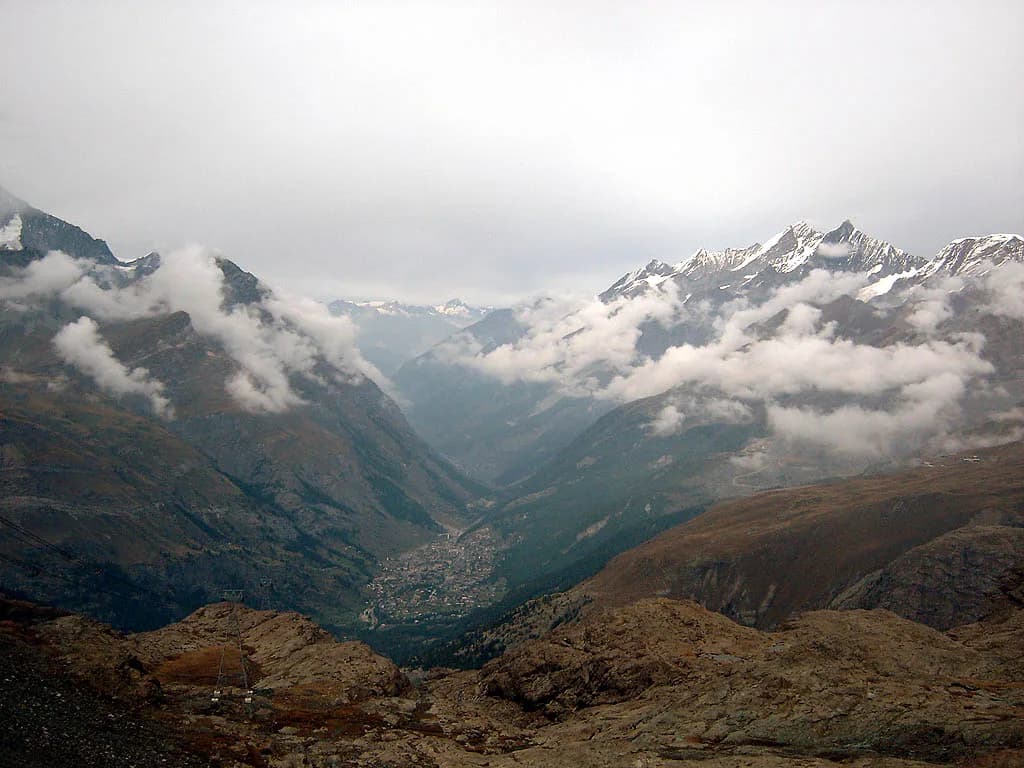
Two days is the sweet spot for most visitors, and three days lets you add the highest cable car station in Europe without racing. Zermatt packs the Matterhorn, two separate high viewpoints, a chain of alpine lakes and a car-free old town into a small valley, so the question is less what to see than how to sequence it. Mountain railways and gondolas generally stop running by late afternoon, which means evenings go to town walks and dinner rather than sights.
Zermatt sits at the end of a branch line and bans tourist cars, so arrival already shapes your plan. This guide sets out what each day covers, the trade-offs between the two summit trips, and where the Swiss Travel Pass and Half Fare card change the arithmetic. For the full day-by-day version, the Zermatt itinerary walks through each stop in order.
How many days in Zermatt: the short answer
Plan two days if you want the classic Zermatt pair: the 5 Lakes Walk from Sunnegga and the Gornergrat Railway. Add a third day if Matterhorn Glacier Paradise, the ice palace and Gorner Gorge appeal, or if you want a slower pace with time in the old town. A single day works only if you pick one summit and accept that the rest of the valley stays unseen.
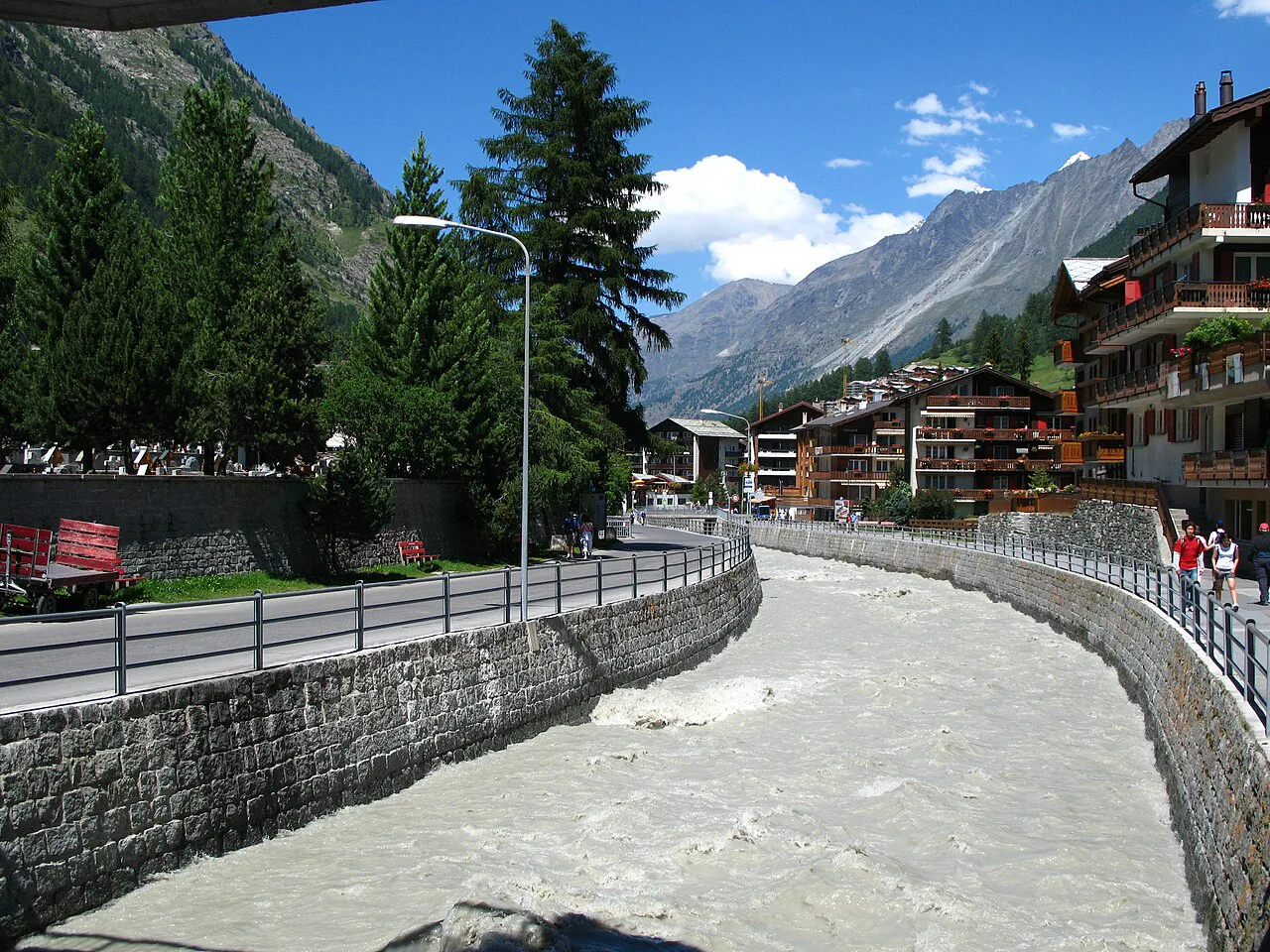
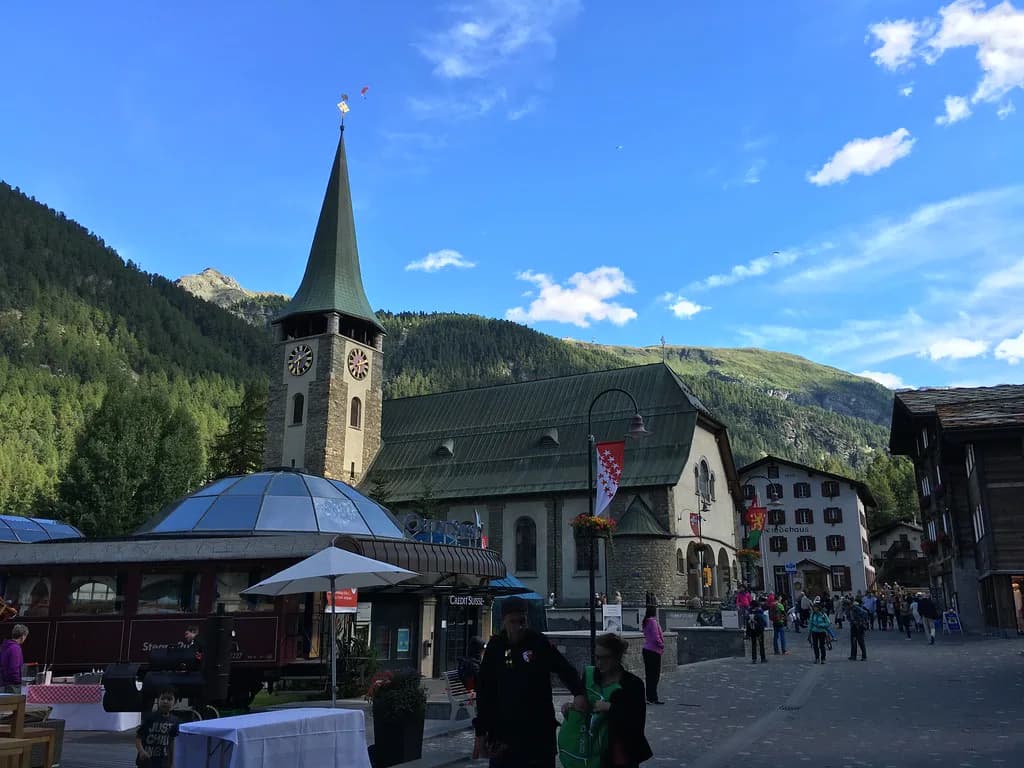
The constraint that decides the count is the afternoon shutdown of the lifts and mountain trains. Once those stop, your options narrow to Zermatt itself: the river promenade along the Vispa, the wooden houses of the old town, the Matterhorn Museum – Zermatlantis and a viewpoint above the village. That makes a two-day stay feel fuller than the raw hours suggest, because each day delivers one big mountain outing plus a town evening.
If you are weighing whether the expense justifies the trip at all, the honest answer is that Zermatt earns its reputation on the mountain views, not the village shops. Read Is Zermatt Worth Visiting? What You Get for the Money before you commit, because the ticket prices for the Gornergrat Bahn and the Matterhorn Glacier Paradise cable car are the decisive line in the budget.
How Zermatt is laid out and how you move around it
Zermatt is car-free for tourists, so you arrive by train. Drivers park at the garage beside the station in Täsch and ride the Matterhorn Gotthard Bahn for about 12 minutes into Zermatt, and a return ticket from Täsch costs about 18 CHF per person, with parking on top. Arriving from Visp puts you on a direct train straight into the village.
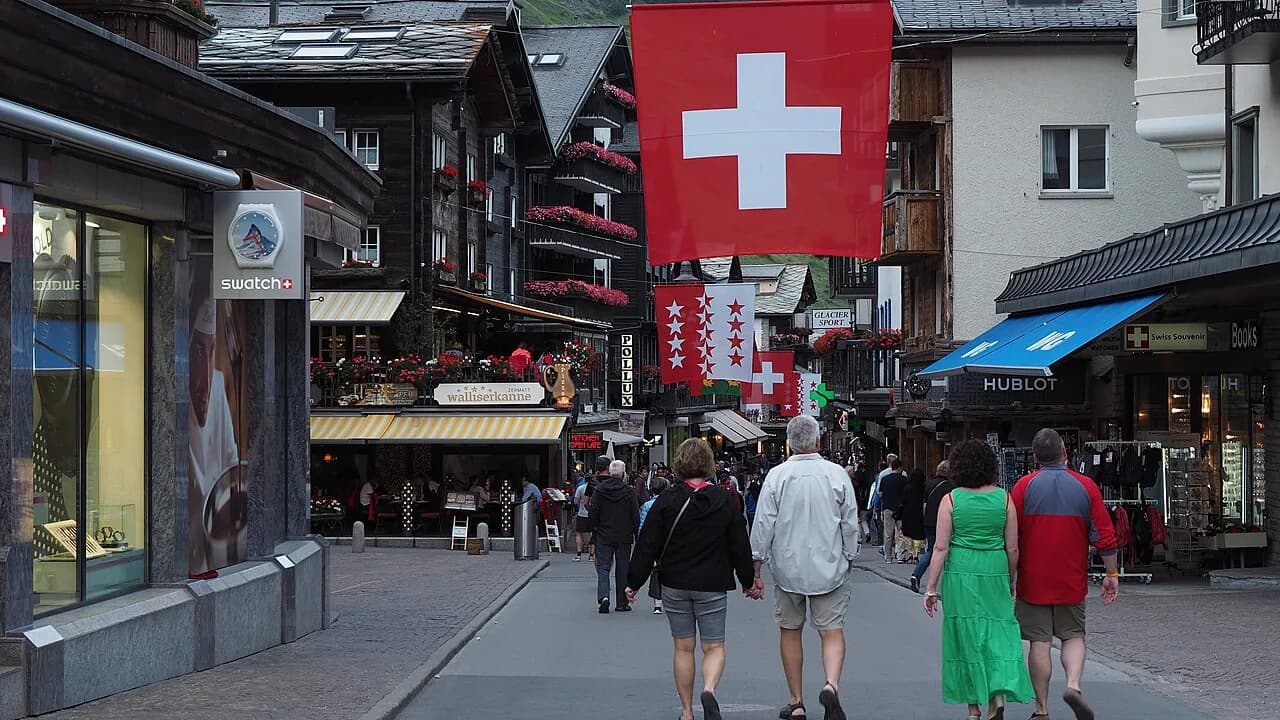
Inside the village, everything is walkable. The main street runs roughly north from the station, the Vispa River cuts through the middle, and the Gornergrat Railway station sits next to the main train station. The Sunnegga funicular valley station is a little harder to find, at Vispastrasse 32 along the river, so allow a few extra minutes the first morning rather than sprinting for a departure.
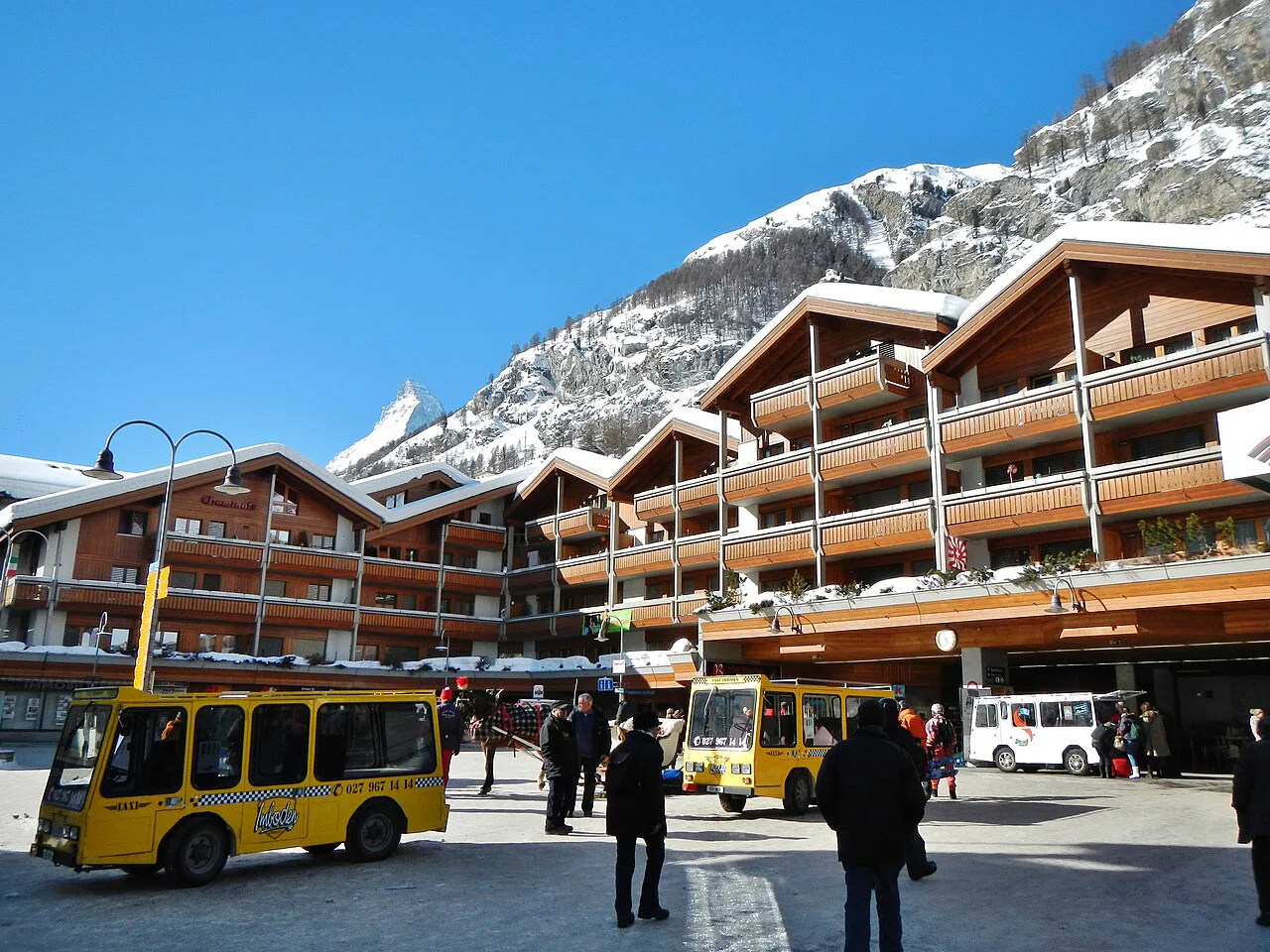
Electric taxis and rented bikes exist, but most visitors simply walk. That matters when you plan: a day that ends at the Sunnegga funicular, the Gornergrat station or the Matterhorn Express gondola base still leaves you a short stroll from dinner. Our Zermatt Attractions: 8 Visitor Guides page covers each sight individually if you want to dip in before committing days.
How many days you need: one, two or three
One day in Zermatt gives you exactly one summit and an evening in town. Pick the Gornergrat Railway if you want the classic view of the Matterhorn across the glacier, or the 5 Lakes Walk if you prefer to be on foot. Trying both in a single day means a very long, very early start with little margin.
Two days is the plan most people should book. Day one covers the 5 Lakes Walk and the old town, day two the Gornergrat Railway with stops at Rotenboden for Riffelsee and at Riffelalp. It is a comfortable rhythm, with a late afternoon return and a free evening each day.
Three days adds Matterhorn Glacier Paradise and Gorner Gorge, which gives you the highest viewpoint and a river gorge on the same afternoon. The catch is cost: you are buying three separate mountain tickets in three days, and the top stations are cold even in midsummer, so pack a warm layer. If your dates are tight, the 2 days in zermatt plan covers the essentials without the third summit.
Day 1: the 5 Lakes Walk and the old town
Start at the Sunnegga valley station and ride the funicular to Sunnegga, then the gondola to Blauherd, where the 5 Lakes Walk begins. The trail runs about 10 km, is moderate, mostly downhill with a few climbs, and takes 3 to 5 hours, passing Stellisee, Grindjisee, Grünsee, Mosjesee and Leisee. Stellisee delivers the signature Matterhorn reflection; if energy or time runs short, you can see Stellisee and Leisee without completing the full loop.
Mountain huts along the way make lunch easy: Blue Lounge near Blauherd, Mountain Lodge Ze Seewjinu near Grünsee and Bergrestaurant @Paradise near Leisee. Carry water and snacks regardless, since the trail is exposed and the walking is steady. Returning to the village in the late afternoon leaves the evening free for the river promenade and the old town lanes.
For dinner, Old Zermatt near the Kirchbrücke bridge serves Swiss dishes including fondue and offers gluten-free bread. Afterwards, climb the steps near Mürini 28 to the Zermatt Matterhorn Viewpoint, one of the best free vantage points in the village. It is a low-cost way to end a day that already delivered the Matterhorn at close range.
Day 2: the Gornergrat Railway and Riffelsee
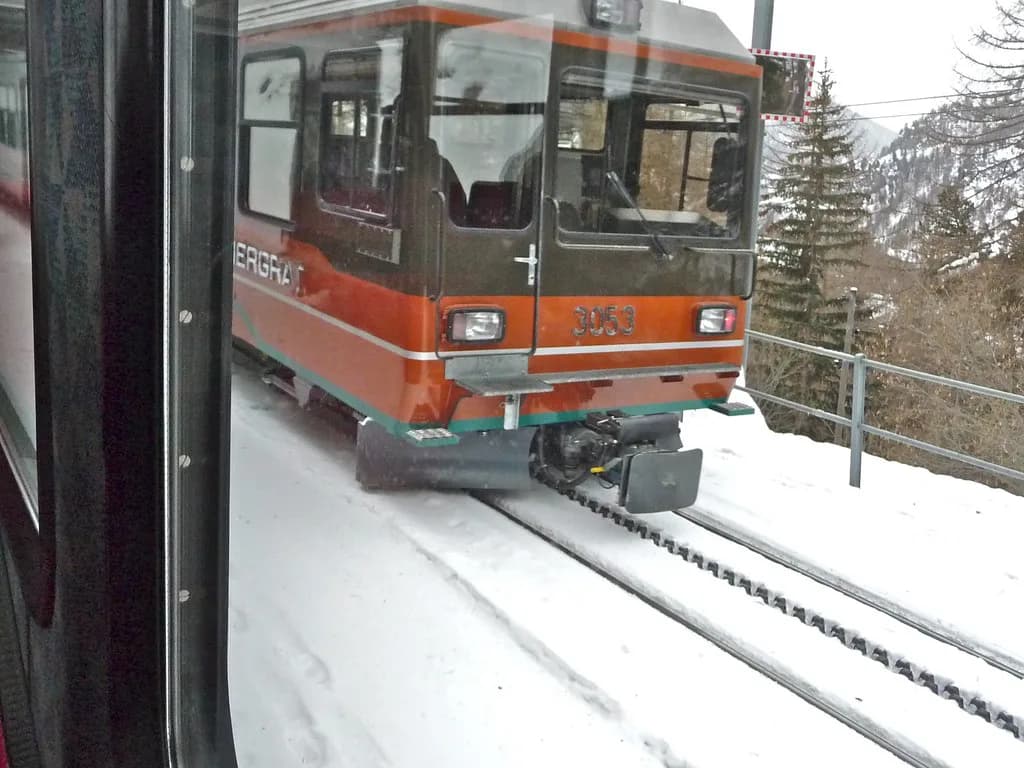
The Gornergrat Railway leaves from the station beside the main train station and climbs to 3,089 m in roughly 35 to 40 minutes. A full ticket costs over 130 CHF, which makes it the single biggest line in most Zermatt budgets. If that figure is decisive for your trip, the Gornergrat Railway is exactly where a pass or discount pays off, and our Zermatt on a budget guide lists the options.
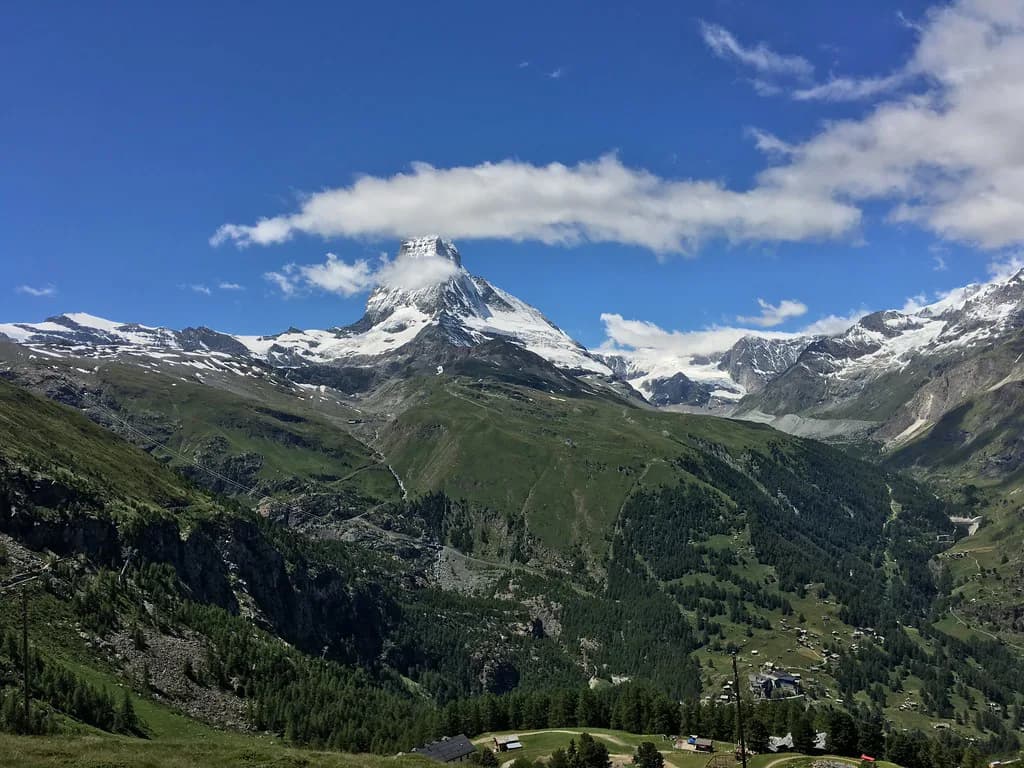
At the top, the Grenzgletscher glacier fills the view, the viewing platform looks across to the Matterhorn, and the ZOOOM the Matterhorn @Gornergrat exhibition is included with your ticket. An old golden train car stands beside the station with signs on the railway's history. Coffee at the summit is worth the pause before you ride down.
Get off at Rotenboden on the way down for the short walk to Riffelsee, where the Matterhorn reflects in the water on calm days. Continue to Riffelalp if you want the Riffelboden viewpoint, where the railway and the Matterhorn line up in one frame. Back in town, the Matterhorn Museum – Zermatlantis fills a late afternoon with the story of the first Matterhorn ascent.
Day 3: Matterhorn Glacier Paradise and Gorner Gorge
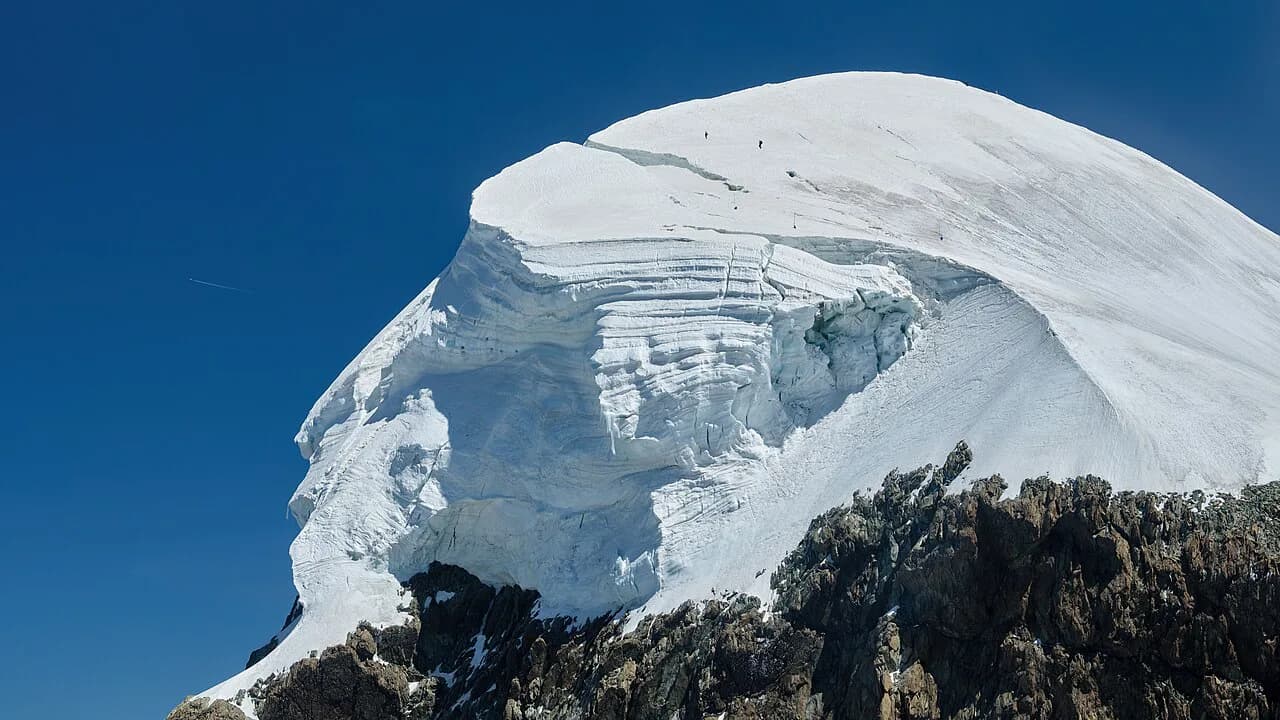
From the Matterhorn Express valley station, a chain of gondolas climbs via Furi and Trockener Steg to the Klein Matterhorn at 3,883 m, the highest cable car station in Europe, in about 45 minutes. The top delivers a platform looking over 38 peaks above 4,000 m, the Glacier Palace ice cave and a cinema lounge showing short films on mountaineering and glaciers. Dress warmly; it can be freezing even in July.
This is the trip to drop if you are shortening the stay. It is the most expensive single ticket and, unlike the Gornergrat Railway, it competes with nothing else in the valley for the Matterhorn view. If you have already committed to two summit days, Matterhorn Glacier Paradise is the natural third, not a substitute for the Gornergrat.
Back in the valley, Gorner Gorge is about a 25-minute walk from the village, with a wooden path and stairs through a narrow canyon cut by the Gornera River. Entry costs a few francs at the gate near the Gornergorge Apartments, and the visit takes 2 to 3 hours. Pair it with the morning cable car and you have a full, varied day without a second summit ticket.
Fitting three days of Zermatt into two
If you start early, you can bolt the Gornergrat Railway onto either the 5 Lakes day or the Glacier Paradise day, squeezing three days of sights into two. The trade-off is pace: you lose the late-afternoon town time and the Gorner Gorge visit, and you need to be at the station on the first departure. For a short break, it works; for a relaxed trip, it defeats the point.
Travelers comparing Zermatt with other Swiss mountain towns usually ask whether the extra summit tickets justify a longer stay. If you are weighing Zermatt vs grindelwald, note that Zermatt's two big viewpoints are bought separately, which changes the calculus on a short trip. The one day in zermatt plan is the honest floor: one summit, one evening, no Gorner Gorge.
What a day in Zermatt costs in Swiss francs
The three fixed costs are the Gornergrat full ticket at over 130 CHF, the Täsch return train at about 18 CHF per person plus parking, and the cable car to Klein Matterhorn. Gorner Gorge adds a few francs and the Matterhorn Museum charges its own entry. Food and lodging sit on top, and Zermatt is genuinely one of the most expensive places in Europe.
A realistic two-day budget therefore leans heavily on whether you buy a pass. Modeling the trip in CHF in advance keeps the surprises down, and Is Zermatt Expensive? What a Trip Costs in Swiss Francs breaks down where the money actually goes. Note that mountain tickets are per person; a couple's two summit days add up quickly.
When to go: summer hiking versus the winter season
Zermatt has two seasons. The ski season runs from November to April and sometimes into May, with December, January and February the best winter months. The summer hiking window peaks in July and August, when the trails are clear and the days are long, though temperatures stay cool at altitude rather than hot.
This itinerary is built for summer, when the 5 Lakes Walk and Gorner Gorge are the main draw. In winter, the same village works as a ski base, but the walking plan gives way to the slopes and the lifts close earlier. If your trip is a city break comparison, our how many days in zurich and how many days in lucerne guides use the same day-count logic for those cities.
Where to save money on mountain railways and cable cars
The Swiss Travel Pass covers the train to Zermatt and gives 50 percent off most mountain trains and cable cars, which is exactly the kind of saving that matters here. A 3-day Swiss Travel Pass costs around 250 CHF per person, so it only pays if you also ride long-distance trains and use the free museum entries. Run the numbers against your actual itinerary before buying.
Beyond the pass, the cheapest moves are free: the river promenade, the old town lanes, the Matterhorn viewpoint near Mürini 28 and the town itself. Picking one paid summit instead of two, and walking Gorner Gorge on a dry afternoon, keeps the total reasonable. For a fuller list of low-cost choices, Zermatt on a budget is the page to keep open while booking.
Practical planning notes
Book summit tickets and check departure times on the day, since weather at 3,000 m decides whether the view is worth the fare. Bring a warm layer for both Gornergrat and Klein Matterhorn even in midsummer, and carry water on the 5 Lakes Walk. Arriving by train from Visp avoids the Täsch parking cost entirely.
If you are building a longer Swiss trip, this Zermatt Itinerary slots into a wider route, and the Zermatt Attractions hub is the place to check individual sights. For travelers comparing city days with mountain days, the how many days in zurich guide shows how the same two-or-three-day logic plays out in a city.
Plan Your Visit
Two days in Zermatt covers the 5 Lakes Walk and the Gornergrat Railway, which is the pair most visitors come for. Add a third day only if Matterhorn Glacier Paradise and Gorner Gorge are worth the extra ticket and the extra morning. Either way, plan the mountain outings for daylight and leave the evenings for the old town.
Price the two summit tickets and the Täsch train before you book, and check whether a Swiss Travel Pass or Half Fare card beats paying as you go. The savings are real if you ride long-distance trains; the cost is a year-long commitment. Decide with the CHF figures in hand rather than after arrival.
Frequently Asked Questions
How many days do you need in Zermatt?
Two days covers the two headline experiences: the 5 Lakes Walk from Sunnegga and the Gornergrat Railway. Three days adds Matterhorn Glacier Paradise and Gorner Gorge at a slower pace. One day gives you a single summit and an evening in town.
Is two days in Zermatt enough?
For most first-time visitors, yes. Two days deliver the Matterhorn from both the trail and the railway, plus time in the old town. The limit is that a third summit needs another ticket and another morning, so two days is the point where the value peaks.
Is Zermatt worth visiting?
The Matterhorn, the glacier viewpoints and the alpine lake trail are the reason to come, and they are genuinely exceptional. The trade-off is cost, since Zermatt is one of the most expensive places in Europe and the summit tickets are the biggest line item. Budget for it and the trip delivers.
How much does the Gornergrat Railway cost?
A full ticket costs over 130 CHF. That is the single largest mountain expense on a typical Zermatt trip, so it is where a Swiss Travel Pass or Half Fare card, which discounts most mountain railways, matters most. Confirm the current fare at the station or online when you book.
What can you do in Zermatt in the evening?
Once the mountain railways and cable cars stop in the late afternoon, the evening belongs to the village. Walk the Vispa River promenade, wander the old town lanes, dine near the Kirchbrücke, or climb to the Matterhorn viewpoint near Mürini 28 for dusk light on the mountain.
Do you need a car in Zermatt?
No. Zermatt is car-free for tourists, and you arrive by train. Drivers park at the garage in Täsch and take the Matterhorn Gotthard Bahn for about 12 minutes, a return trip of roughly 18 CHF per person plus parking. Inside the village, everything is walkable.
Is Zermatt expensive?
Yes. The Gornergrat full ticket runs over 130 CHF, the Täsch return adds about 18 CHF per person, and food and lodging are high by European standards. The pass or a Half Fare card can cut the mountain rail costs, and free options like the river walk and the viewpoints keep the total down.
Sources
Notes for your Swiss city break
Optional updates to our Swiss city guides.
You might also like
Continue reading
More guides you'll find useful