Basel vs Zürich: Which Swiss City Fits Your Short Break?
Basel and Zürich suit different short breaks. Compare old towns, museums, river views, walkability and costs to pick the Swiss city that fits your days.
On this page
Pick Basel if you want a compact, walkable old town on the Rhine with serious art museums and a calmer pace over one or two days. Pick Zürich if you want a larger city with a lake edge, more neighborhoods to roam and more variety to fill a second or third day. The two cities are close neighbors in northern Switzerland, and each rewards a different kind of short break.
Layout: A Walkable River City vs a Sprawling Lake City
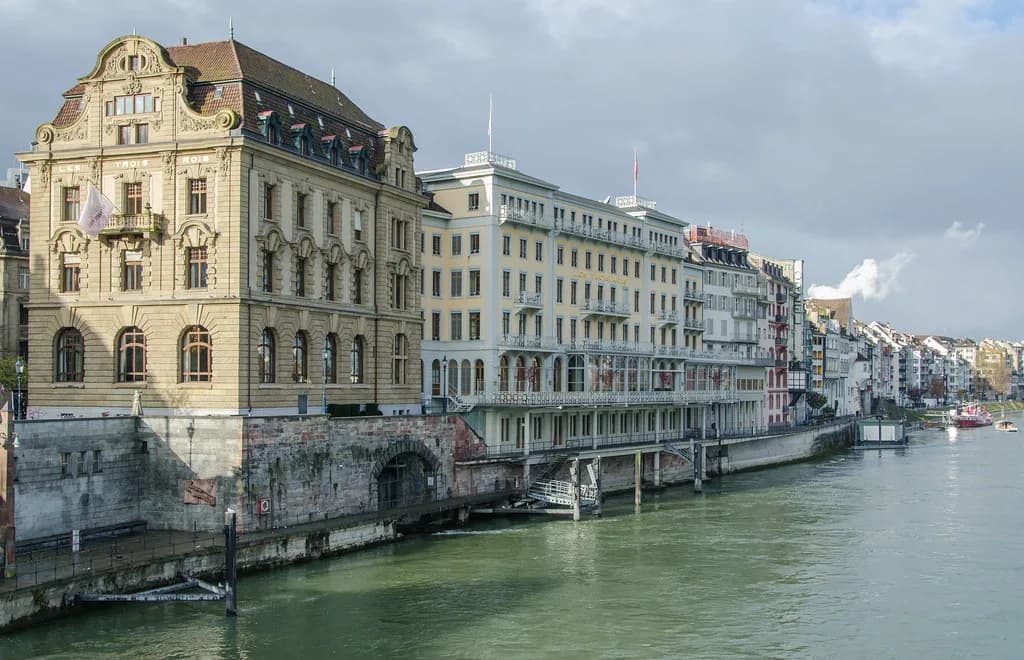
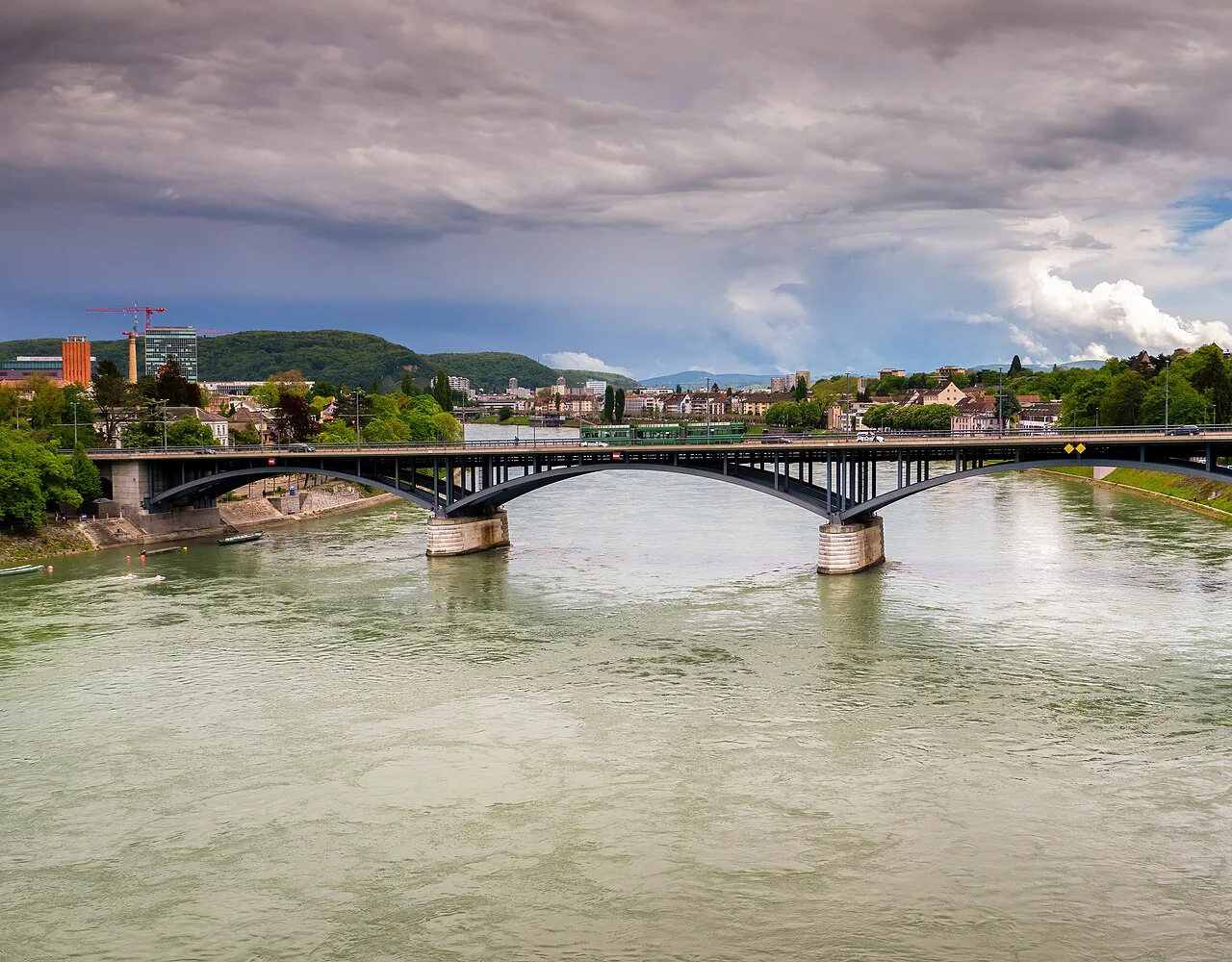
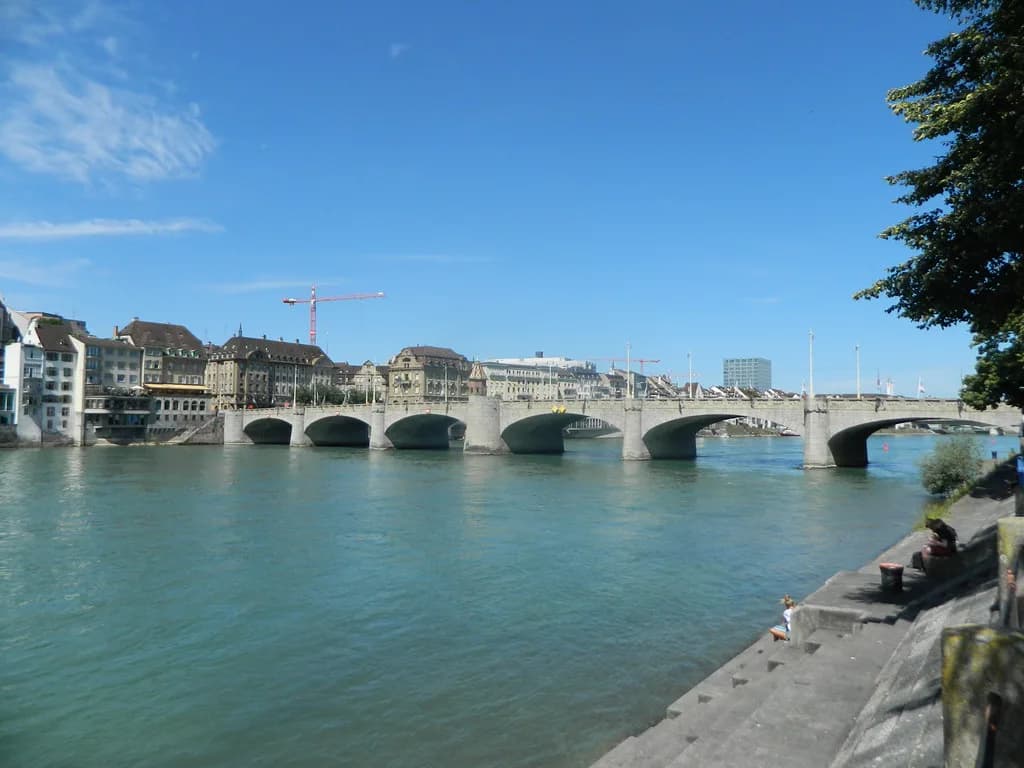
Basel is built around the Rhine, and its main sights sit close together. The cathedral hill, the Marktplatz with the red Rathaus, the Spalentor gate and the Mittlere Brücke bridge are all within easy walking distance of each other, which makes the old town feel almost like a single connected circuit. That compactness matters when you have only a day or two.
Zürich spreads out from the bottom of its lake. Bahnhofstrasse runs from the main station down toward the water, the old town climbs the hillside across the Limmat, and the lakefront promenades stretch south. Sights are still reachable on foot, but they feel more spread apart than in Basel, so more of your day goes to moving between them.
For a first orientation, start in Basel at the Münster hill and work down to the river before crossing the Mittlere Brücke. In Zürich, begin at the lake end and walk north through the old town. If you want a ready-made sequence for the river city, the Greater Basel route on our basel itinerary covers the old town from cathedral to bridge in one loop.
How Many Days Each City Needs
One full day covers most of what draws people to Basel: the Minster, the Rathaus courtyard, a walk across the old bridge and one museum. Two days gives you room for a second museum and the walk out to the Dreiländereck tripoint, which sits well north of the center and eats time if you are in a hurry. The city is compact and easy to cross on foot, though the outlying spots are the exception.
Zürich rewards a second day more clearly. The lake, the old town streets and the major museums fill a first day, and a second lets you slow down in one quarter instead of hopping between them. If you are still weighing the time split, How Many Days in Basel? 1, 2 or 3 Days Compared lays out what each day adds.
Basel's Headline Sights: Minster, Rathaus, Spalentor and the Bridge
The Basel Minster is the city's anchor. Its roof is covered in a mosaic of dark green, maroon, yellow and off-white tiles, and entry is free, with an extra charge to climb the tower; guided tours cost a fee and usually run on Saturday. The building rarely stays open past late afternoon, so plan it early. Our guide to Basel Minster covers the details of the cathedral itself.
From the Minster, drop down into the old town toward the Rathaus. The red town hall, more than 500 years old, has an inner courtyard more decorated than its facade, and its weekday-only access means you should visit during the week rather than on a weekend, according to this Basel guide. The Spalentor, one of three surviving city gates, keeps the same tile-roof motif and is best seen from the street.
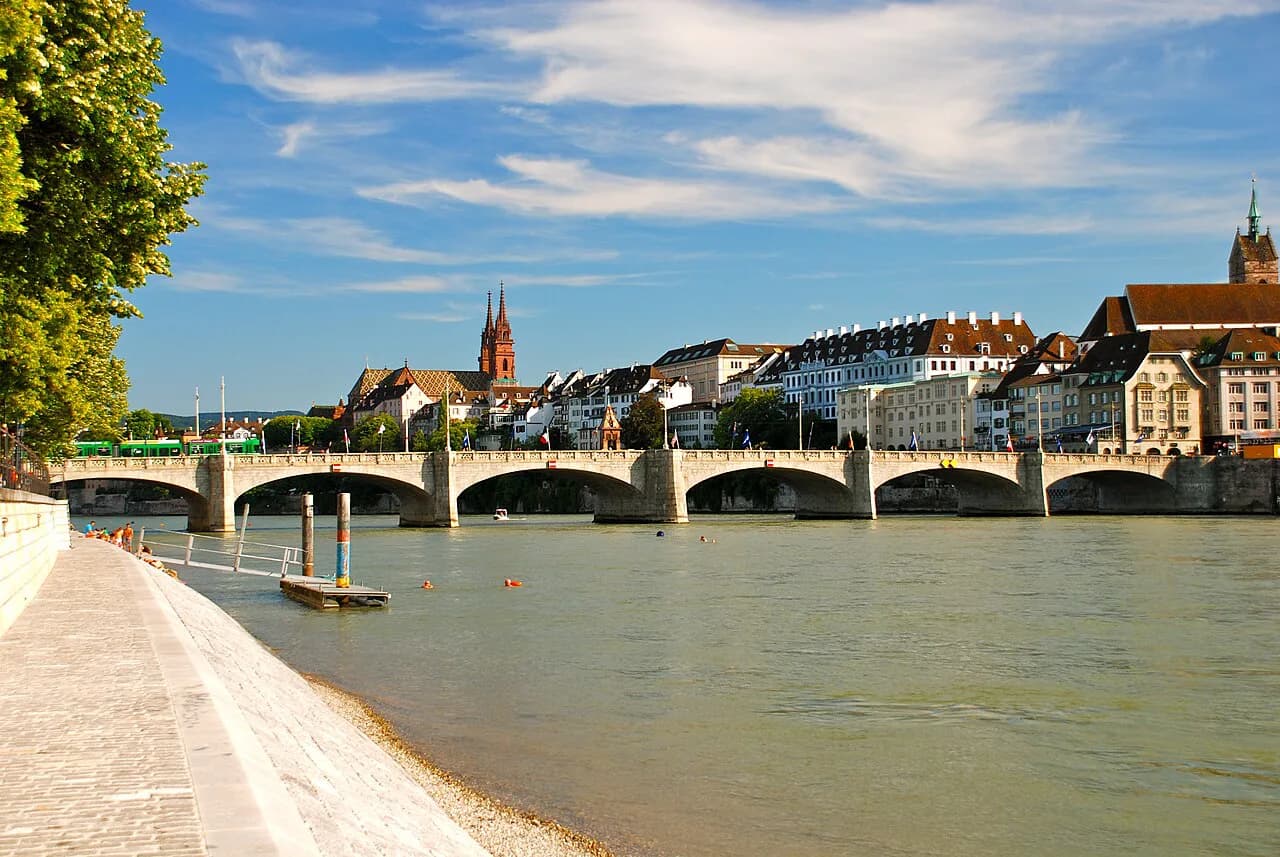
The Mittlere Brücke, the city's most historic crossing, allows only bikes, buses and trams, so the walk across is quiet. For the bigger picture of how these sights fit together, Basel Attractions: 8 Visitor Guides collects the individual guides in one place.
Zürich's Headline Sights and the Lake Walk
Zürich's identity comes from its water and its scale. The lake basin at the end of Bahnhofstrasse gives you a long, open edge to walk, and the old town climbs the slope above the Limmat with terraces and church towers that frame the river. It is a city that rewards wandering rather than a tight checklist, which is part of why it suits a longer stay.
The trade-off is that a short visit to Zürich can feel rushed. With the same hours that cover Basel comfortably, you will see less of Zürich. If a compact old town is what you are after, our Basel Attractions hub explains why the river city packs more into a small radius.
Museums in Basel: Art, Machines and the Going Rate
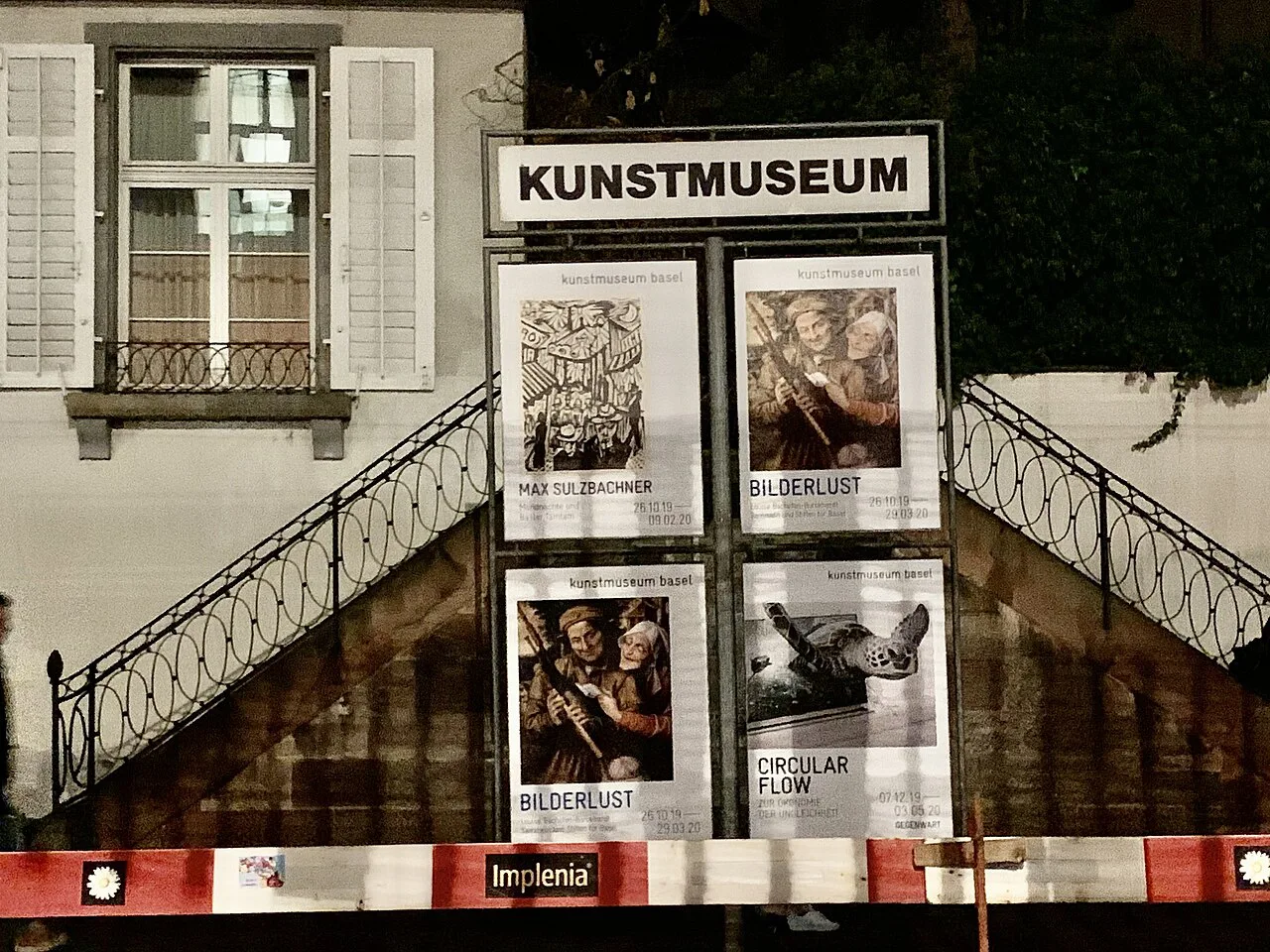
Basel's museum scene is unusually dense for a city this size. The Kunstmuseum Basel is one of the oldest public art museums in the world, with roots in a 17th-century collection, and Museum Tinguely shows the kinetic machines of Jean Tinguely in a Mario Botta building on the Rhine. Smaller options include the paper mill that houses the Swiss Museum of Paper, Writing and Printing, and a cartoon museum nearby.
Most Basel museums charge roughly CHF 10 to 20 per person, according to this Basel guide. Museum Tinguely runs Tuesday to Sunday from 11:00 to 18:00, with Thursdays until 21:00, for CHF 18, per a 2026-dated weekend guide to Basel. If art is your focus, our Kunstmuseum Basel guide explains what to prioritize.
If you want to keep museum spending down, a two-day weekend in basel plan shows how to fit the Kunstmuseum and Museum Tinguely together, rather than trying to see everything. The city also has a free option in the University of Basel Botanical Garden.
Museums in Zürich and Rainy-Day Planning
Zürich's museum choice is broader but more spread out, so a rainy day means picking one area rather than trying to cross the city. It is a city where your museum decision sets the shape of the day, and that works better when you already know the city or have more than a day.
Our comparison of bern vs zurich shows how Zürich's spread affects a short stay, and the same logic applies when you are choosing between Basel and Zürich for a wet weekend.
Free and Low-Cost Anchors in Basel
Basel makes it easy to keep some costs at zero. The Minster is free to enter, the Spalentor gate and the Mittlere Brücke cost nothing to walk, and the University of Basel Botanical Garden is free, with the garden opening from 8:00 most days and the greenhouses at 9:00, according to this Basel guide. That gives a morning and an afternoon without paying entry fees.
These free stops are the backbone of our basel on a budget plan, which pairs no-cost sights with paid museums.
What Things Cost on the Ground
Swiss prices run higher than neighboring France and Germany, and Basel is no exception. Restaurant meals are where it stings most, and the Markthalle Basel, a few minutes from the train station, has food stalls that undercut most restaurant prices. It is a practical lunch stop before walking into the city, and it also has clean public washrooms.
If cost is the deciding factor between the two cities, our is basel expensive breakdown compares what a Basel city break actually covers. The same broad Swiss price level applies to Zürich, since both share a currency and a high cost of living.
Walkability: Basel Packs More Into a Small Radius
Basel is the more walkable of the two for a short break. The center is compact, bikes and trams outweigh cars, and the old town is largely traffic-free. The three-country tripoint, the Dreiländereck, sits a long way from the center, so it is worth skipping if your time is short, according to this Basel guide. Everything else fits into a comfortable walking loop.
Zürich is also a walking city, but its scale means longer stretches between stops. The lake edge to the old town is a pleasant walk, but on a one-day visit the distance eats into sightseeing time. Basel's tighter geography simply leaves more of the day for looking.
Atmosphere: Basel's Quiet Streets vs Zürich's Bustle
Basel is quiet, sometimes surprisingly so. The cathedral square can feel nearly empty even in high summer, and some visitors find the lack of crowds calming while others find it bland. The architecture compensates: painted facades, fountains and decorated courtyards turn a simple walk into a slow one.
Zürich feels busier and more like a large working city, with more people on the streets and more going on along the water. If you expect a lively urban energy, Zürich delivers it more reliably. Our is basel worth visiting article sets expectations for the quieter option.
Weather and When to Go
Both cities sit in northern Switzerland and share a climate, so the weather rarely decides the choice between them. Mild spring and early autumn days suit long walks in either old town, while high summer brings the outdoor tables and riverside activity along the Rhine and the lake.
Plan around the seasons rather than the city: our best time to visit basel guide covers when the old town is at its most comfortable, and the same weather pattern applies to Zürich.
Where Basel Wins and Where Zürich Wins
Basel wins on compactness, on the concentration of art museums, and on the novelty of a three-country location. It is the easier city to cover without a plan, and its free sights mean a tight budget still gets you a full day. Its quieter streets and expensive meals are the honest trade-offs.
Zürich wins on scale, lake setting and variety. It is the better choice if you have two or three days and want the feeling of a major city rather than a walkable town. If you have only one day and want to see the essentials without rushing, Basel fits more into it.
The Verdict: Which City for Your Trip
Choose Basel for a one-day or weekend stop, especially if you are coming from France or Germany and want a compact old town, a mosaic-roofed Minster, a painted Rathaus, and strong art museums without long walks between them. Its quietness and expensive meals are the price of that calm.
Choose Zürich if you have two or three days and want a bigger city with a lake edge and more variety. Neither city is cheap, so plan the cost side first; our guide to the one day in basel route helps if you settle on the river city.
Frequently Asked Questions
Is Basel or Zürich better for a two-day city break?
Basel fits comfortably into two days, with the Minster, Rathaus, Spalentor, Mittlere Brücke and one or two museums, plus room for the Dreiländereck tripoint. Zürich rewards two days with more spread-out variety along the lake and through the old town. Choose Basel for compactness, Zürich for scale.
How many days do you need in Basel?
One full day covers the headline sights and one museum. Two days allows a second museum, a walk along the Rhine and the out-of-center Dreiländereck tripoint. More than two days suits travelers who want to see several museums or use Basel as a base near France and Germany.
Is the train ride from Zürich to Basel scenic?
Basel and Zürich are close neighbors in northern Switzerland, and the direct train is the standard way between them. Whether the ride counts as scenic depends on the route and the weather, so check the connection and the views when you book rather than relying on a description.
Is Basel worth visiting if I prefer lively cities?
Basel's old town can feel quiet, and its cathedral square may seem nearly empty even in summer. Travelers who want bustle find Zürich a better fit. Those who value walkable streets, decorated buildings and art museums without crowds tend to prefer Basel.
What does Basel offer that Zürich does not?
Basel has a tripoint where Switzerland, France and Germany meet, a compact old town centered on the Rhine, and free sights like the Minster and the University of Basel Botanical Garden. The Museum Tinguely and Kunstmuseum Basel give it a strong art base.
Sources
Notes for your Swiss city break
Optional updates to our Swiss city guides.
You might also like
Continue reading
More guides you'll find useful