Is Basel Expensive? Real Costs in CHF and How to Spend Less
Yes, Basel is expensive, and meals cost more than in neighboring France and Germany. Here are the real prices in CHF and how to keep a city break affordable.
On this page
Yes, Basel is expensive. Expect to pay more than in neighboring France and Germany, especially for restaurant meals, and plan your days around the free sights and one or two paid museums rather than a long list of ticketed attractions.
The city is compact and very walkable, so transport is a minor cost if you stay in the center, and a single day covers most of what a first-time visitor wants to see. Two days gives Basel room to breathe without straining the budget.
Is Basel expensive? The short answer
Basel sits in one of Europe's most expensive countries, and the city itself prices like it. Restaurant bills run significantly higher than in nearby France and Germany, and there are fewer cheap places to eat than you would find in Strasbourg. If you want to know how far that national pattern reaches, our guide on is switzerland expensive lays out real costs in CHF.
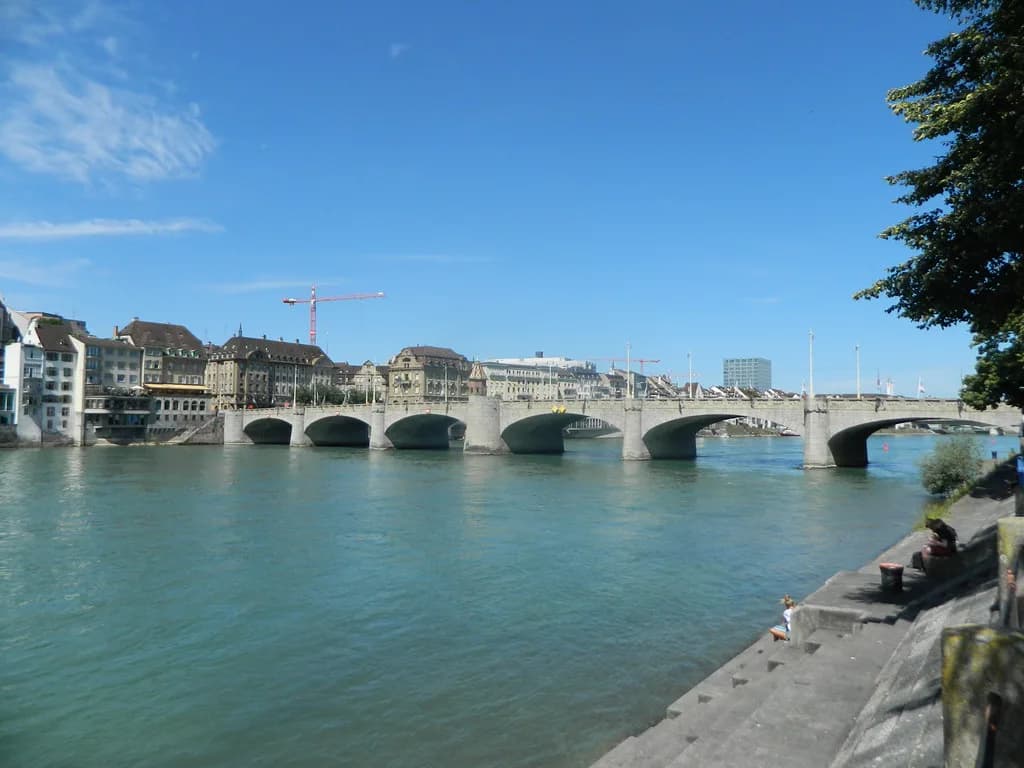
That said, a Basel day does not have to cost much. The Basel Minster, the Middle Bridge, the Spalentor city gate and the University of Basel's Botanical Garden all cost nothing to enter, which gives you a solid free core to build around.
How Basel compares with Strasbourg and Germany
Travelers crossing from Alsace notice the price jump immediately. Basel's restaurants are the sharpest difference, and the shortage of budget options means a casual meal can cost more than a sit-down dinner in France.
Lodging is a more mixed picture. Hotels in Basel have been cheaper per night than in Strasbourg, though Strasbourg draws more tourists, so compare both before you commit.
If you are weighing Swiss cities against each other, the same cost logic applies elsewhere; our guide to whether Zürich is expensive sets out the comparison. If you simply want to know whether the city earns a place on your trip, read is basel worth visiting before deciding how many nights to give it.
Sights that cost nothing
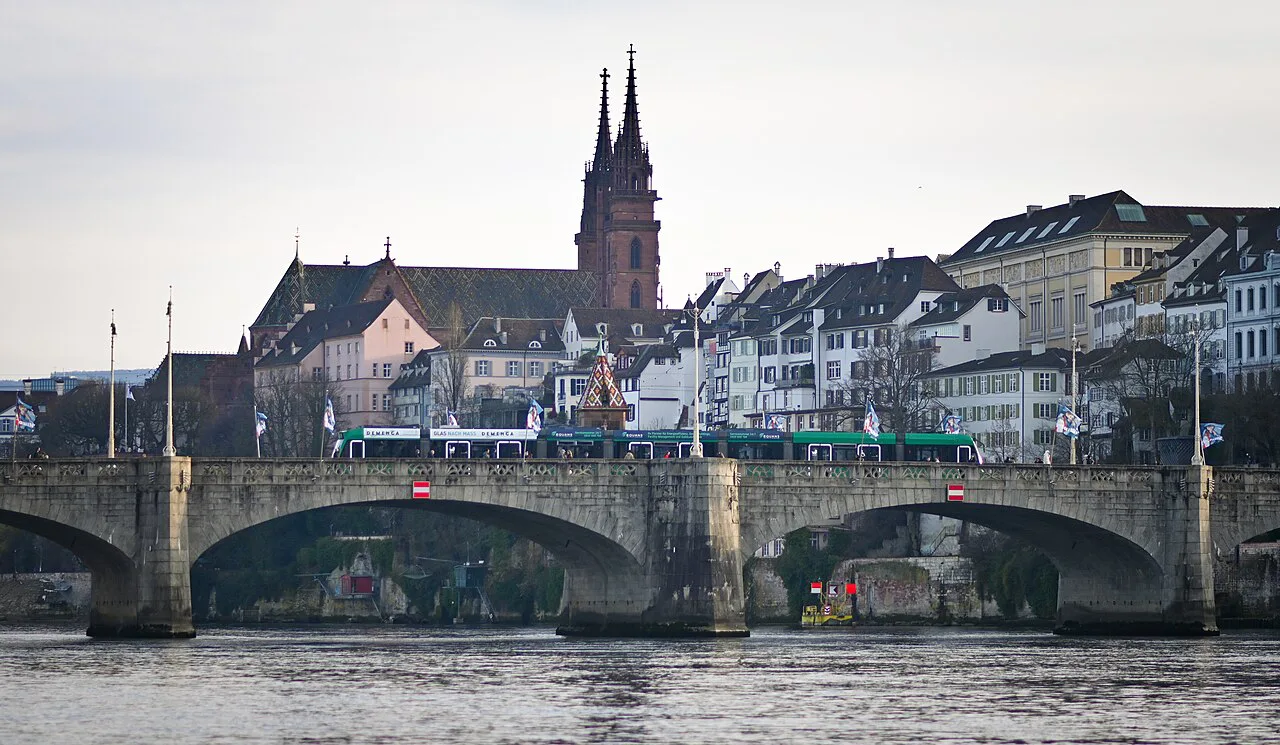
Start with the Basel Minster, whose patterned roof and crypt are free to see; you pay extra only if you want to climb the tower or join a guided tour.
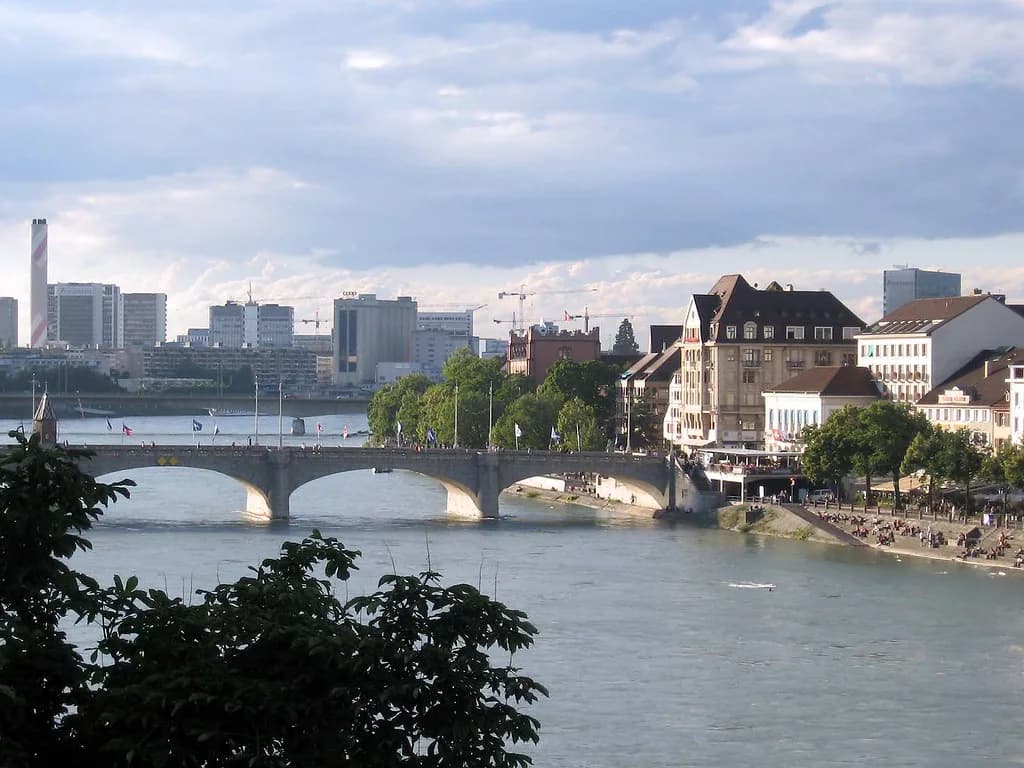
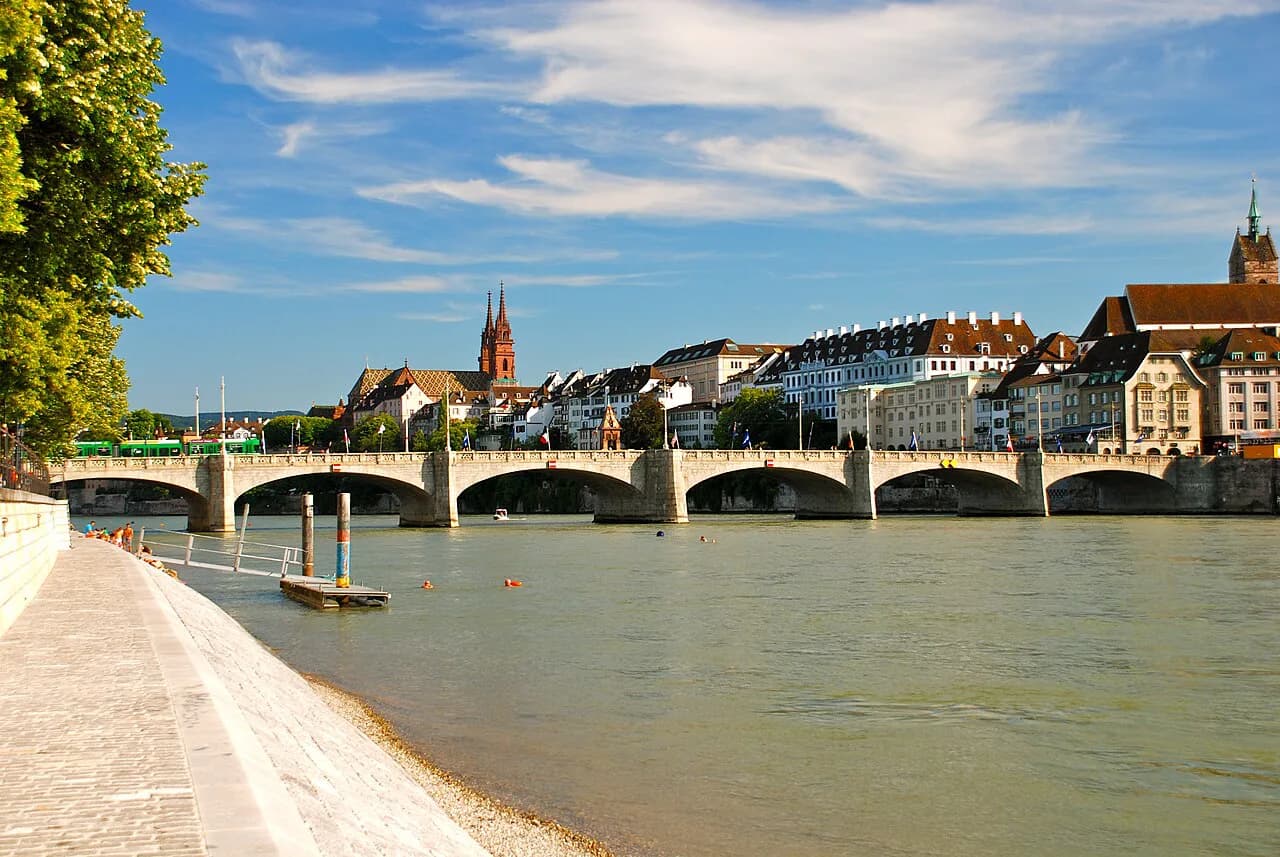
From there, walk across the Middle Bridge, where only bikes, buses and trams are allowed, then continue to the Spalentor, the most spectacular of the three surviving city gates.
The Botanical Garden near the Spalentor is free to enter, opens from 8am most days with greenhouses from 9am, and makes an easy half-hour stop.
The Old Town's fountains, courtyards and painted facades cost nothing to wander past, which is why a tight budget still leaves plenty to do.
Museums and what a ticket runs
Basel has close to forty museums, so pick carefully rather than trying to tick off several in a day. Most charge somewhere between 10 and 20 CHF per person.
The Museum Tinguely, in Mario Botta's building on the Rhine, is open Tuesday to Sunday from 11am to 6pm, with a late night on Thursday until 9pm, and entry is 18 CHF.
The Kunstmuseum Basel holds one of the oldest public art collections in the world, and its three venues let you choose how much time and money to spend on art in a single trip.
Smaller, quirkier options include the Swiss Museum of Paper, Writing and Printing in the medieval paper mill and the Caricature and Cartoon Museum, both of which suit a shorter, cheaper visit.
The Markthalle Basel as a cheap lunch stop
The Markthalle Basel, a few minutes' walk from the train station, gathers international food stalls under one roof, and its prices undercut most restaurants in the city.
Arriving around lunchtime, you can eat before walking into the center, which makes it a sensible first stop if you come in by train.
If you want a sit-down meal, plan for it as your main splurge of the day and keep breakfast and lunch simple to balance the total.
A room in Basel vs across the border
Basel's hotels have compared favorably with Strasbourg's on nightly rates, so the border does not automatically mean cheaper lodging.
What changes across the border is food and daily spending, which is why a short Basel stay with a Strasbourg base can stretch a budget further.
Getting around on foot and by tram
Basel is compact and easy to cover on foot, with the main sights close together and bikes and trams outnumbering cars. That means transport is rarely a large line in your budget.
Some Basel hotels, hostels and rentals hand guests a card that covers or discounts local public transport, so ask when you check in and factor it into your daily costs.
Drinks by the Rhine and the cost of a slow afternoon
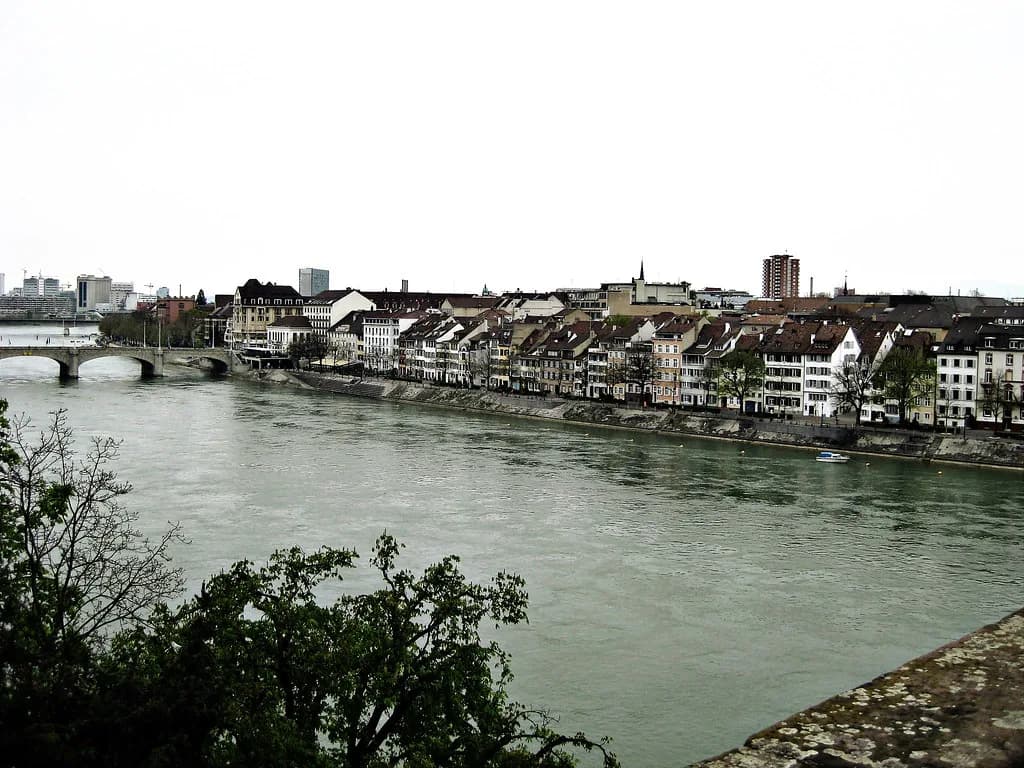
Between the Middle Bridge and the riverbank there is a string of riverside bars and cafés with seats close to the water, an easy place to spend an afternoon.
These are pleasant rather than cheap, so treat a Rhine-side drink as part of the day's budget rather than a free extra. The Tinguely Fountain on Theaterplatz, by contrast, is free art in the middle of the city, and its mechanical figures reward a few minutes' stop.
Where Basel quietly adds up
Chocolate is a classic Basel expense, and the supermarket aisle is far cheaper than the tourist shops selling the same thing in gift boxes.
The walk to the Dreiländereck, where Switzerland, France and Germany meet, costs nothing but time; it sits well outside the center, so skip it if your stay is short.
Plan your days with the basel itinerary so you are not paying for transport to sights you could have walked to in the first place.
Who Basel suits at this price
Basel rewards travelers who like art, architecture and slow wandering, and it punishes anyone planning a long list of ticketed attractions in one day.
If you are used to busy, cheap cities, temper expectations and shorten the stay rather than cutting corners on a place that rewards unhurried time.
If you are still deciding how long to give the city, compare one, two and three days before booking, and use our weekend guide to shape the short version. Fewer days mean lower costs, and Basel's compact center makes two days a workable minimum for most visitors.
Two-day cost sketch in CHF
A tight two-day plan starts with free sights: the Basel Minster, the Middle Bridge, the Spalentor and the Botanical Garden cost nothing at all.
Add one paid museum, with the Kunstmuseum or Museum Tinguely, the latter at 18 CHF, and budget restaurant meals as the biggest variable, since Basel's restaurants cost more than Strasbourg's.
Lunch at the Markthalle and a supermarket chocolate purchase keep the day cheap, and a guest card can cut local transport to nothing if your accommodation offers one.
Plan a Basel Break That Fits Your Budget
Basel is expensive by Swiss standards, and meals and daily spending compare poorly with France and Germany. The trick is to build your days around the free sights, one paid museum and a market lunch, and to save the sit-down dinner for whatever you value most.
Check current museum hours and ticket prices before you go, since these change, and use our Basel Attractions collection to pick the sights worth your money.
Explore more Basel guides
Frequently Asked Questions
Is Basel expensive for tourists?
Yes. Basel costs more than neighboring France and Germany, especially in restaurants, and there are fewer cheap places to eat than in Strasbourg. The city's compact center keeps transport costs low, and several of its best-known sights cost nothing to visit.
How much is a meal in Basel?
Restaurant meals in Basel run much higher than in Strasbourg or across the German border, and budget options are scarcer. The Markthalle Basel offers lunches at international food stalls at lower prices than most restaurants. Prices are posted at the counter.
Are Basel museums free?
No. Most Basel museums charge entry, typically somewhere between 10 and 20 CHF per person, and the Museum Tinguely costs 18 CHF. A few sights, including the Basel Minster and the Botanical Garden, are free to enter.
What free things can I do in Basel?
The Basel Minster, the Middle Bridge, the Spalentor and the University Botanical Garden all cost nothing to enter. Walking the Old Town's fountains and painted facades is free, and the Dreiländereck tripoint costs only the time it takes to walk there.
Can I see Basel in one day?
Yes. Basel is compact and walkable, so one day covers most of the main sights, though two days give a better feel for the city. A short stay also keeps the bill down, since meals are the main expense.
Does a Basel guest card cover public transport?
Some Basel hotels, hostels and rentals give guests a card covering or discounting local transport. Ask your accommodation when you check in, since it can remove a small but real daily cost from your trip.
Sources
Notes for your Swiss city break
Optional updates to our Swiss city guides.
You might also like
Continue reading
More guides you'll find useful