Is Basel Worth Visiting? An Honest Guide for a Short Break
Yes, Basel is worth visiting for its art museums, decorated old town and Rhine setting. Here is what it does well, what it costs and how many days it needs.
On this page
Yes, Basel is worth visiting, provided you come for the right reasons. It is a compact, walkable city on the Rhine with a richly decorated old town, an art scene that punches far above its size, and a location where Switzerland, France and Germany meet. It is not a loud, high-energy metropolis, and travelers expecting one tend to leave disappointed.
The honest verdict is that Basel suits museum-goers, architecture watchers and anyone routing between Alsace and Switzerland who wants an easy first taste of the country. It suits less well if you want nightlife, constant bustle or a long list of headline sights. This guide sets out what the city does well, how long it needs, what it costs and who should skip it.
Where Basel Sits and Why the Tri-Border Location Matters
Basel occupies the northwestern corner of Switzerland, built around the Rhine where the country meets France to the west and Germany to the north. The airport itself has separate exits for France, Germany and Switzerland, which tells you how thoroughly the border shapes daily life here. That geography makes the city unusually easy to fold into a wider trip.
The practical consequence is that Basel works as a stop rather than a standalone destination. Travelers coming from Strasbourg or the Alsace towns reach it by direct train, and Zürich is just over an hour away, so a night or two in Basel slots neatly between France and the rest of Switzerland. Plan it as a hinge in a longer route and its compact sight list becomes an asset instead of a shortfall.
For a fuller plan that stitches the city into a wider Swiss route, the basel itinerary lays out how the days fit together. It helps to decide first whether Basel is your main stop or a bridge between Alsace and the Alps, because that choice drives how much time you give it.
How the City Is Laid Out and How Walkable It Is
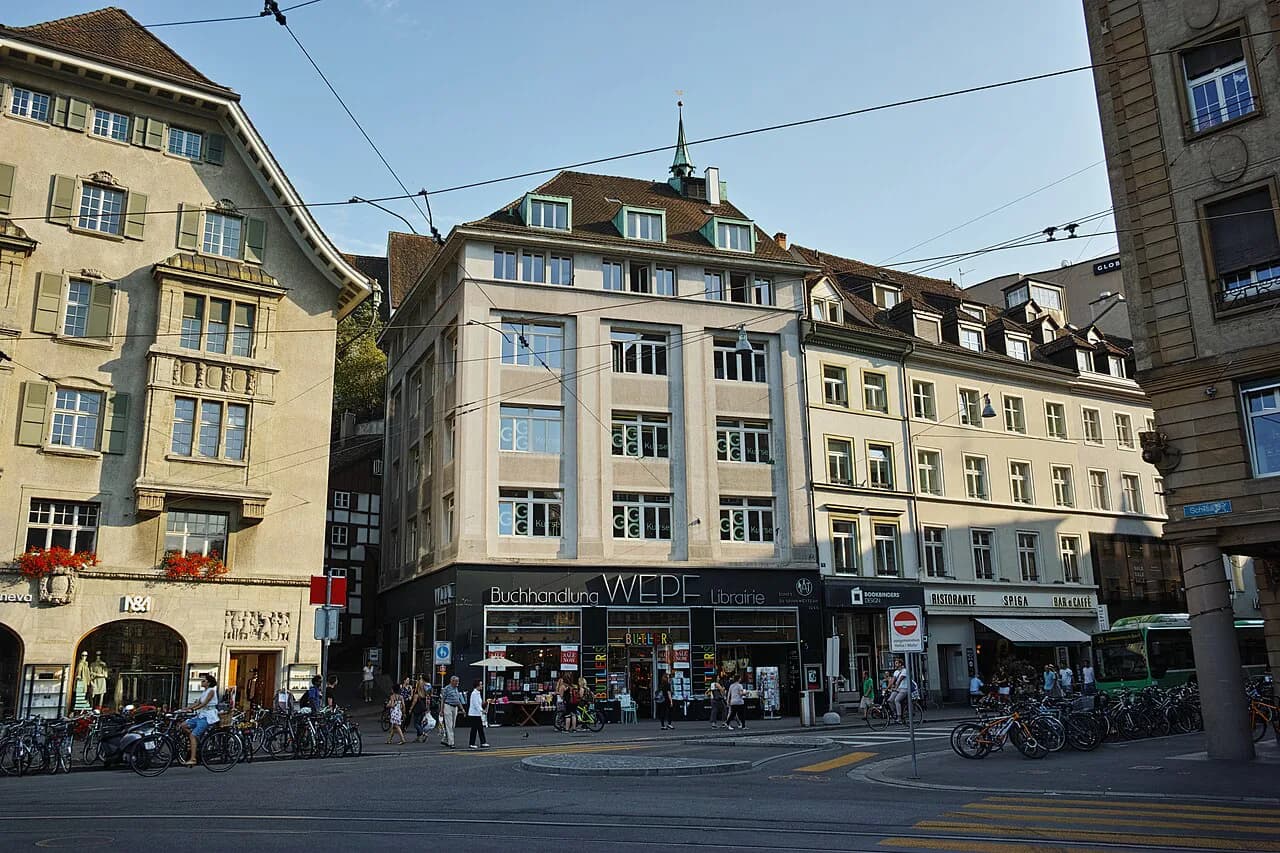
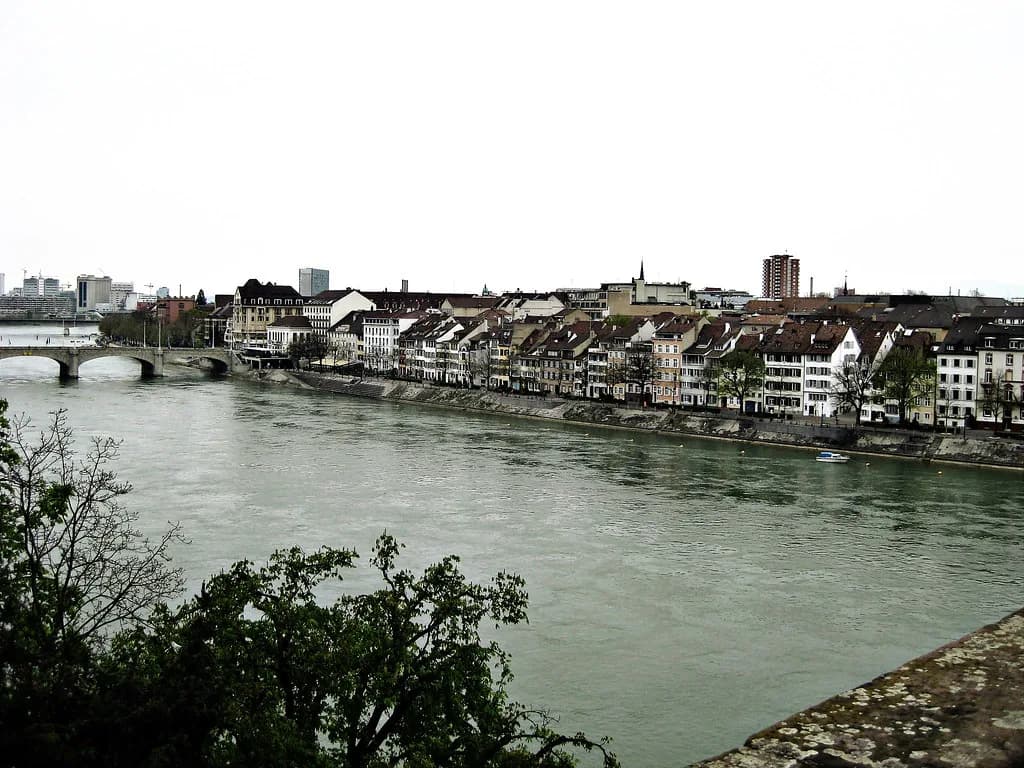
Central Basel is small and flat enough to cross on foot, with the Rhine as the spine and the old town on the southern bank. Bikes and trams outnumber cars in the center, and the main sights cluster within a short radius, so you can link the Minster, the market squares and the bridges without planning transport. That compactness is the single best argument for a short break here.
A sensible shape for a day is to start at Marktplatz and the Rathaus, drift through the old town to Münsterplatz, then cross the river and loop back over a second bridge. Distances are short enough that you will pass the same corner twice and notice things you missed the first time. Because everything sits so close together, a single day covers more ground here than in most Swiss cities.
How Many Days Basel Needs: One Day Versus Two
One day covers the old town, the Minster, the Rathaus, a bridge crossing and one museum. Two days is the better fit if art is the reason you came, because Kunstmuseum Basel alone can absorb half a day and Museum Tinguely rewards a slow visit. Beyond two days you are relying on the region rather than the city itself.
The judgment call is straightforward: add the second day only if you want museums. A second day of walking the same streets adds little, while a second day of Kunstmuseum Basel, Museum Tinguely and the Fondation Beyeler transforms the trip. If you are weighing how to split time, How Many Days in Basel? 1, 2 or 3 Days Compared sets the options side by side.
The Old Town: Basel Minster, Münsterplatz and the Roof
Basel Minster is the city's signature building, and its roof is the reason to look up: an intricate mosaic of dark green, maroon, burnt yellow and off-white tiles covers the whole surface. Entry to the church is free, and you pay extra to climb the tower, which is where the river views open up. The crypt is viewable during the summer months, and the building is rarely open past late afternoon, closing earlier or later depending on the season.
Münsterplatz, the square in front of the Minster, is the natural pause in an old town walk and the point where the terrace above the river gives you the classic view back over the Rhine. Pair the Minster with the surrounding lanes rather than treating it as a quick photo stop, since the tiled roofs and painted facades continue through the streets behind it.
Rathaus and the Marktplatz
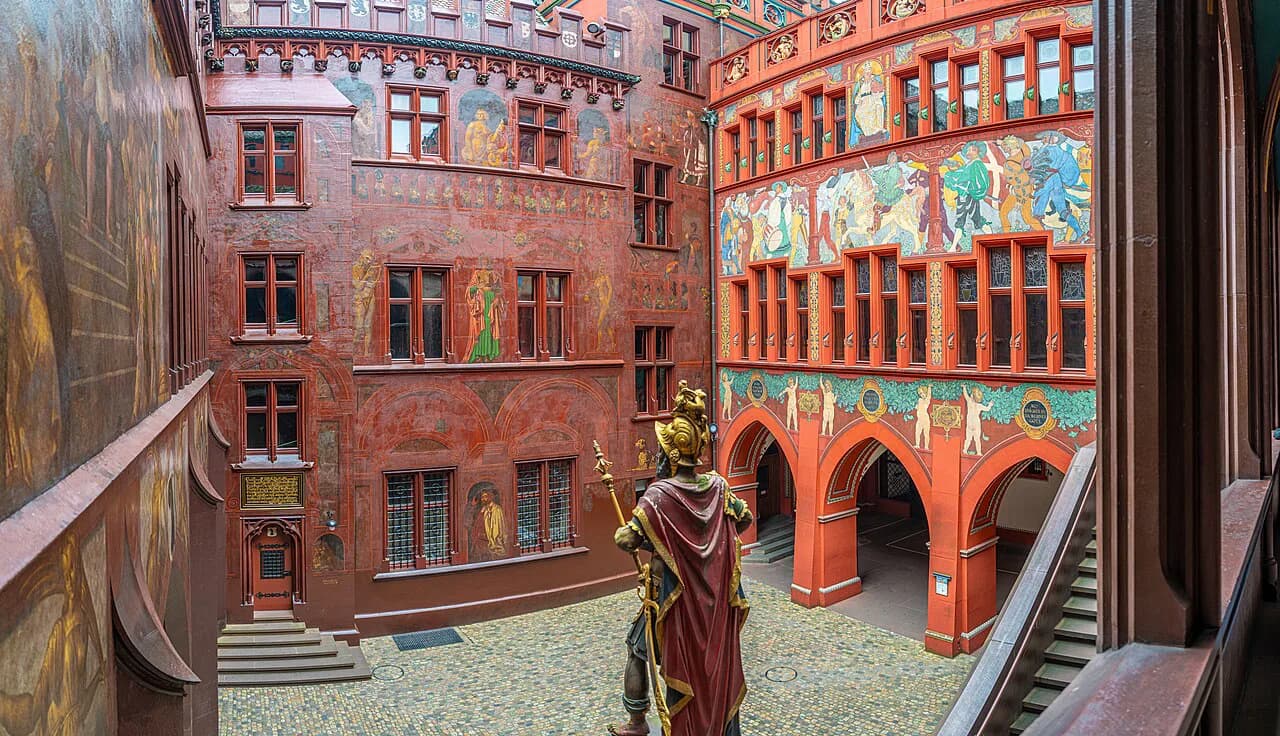
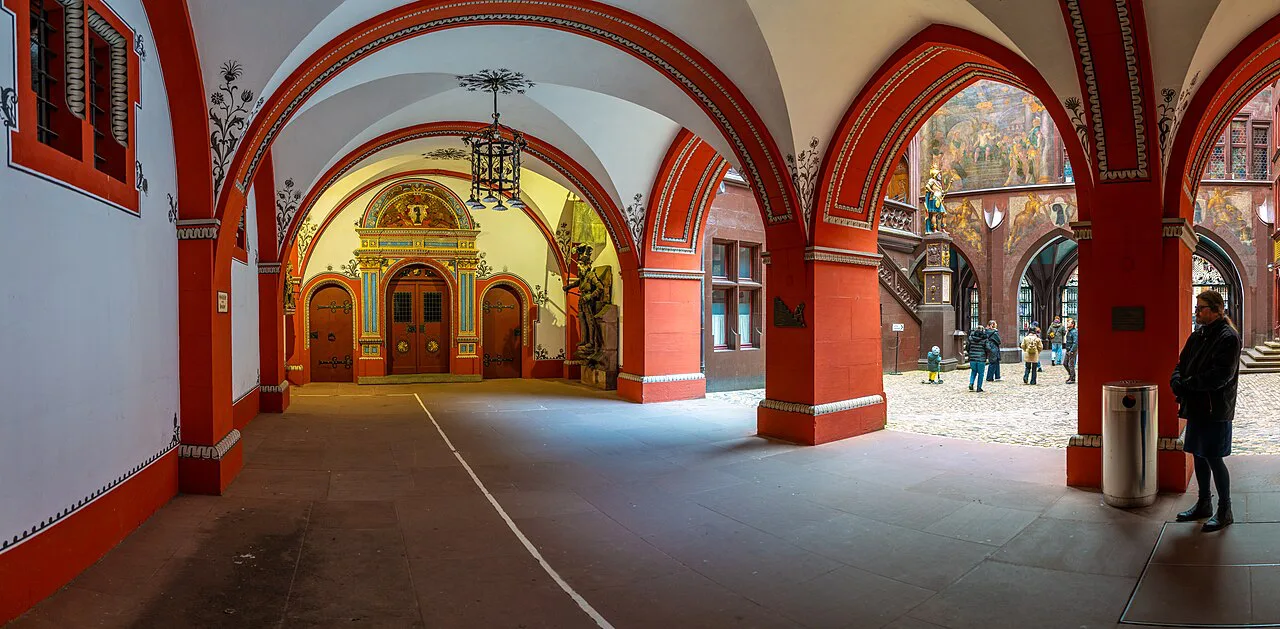
The Rathaus on Marktplatz is the most decorated building in the city, a red, five-hundred-year-old structure whose facade and inner courtyard are covered in painting and sculpture. Walk through one of the three arched doorways into the courtyard, where the decoration is even richer than on the street side. It sits squarely on the market square, so it fits naturally into a morning in the old town.
Viewing is a weekday affair, since the building is closed on weekends, so put the Rathaus on a Tuesday-to-Friday plan and keep weekend time for the Minster and the museums. That single scheduling decision prevents the most common wasted detour in central Basel. Marktplatz is also the tram hub, which makes it a convenient place to start or end a walking loop.
Spalentor and What Remains of the City Walls
Spalentor is the most spectacular of the three surviving city gates, a restored tower with turrets, carvings and the same tiled roof pattern that crowns the Minster. You can walk under or around it, and the ornamentation high on the facade rewards a moment's looking up rather than a quick pass-through. It anchors the western edge of the old town and shows how much of the medieval wall line has disappeared into the modern street plan.
The gate pairs neatly with the Botanical Garden of the University of Basel, a short walk away, making a natural half-mile extension beyond the old town core. Do Spalentor and the garden in the same stretch rather than doubling back later.
Mittlere Brücke and the Rhine Frontage
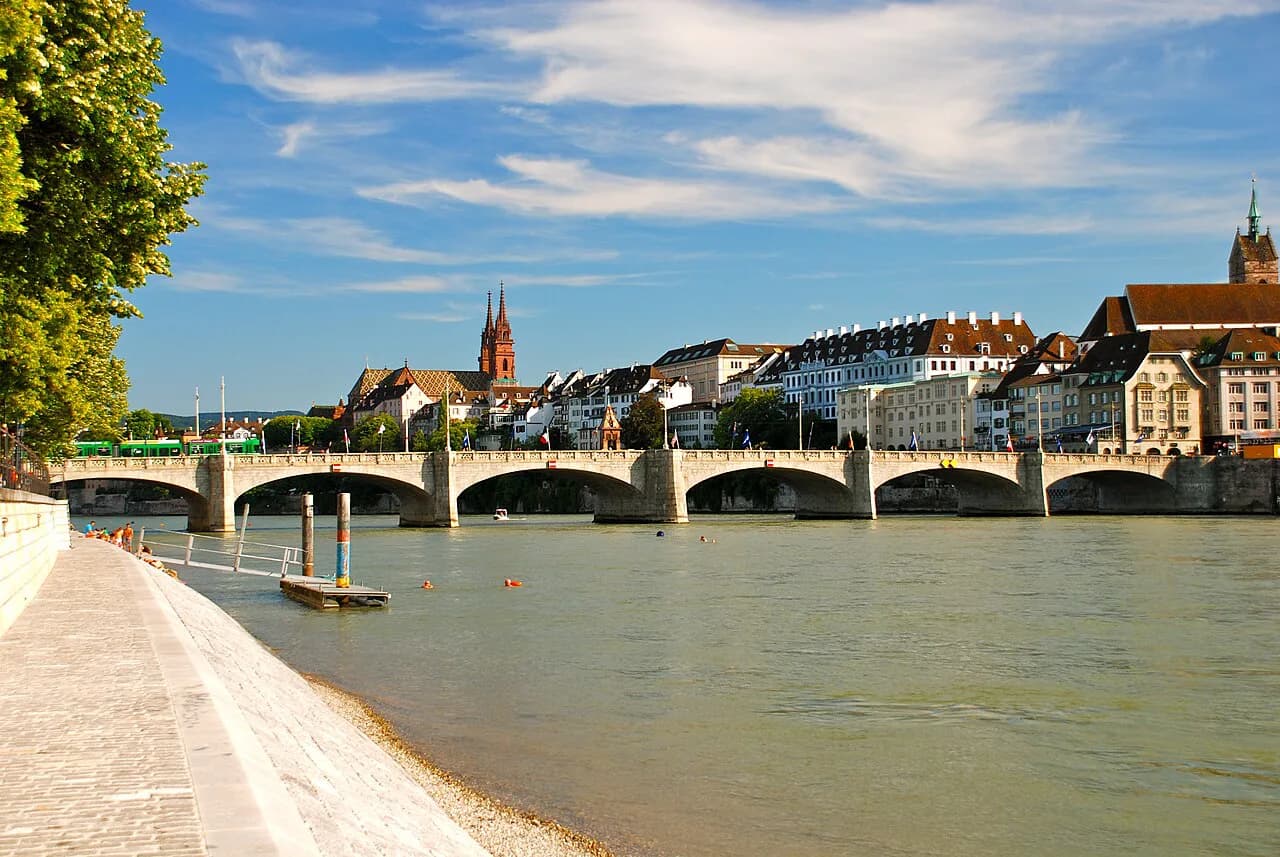
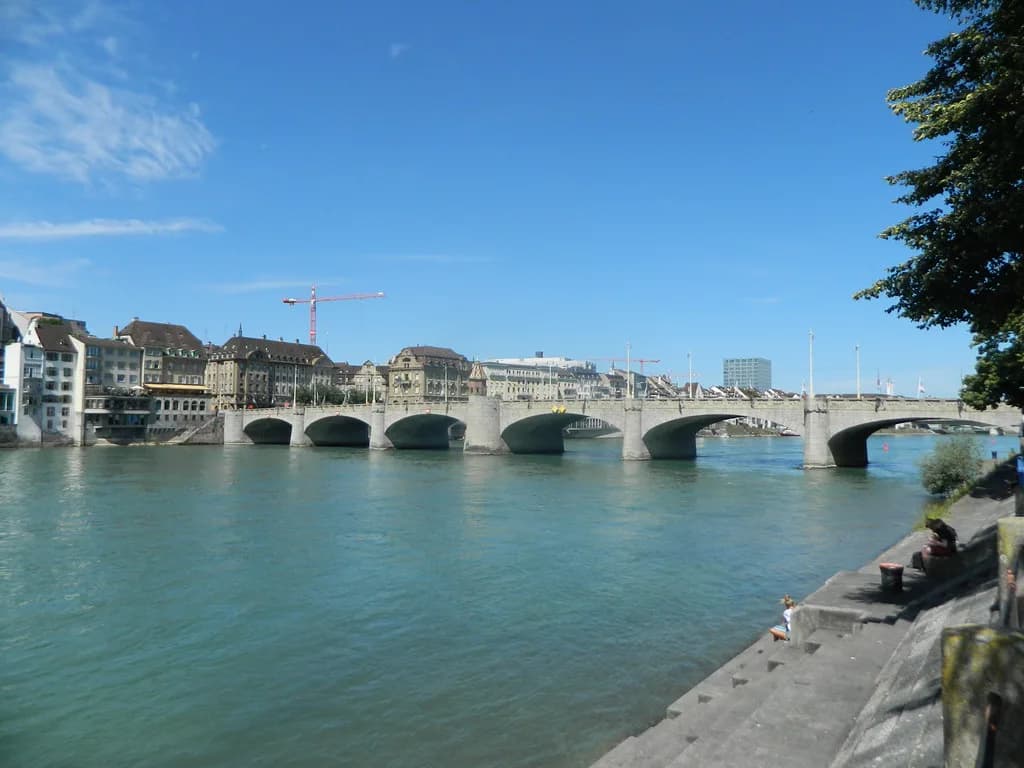
Mittlere Brücke is the historic crossing of the Rhine, in place for over 120 years in its current form with a bridge on the site for centuries before that. Only bikes, buses and trams use it, so you can stand at the middle tower and take in the river without traffic noise. The tiled mosaic on the tower echoes the Minster roof and Spalentor, tying the city's landmarks into one visual family.
Both banks carry riverside bars and cafes with seating close to the water, which makes the Rhine frontage the best place to end an afternoon of walking. Cross once for the view and once for the atmosphere rather than treating the bridge as a route between sights.
Basel's Art: Kunstmuseum Basel, Museum Tinguely and Fondation Beyeler
Kunstmuseum Basel is the anchor of the city's art scene and one of the oldest public art museums in the world, with a collection that grew from a seventeenth-century purchase by the city. It now spans three venues, so check which one holds what you want before setting out. If you see one museum in Basel, this is the one to choose.
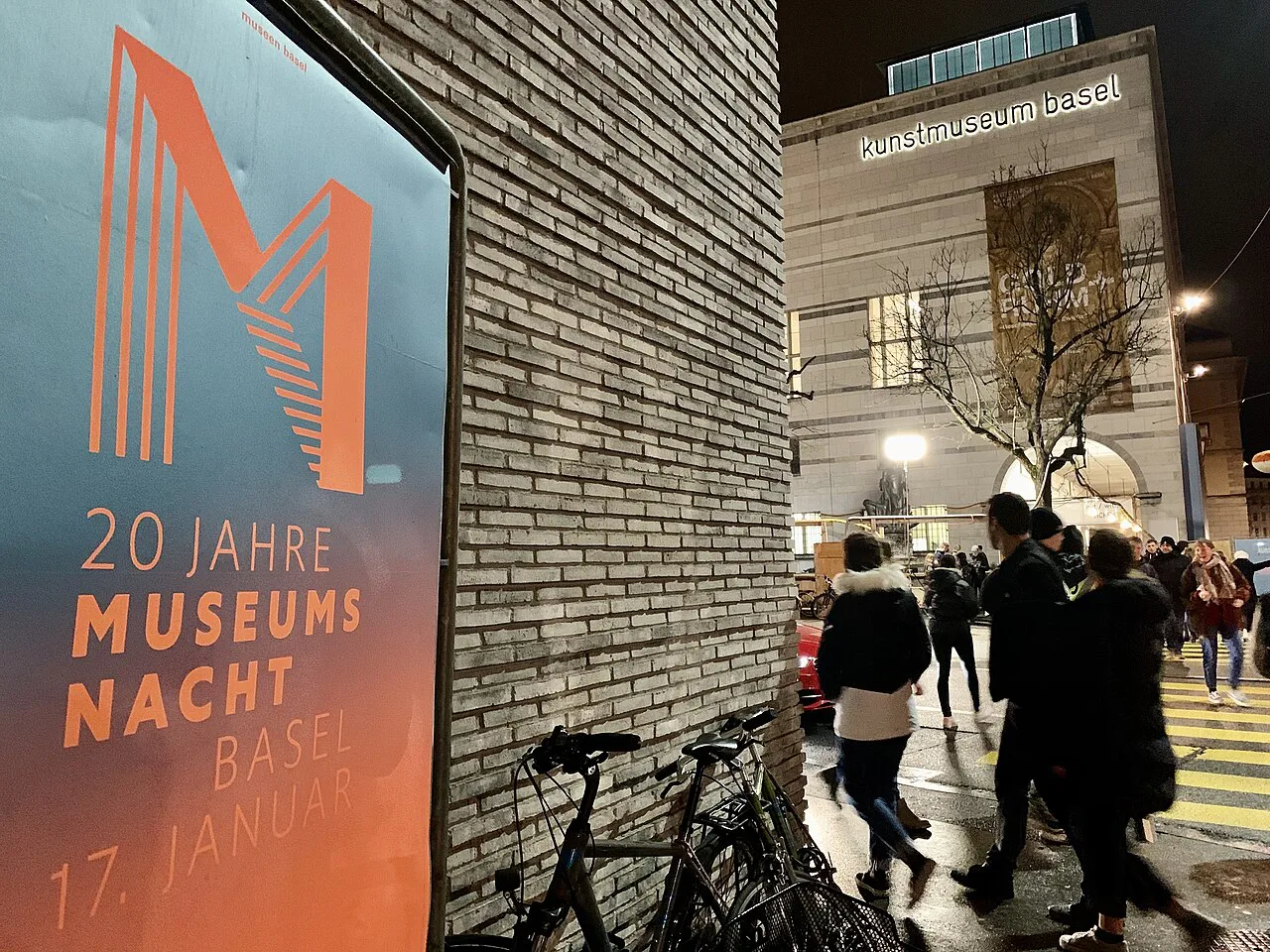
Museum Tinguely, in a Mario Botta building on the Rhine, holds works from every phase of Jean Tinguely's career, including his rattling, sound-making machines. It opens Tuesday to Sunday from 11:00 to 18:00, with Thursdays until 21:00, and entry is 18 CHF. Those hours apply to this museum only, so do not carry them over to the rest of the city's collections.
The Tinguely Fountain on Theaterplatz puts the same playful mechanical idea into the open air at no cost, with metal figures moving in the water. Fondation Beyeler, the third pillar of a serious art weekend, sits outside the center and needs its own slot. A weekend built around these three collections is the strongest case for visiting Basel at all.
Smaller and Quirkier Museums: the Paper Mill, the Cartoon Museum and Natural History
Beyond the headline collections, Basel has a set of smaller museums that suit a rainy half-day. The medieval Paper Mill of Basel houses the Swiss Museum of Paper, Writing and Printing, the Cartoon Museum Basel is nearby, and the Museum of Natural History Basel covers the traditional ground. Pick one that matches your interests rather than trying to tick all three.
Most museums in the city charge somewhere in the range of 10 to 20 CHF per person, which is the figure to budget with unless a specific museum publishes its own rate. Museum Tinguely publishes an entry price. For everything else, check the museum's own page before you go, since the range tells you the scale rather than the exact cost.
Free Things to Do: the Minster, the Botanical Garden and the Fountains
A short break in an expensive country needs free anchors, and Basel has several. Entry to the Minster is free, the Botanical Garden at the university is free and opens from 08:00 most days with the greenhouses from 09:00, and the decorated fountains scattered through the streets cost nothing to find. Those three alone fill a morning.
The fountains are worth treating as a hunt rather than a single sight, since no two are alike and some carry figures such as the basilisk. Spalentor and the city gates are also free to walk under and around. Use these free stops to balance the museum tickets and keep the daily spend reasonable.
Dreiländereck: Standing in Three Countries at Once
Dreiländereck, at the northern tip of the city, is the point where Switzerland, France and Germany meet, marked by a monument with a flag for each country on its sides. It sits well outside the center, so it is a deliberate excursion rather than something to fold into an old town walk. Go if the idea of standing at a tripoint appeals, and skip it if your time is tight.
The walk out to the monument is long, and there is seating at the end for the return. Many travelers find the compact old town a better use of a short break, so weigh the excursion against a museum you would otherwise miss.
What Basel Costs in Swiss Francs, and Where the Money Goes
Basel is expensive by the standards of neighboring France and Germany, and restaurants in particular run higher with fewer budget options. Museum entry sits in the 10 to 20 CHF range for most collections, while Museum Tinguely charges 18 CHF and the Minster and Botanical Garden are free. Budget for food as the biggest variable, because the sightseeing side stays modest.
Discounts exist but should be checked for your specific case rather than assumed. The Swiss Travel Pass and Half Fare Card cover transport in general terms, and some Basel accommodations hand guests a card for local transport, so ask where you book. Neither should be treated as a museum discount unless the museum says so.
The Honest Trade-Offs: Quiet Streets, Weekend Closures and a Short Sight List
The most common complaint about Basel is that it feels quiet, with old town streets and large squares like Münsterplatz surprisingly empty even in high summer. Travelers used to busy European capitals read that emptiness as a lack of energy. If you want noise and constant activity, this is the trade-off you are accepting by coming.
The other structural point is the sight list itself. Basel's compactness is exactly why a day or two covers it, so plan for quality rather than quantity: one major museum, the old town and a river crossing will fill a day well. Attempting a longer stay means adding the region, not more of the city.
Who Will Love Basel and Who Should Give It a Pass
Basel rewards art lovers, architecture watchers and travelers who enjoy a calm, clean, walkable city with well-decorated buildings around every corner. It also suits anyone crossing from Alsace who wants an easy introduction to Switzerland without the crowds of the bigger destinations. If that describes you, two days here will feel well spent.
It suits less well if you want nightlife, constant bustle or a long checklist of famous monuments. If you are comparing Swiss cities, Basel vs Zürich is the useful contrast: Zürich is larger and busier, while Basel is more compact and art-heavy. The same question applies to the capital, so it is worth asking is bern worth visiting before you rule out a quieter alternative. Travelers who need the energy of a major city should treat Basel as a day stop and put their nights elsewhere.
When to Go
Central Basel is walkable year-round, and the main seasonal factor is the Minster's crypt, which is viewable during the summer months. Summer brings the riverside bars and cafe seating along the Rhine into full use, while the free walking sights stay open regardless of season. If the crypt and the riverfront matter to you, plan for the warmer half of the year.
Schedule around the weekday pattern rather than the calendar. The Rathaus is closed on weekends, so a midweek visit keeps it in play, and museum hours should be confirmed before booking anything else. A Tuesday-to-Thursday core gives you the most flexibility.
Plan Your Visit
Basel is worth visiting if you come for art, decorated architecture and a compact old town on the Rhine, and it earns two days from anyone who wants museums rather than one day. The free anchors, the Minster and the Botanical Garden among them, keep costs down, while a museum in the 10 to 20 CHF range or Museum Tinguely at 18 CHF sets the paid side.
If you are still deciding, check how the city compares with alternatives for your dates and then build the days around the sights that actually interest you. Confirm the museum hours and the Minster's seasonal opening before you lock the plan.
Explore more Basel guides
Frequently Asked Questions
Is Basel worth visiting for a first trip to Switzerland?
Yes, if you want art, a compact old town and an easy introduction to the country. Basel is small enough to cover on foot in a day, and two days gives proper time to Kunstmuseum Basel and Museum Tinguely. It is a weaker first stop if you expect a busy, high-energy city with a long list of major monuments.
How many days do you need in Basel?
One day covers the old town, the Minster, the Rathaus, a Rhine crossing and one museum. Add a second day if art is the reason for the trip, since Kunstmuseum Basel, Museum Tinguely and Fondation Beyeler each deserve real time. A third day is better spent elsewhere in the region.
Is Basel expensive compared with France and Germany?
Yes. Prices in Basel run higher than in neighboring France and Germany, and restaurants in particular offer fewer budget options. Museum entry sits in the 10 to 20 CHF range for most collections, while the Minster and the Botanical Garden are free, which helps balance a short break.
What can you do for free in Basel?
Entry to the Minster is free, with an extra charge only for the tower climb. The Botanical Garden at the university is free and opens from 08:00 most days, with greenhouses from 09:00. The decorated public fountains, Spalentor and the other surviving city gates cost nothing to visit.
When is the best time to visit Basel?
Warmer months suit most visitors, when the riverside bars and cafe seating along the Rhine are in use and the Minster crypt is viewable in summer. Plan around the weekday pattern too: the Rathaus is closed on weekends, so a midweek visit keeps it in play.
Is Basel walkable?
Central Basel is compact and flat, with the Rhine as its spine and the old town on the southern bank. Bikes and trams outnumber cars in the center, and the main sights sit within a short radius. You can link Marktplatz, the Rathaus, Münsterplatz and the bridges on foot without planning transport.
Sources
Notes for your Swiss city break
Optional updates to our Swiss city guides.
You might also like
Continue reading
More guides you'll find useful