One Day in Basel: A Walkable Itinerary From Minster to Rhine
One day in Basel fits the Minster, the Markthalle, the old town gates and one museum, all on foot. Here is a realistic route with prices and timing.
On this page
One day in Basel covers the essentials comfortably because the old town is compact: the Münster and the Town Hall on the Grossbasel side in the morning, lunch at the Markthalle, one museum or the Spalentor and Botanical Garden in the afternoon, then the Rhine bridges in the evening. The city sits on the Rhine in northwestern Switzerland, an hour from Zürich and just over the border from France and Germany, and the main sights cluster within minutes of each other on foot. Two days would give the place more room to breathe, but a single well-ordered day reaches the highlights without rushing.
The Shape of the Day: Grossbasel First, the Rhine Last
Plan the morning on the Grossbasel side, the left bank where the Münster, the Town Hall and the Markthalle sit within a few minutes of each other. Cross to the Kleinbasel side later for the Rhine and the evening, so you are never backtracking over a bridge. This geography, not a checklist of attractions, is what makes a one-day visit feel unhurried, and it is the same ordering used in this basel itinerary.
Basel is a walking city: bikes and trams outnumber cars, and the old town has little through traffic, which makes the sights easy to string together on foot. A day covers most of what a short visitor wants, and two days would let you add a second museum or the Dreiländereck without watching the clock. If you are weighing whether the city deserves more than a day, how many days in basel is worth settling; check current transport and museum times before you lock in dates.
Basel Minster: The Mosaic Roof and the Free Entry
The Basel Minster, the Münster, is the city's Gothic cathedral, and the roof is the reason to linger: an intricate mosaic of dark green, maroon, burnt yellow and off-white covers it entirely. Entry is free, and you pay extra to climb the tower steps for the view. It rarely stays open past 4pm or 5pm depending on the season, and the crypt is viewable only during the summer months, so put the Münster early in the day rather than saving it for the end.
Guided tours of the Münster can be arranged for a fee and run mostly on Saturdays, which matters if you want the interior explained rather than simply seen. The square around the cathedral is large and, on a hot summer day, surprisingly quiet, so the visit is calm rather than crowded. Budget around half an hour here, more if you climb the tower.
Basel Town Hall and the Morning Market
Basel Town Hall, the Rathaus, is the most decorated building in the city: a large red facade with gold elements, three arched doorways and an inner courtyard that is more ornate than the front. Walk through the arches and up the steps for a closer look at the decorations, which takes only a few minutes. The cited guide describes the Rathaus as closed on weekends, so treat it as a weekday sight and check the current access before you build the morning around it.
A produce market runs in the mornings by the Town Hall, with food and coffee stalls alongside the stands, which makes it a natural first stop before the Münster. Arrive before mid-morning to catch it at its busiest. If your day falls on a weekend, put the Town Hall courtyard early and keep the rest of the route unchanged.
Lunch at the Markthalle
The Markthalle is an international food hall a few minutes' walk from the train station, which makes it the obvious lunch stop before or after a rail arrival. Stalls cover cuisines from Tibetan momos to Vietnamese noodles to Israeli vegetable dishes, and a dish typically runs about CHF 15 to CHF 22. That is market-hall pricing rather than a bargain, but it is cheaper than most sit-down restaurants in the city.
The stalls do not trade all day: typical hours are 11:30am to 2pm and 6pm to 10pm, and individual stalls vary by day, so time your lunch inside the midday window rather than arriving at 3pm. The hall also has clean public washrooms, a small detail that matters on a walking day. If you want to keep costs down, basel on a budget covers where a day's spending actually goes.
A Short Walking Loop: Fountains and the Spalentor
Between the old town and the museums, a compact loop picks up three named stops. The Tinguely Fountain, a set of kinetic scrap-metal figures that move in the water, sits near the Elisabethkirche in the old town. The public fountains scattered through the streets are each different, and the Basilisk fountain, with its half-rooster, half-dragon creature, is the most distinctive. The Spalentor, one of three remaining city gates and the most spectacular, still shows its carvings, turrets and the same tile roof design found on the Münster.
You can walk under or around the Spalentor, and the restored gate is impressive from either side, so there is no ticket and no queue. Allow twenty minutes for the loop if you are moving briskly. If you have a second day in the city, this is where a slower weekend in basel would add a second museum or more time on the river.
The Botanical Garden: A Free Half-Hour Near the Spalentor
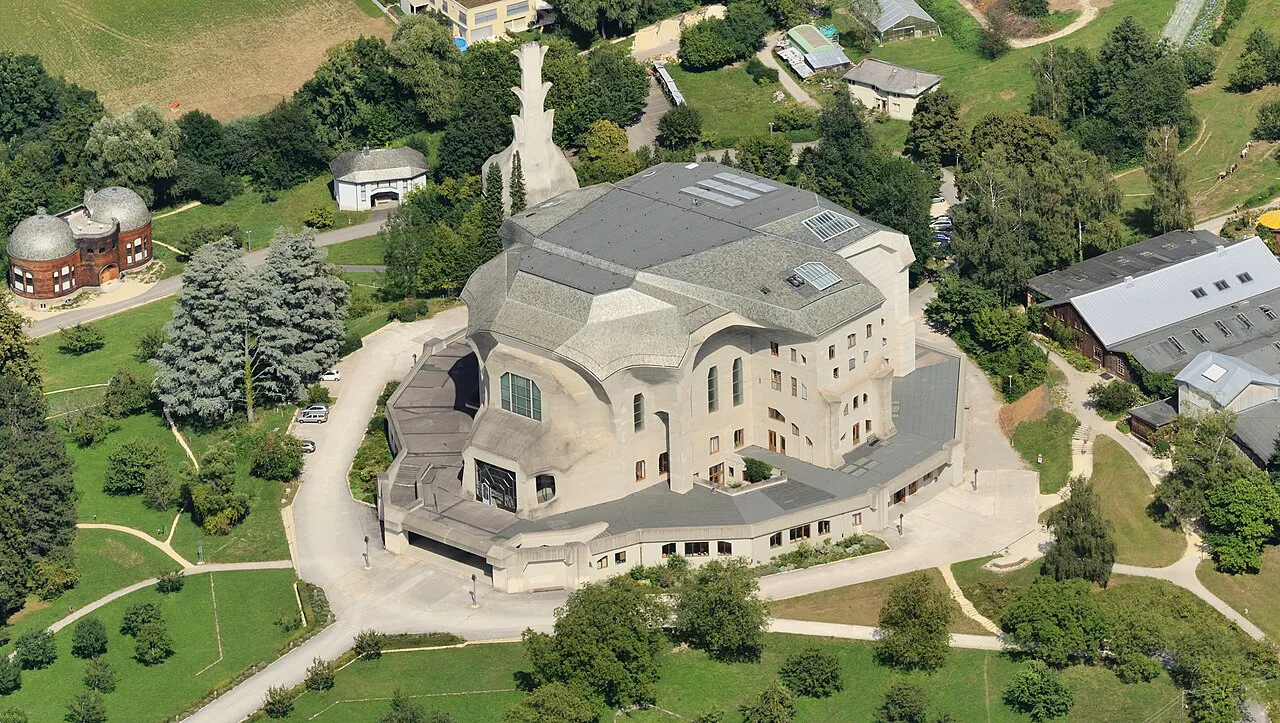
The University of Basel Botanical Garden sits close to the Spalentor, which makes it a natural add-on to the fountain loop. Entry is free, the gardens open from 8am most days and the greenhouses from 9am, and half an hour covers a pleasant walk-through. It is the cheapest way to fill an afternoon gap without committing to a museum ticket.
Treat the garden as the alternative to a second museum rather than an addition to a full afternoon. In summer the greenhouses are the draw; in cooler months the grounds are the quicker visit. Either way it keeps the day free of another entry fee.
Kunstmuseum Basel or Museum Tinguely: The Afternoon Either/Or
The afternoon belongs to one museum, and the choice is between fine art and kinetic machines. Kunstmuseum Basel, one of the great fine-art collections, is spread across three buildings and takes about two hours, more if the special exhibition interests you. It is closed Mondays, opens Tuesday and Thursday to Sunday 10am to 6pm and Wednesday 10am to 8pm, and tickets are CHF 26 with the special exhibition or CHF 16 without.
Museum Tinguely is the other half of the choice: a collection of Jean Tinguely's scrap-metal machines that play music, draw and occasionally self-destruct, with tickets at CHF 18. Allow about two hours, and expect to circle a section twice while a machine runs through its cycle, since activations are usually about five minutes apart. The first exhibition room, with the background on Tinguely, is reached through the gift shop rather than the main galleries, so look for the doors to the right of the ticket desk.
If you are in the city for a longer break, is basel worth visiting sets out what the city does well and how many days it rewards, which helps you decide whether to split the two museums across two days. On a single day, pick one and give it your full attention. The BaselCard halves the ticket at both museums, so carry it either way.
The BaselCard: Half-Price Museums and Free Transport
The BaselCard comes free with a hotel stay in Basel and is handed over at check-in, so it is not something you buy separately. It covers free public transport and guest Wi-Fi, and halves admission at Basel museums, including Kunstmuseum and Museum Tinguely, along with reduced entry to Basel Zoo, Theater Basel tickets bought at the evening box office, guided old-town tours and scheduled cruises. Over a 24-hour stay the cited account put the saving at around CHF 20 per person.
Do not build a budget around the card unless you are staying overnight in the city, because it is issued with accommodation rather than sold at the door. If you are arriving on a day trip from France or Germany, pay full museum prices and plan accordingly. The card is the single biggest reason a one-night stay in Basel can cost less than it appears.
Crossing the Middle Bridge
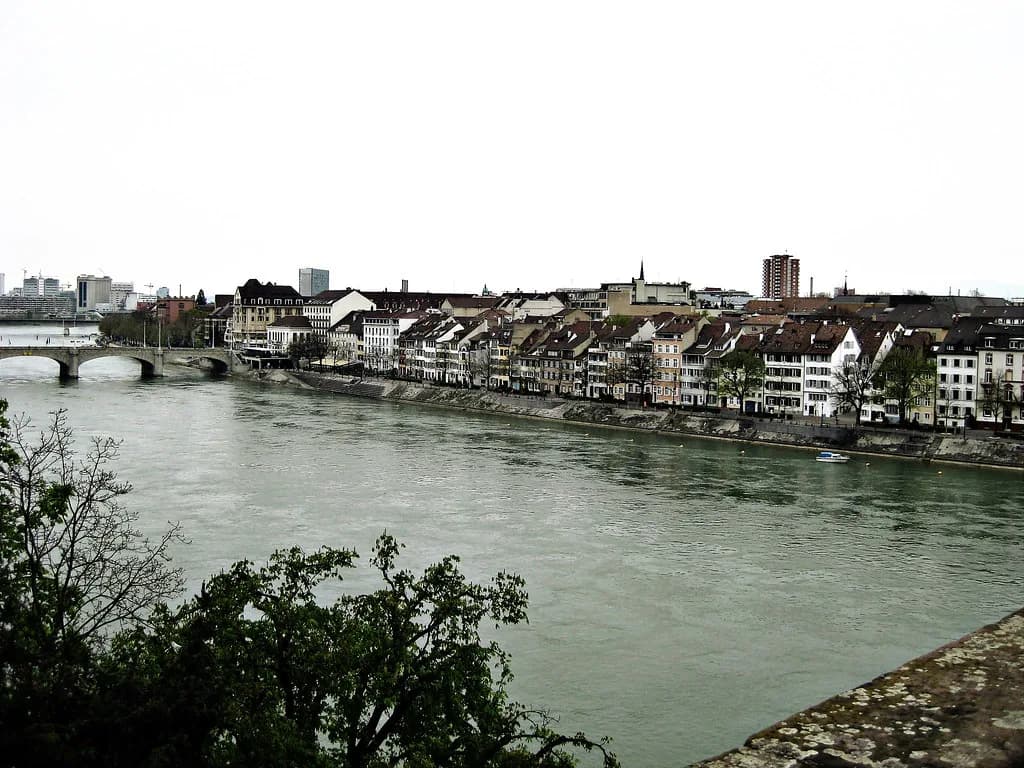
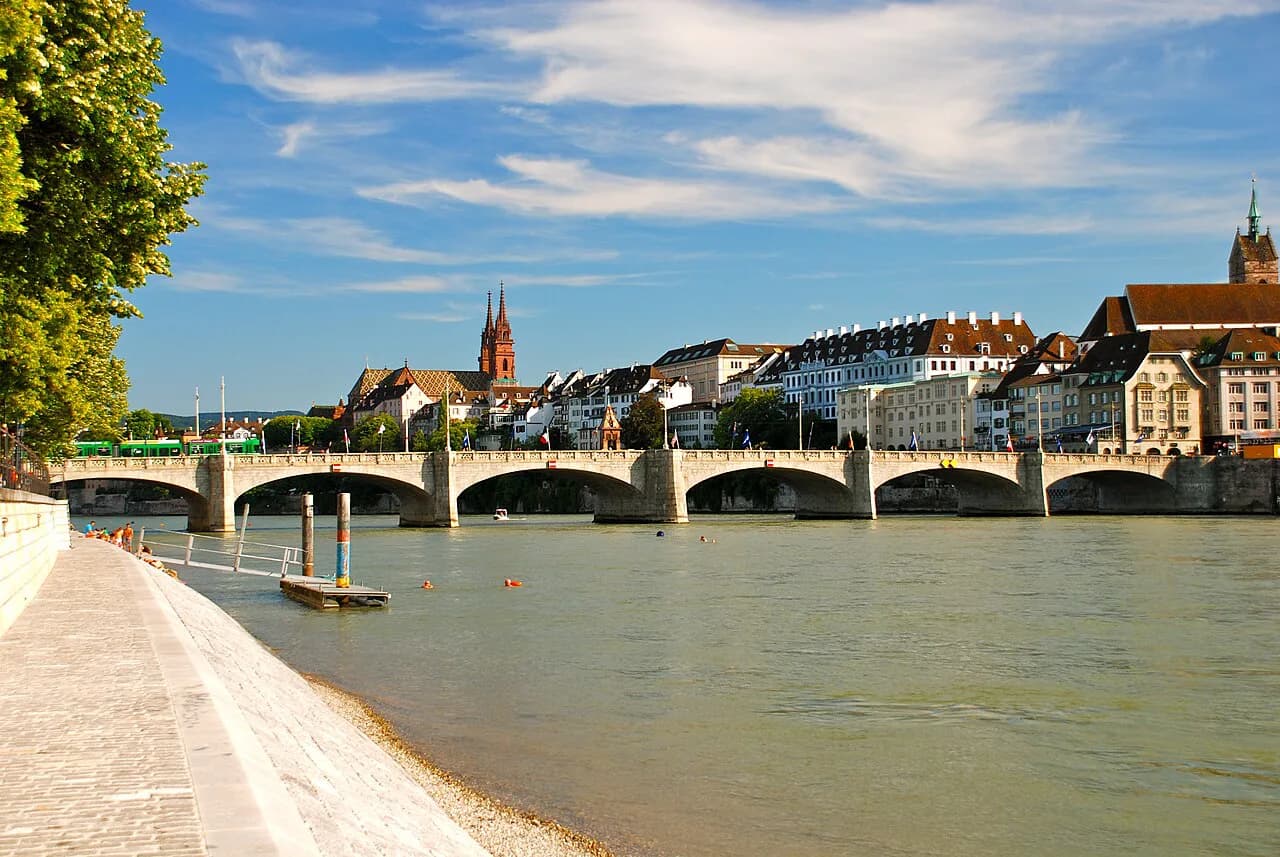
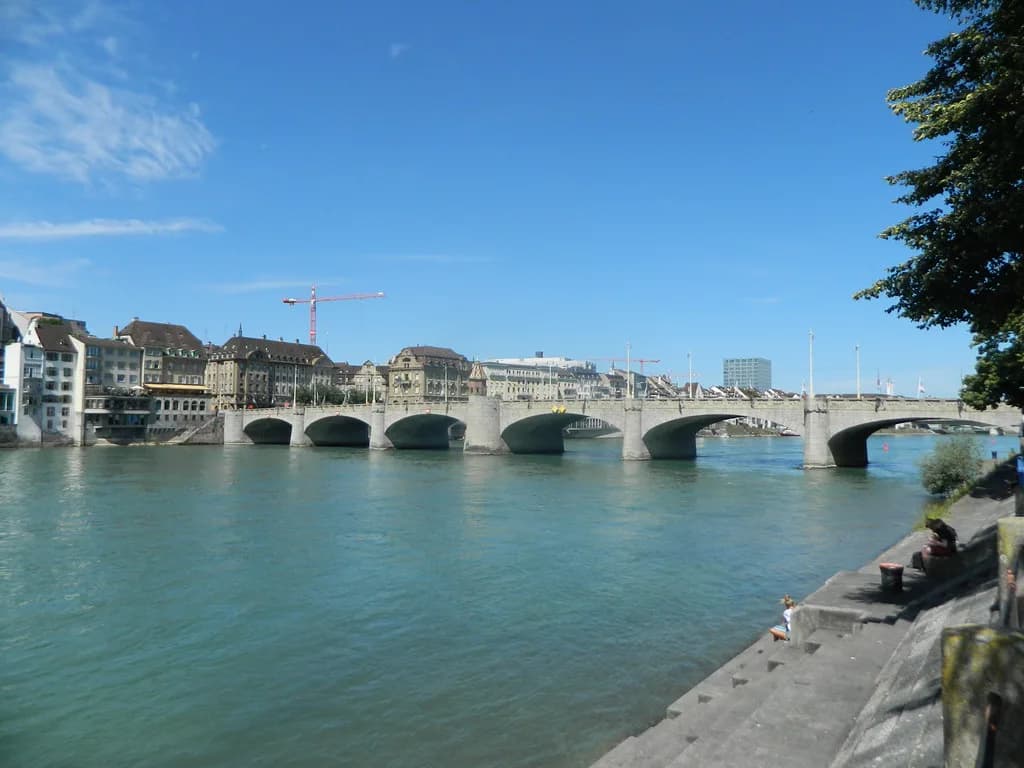
The Middle Bridge, the Mittlere Brücke, is the historic crossing between Grossbasel and Kleinbasel, and the current span has stood for over 120 years on a site where a bridge has crossed for more than 800. Only bikes, buses and trams are allowed on it, so the walk is quiet and the view back over the old town riverfront is the best in the city. Look up at the tower in the middle of the bridge for the same tile mosaic pattern that appears on the Münster and the Spalentor.
Cross on foot rather than by tram, even though the tram is covered by the BaselCard, because the view is the point. Five minutes gets you from one bank to the other. Time the crossing for late afternoon light if the weather cooperates.
Evening on the Rhine: The Float or a Riverside Drink
In summer, the signature Basel evening is floating down the Rhine: the swimming stretch starts at Museum Tinguely and ends at the Dreirosenbrücke, and the current carries you the roughly 45 minutes from start to finish. You need a waterproof bag to keep your belongings dry and to act as flotation, sold at the museum gift shop for about CHF 30, or you can use the riverside bars and cafés between the Middle Bridge and the Dreiländereck for a drink with a view instead. Starting the float by 7pm is a sensible plan.
The float is a summer activity, and the water temperature depends on the season, so it is not a year-round plan. Outside the warm months, the riverside seating is the better use of the evening, and it keeps the one-day route intact. Either way, the day ends on the water rather than in a museum.
Dreiländereck: Worth It Only With Time to Spare
Dreiländereck is the point in northern Basel where Switzerland, France and Germany meet, marked by a rocket-shaped monument with a flag for each country at the end of a long pier. It sits well outside the center, and the walk there and back eats a significant chunk of a one-day visit. On a short trip, skip it in favor of the old town and the Rhine bridges; with a second day, it becomes a reasonable outing, with riverside bars nearby in summer.
The honest trade-off is distance against novelty: standing in three countries at once is a good story, but the old town architecture is what you came for. If you go, combine it with the riverside seating rather than treating it as a separate trip. The monument itself needs only a few minutes.
What Basel Is Not: Quiet Streets and Expensive Meals
Basel is clean, walkable and architecturally rich, but it is not a bustling city: the old town and Cathedral Square can feel almost empty even at the height of summer, and the atmosphere is closer to a large town than a metropolis. Eating out is expensive, and restaurants have fewer budget options than in neighboring France and Germany, so the Markthalle lunch and a self-catered breakfast do more for the budget than hunting for cheap restaurants. If the cost side worries you, is basel expensive lays out real spending in CHF before you commit.
Plan the day around sights and one good museum rather than around meals and shopping, and Basel rewards the approach. That also makes a rainy day easy: swap the fountain loop for a second museum hour. The city's quietness is a feature if you want a calm day and a drawback if you want energy.
The One-Day Versus Two-Day Call
One day in Basel reaches the Münster, the Town Hall, the Markthalle, the Spalentor, one museum and an evening on the Rhine, which is a full and honest day. Two days add the second museum, the Botanical Garden without hurrying and the Dreiländereck, and they let the city's quiet pace work for you instead of against you. Travelers comparing cities should weigh basel vs zurich on what each offers for the same length of stay.
The practical test is museum count: if both Kunstmuseum and Museum Tinguely appeal, you need two days, because neither fits into an afternoon alongside the old town. If one is enough, a single day is the right shape. Basel Attractions collects the individual sight guides if you want to expand any single stop.
Plan Your Day in Basel
Start at the Markthalle or the Town Hall market, take the Münster before mid-afternoon, choose one museum for the afternoon and finish on the Middle Bridge or in the Rhine. That order keeps the walking short and the day calm, and it leaves the expensive meal out of the middle of your budget. Check the Münster and Kunstmuseum times for the day you are visiting, and carry the BaselCard if you are staying overnight.
If you have time for one more stop, the Botanical Garden is free and half an hour from the Spalentor, and the Markthalle washrooms make a useful midday pause. If your trip continues east, one day in lucerne works as a natural next city in the same walking format.
Explore more Basel guides
Frequently Asked Questions
Is one day enough for Basel?
Yes for the core sights: the Münster, the Town Hall, the Markthalle, the Spalentor and one museum fit into a walking day, with the Rhine bridges in the evening. Two days add a second museum, the Botanical Garden and the Dreiländereck without hurrying.
What is closed on Mondays in Basel?
Kunstmuseum Basel is closed Mondays. Plan the fine-art visit for Tuesday to Sunday, or take the Monday slot for Museum Tinguely instead and keep the rest of the route unchanged.
Should you visit Kunstmuseum Basel or Museum Tinguely?
Kunstmuseum Basel suits a fine-art day and takes about two hours across its three buildings; Museum Tinguely suits an interactive, kinetic afternoon with machines that run on timers. Both take roughly two hours, so a single day fits only one.
Do you need the BaselCard?
The BaselCard comes with a hotel stay in Basel and covers free public transport plus half-price museum admission, so it is worth having if you sleep in the city. It is not sold separately, so day-trippers pay full price at the museums.
Can you walk Basel's old town in a day?
Yes. The Münster, Town Hall, Markthalle, fountains, Spalentor and Middle Bridge are all within minutes of each other on foot, and bikes and trams outnumber cars in the old town.
Is the Rhine float possible on a one-day visit?
In summer, yes: the float runs from Museum Tinguely to the Dreirosenbrücke and takes roughly 45 minutes in the water. You need a waterproof bag for your belongings, which the museum gift shop sells.
Sources
Notes for your Swiss city break
Optional updates to our Swiss city guides.
You might also like
Continue reading
More guides you'll find useful