Switzerland in June: Which Cities Work Best for Your Trip
June in Switzerland brings mild days, long evenings and green valleys. See typical weather, which cities suit a short break and what to plan around.
On this page
June is one of the best months for a Swiss city break: days are long, valleys are green, and the highest peaks still hold snow, so you get two landscapes in one trip. Typical June daytime temperatures sit around 18–25°C (64–77°F), which is comfortable for walking a compact old town and sitting outside afterward.
The trade-off is that June weather swings: a warm, sunny afternoon can follow a foggy or wet morning, and views from a mountain viewpoint are never guaranteed on any given day. Plan city time that works in any weather and treat a clear summit as a bonus rather than the centerpiece.
Why June Works for a Swiss City Break
June sits before the heaviest summer crowds, and the very long daylight hours let you see a city in the evening and still have dinner at a reasonable hour. That combination rewards a short break built around two or three compact cities rather than a single mountain base. If you're weighing June against other months, the best time to visit Switzerland for a city break covers how spring, summer and autumn each behave.
Is June a good time to visit Switzerland? Yes. June brings mild daytime temperatures, green valleys and very long evenings, with snow still on the highest peaks.
What is the typical temperature in Switzerland in June? Typical June daytime temperatures run around 18–25°C (64–77°F) in the lower areas, which is comfortable for walking and outdoor cafés. Evenings are cooler, especially on lakes and at altitude, so bring a light jacket.
Is there snow in Switzerland in June? Yes, but mainly at high elevation. Peaks such as Jungfraujoch and Glacier 3000 still hold snow in June, while towns and valleys are green and full of wildflowers.
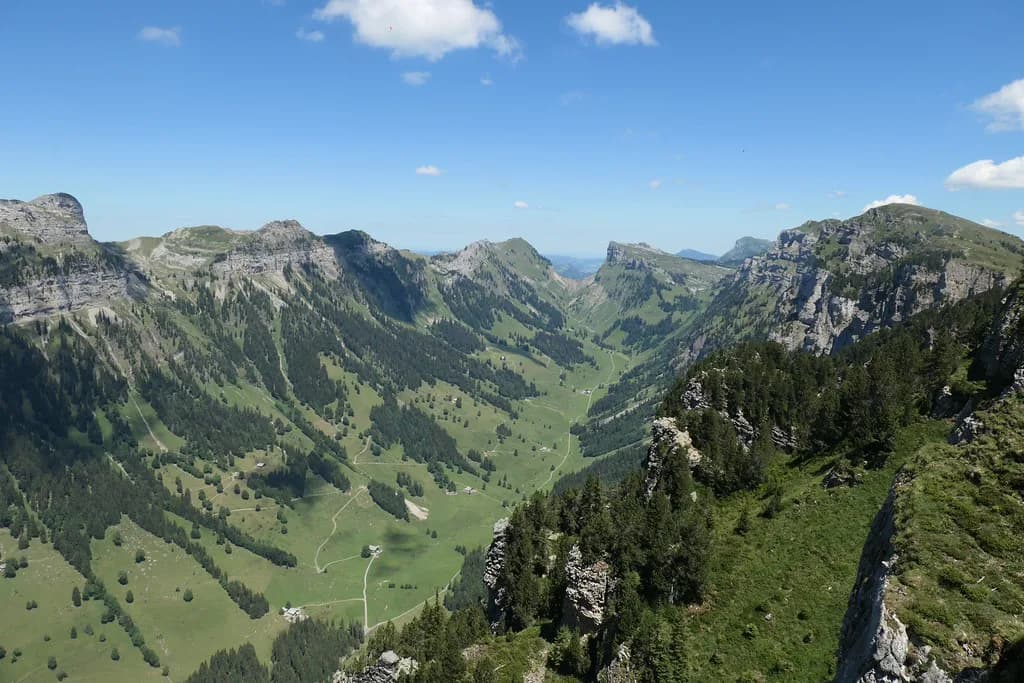
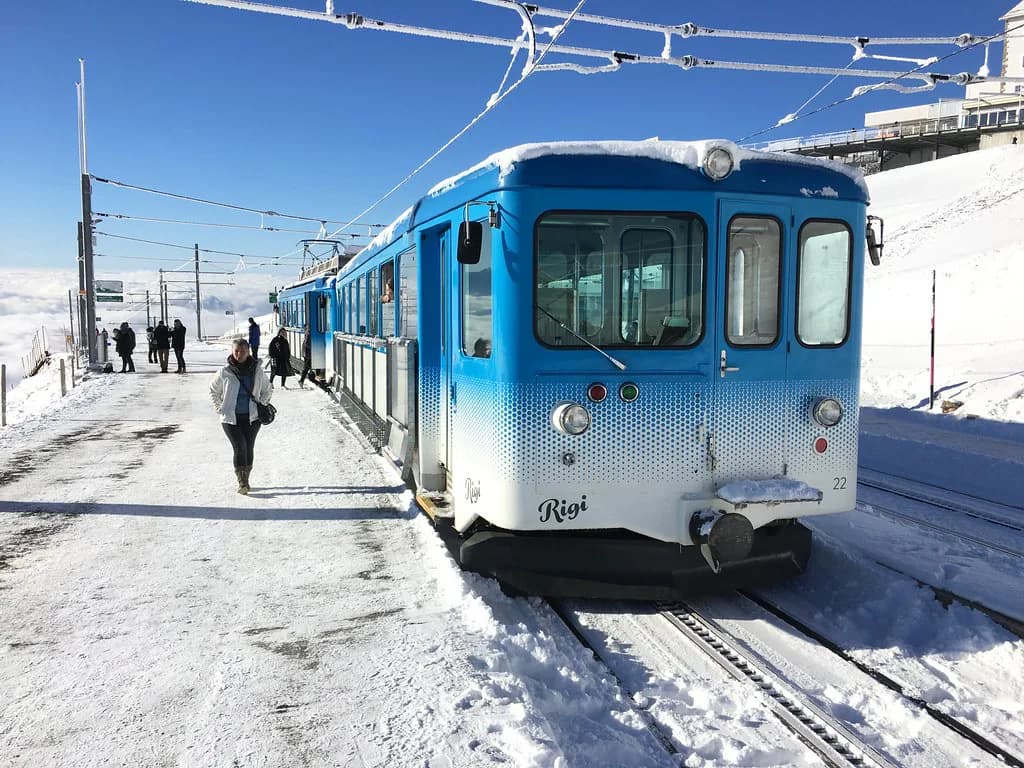
Because the valleys are green and the high peaks still carry snow, June lets a single trip mix lakeside promenades with a cogwheel railway or cable car up to snow. Just keep the mountain day flexible: if the summit is in cloud, swap in a museum or an old-town walk and try again the next morning.
Switzerland is expensive in any month, so the practical question is how to keep a June week predictable: pick cities you can walk, use one scenic mountain day, and leave slack for a wet afternoon. Readers comparing spring months can also read how Switzerland in April handles the earlier shoulder season.
June Weather in the Cities: What to Expect and Pack
City temperatures in June are mild rather than hot, with the cited range of roughly 18–25°C (64–77°F) covering most daytime hours. Evenings cool down noticeably, so a light jacket earns its place in the bag alongside short sleeves.
Pack for mixed conditions: comfortable walking shoes, a compact rain layer and something warm for a lake boat or an evening promenade. Travelers comparing June with high summer should know that crowds and weather in late June and mid-August run broadly similar, with a mix of warm, sunny and foggy or rainy days in both.
Switzerland has four national languages, German, French, Italian and Romansh, and English is widely used in places that see visitors. That makes a multi-city June route across language regions straightforward: you can cross from German-speaking Lucerne or Zürich into French-speaking Bern, Montreux or Neuchâtel without changing your planning approach.
Snow at Altitude Versus Green Valleys
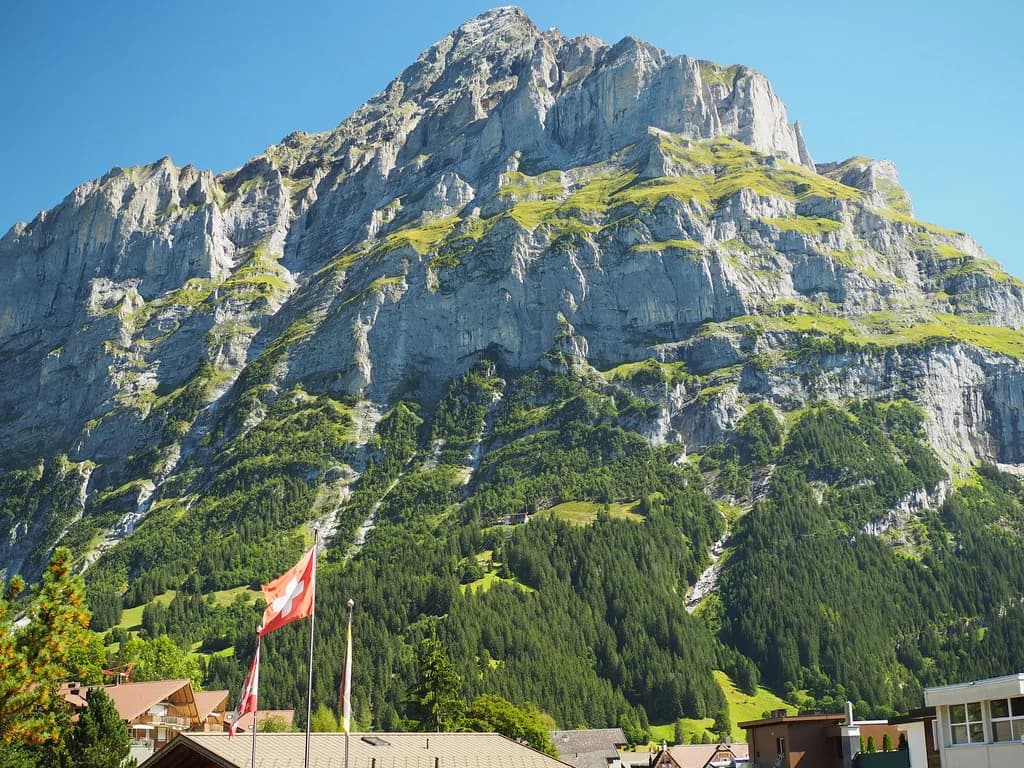
June is a month of two elevations. Towns and valleys are green and full of wildflowers, while high mountains such as Jungfraujoch and Glacier 3000 still hold substantial snow, so a summit trip can feel like winter while the valley below feels like early summer.
Read that as a planning cue rather than a promise: dress in layers for a summit day and keep a valley alternative ready. Lower-level walking around lakes and through old towns is at its best in June, and you don't need high altitude to get the scenery.
One practical consequence is that you should avoid building a short trip around a single high viewpoint. Give yourself two possible mountain mornings and let the clearer one win; if both are cloudy, the cities carry the trip on their own.
Lucerne in June: Chapel Bridge, Lake and Mount Pilatus
Lucerne combines a compact old town with a lake and a mountain in a way few Swiss cities manage. Walk the Kapellbrücke (Chapel Bridge), follow the lakefront, and take the cogwheel railway up Mount Pilatus, which the source describes as the world's steepest cogwheel railway.
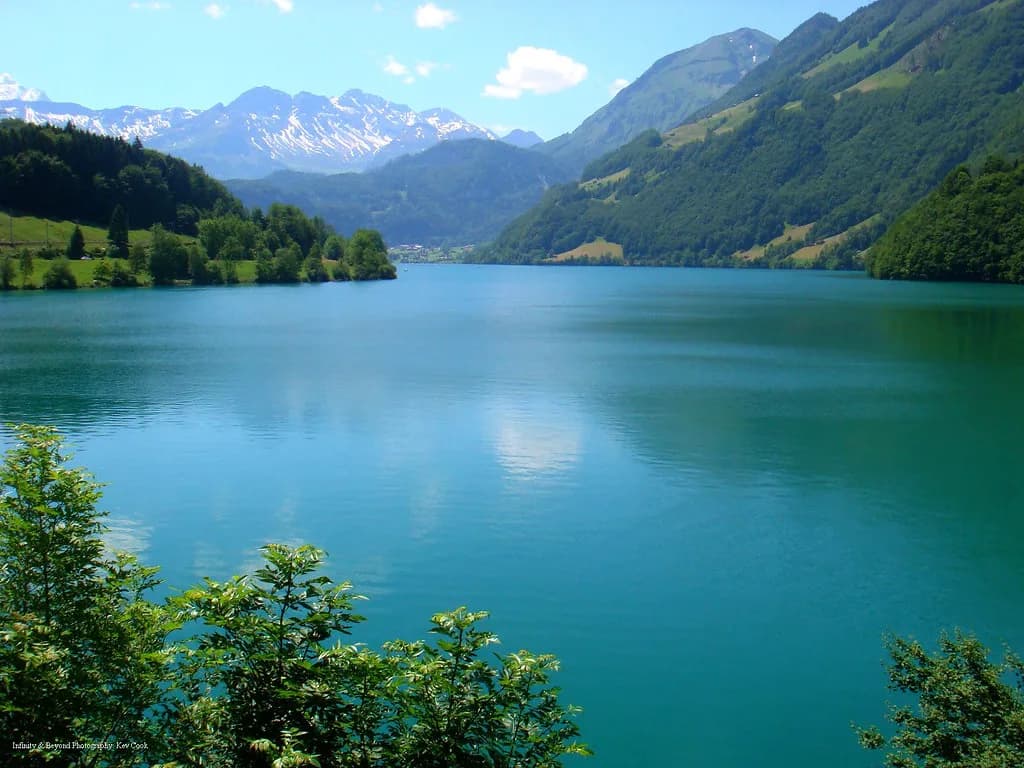
In June the lake is the point: a boat cruise on Lake Lucerne is a relaxed way to spend a sunny afternoon, and it works even when the peaks are in cloud. Pair it with old-town time so a single day covers both the water and the streets.
Lucerne earns a full day, more if you add Pilatus. Because the mountain is the weather-dependent piece, put the city and the lake first and hold the railway for the clearest morning of your stay.
Bern in June: Old Town, Zytglogge and Outdoor Café Life
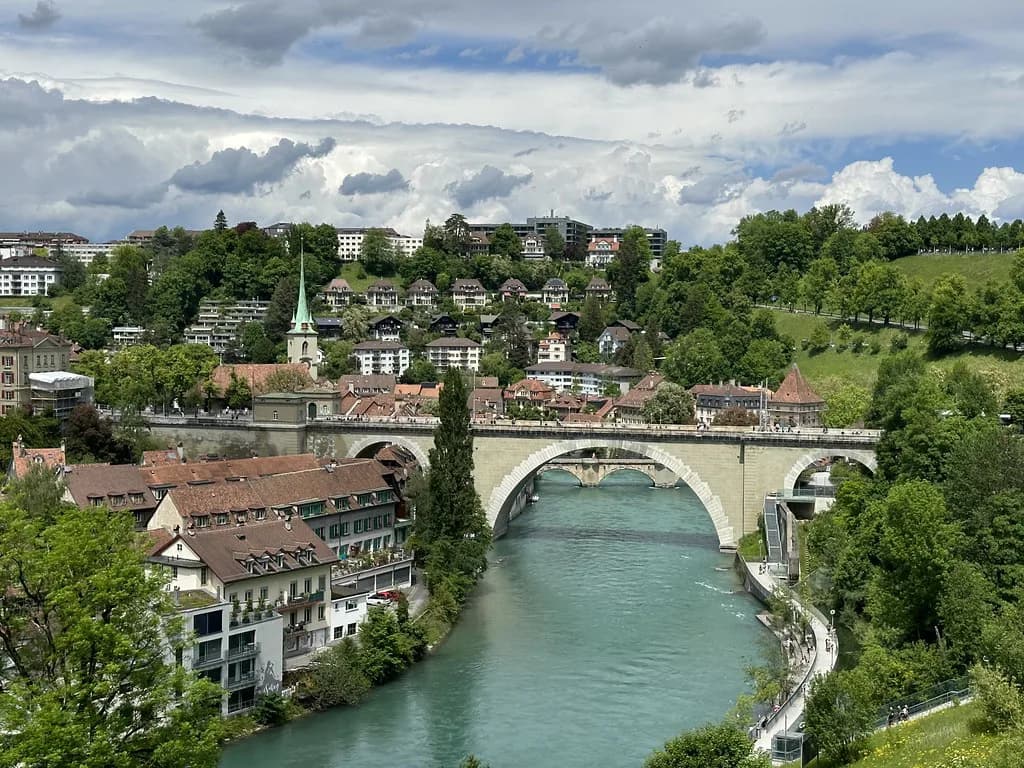
Bern is underrated as a June stop, and its UNESCO-listed Old Town is easy to walk in a few hours. See the Zytglogge clock tower, follow the arcaded streets, and take a table at one of the outdoor cafés when the sun is out.
Bern works well as a half-day anchor between larger stops because the historic center is compact and the mood is unhurried. Give it half a day to a full day depending on how much time you want in the arcades and along the river.
As a French-speaking city in a mostly German-speaking country, Bern is also an easy place to notice the language shift on a multi-city route. That makes it a natural bridge between Lucerne and the Lake Geneva side of a June trip.
Zürich in June: Lakeside Time, Zoo Zurich and Museum Days
Zürich has a business reputation, but in June it is a lakeside city first: the lakefront and Lake Zurich boat rides are the reason to be outside. Zoo Zurich is a solid family option, and the city's museums give you a real fallback when rain moves in. If you want the month's events and day-by-day shape, see our Zürich city guide.
Zürich is also the easiest first stop for many arrivals and works well as a one- or two-night anchor before heading south or west. Keep one indoor block in the plan so a wet day costs you nothing.
The trade-off is that a June day in Zürich can be split between lake and museum, and doing both means choosing quality over quantity. Pick one outdoor plan and one indoor plan rather than racing between several.
Montreux in June: Lake Geneva and Château de Chillon
Montreux sits on Lake Geneva (Lac Léman) with a shoreline made for slow walking in June, and Château de Chillon, the lakeside castle, is the region's signature sight. The town is also known for its Jazz Festival, which is a reason June and early summer draw visitors.
Montreux suits a relaxed day rather than a packed one: promenade, castle, and an evening by the water. If you're comparing warm-weather months on the lake, Switzerland in May and Switzerland in July show how the same shoreline changes on either side of June.
Plan the castle for the part of the day when you want to be indoors, and leave the promenade for the long June evening. That way a cloudy afternoon doesn't cost you the best light.
Zermatt in June: Gornergrat Railway and the Matterhorn
Zermatt's draw is the Matterhorn, and in June the Gornergrat Railway gives the classic view of the peak along with the surrounding high terrain. Lower-altitude trails are open by early June, while higher routes still carry snow, so walking is best kept low.
The railway is the safest way to get a big view in mixed weather because it runs regardless of cloud, even if the summit itself is hidden. Build your day around one railway ride and one low walk rather than ambitious high routes. Readers who want the full picture of the resort town this month can read the dedicated guide to Zermatt in June.
Zermatt also fits a wider alpine plan: a six-day June itinerary pairing St. Moritz and Zermatt, or Chur and Interlaken as an alternative, is a known shape for a trip. That confirms Zermatt works best with a night or two on the ground rather than as a rushed day trip from Zürich.
Interlaken and the Lauterbrunnen Valley
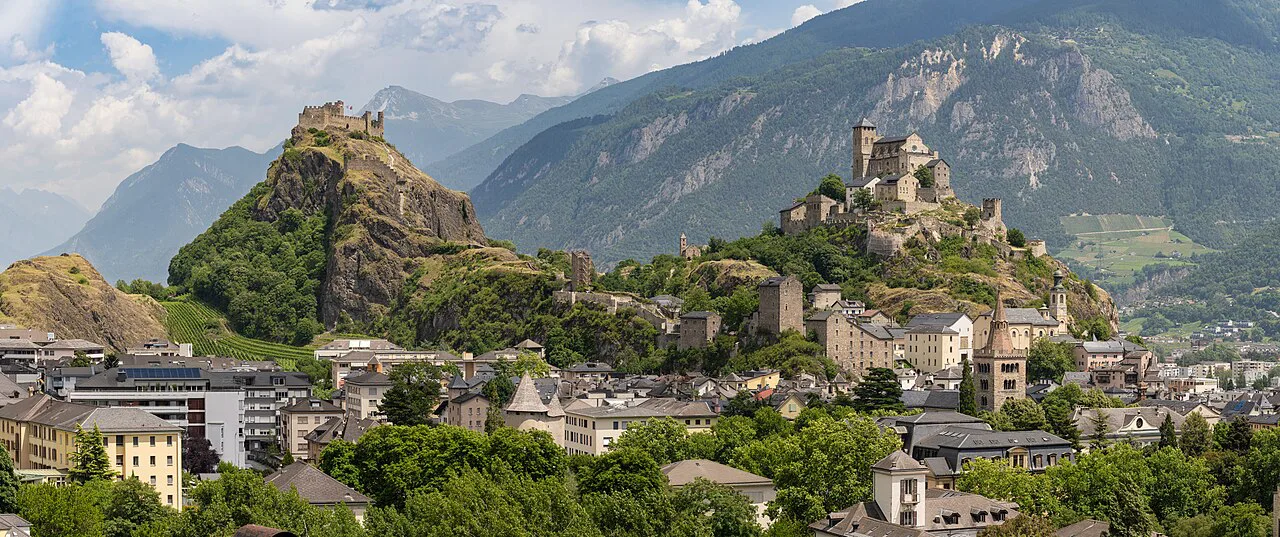
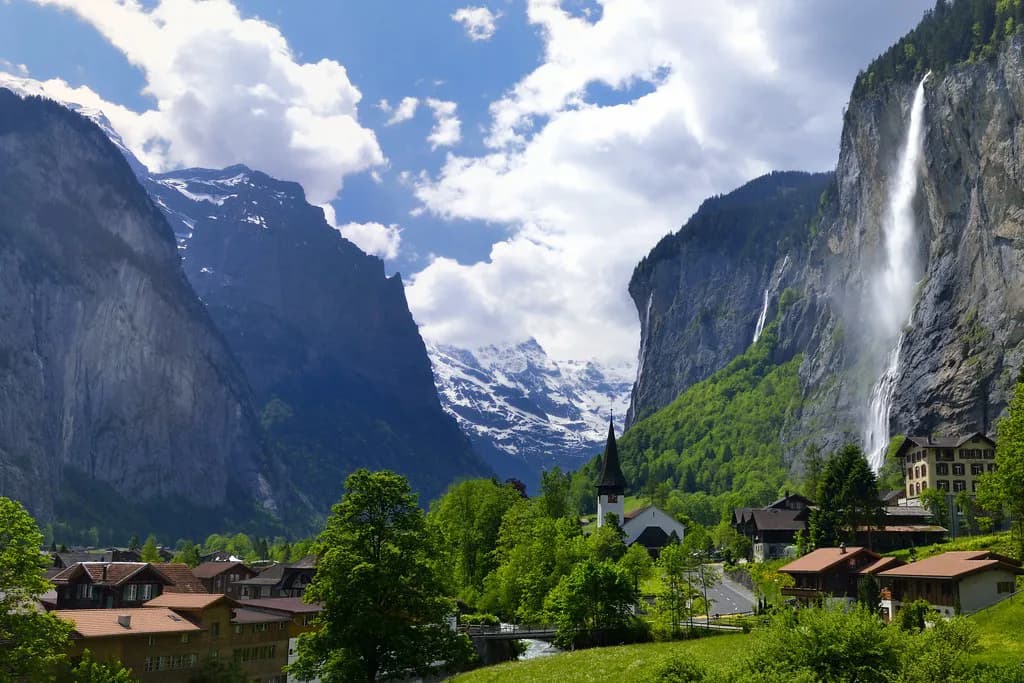
Interlaken is a practical hub in June for the valleys around it, and it is also a base for paragliding and for reaching Jungfraujoch and Lake Thun. The nearby Lauterbrunnen valley is the scenic highlight, with the Staubbach and Trümmelbach waterfalls in a valley walled by cliffs.
Give the valley a full day: the waterfalls, the valley floor and the village time add up quickly. Interlaken itself is better as a place to sleep and sort logistics than as a sight in its own right.
Events to Know About in June
June carries a few events worth building a trip around. The Fête de la Musique in Geneva takes place on June 21, with performances across many genres, and the Greenfield Festival near Interlaken brings well-known bands to the Alps.
Mountain villages also mark the summer solstice with traditional bonfires around the longest day of the year. Treat these as atmosphere rather than a fixed schedule, and confirm dates and locations with the organiser or the local tourist office before you build a route entirely around one.
If you're choosing between June and later summer, note that a festival calendar shifts the crowd picture: event weekends can fill a small town even when the month overall is calmer. Decide whether you want the event or the quiet, because you rarely get both in the same place.
Rainy Days and Shoulder-Season Trade-offs
A mixed June week is normal: expect some warm and sunny days and some foggy or rainy ones, and plan so that one wet day doesn't wreck the trip. The fix is to pair each city with an indoor anchor, such as a museum or a castle, that you can swap in without rebooking anything.
The honest trade-off is between long daylight and unreliable mountain views. June gives you the longest evenings of the season, which is ideal for cities and lakes, but the same weather systems that keep the valleys green hide the peaks. Accept that and the month rewards you.
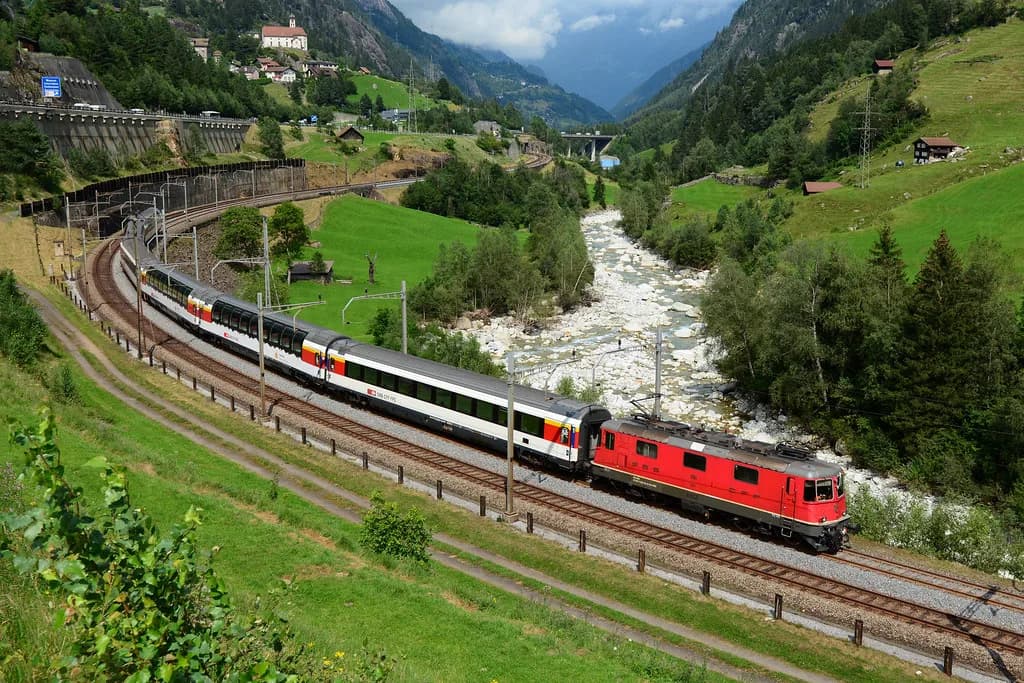
Scenic rail routes such as the Glacier Express, Bernina Express and GoldenPass Line are popular in June because the landscape is at its greenest, but they are year-round services rather than June-only attractions. Treat a panoramic train as a weather-flexible indoor-with-a-view day.
How Many Days Each City Needs
Rough planning: Zürich and Lucerne each want one full day and a night, Bern a half to full day, Montreux a relaxed day, and Zermatt a night or two because the journey in and out eats time. Interlaken and Lauterbrunnen together deserve a full day, more if you add a mountain.
A workable June shape is three cities over five or six days, with one mountain day slotted in where the forecast looks best. Trying to add Zermatt as a day trip from Zürich is the classic mistake, because the travel time leaves too little of the day for the actual place.
If you only have three or four days, choose one language region: Lucerne plus Bern plus a mountain, or Montreux plus a Lake Geneva day. Fewer moves make a June trip feel like a break rather than a logistics exercise.
Money and Passes: Keeping June Costs Predictable
Switzerland is expensive, and June does not change that. The reliable way to control costs is to choose a small number of bases, walk the compact old towns, and treat cable cars, cogwheel railways and castles as the planned splurges rather than add-ons decided on the day.
Rail passes and discount cards can change what a mountain day costs, but the terms vary by route, so check the fare and pass conditions for each specific journey before you commit. Set a daily budget in Swiss francs and keep a small buffer for the one clear-weather day you'll want to spend on a summit.
Booking accommodation early helps in popular spots, and June's calmer profile means you can often decide the mountain day once you're there. Compare the wider seasonal picture in the best time to visit Switzerland guide before you lock in dates.
Plan Your June Trip
June gives Switzerland its greenest valleys, longest evenings and a workable balance of crowds and weather, as long as you plan cities first and mountains second. Build the trip around two or three compact places, keep one indoor anchor per stop, and hold a mountain day in reserve for the clearest morning.
Start with Lucerne or Zürich, add Bern or Montreux for a change of language and pace, and use Interlaken or Zermatt for the alpine day. That structure keeps a mixed June week enjoyable even when the peaks stay in cloud, and Lucerne in June: Weather, Crowds and What to Do shows how the city and lake days fit around that reserve mountain morning.
Frequently Asked Questions
Is June a good time to visit Switzerland?
Yes. June brings mild daytime temperatures, green valleys and very long evenings, with snow still on the highest peaks. Crowds build later in summer, so early and mid-June tend to feel calmer in the cities, though mountain views remain weather-dependent.
What is the typical temperature in Switzerland in June?
Typical June daytime temperatures run around 18–25°C (64–77°F) in the lower areas, which is comfortable for walking and outdoor cafés. Evenings are cooler, especially on lakes and at altitude, so bring a light jacket.
Is there snow in Switzerland in June?
Yes, but mainly at high elevation. Peaks such as Jungfraujoch and Glacier 3000 still hold snow in June, while towns and valleys are green and full of wildflowers. Dress in layers for a summit day.
Which Swiss cities are best in June?
Lucerne, Bern, Zürich and Montreux all work well, with Zermatt and Interlaken as alpine bases. Lucerne gives you a lake and Mount Pilatus, Bern a walkable Old Town and Zytglogge, and Montreux the Lake Geneva shoreline and Château de Chillon.
Is Switzerland crowded in June?
June is generally calmer than high summer, though festival weekends and popular mountain routes can still be busy. Crowds and weather in late June and mid-August are broadly similar, with a mix of warm, sunny and rainy days in both.
What should I pack for Switzerland in June?
Pack layers: short sleeves for mild afternoons, a warm layer for evenings and summits, a compact rain jacket and comfortable walking shoes. A sun hat and sunglasses help on long June days by the lake.
How many days do I need for a June trip?
Five to six days allows three cities and one mountain day without rushing. Three to four days works if you stay within one region, such as Lucerne and Bern or Montreux and Lake Geneva.
Sources
Notes for your Swiss city break
Optional updates to our Swiss city guides.
You might also like
Continue reading
More guides you'll find useful