Lucerne Cable Cars: Which Lines to Ride and What They Cost
Lucerne cable cars and funiculars are the quickest way up the local peaks. Here is which lines climb where, how rides work, and what the fares include.
On this page
The cable car most visitors mean when they search for one in Lucerne is the Kriens–Pilatus route, which climbs from the suburb of Kriens to the summit at Pilatus Kulm in two separate stages. The city itself is flat, compact and walkable, and you need no lift at all to see the Chapel Bridge, the Lion Monument or the Musegg Wall. Plan the mountain as a half-day and the town on foot, and the logistics sort themselves out.
How Lucerne is laid out, and where the cable car starts
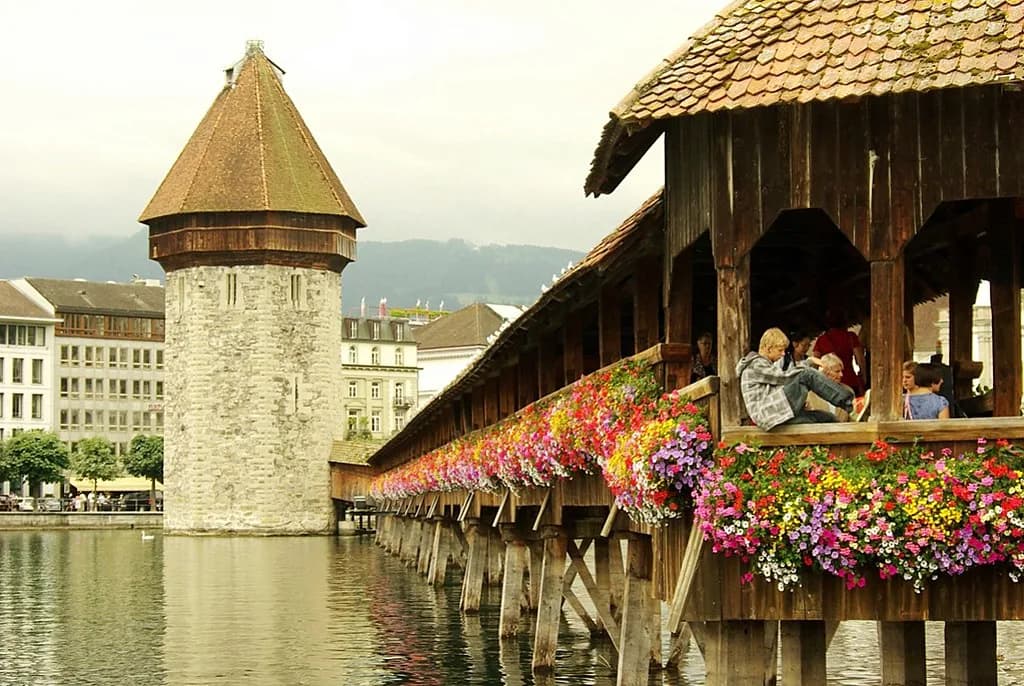
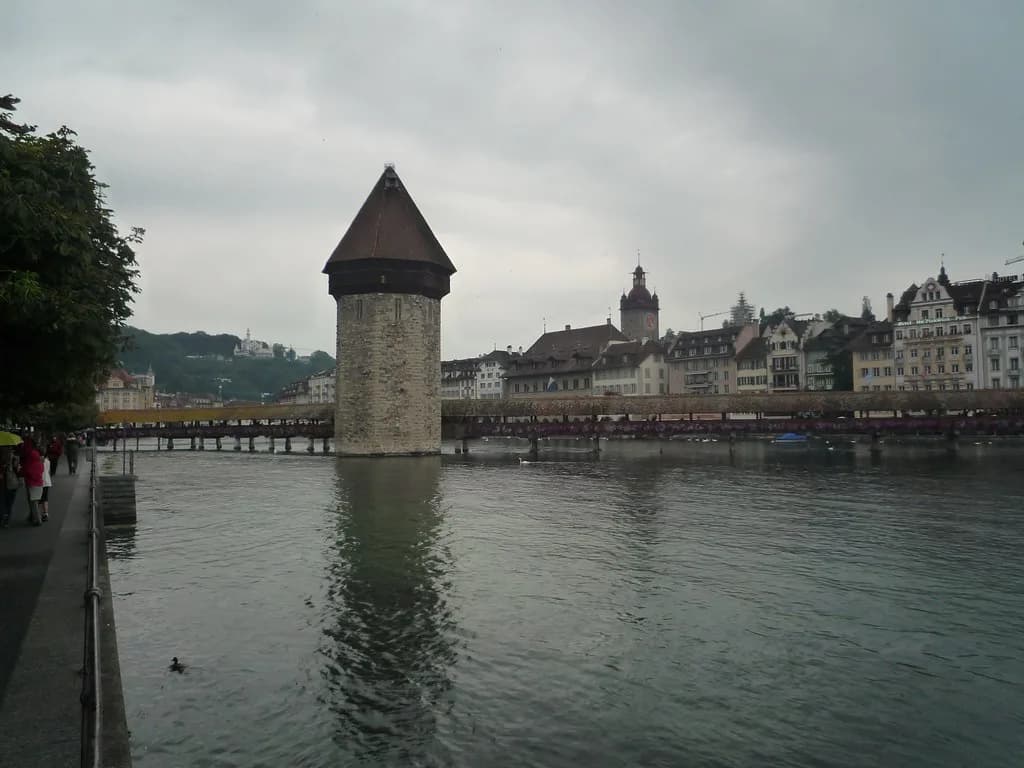
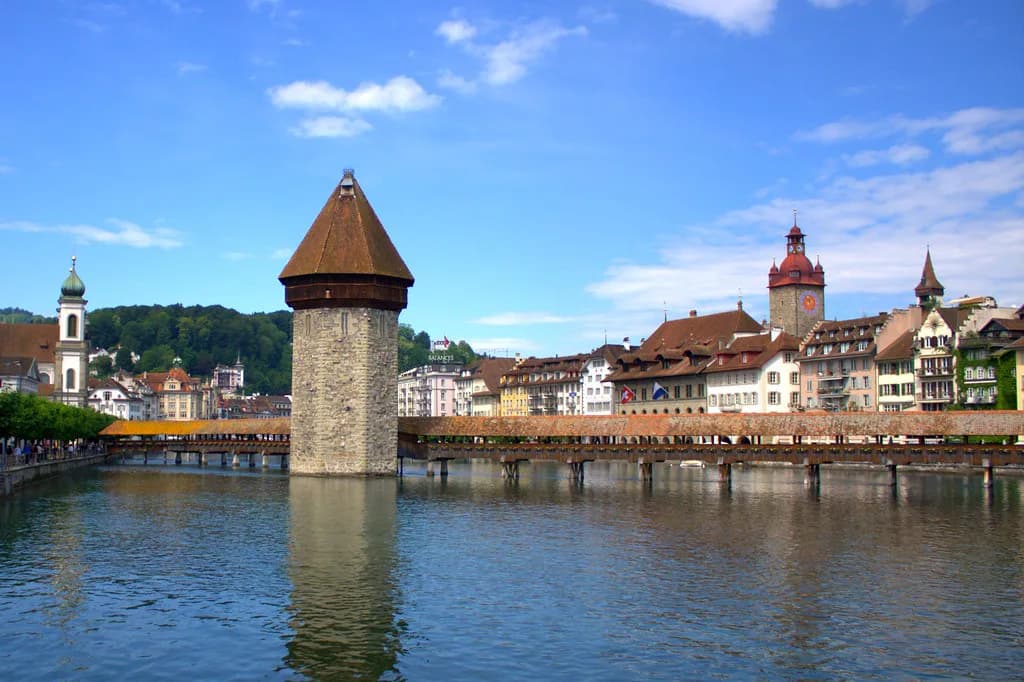
Lucerne sits where the Reuss leaves Lake Lucerne, with the Old Town spread across both banks. The Chapel Bridge and its Water Tower connect the north bank near the railway station to the south bank at Rathausquai, and the lakefront with the KKL culture and convention centre runs along the northern shore. Kriens, the starting point for the Pilatus gondola, lies west of the city across the river from the historic center and is reached by local bus or train rather than on foot.
Because the main sights sit within a few minutes of each other, the day splits naturally: a morning on the mountain and an afternoon on the bridges and squares, or the reverse. The Old Town lanes around Weinmarkt and Kornmarkt reward slow wandering rather than a checklist, and the city tourism board notes that the Old Town, Chapel Bridge, Lion Monument, Musegg Wall and lakeside promenade are all within easy walking distance of one another.
The Kriens–Pilatus line, stage by stage
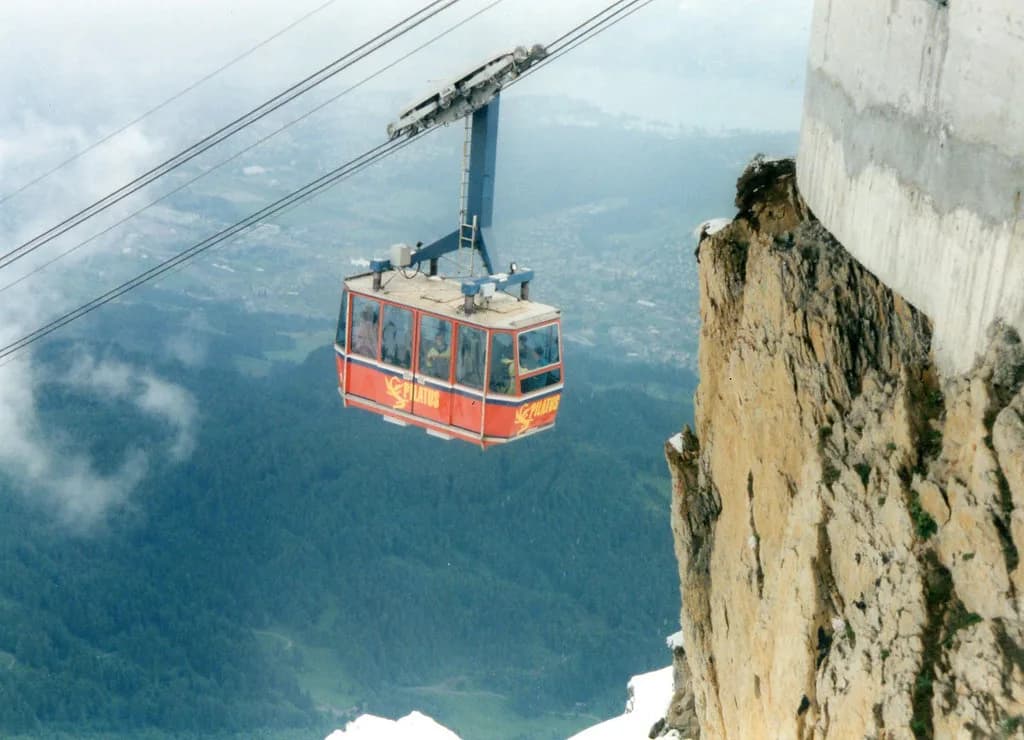
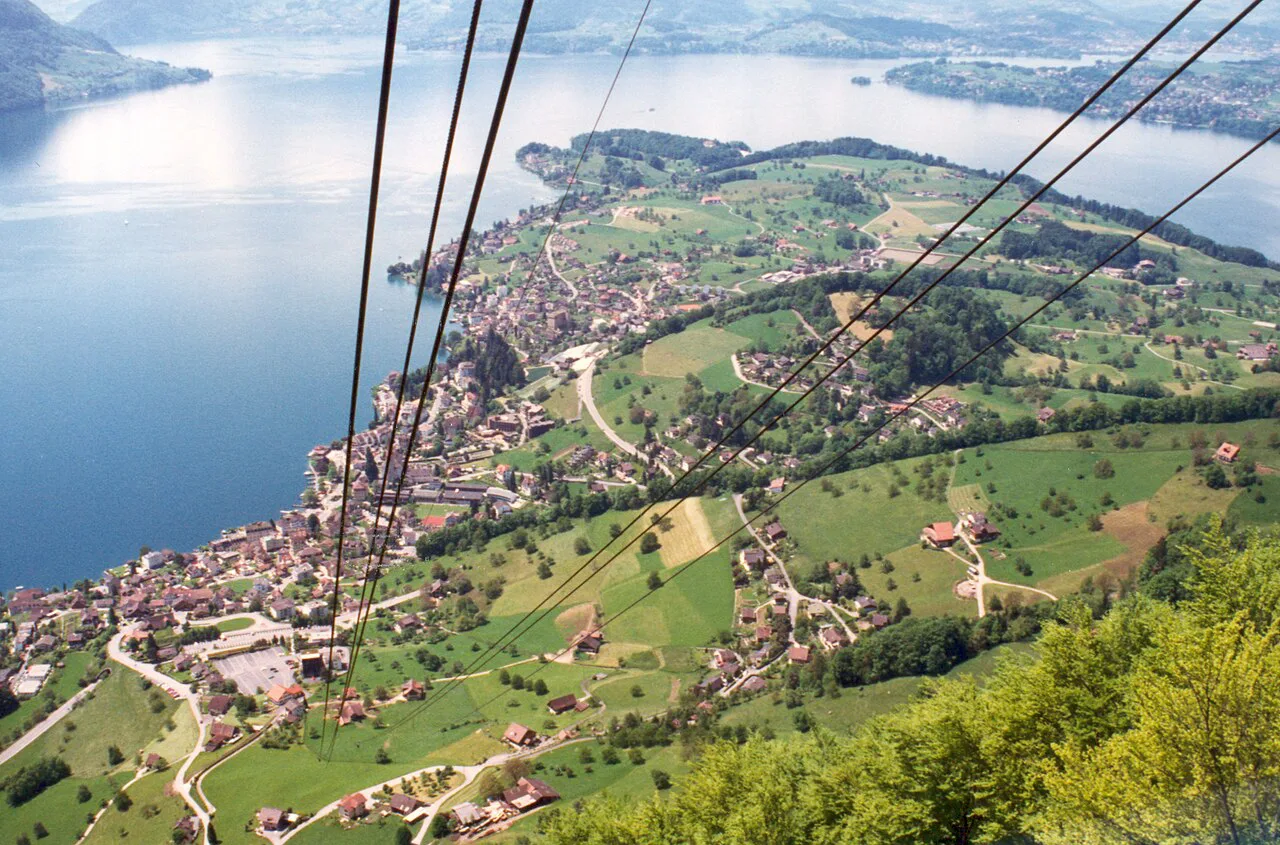
The ascent runs in two legs rather than one continuous cable. A panoramic gondola lifts you from Kriens up to Fräkmüntegg, where you change onto the Dragon Ride cable car for the final climb to Pilatus Kulm. Treat the change at Fräkmüntegg as the moment to check the cloud line: if the summit is socked in, the mid-station is the cheaper place to turn around, so ask at the ticket desk how far your ticket is valid before you board.
The cogwheel train gives you a second way up or down, and the classic round trip pairs the gondola with the railway so you see two different faces of the mountain. Riding up by cable car and descending by train means you cover the steepest, most enclosed section in the rail car and the open valley views in the gondola. Decide the direction before you buy, because the combination ticket you choose determines where you start and finish.
What the top of Pilatus gives you, and how long to allow
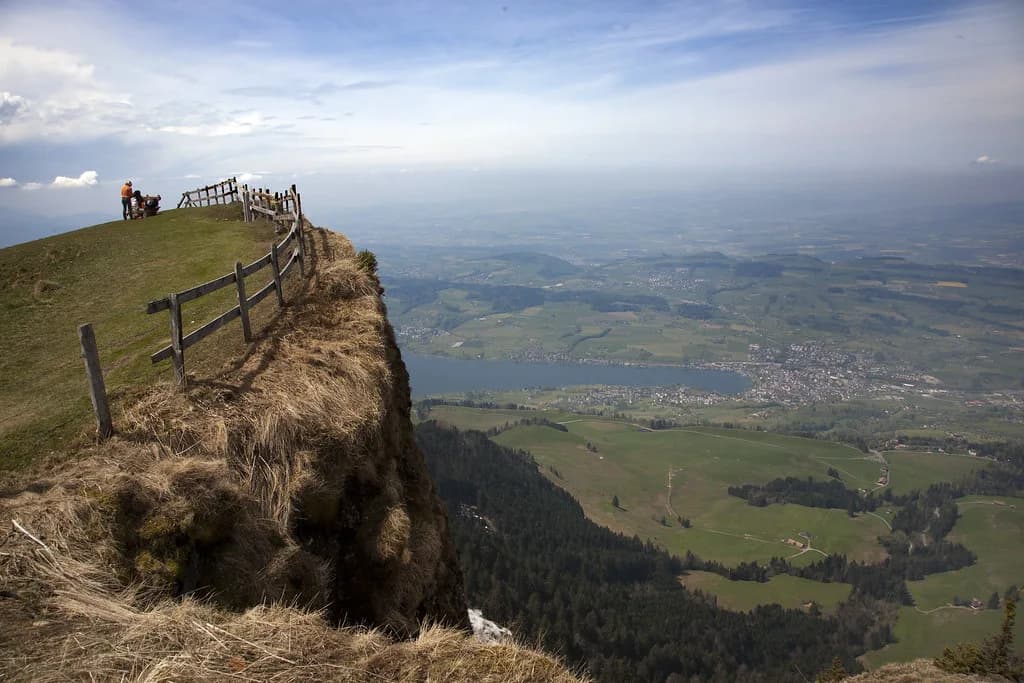
At Pilatus Kulm the reward is the panorama over Lake Lucerne and the surrounding Alps, plus the ridge-top paths around the summit station. The two-leg ascent means the journey is part of the experience rather than dead time, so build the round trip around the ride itself rather than squeezing it between two city appointments. Give the mountain a clear block of the day and keep the Old Town for the hours on either side.
Fares and pass discounts on the Pilatus route
Pilatus ticket prices are set by the operating company and vary with the route you choose, so look up the current fare and what it covers at the ticket window or the official Pilatus booking page before you commit. Swiss rail passes can reduce the cost of mountain transport, but the discount depends on the pass and the line, so ask whether your Half Fare card or Swiss Travel Pass applies to this specific ascent instead of expecting it to.
For a benchmark of what a paid Lucerne attraction costs, the Glacier Garden sells online admission from CHF 24 per person. That figure helps you weigh a museum ticket or two against a mountain fare, and it shows how quickly Swiss sightseeing adds up for a family: four Glacier Garden tickets already match the price of a modest lunch.
Seasons, weather and when the lines run
Mountain lines in central Switzerland follow their own seasonal timetables, and Pilatus adjusts to snow, wind and maintenance windows. There is no fixed calendar to memorize: running dates and any closures are published in advance, and the Luzern tourism weather and webcam pages show live conditions on the summit. Check the webcam on the morning you plan to go, because a clear valley can still hide a cloud-capped peak.
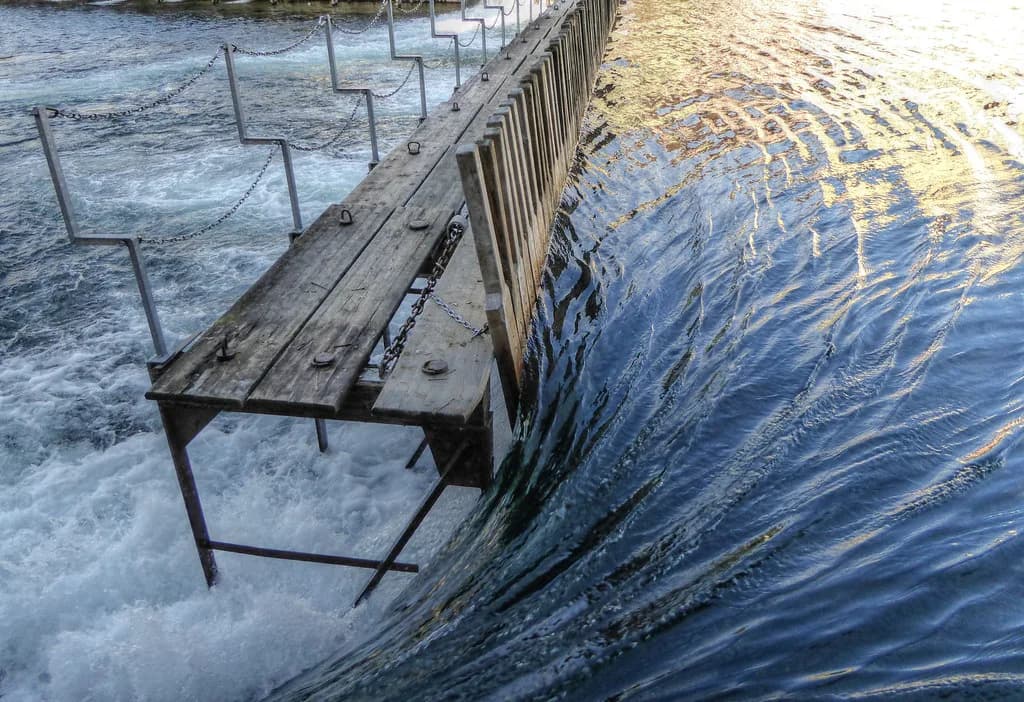
If the summit is closed in, the Musegg Wall and its towers offer a free climb with a view over the rooftops, and the lakeside promenade delivers the water-and-mountains composition without a ticket. Both are described among the city's top sights alongside the Jesuit Church, Spreuer Bridge and Needle Dam, all of which you can visit at street level.
Cable car or cogwheel train: the honest trade-off
The gondola and Dragon Ride give you open-air views on the way up and let you stop at Fräkmüntegg; the cogwheel train is a single enclosed run that trades panorama for engineering spectacle. Groups with small children often prefer the cable car for the shorter legs and the midway break, while travelers who want the railway experience should ride it in at least one direction. Whichever you pick, go early: midday departures bunch up when tour groups arrive.
Free sights to pair with the mountain
Most of Lucerne's headline sights cost nothing: the Chapel Bridge, the Lion Monument and the Musegg Wall are all free to visit, and only the Glacier Garden and museums such as the Swiss Museum of Transport require a ticket. That mix lets you spend on the cable car without feeling you have skipped the city. Walk the Old Town in the late afternoon when the bridge crowds thin and the light on the Water Tower improves.
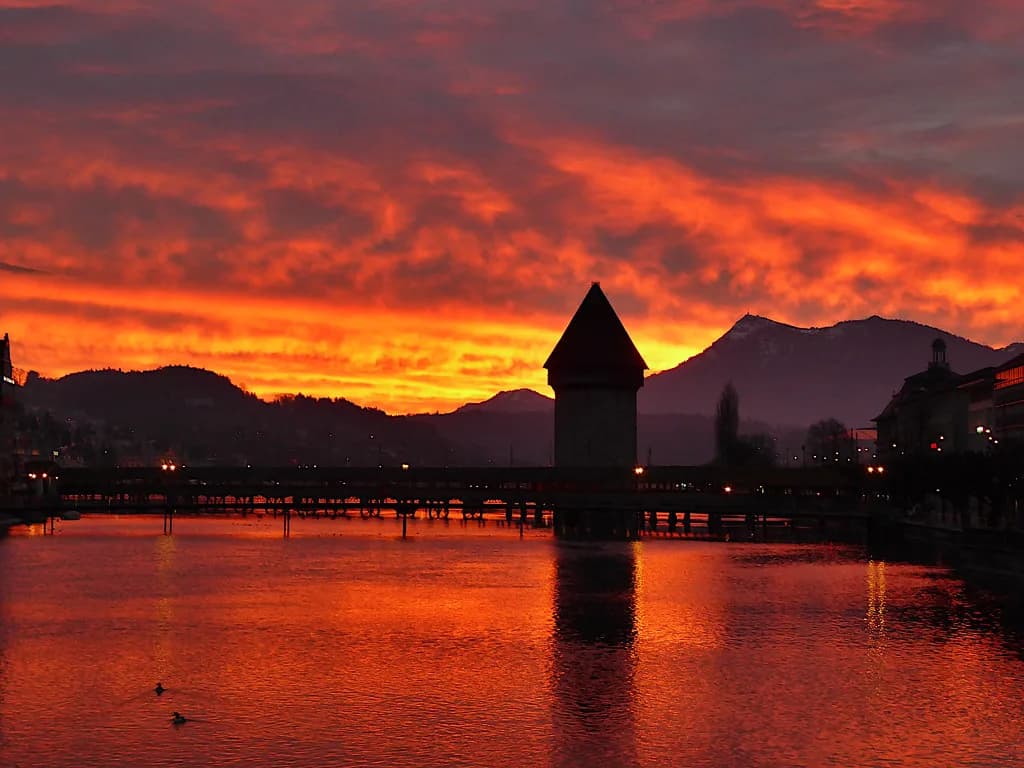
The Chapel Bridge is the city's number-one photo subject, and its painted panels and the adjoining Water Tower carry most of Lucerne's visual identity. A self-guided walk linking the bridge, the Lion Monument and the Musegg Wall covers the core in a couple of hours at an easy pace, which leaves the rest of the day free for the ascent or a museum.
Rainy-day swap: museums that need no cable car
When the mountain disappears into cloud, the region's indoor options are strong. The Swiss Museum of Transport on Haldenstrasse, the Rosengart Collection on Pilatusstrasse, the Bourbaki Panorama on Löwenplatz and the Glacier Garden on Denkmalstrasse all sit within the city, and each fills a wet half-day. The Rosengart holds an exceptional concentration of modern masters, and the Bourbaki Panorama is a single overwhelming artwork rather than a gallery.
Markets and the city on foot while you wait for clear skies
The Wochenmarkt runs every Tuesday and Saturday from 6 a.m. to noon on Rathausquai, in unter der Egg and on Bahnhofstrasse, with a Saturday edition at Helvetigärtli. The fish market in unter der Egg follows its own pattern on Tuesday, Friday and Saturday mornings. These are good reasons to keep a morning in the city rather than racing straight to Kriens, and they cost nothing to browse.
Plan Your Visit
Decide first whether you want the mountain or the town, because the two compete for the same good-weather hours. If Pilatus is clear, book the Kriens gondola, ride the Dragon Ride to Pilatus Kulm and come down by cogwheel train for a round trip that covers both technologies. If the cloud is down, spend the day on the free bridges, walls and squares and keep a museum ticket in reserve.
The same logic applies in other Swiss cities: a cable car is worth the fare only when the summit delivers a view, so check the webcam before you buy. Compare the option in Zürich if you are continuing east, and keep the city walking plan for the days when the peaks vanish. For a city-by-city breakdown, see our guide to Zurich Cable Cars & Funiculars.
Explore more Lucerne guides
Frequently Asked Questions
Is there a cable car in Lucerne itself?
No. The cable car to Mount Pilatus starts in Kriens, across the river from the historic center, and reaches Pilatus Kulm via a change at Fräkmüntegg. The Old Town, Chapel Bridge and Lion Monument are all visited on foot with no lift required.
How does the ascent to Pilatus work?
A panoramic gondola carries you from Kriens to Fräkmüntegg, where you switch to the Dragon Ride cable car for the summit station at Pilatus Kulm. You can combine the cable car with the cogwheel train in one direction for a round trip.
How much does the Pilatus cable car cost?
Fares depend on the route and combination you choose, with prices posted at the ticket window and online. Make sure your ticket covers the return leg before you buy.
Does a Swiss Travel Pass cover the cable car?
Rail passes can reduce the cost of mountain transport, but whether a discount applies to a given line depends on the pass. Ask at the ticket desk whether your Half Fare card or Swiss Travel Pass is accepted on the Pilatus route.
What can I do in Lucerne if the mountain is clouded in?
The Swiss Museum of Transport, Rosengart Collection, Bourbaki Panorama and Glacier Garden are all in the city and work well for a wet half-day. The Musegg Wall and lakeside promenade stay free and give you a view without an admission ticket.
Which Lucerne sights are free?
The Chapel Bridge, the Lion Monument and the Musegg Wall cost nothing to visit. The Glacier Garden and museums such as the Swiss Museum of Transport require a ticket.
How many days does Lucerne need?
Two full days cover the Old Town and a mountain ascent comfortably. A single day works if you pick either the town or Pilatus and accept that you will not do both properly.
Sources
Notes for your Swiss city break
Optional updates to our Swiss city guides.
You might also like
Continue reading
More guides you'll find useful