Switzerland Itinerary: How to Plan a First Trip by Train
Build a Switzerland itinerary by train: how many days each stop needs, where Zürich, Lucerne, Interlaken and Zermatt sit, and what a short trip drops.
On this page
A first Switzerland itinerary needs about seven days to cover the Zürich–Lucerne–Interlaken axis at a sane pace, and closer to ten days if Bern, Lake Geneva or Zermatt join the list. Three days buys one region only, and five days covers Zürich, Lucerne and one mountain day without rushing. Everything else is a trade-off between bases and summit excursions, not between sights and rest.
How Many Days You Actually Need
Think in shapes rather than in days. Three days means one base and one mountain, five days means two bases, seven days means three bases on one rail corridor, and ten days adds a French-speaking stop or a Matterhorn leg without daily train hours eating the trip. Fourteen days is the only length where four bases feel relaxed.
How many days do you need for a Switzerland itinerary? Seven days covers Zürich, Lucerne and the Bernese Oberland at a relaxed pace with one flexible mountain day. Ten days adds Bern and Lake Geneva, or alternatively swaps in Zermatt.
Is 7 days in Switzerland too much? No. Seven days is the comfortable minimum for the classic Zürich–Lucerne–Interlaken axis, because mountain weather can cancel a single planned summit day.
What is the best order to visit Zürich, Lucerne, Interlaken, and Zermatt? Run the line east to west: Zürich, Lucerne, Interlaken, then Zermatt via Bern or Visp. Ending in Zürich keeps the return leg short because the airport is close to the main station.
The most common mistake is adding a base for every highlight. Every extra base costs a half day in packing and rail, and Switzerland rewards fewer, longer stays because mountain weather can cancel a single planned summit day. A fixed seven-day lineup of Zürich, Lucerne, Interlaken and Zermatt works only if you accept that one mountain day may be rescheduled or dropped.
Where the Stops Sit on the Rail Map
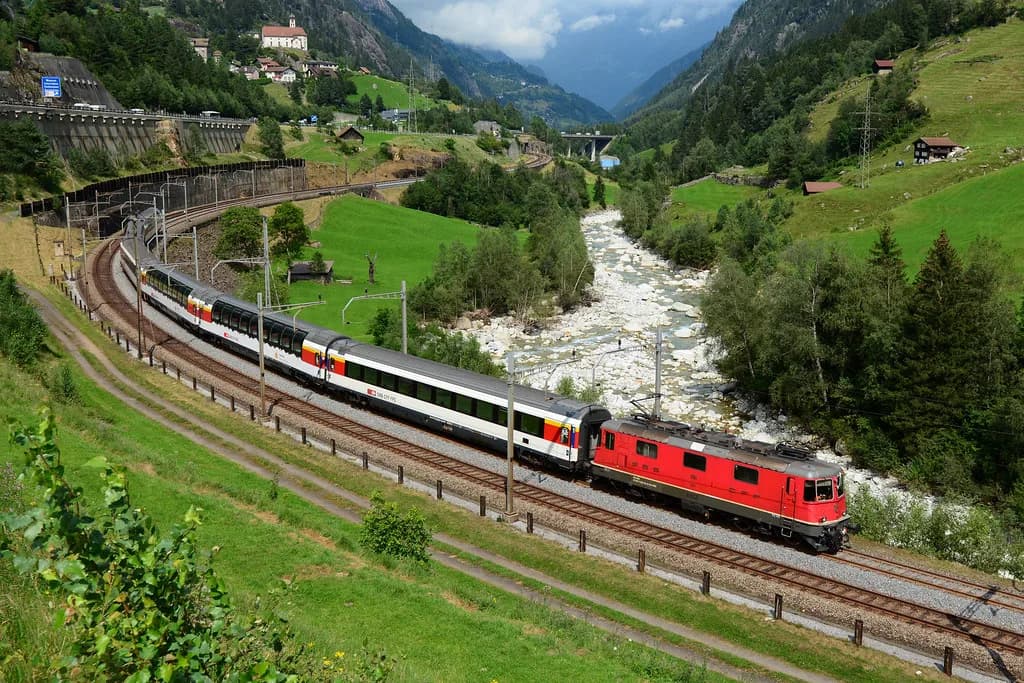
The classic first-trip line runs east to west from Zürich, a short hop to Lucerne, then south over the Brünig or Golden Pass route to Interlaken, with Zermatt further south via Bern or Visp and Lake Geneva to the west. Each leg is one train, and the Swiss Federal Railways app holds times, platforms and prices in one place, so the sequence is easy to hold in your head.
A one-way ride between major cities typically runs roughly 30 to 130 CHF depending on distance, timing and whether a discount card is in hand, which is why the rail corridor you pick matters more than the individual train. Bern sits almost midway between Zürich and Lake Geneva, so it slots into a ten-day trip as a natural one-night stop rather than a detour.
Zürich: Half a Day or One Full Day
Zürich's old town fits into half a day: the lanes of the Altstadt, the painted facades of Augustinergasse, and the Lindenhof terrace for a view over the Limmat and the rooftops. Add the Limmatquai promenade toward the lake and you have filled a full day without leaving the center. If the old town leaves you wanting more, our Zürich city guide covers the museums and parks beyond the Altstadt.
On a seven-day trip, Zürich works best as arrival and departure rather than a base. Land, see the center, sleep, and take the morning train to Lucerne, because the airport is only a short train ride from the main station. That keeps the first day useful instead of lost to travel, and a 3 days in zurich plan shows how little of the city a short arrival stop actually costs you.
Lucerne and Mount Pilatus as a Full Day
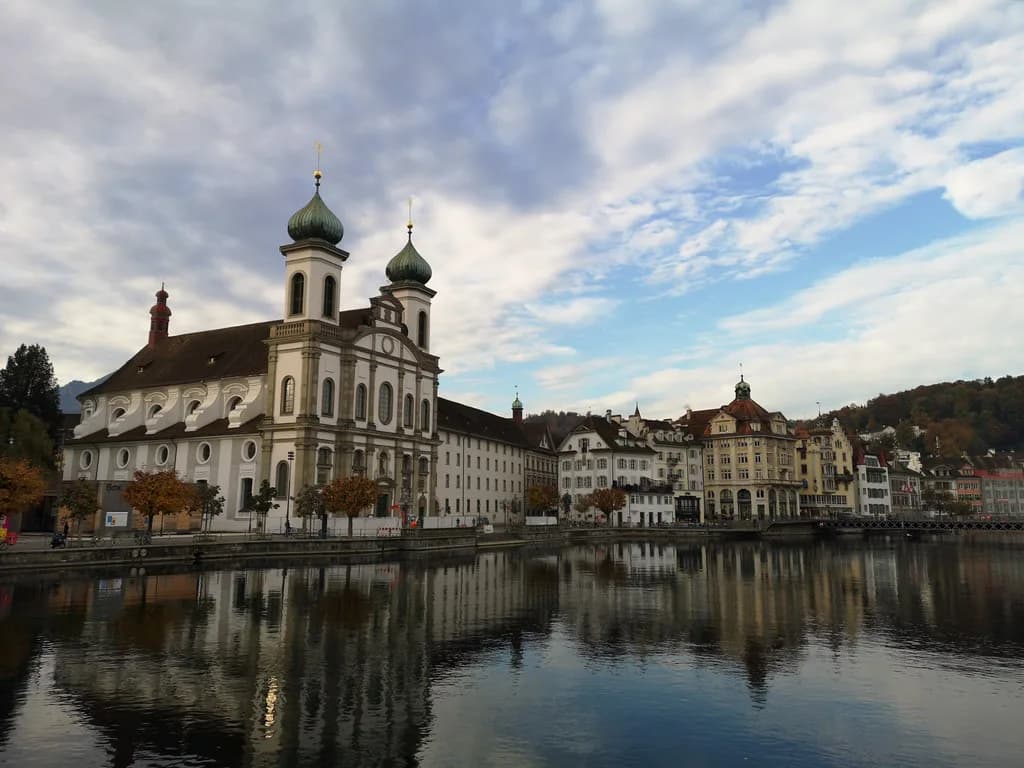
Lucerne earns one day in town for the Kapellbrücke, the old town and the lakefront, plus one full day for Mount Pilatus. The standard circuit runs a boat across Lake Lucerne to Alpnachstad, the cogwheel railway up to Pilatus Kulm, and a gondola and cable car down into Kriens, then a bus back to the station. If you are weighing a longer stay against the rest of the corridor, things to do in Lucerne shows how much the town itself can fill.
Hold the Pilatus day loosely. Summit conditions are often cooler and cloudier than in Lucerne, so a flexible order lets you swap it with the town day when the webcams look better. A two-night Lucerne stay gives you that swap without rebooking trains.
Interlaken and the Bernese Oberland Base
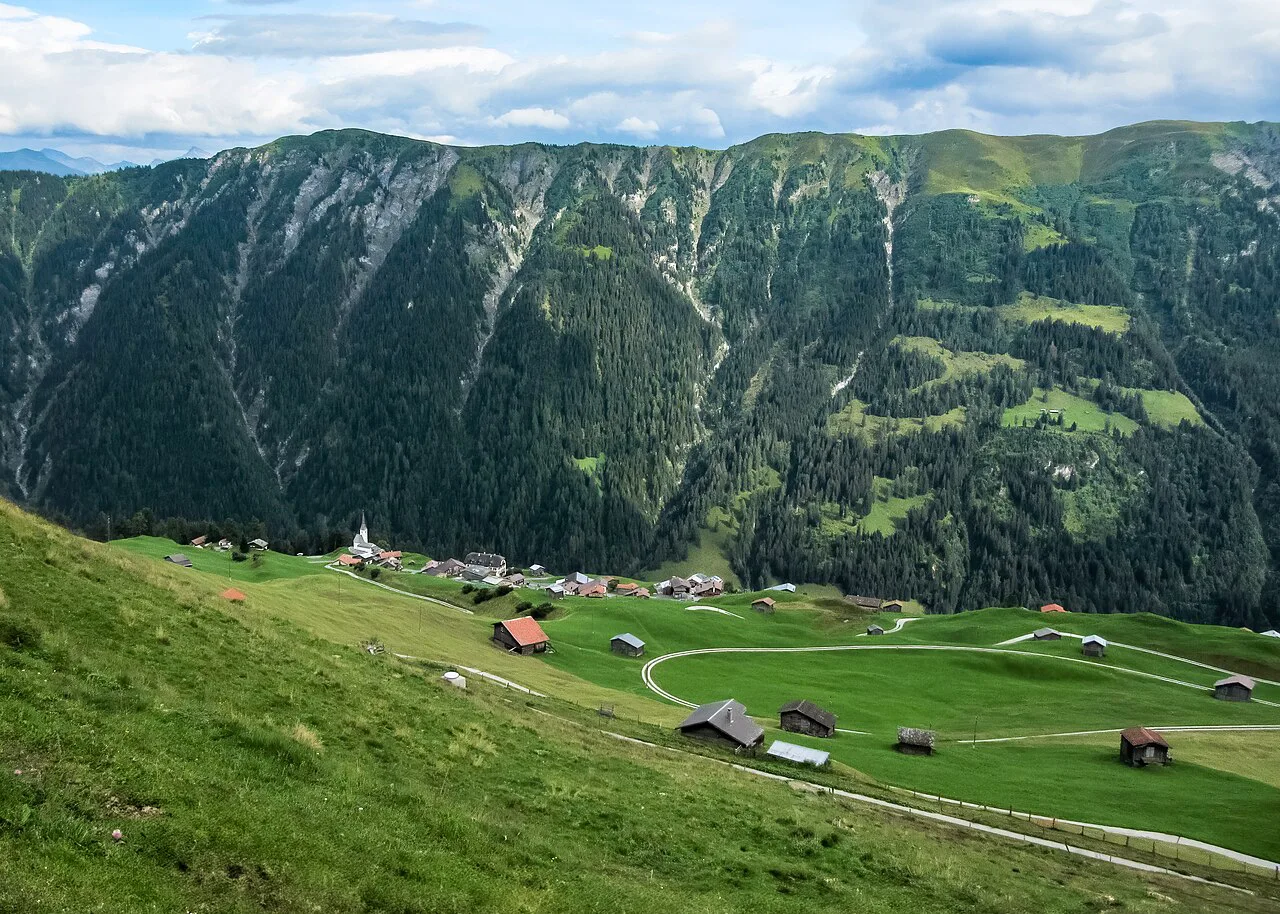
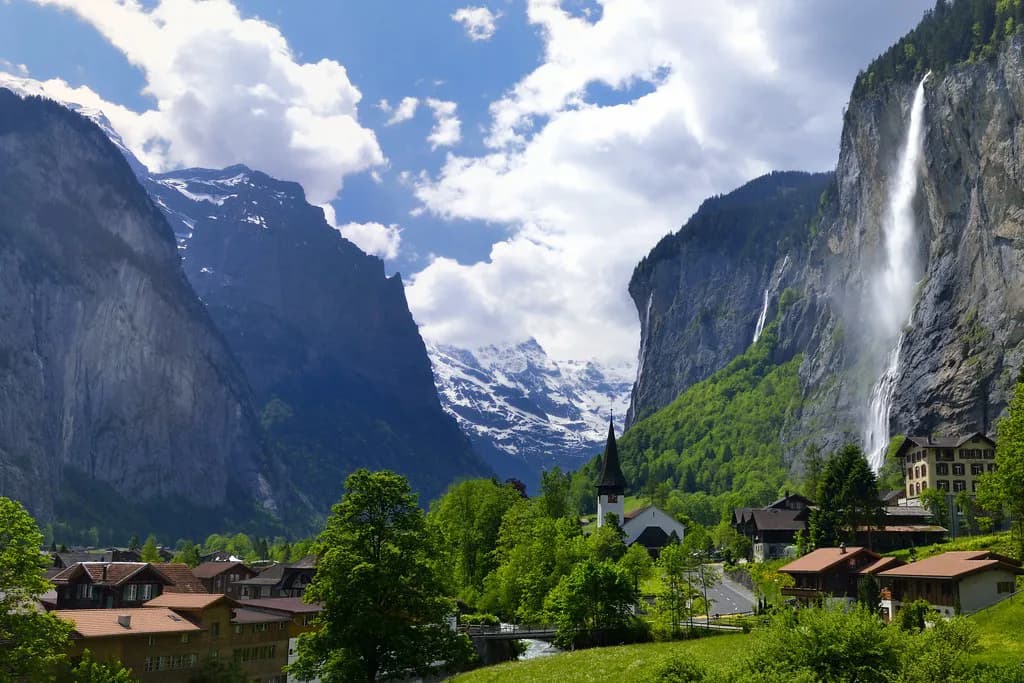
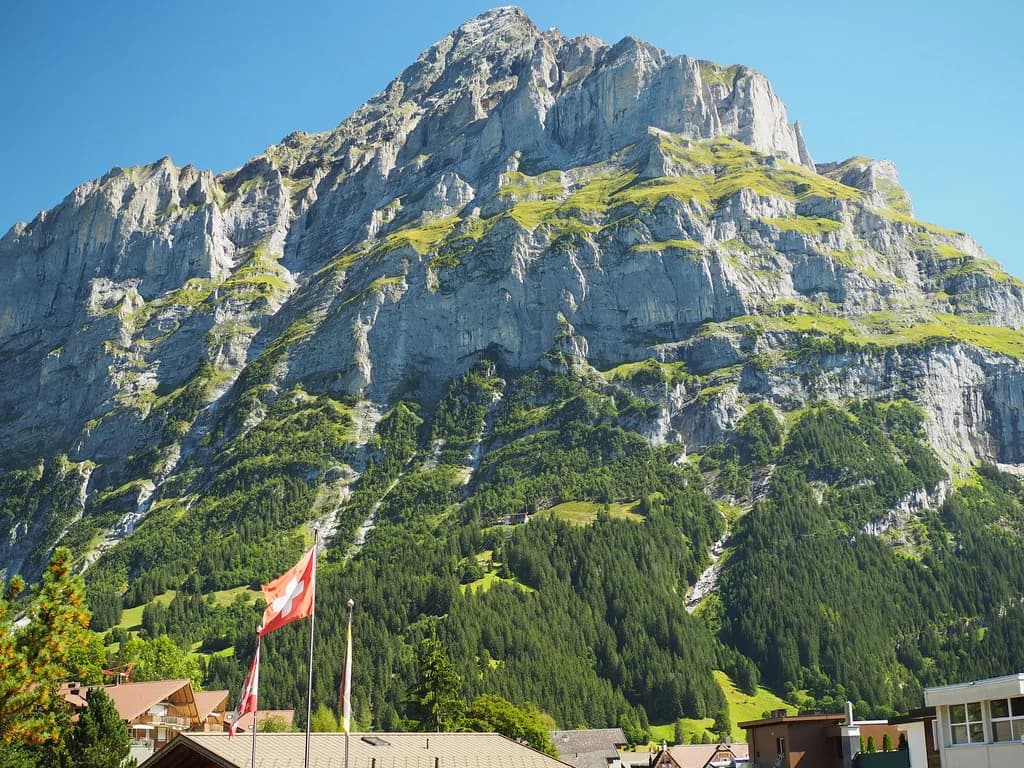
Interlaken is a junction, not the destination. From Interlaken Ost you reach Lauterbrunnen and Grindelwald in well under an hour, and the Schynige Platte, Harder Kulm and the valley villages fill two or three nights easily. The valley rewards a longer stay because each of those outings is a separate weather call.
Busy hikers often use a base like Wilderswil, one stop from Interlaken, which keeps the rail connection while cutting the town crowds. The trade-off is dinner and evening options, which are thinner than in Interlaken itself. Pick a base for the mornings you plan, not for the nights you might want.
Zermatt: Day Trip or Overnight
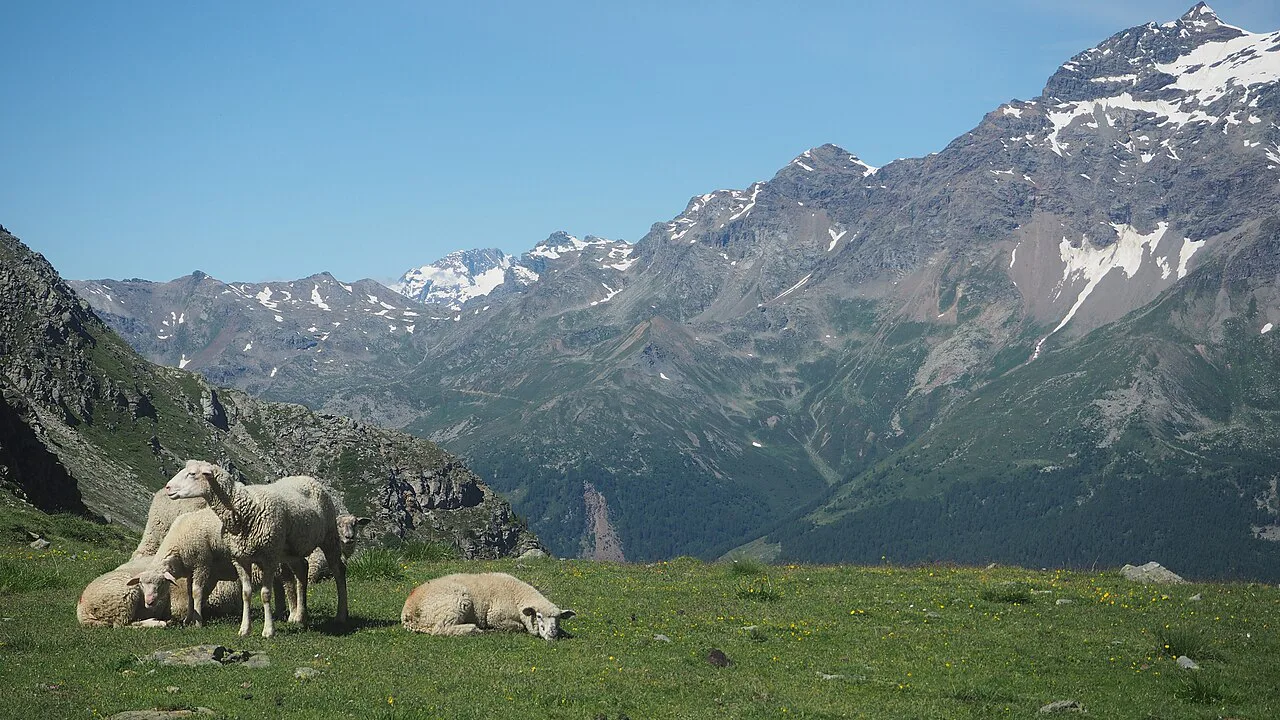
Zermatt works as a long day trip from Interlaken, but the rail hours are long enough that most travelers do better with one night there. The car-free village, the funicular to Sunnegga and the gondola onward to Blauherd put the Matterhorn views within a half-day of arriving. A day trip returns you to Interlaken late and tired, while an overnight buys a sunrise and a quieter village.
The real question is what the Matterhorn replaces. Adding Zermatt to a seven-day trip usually means cutting a Bernese Oberland day or the Lake Geneva leg. If this is your only Swiss trip, the Matterhorn is the stronger single memory, but the Oberland offers more variety per day.
Adding Bern, Montreux and Vevey on a Longer Trip
On a ten-day trip, add Bern as a one-night stop between Zürich and Lake Geneva. Then push west to Montreux and Vevey, where the lakeside promenade, the Freddie Mercury statue and the Château de Chillon fill an easy day. Vevey adds a slower market-town feel and the giant lakeside fork outside the Alimentarium food museum.
The French-speaking leg is a genuine change of register, not just scenery. Signs, menus and greetings switch language, and the lake towns feel more Mediterranean than the alpine valleys. That contrast is why a longer trip holds together better than a rushed seven days with an extra base squeezed in.
Sequencing Around Weather
Build the itinerary around weather rather than around a fixed day-by-day plan. Mountain days are the ones to move: check the MeteoSwiss app and the mountain railway webcams in the morning, and keep a town or lake day in reserve for the day the summit clouds in.
Summer daylight is generous, with sunset in the mountains running as late as about 9:45 pm in midsummer, which lets you fit a mountain morning and an evening walk. Mountain weather is still changeable, so pack a layer and a waterproof rather than trusting a morning forecast.
What the Trip Costs
The cost decision is the pass, not the itinerary. The Swiss Travel Pass covers trains, buses and boats for consecutive days, and often discounts mountain railways and cable cars, while the Half Fare Card gives roughly half off most transport and becomes the cheaper choice on light travel days. Model your actual routes on the SBB site before buying either.
Beyond transport, sit-down restaurant meals commonly run about 25 to 40 CHF per person, which makes a single expensive mountain day a real budget line. A regional pass such as the Berner Oberland Pass can repay its cost on a multi-day Oberland stay, so compare it against the national pass for your routes.
Mistakes to Avoid
The biggest mistake is too many bases. Each transfer costs a half day and adds a booking, and packing up daily leaves less time for the places that justify the trip. Pick three or four bases on one corridor and treat small towns as day outings.
The second is booking a summit trip on an early forecast. Summit cloud can swallow the view you paid for, and a fixed booking may not be refundable when the mountain is socked in. Leave the mountain days flexible and use the town days as your buffer.
Sample 7-Day and 10-Day Lineups
For seven days, take two nights in Lucerne with the Pilatus day, two nights in Interlaken for Lauterbrunnen and one Oberland outing, and one night in Zürich at the start or end. That leaves no room for Zermatt or Lake Geneva, and it is the right list for a first visit.
For ten days, keep the same spine and add Bern for a night and the Montreux–Vevey lakefront for two. To fit Zermatt instead, trade the Lake Geneva leg for two nights in the village. Either version keeps the rail line linear so no day is wasted in backtracking.
Choosing Between the Swiss Travel Pass and the Half Fare Card
Rail passes are the biggest budgeting decision on a Swiss train trip, and two options come up again and again. The Swiss Travel Pass offers consecutive days of unlimited travel on Switzerland's trains, buses and boats. It doesn't cover every mountain train or gondola, but it often provides discounts on scenic railways and cable cars. The Swiss Travel Pass Flex works the same way but lets you choose your travel days within a month. The Swiss Half Fare Card, by contrast, gives you 50% off most trains, buses, boats and mountain transport.
There is no universal answer, because it depends on how much you move. To figure out which one is cost-effective, you can run your planned routes through a Swiss Travel Pass calculator; for one week of travel, a 6-day Swiss Travel Pass worked out cheaper than the Half Fare Card. You can also map out all your planned train journeys on the SBB website and compare ticket prices, keeping the calculator updated to current pricing. A one-way trip between major cities can cost from 30 to 130+ CHF depending on distance, how early you buy and whether you hold a discount pass, so a route with several long hops will tilt the sums.
Whatever pass you buy, expect checks. Ticket inspections are common on Swiss public transport, and there are no self-scanners: a conductor typically walks through the train to check tickets and may also ask for ID to match the name on your pass. On a few occasions, travellers in first class with second-class passes were either moved or asked to pay for an upgrade on the spot. Loading your pass into a phone wallet makes it quick to show.
Plan Your Visit
Build the trip around one rail corridor, give the mountains movable days, and decide the pass after you have mapped the routes. A seven-day version covers Zürich, Lucerne and the Bernese Oberland well; ten days adds Bern and Lake Geneva or Zermatt. Anything longer lets you stop counting transfers and start noticing the places.
Check current train times, mountain operating calendars and ticket prices with Swiss Federal Railways (SBB) before booking, since these change with the season and the market. The rest of the plan can stay loose.
Explore more Switzerland guides
- 10-Day Switzerland Itinerary
- 5-Day Switzerland Itinerary
- 7-Day Switzerland Itinerary
- Best Cities in Switzerland
- Best Swiss Chocolate
- Is Switzerland Expensive? Real Costs in CHF for a City Break
- Most Beautiful Towns in Switzerland
- Swiss Souvenirs Worth Buying
- Switzerland on a Budget
- Switzerland Travel Tips for a First City Break
- Switzerland Trip Cost
- Where to Go in Switzerland
Frequently Asked Questions
How many days do you need for a Switzerland itinerary?
Seven days covers Zürich, Lucerne and the Bernese Oberland at a relaxed pace with one flexible mountain day. Ten days adds Bern and Lake Geneva, or alternatively swaps in Zermatt. Three days buys one region only.
Is 7 days in Switzerland too much?
No. Seven days is the comfortable minimum for the classic Zürich–Lucerne–Interlaken axis, because mountain weather can cancel a single planned summit day. Shorter trips get one region and one mountain.
What is the best order to visit Zürich, Lucerne, Interlaken, and Zermatt?
Run the line east to west: Zürich, Lucerne, Interlaken, then Zermatt via Bern or Visp. Ending in Zürich keeps the return leg short because the airport is close to the main station.
Should you base yourself in Interlaken or in a village like Wilderswil?
Interlaken gives better evening options and the main rail junction. Villages such as Wilderswil keep the rail connection and feel quieter, but dinners and shops are thinner.
Is a Swiss Travel Pass or Half Fare Card better for a 7-day trip?
Model your actual routes first. The Travel Pass wins on heavy travel days, the Half Fare Card on light ones. The SBB site lists ticket prices to run the comparison.
What is the best month to travel to Switzerland?
Summer gives the best conditions for mountain transport and long daylight. Shoulder months are quieter, but summit services and cable cars operate on seasonal calendars, so confirm before booking.
Can you see Zermatt as a day trip from Interlaken?
Yes, but the rail hours make it a long day, and an overnight buys a quieter village and a sunrise view. On a short trip, Zermatt usually replaces a Lake Geneva or Oberland day.
Sources
Notes for your Swiss city break
Optional updates to our Swiss city guides.
You might also like
Continue reading
More guides you'll find useful