10-Day Switzerland Itinerary: Cities, Mountains & Trains
A 10-day Switzerland itinerary linking Zürich, Lucerne, Interlaken, Montreux and Zermatt by train, with two-night bases and day-by-day plans.
On this page
Ten days in Switzerland buys a loop with five two-night bases rather than a string of one-night stops. Zürich, Lucerne, Interlaken, Montreux and Zermatt each get enough time to see the main sights without repacking every morning.
The rail legs are short enough to keep moving days productive: Zürich to Lucerne runs about 1 hour by train, Lucerne to Interlaken about 1 hour 50 minutes, and Zermatt back to Zürich about 4 hours. The one long westward hop, Interlaken to Montreux, earns its place by putting you on Lake Geneva for a night.
This plan names sights, gives rough ride times and flags the decisions that shape the trip, from which Lucerne peak to climb to whether the Jungfraujoch cable-car shortcut is worth it. Prices for mountain railways and cable cars vary by season and route, so buy tickets at the station or through the railway company's own site rather than budgeting from a blog post.
Why Ten Days Beats Seven on This Route
A seven-day version of this loop covers Lucerne, Interlaken and Zermatt with a single night in Zermatt and no time in Zürich beyond the airport. The standard seven-day routing gives Lucerne two nights, Interlaken three and Zermatt one, which leaves no room for a Lake Geneva stop.
How many days do you need in Switzerland? Ten days lets you cover Zürich, Lucerne, Interlaken, Montreux and Zermatt with two nights in each base and a full day for both Jungfraujoch and Grindelwald First or Schilthorn. A seven-day version covers Lucerne, Interlaken and a single Zermatt night without Zürich or Montreux.
Is it better to base in Lucerne or Zürich on a ten-day trip? Base in both: two nights in Zürich at the start and two in Lucerne next. Zürich gives you the Old Town and Lindenhof on arrival day, and Lucerne puts the Chapel Bridge, Lion Monument and the lake and peak excursions within walking distance.
Should you take the train or drive a ten-day Swiss loop? The train is simpler on this loop because Zermatt is car-free and drivers must park at Täsch and transfer by train. Driving adds the Lötschberg car-train cost and parking, and rarely beats the rail times for this route.
The three extra days here buy two nights in Zürich at the start and one night in Montreux mid-loop. The cost is one more hotel change than a seven-day trip and a westward leg to Montreux that a shorter plan skips entirely.
Ten days also gives you a buffer. If rain wipes out a mountain day in the Jungfrau region, the plan can flex because Interlaken holds three nights. That flexibility is the real argument for ten days over seven, more than any single extra sight.
Day 1: Zürich After Arrival
Land at Zürich Airport and treat the first afternoon as a gentle introduction. The Old Town straddles the Limmat River, and the Limmatquai quay gives you the classic view back across the water toward the churches and guild houses. Cross the Mühlesteg footbridge, which is covered in love locks.
Climb to Lindenhof for the best free view in the city center. The green square sits on the site of a Roman fort and overlooks the Old Town roofs; bring a picnic or just sit with the outdoor chess players. It is a fifteen-minute walk from the main station and costs nothing.
If you want to compare Zürich with the other Swiss cities on this route before committing nights, read the case for each. Zürich rewards a slow first day rather than a checklist, and two nights here set up the rest of the loop; if you would rather build the plan around lakeside cities, see our Lausanne city guide for a comparable 2–3 day approach.
Day 2: Zürich to Lucerne
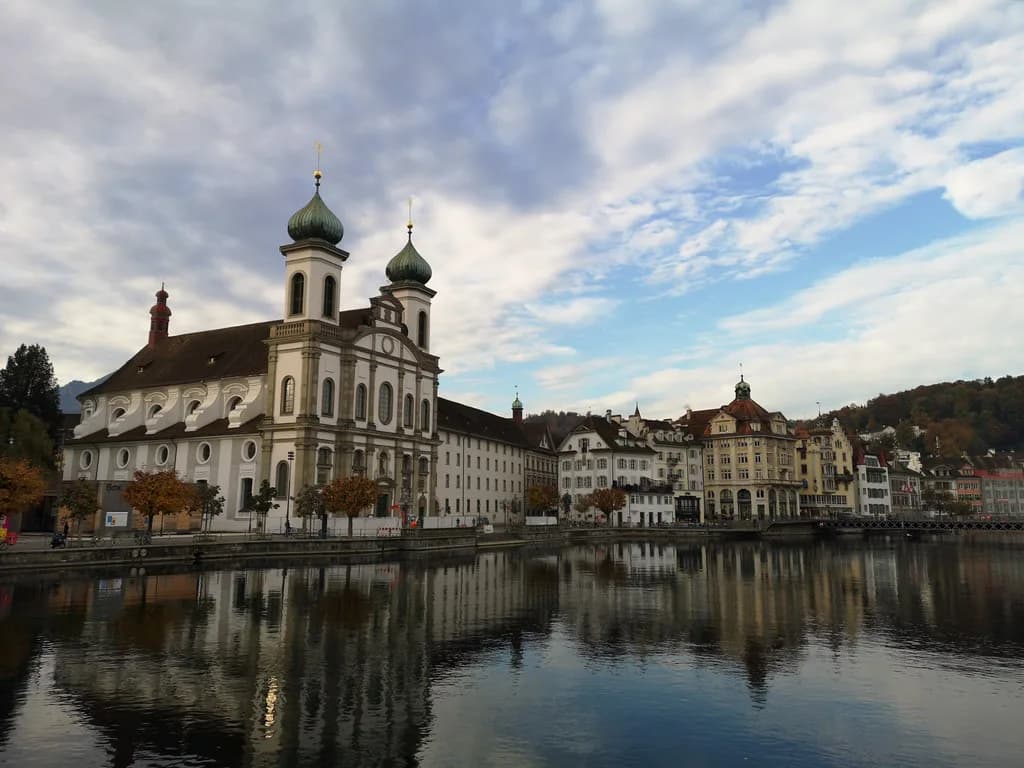
The train from Zürich to Lucerne takes about 1 hour, so you can move in the morning and still have a full afternoon. Lucerne's compact center puts the Chapel Bridge, the Water Tower and the Old Town squares within a short walk of each other.
Start at the Kapellbrücke, the covered wooden footbridge dating to 1333, and look up at the painted panels under the eaves; fire in 1993 damaged much of the structure, and the repairs are visible. The stone Water Tower beside it once served as a treasury, prison and archive.
Wander into the Weinmarkt area to see the painted facades and oriel windows that make Lucerne's Old Town distinctive. Finish at the Lion Monument, the dying stone lion carved into a rock face and inscribed to Swiss loyalty and bravery; Mark Twain singled it out as one of the most moving sculptures anywhere.
Day 3: Lucerne Day Two — Lake or Peak
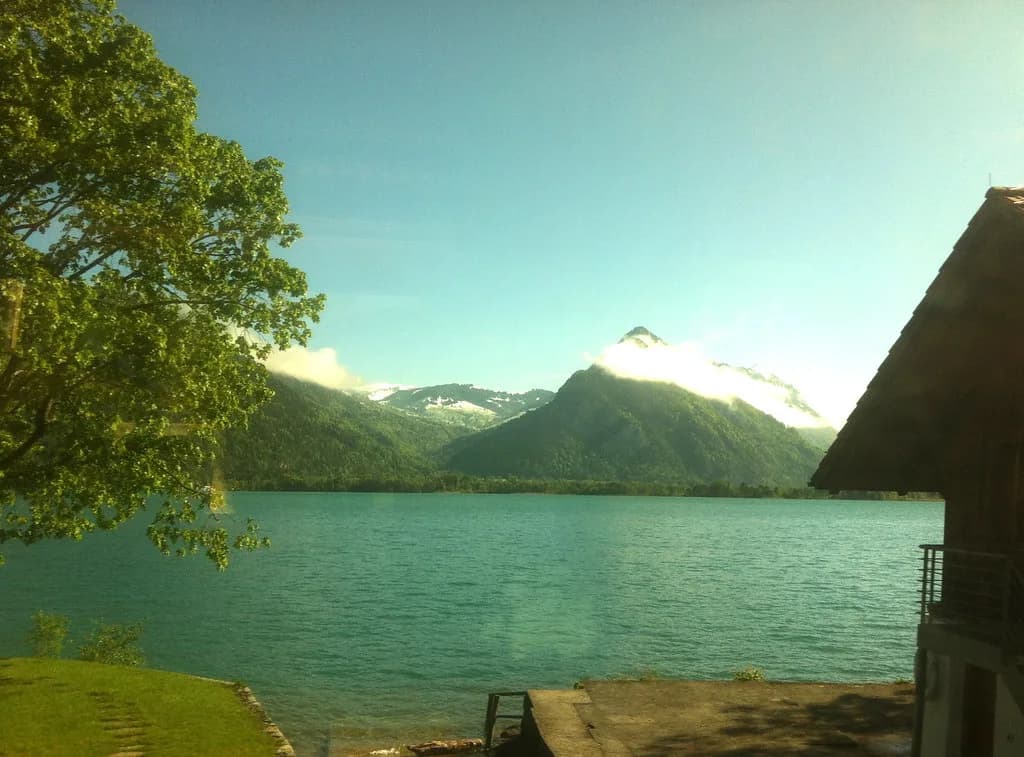
Your second Lucerne day offers two good shapes: a cruise on Lake Lucerne or a trip up one of three nearby peaks. The lake runs 38 kilometers and touches four cantons, and paddle steamers, motorboats and larger vessels all work the route, some with lunch served on board.
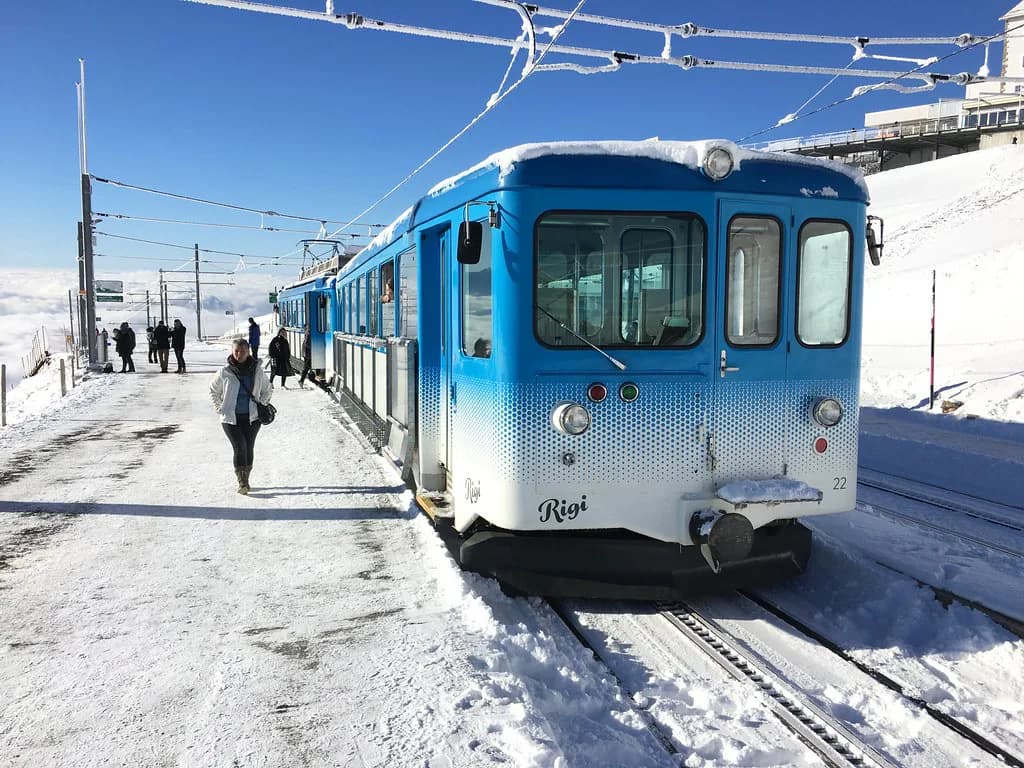
Mount Rigi is reached by boat to Vitznau and then a cogwheel railway to the summit, with the option of descending by cable car to Weggis and cruising back. It suits travelers who want the lake and a mountain in one day without committing to a long cable-car queue.
Mount Titlis, reached by train to Engelberg and then a rotating cable car, delivers the big-glacier experience with a cliff walk and ice cave. Mount Pilatus starts with a bus to the cable-car base and offers trails, restaurants and a rope park at the top; compare the two before you commit, since each eats most of a day.
Pick one. Cruising plus Rigi is the gentler combination; Titlis is the snowier, higher-altitude choice; Pilatus is the closest and the easiest to fit around a late start. Check seasonal operating dates and buy tickets directly, since mountain railways run reduced schedules outside summer.
Day 4: Lucerne to Interlaken and Harder Kulm
The train from Lucerne to Interlaken takes about 1 hour 50 minutes, so you arrive in time for lunch and an afternoon excursion. Drop your bags and head for the Harder Kulm funicular, whose base station is a five-minute walk from Interlaken Ost.
The funicular climbs to Interlaken's own mountain in about 10 minutes, running roughly every 10 minutes at peak times. It operates seasonally, from around April to November, so check the calendar before you build it into a spring or late-autumn plan.
From the top, the Two Lakes Bridge frames both Lake Brienz and Lake Thun with the Bernese Alps behind; there are also walking trails, a playground and a restaurant. If you only have one clear afternoon in Interlaken, this is the highest-value use of it.
Day 5: Jungfraujoch — Train or Cable-Car Shortcut
Jungfraujoch, billed as the Top of Europe, sits at almost 3,500 meters and is reached by a chain of trains finishing on the Jungfraubahn rack railway. The full journey takes around two hours each way, and trains run every day of the year.
The alternative is to take a cable car for part of the ascent, which cuts roughly 45 minutes each way. It is a real trade-off: the rail-only route is the classic experience, while the cable-car variant buys you time back for the summit itself or for Wengen and Lauterbrunnen on the return.
At the top there are shops, restaurants and a snow-sports park, so a full morning is easily spent even in poor visibility. Pack layers; the summit is far colder than Interlaken whatever season you visit in.
If you are weighing whether the trip justifies the expense, treat it as the anchor of your Jungfrau days rather than an add-on. Travelers who skip it usually put that budget toward Schilthorn or Grindelwald First instead.
Day 6: Grindelwald First or Schilthorn
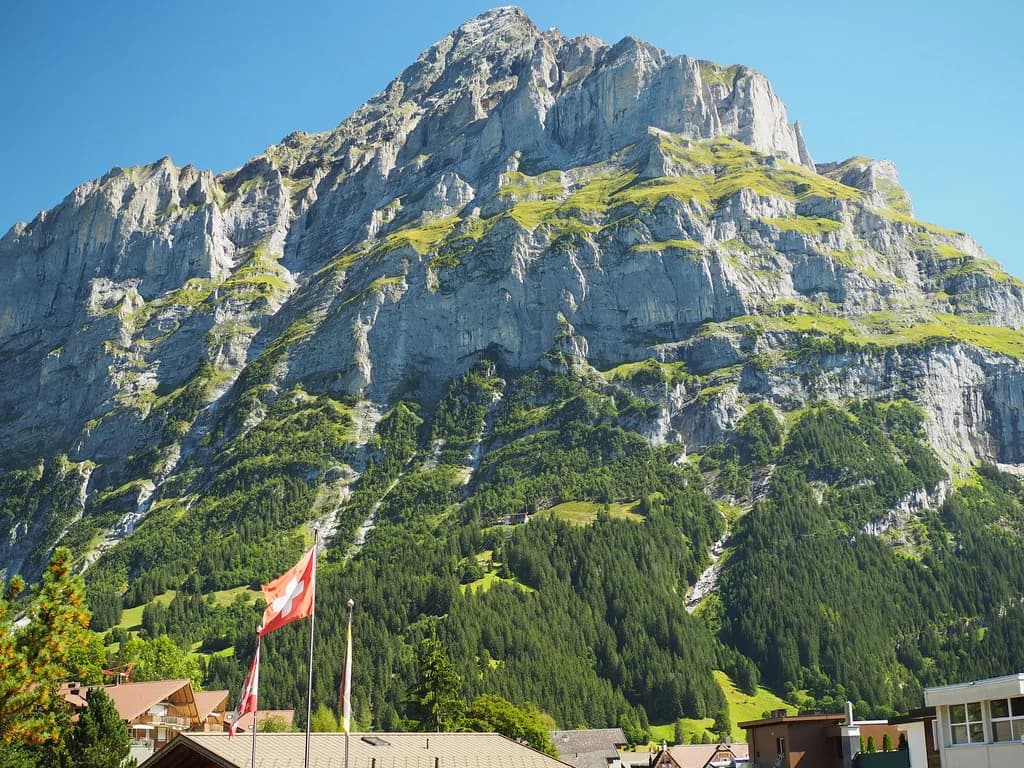
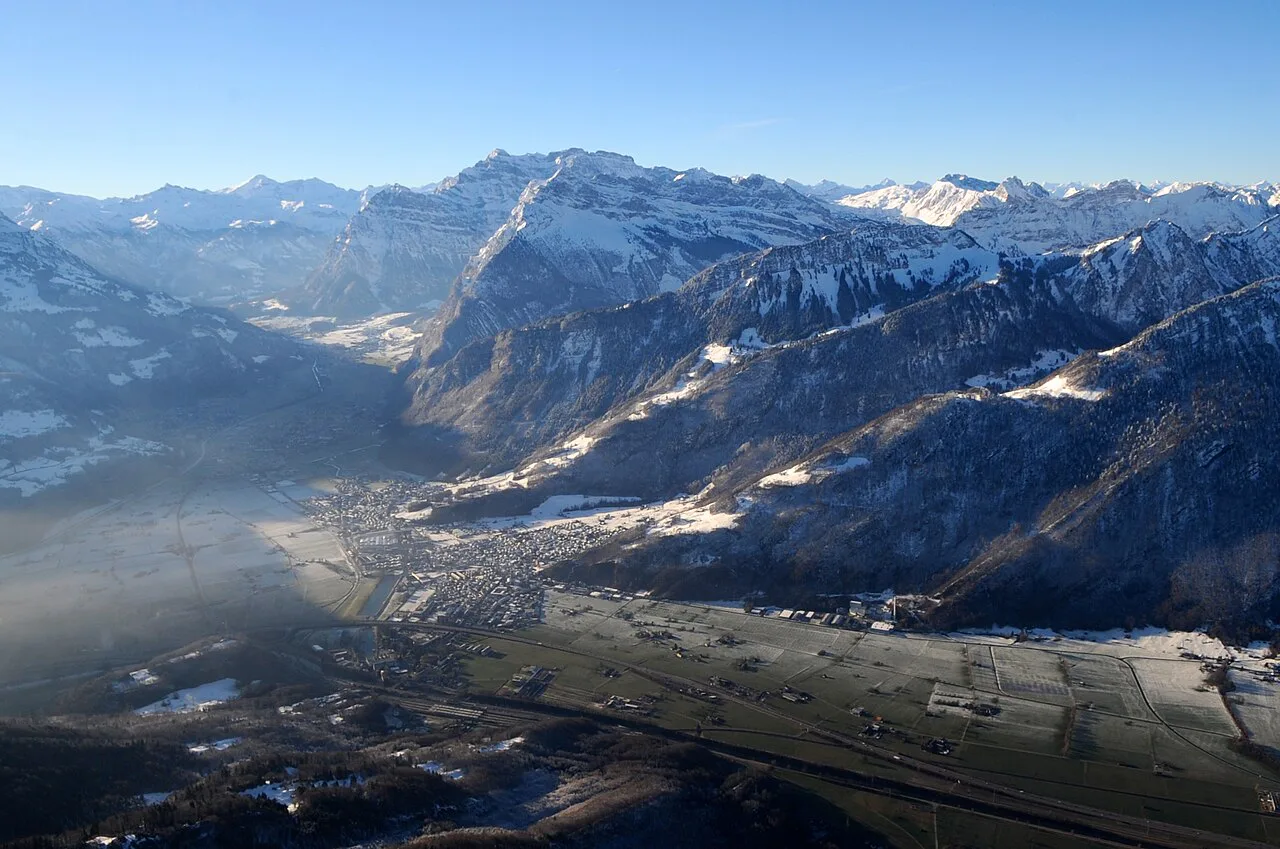
Your second Jungfrau day is a choice between two very different mountains. Grindelwald First is reached by a four-season cable car from Grindelwald, about 30 minutes from Interlaken by car or roughly the same by train, and offers a cliff walk, zip line, mountain carts and scooter rides.
Schilthorn, at around 3,000 meters, was a filming location for On Her Majesty's Secret Service, and the summit has a glass-floored observation deck and Bond-themed exhibits. Reach it by train to Lauterbrunnen, a local bus to Stechelberg and then cable car, which puts the village of Mürren directly on your route.
Choose First for active attractions and a shorter transfer; choose Schilthorn for the Bond exhibits, the cliff walk and an hour in Mürren, one of the most beautiful towns in Switzerland, with no cars and a single main street. Families often favor First for the rides, while photographers tend to prefer the Schilthorn side.
Day 7: Interlaken to Montreux
This westbound day moves you from the Bernese Oberland to Lake Geneva, a shift in language, cuisine and architecture that makes the loop feel like two trips in one. Montreux gives you a lakeside promenade and the option of an evening stroll along the water before dinner.
If the timing feels rushed, swap the Montreux night for a stop in Montreux on the way toward Zermatt instead; the point is the Lake Geneva overnight, not the specific order. Montreux is the base that most seven-day plans skip entirely, and adding it is exactly where the three extra days go.
For a sense of what else the country offers between the big sights, look at the towns along the way before you lock in the route; a small town en route can replace a transfer day.
Day 8: Montreux to Zermatt and Gornergrat
The train from Interlaken to Zermatt takes about 2 hours 40 minutes, and driving takes near three hours because the route puts your car on a shuttle train through the Lötschberg Tunnel. That tunnel crossing takes around 15 minutes, and a standard single fare for a car ran about CHF 28–30; rates vary by season and vehicle, so pricing is worth checking before you rely on it.
Zermatt is car-free. Drivers park at Täsch and transfer by train into town, so build that transfer into your arrival timing and pack light enough to manage the short walk from Zermatt station.
Arrive by midday and take the Gornergrat rack railway, a half-hour ride up to views of the Matterhorn, with frequent departures throughout the day. At the top there are trails, restaurants and a souvenir shop, plus a good chance of spotting ibex, chamois and marmots on the slopes.
Day 9: Matterhorn Glacier Paradise
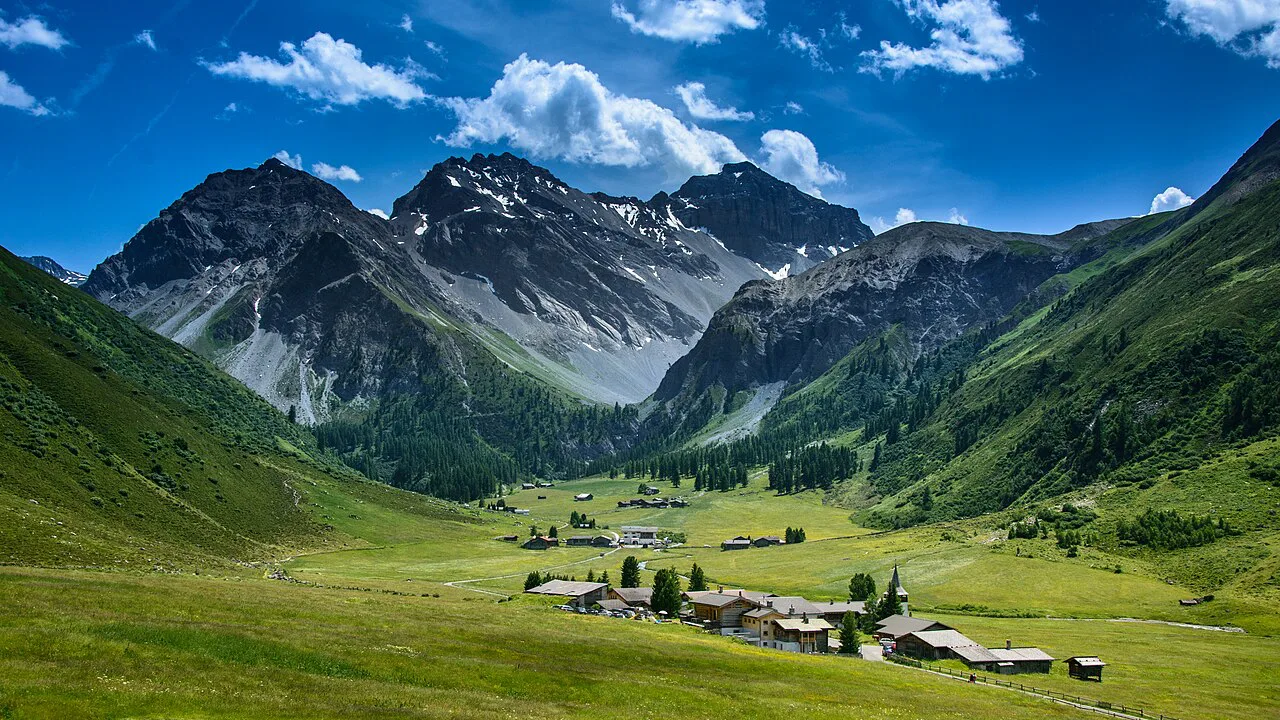
Matterhorn Glacier Paradise is the highest cable-car station in Europe, with a 360-degree platform overlooking 14 glaciers and 38 peaks. From car-free Zermatt, ride the electric bus to the gondola station and then take the three-section cable car up.
The summit has an ice palace, a cinema, a restaurant and a souvenir shop, and it is the place to be on a clear day even if you have already done Gornergrat. The two are not redundant: Gornergrat gives you the classic Matterhorn profile from across the valley, while Glacier Paradise puts you inside the glacier landscape.
If you only have one clear Zermatt day, take Gornergrat for the Matterhorn view and keep Glacier Paradise for a second visit; if cloud is low, the higher station is usually the better bet. If you want to shape the rest of your time here around these two excursions, our Zermatt city guide lays out the options day by day.
Day 10: Zermatt Back to Zürich
The return to Zürich takes about 4 hours by train, so plan a morning departure and keep the afternoon free for a last look at the city. If you skipped the Old Town on day one, the Limmatquai and Lindenhof loop is a good way to close the trip. If you are weighing up when to make this loop, the best time to visit switzerland guide covers season by season.
Allow buffer time before an evening flight. A four-hour ride plus airport transfer leaves little slack, and the Swiss rail network is punctual but the connection to the airport still takes a few minutes.
Swapping Bases and Cutting the Plan Short
Interlaken is a hub, not a requirement. Lauterbrunnen, Grindelwald, Wengen and Mürren all work as alternative bases for the Jungfrau days, and each has its own character: Wengen is car-free and perched above the valley, while Grindelwald sits closest to First. Adjust travel times accordingly.
If ten days shrink to five, follow the first four days here (Zürich and Lucerne) and then return to Zürich on day five; a 5 day switzerland itinerary keeps the plan tight. The first things to cut from a ten-day plan are the Zürich nights and the Montreux stop, not the Jungfrau days.
If you want to see how the shorter plan reads day by day, compare the 5-Day Switzerland Itinerary before booking. It shows which transfers are unavoidable and where the extra nights in the ten-day version actually add value.
For a family version with the same outlines, expect slower mornings and more rest days; the Jungfrau region works well because a rainy day can be spent in Interlaken without losing a transfer.
Budget and Practical Notes
Switzerland is expensive, and the mountain railways and cable cars are the line items that blow up a budget. The Jungfraubahn, Gornergrat, Glacier Paradise, Titlis and Schilthorn all charge separately from your rail pass unless a specific pass covers them, so price each excursion before you commit and check whether your pass applies.
For drivers, the Lötschberg car-train is the main toll-like cost on this route, at roughly CHF 28–30 for a single car crossing in the season the source describes; rates are confirmed at the BLS car-train counter or booking page.
Rail passes and discount cards change the math considerably on a loop this long. Rather than guess, price the individual legs on the SBB site and compare against the pass options that fit your dates; the answer often depends on whether you add the mountain excursions.
Season matters more than any other variable: Harder Kulm and some mountain lines run only part of the year, and winter closes trails and alters cable-car schedules. Check the best time to visit for your dates and confirm each lift's operating calendar before you book.
Getting Around: Trains, Scenic Routes and Cars
The loop works best by train: Zürich to Lucerne in about an hour, Lucerne to Interlaken in about 1 hour 50 minutes, Interlaken to Zermatt in around 2 hours 40 minutes and Zermatt back to Zürich in about 4. These are comfortable daytime rides with no need for an overnight train.
Driving adds flexibility but also the Lötschberg car-train and parking at Täsch, so it rarely saves money on this loop. The train also delivers you directly into the center of every base, which matters in car-free Zermatt and in the compact centers of Lucerne and Zürich.
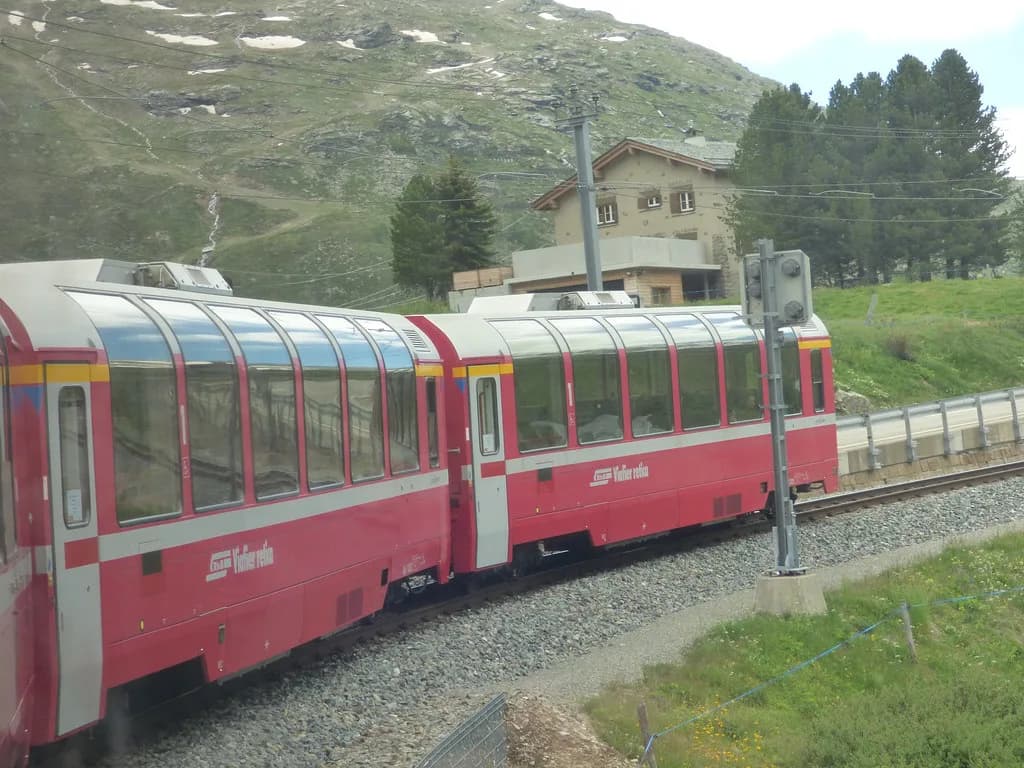
If scenic rail is a priority, add a segment on one of the famous panoramic routes rather than trying to fit it into the loop; the Glacier Express, for example, is its own separate experience and deserves its own day.
Plan Your Visit
Ten days in Switzerland works best as a single loop with five two-night bases: Zürich, Lucerne, Interlaken, Montreux and Zermatt. Book the train legs early, reserve the Jungfraujoch and Zermatt mountain excursions in advance, and leave at least one flexible day in Interlaken for weather.
The two easy places to trim are the Zürich nights and the Montreux stop; the Jungfrau days and the Zermatt nights are what make the trip memorable. Decide which excursions you actually want before you commit to dates, then price the loop against a rail pass for your season.
Explore more Switzerland guides
Frequently Asked Questions
How many days do you need in Switzerland?
Ten days lets you cover Zürich, Lucerne, Interlaken, Montreux and Zermatt with two nights in each base and a full day for both Jungfraujoch and Grindelwald First or Schilthorn. A seven-day version covers Lucerne, Interlaken and a single Zermatt night without Zürich or Montreux.
Is it better to base in Lucerne or Zürich on a ten-day trip?
Base in both: two nights in Zürich at the start and two in Lucerne next. Zürich gives you the Old Town and Lindenhof on arrival day, and Lucerne puts the Chapel Bridge, Lion Monument and the lake and peak excursions within walking distance.
Should you take the train or drive a ten-day Swiss loop?
The train is simpler on this loop because Zermatt is car-free and drivers must park at Täsch and transfer by train. Driving adds the Lötschberg car-train cost and parking, and rarely beats the rail times for this route.
Is Jungfraujoch worth a full day?
It is the anchor of the Jungfrau region and takes around two hours each way by train, or roughly 45 minutes less each way using the partial cable-car route. If it is your only chance to stand at almost 3,500 meters, budget the full day for it.
How long is the train from Zermatt back to Zürich?
About 4 hours, which is the longest single leg on the loop. Take a morning departure and leave buffer time before an evening flight.
Can you do a ten-day Switzerland itinerary with kids?
Yes, but build in slower mornings and rainy-day rest days in Interlaken. Grindelwald First's zip line, mountain carts and scooter rides and the Harder Kulm playground are the easiest family wins on this route.
Sources
Notes for your Swiss city break
Optional updates to our Swiss city guides.
You might also like
Continue reading
More guides you'll find useful