Switzerland in April: Weather, What's Open and Where to Go
Plan a Switzerland city break in April: typical spring weather, which mountain lifts and trains run, flower festivals on Lake Geneva, and costs in CHF.
On this page
April in Switzerland gives you two trips in one: green valleys, tulip beds and café terraces at low altitude, and full winter conditions on the high peaks above them. City daytime temperatures typically sit around 12–17°C, while mountains above roughly 1,500–2,000 m still hold snow, so a lake cruise and a snow panorama can share the same afternoon.
The trick is to plan two layers. Build your days around places that are reliably open — Zürich, Lucerne, Interlaken, Lauterbrunnen and the Lake Geneva shore — and treat high-altitude excursions as weather-dependent add-ons rather than fixed bookings. April is a genuine low season, which helps on hotel rates, though transport, mountain tickets and meals stay at Swiss prices.
Typical April Weather by City and Altitude
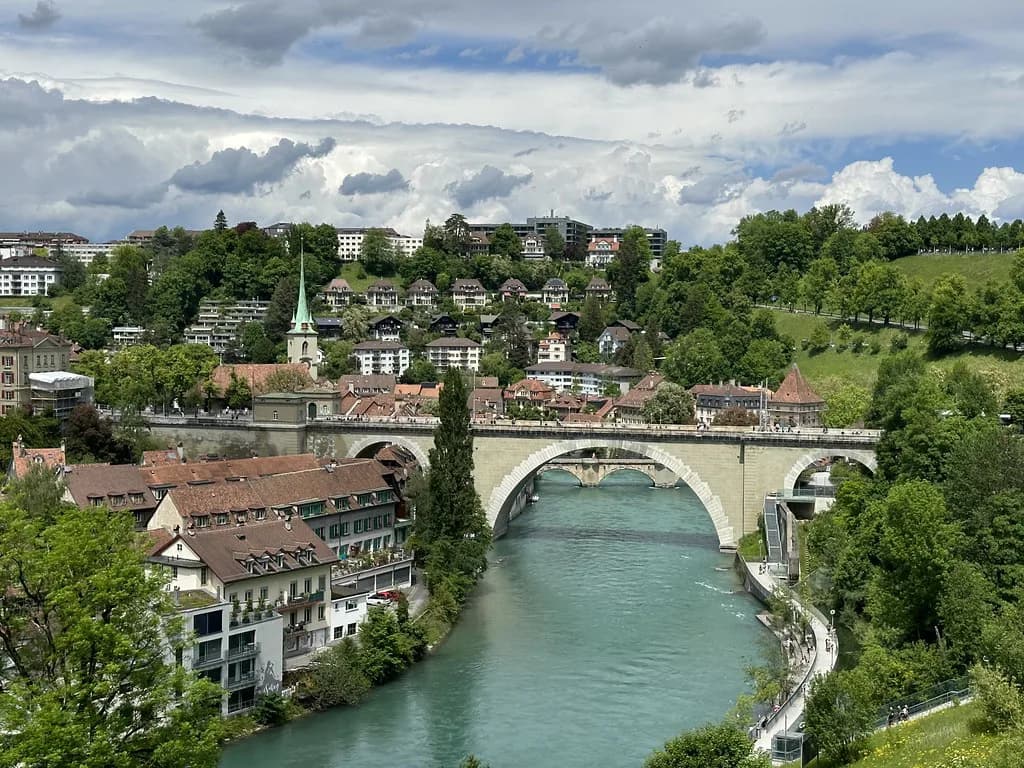
In Zürich, Basel and Bern, expect mild days of about 12–16°C and nights of 3–6°C, with showers on several days a week. Lucerne and Interlaken sit in the same band, but the mountains around them can be under cloud while the town is sunny, so a clear morning is the moment to head up.
Is Switzerland a good place to go in April? Yes, if you want spring flowers, fewer crowds and lower hotel rates than summer. The trade-off is that mountain weather stays wintry and some summer-only railways and trails are still closed, so plan around towns, lakes and year-round excursions.
What is the weather like in Switzerland in April? City and lake regions typically see daytime highs around 12–17°C with cool nights, while Ticino is mildest at roughly 15–19°C. Above about 1,500–2,000 m snow persists, and Jungfraujoch stays well below freezing with wind chill.
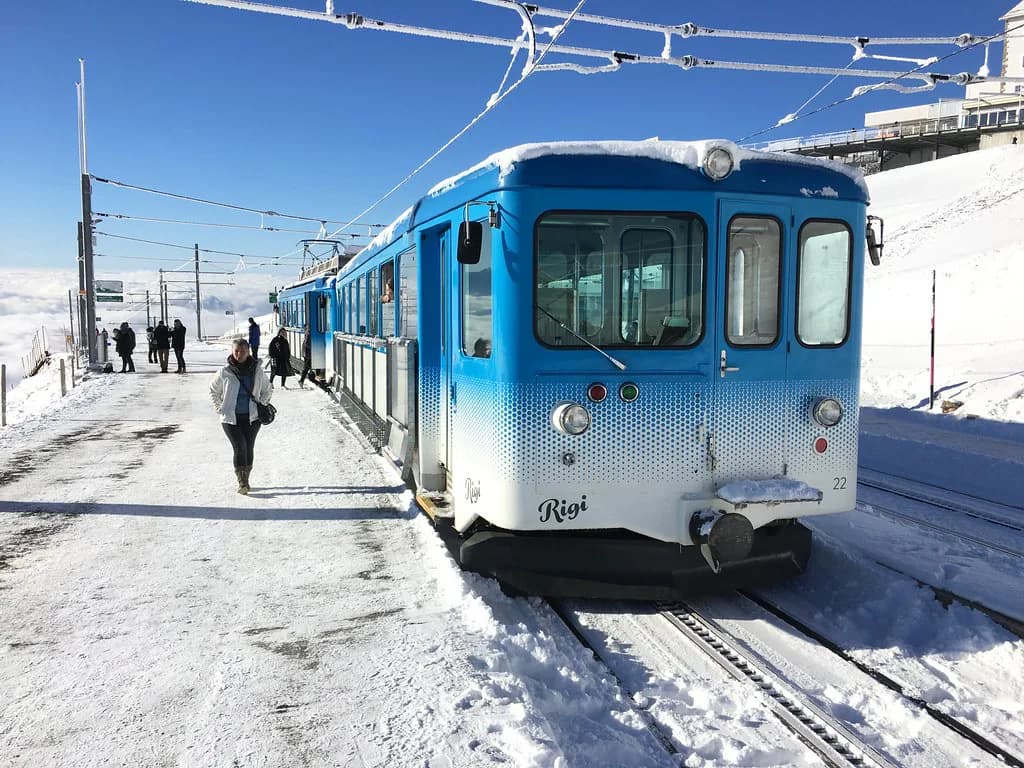
Are mountain trains and cable cars open in Switzerland in April? Jungfraujoch, Titlis and Rigi generally run through April, while the Pilatus cogwheel usually reopens in May and summer-only lines such as Schynige Platte stay shut. Some cable cars also pause briefly for seasonal maintenance in mid to late April.
The Lake Geneva cities — Geneva, Lausanne and Montreux — are among the warmest of the northern cities in April at roughly 13–17°C, and the first blossom shows up there. Ticino, around Lugano and Locarno, reaches about 15–19°C and gets spring color earliest, which makes it the strongest choice if you want warmth more than Alpine views.
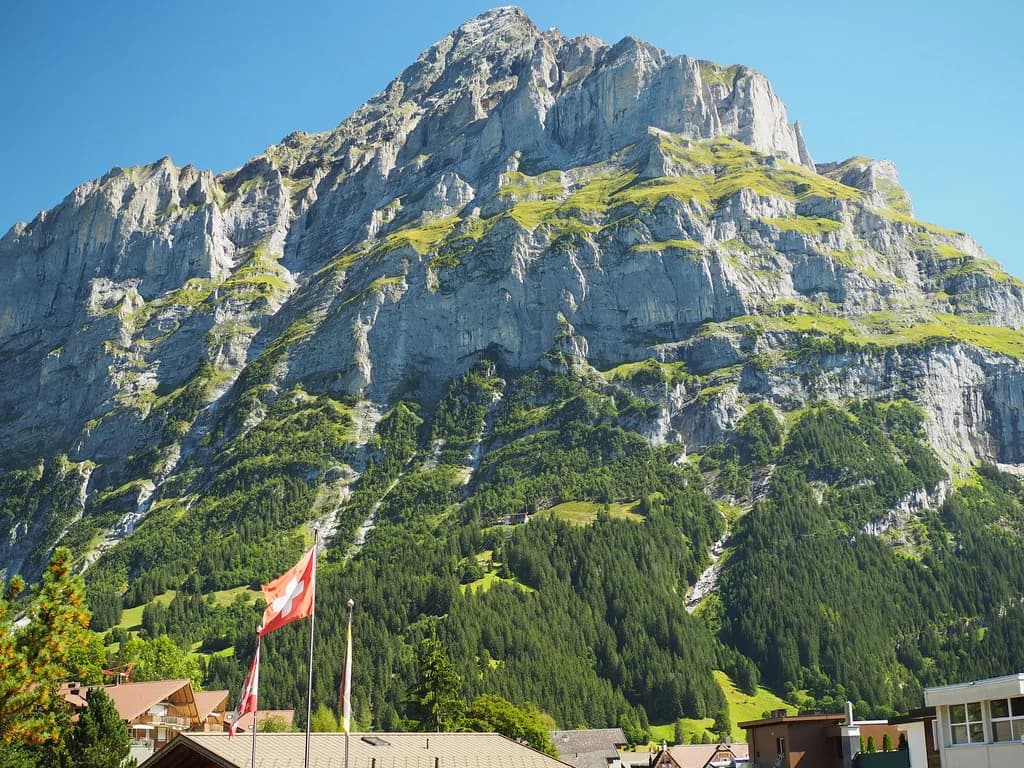
Altitude changes everything. Zermatt at 1,600 m sees roughly 4–9°C by day with nights at or below freezing, and Jungfraujoch at 3,454 m stays well below freezing with wind chill that can push it far colder. Pack for the lower number and you will be miserable at the top, so carry a warm layer and gloves even if the city forecast looks gentle.
What Is Open in April
Several headline mountain excursions run year-round, including Jungfraujoch, Titlis and Rigi. Mount Pilatus is different: the cogwheel railway usually reopens in May, so in April you would use the gondola from Kriens instead, subject to its published dates.
Trümmelbach Falls in the Lauterbrunnen Valley opens from early April when conditions allow, and the entry is CHF 18 for adults. Bring a waterproof jacket, because the visit puts you close to meltwater inside the rock.
Lake boats on Lucerne, Zürich, Geneva and Thun switch to spring timetables in April, gaining sailings as the month goes on. The Glacier Express and Bernina Express both run all year, though the Bernina runs fewer daily trains before the summer timetable. Schynige Platte and other summer-only lines stay closed until summer.
Mid to late April is also when some cable cars pause for a week or two of between-season maintenance, so an individual lift can be shut even in a resort that is generally open. Check the lift company's own page for your dates before you build a day around any single cable car.
What April Costs in Swiss Francs
A four-day Swiss Travel Pass in second class is CHF 309, which covers long-distance trains, lake boats and included mountain excursions such as Rigi. It pays off on days with several journeys; on a city day of walking and trams, it earns nothing, so mix full-travel days with local days rather than buying a pass for every day.
Smaller tickets add up. The S10 train from Zürich to the Uetliberg ridge costs CHF 9 one way, and scenic train tickets such as the Bernina and Glacier Express routes run CHF 150–180. Trümmelbach Falls entry is CHF 18.
Zürich in April
Start in the Altstadt, walk the Limmat riverside and climb to the Lindenhof viewpoint, then take a short cruise on the lake. The S10 train reaches Uetliberg in about 25 minutes from Zürich main station, where an easy ridge walk gives you the city and the Alps in one frame — best saved for sunset on a clear day.
The botanical garden is a good April stop for cherry blossoms and magnolias, and it fits neatly into a morning before the city gets busy. For a fuller look at what is happening in the city that month, see Zürich in April.
Lucerne in April
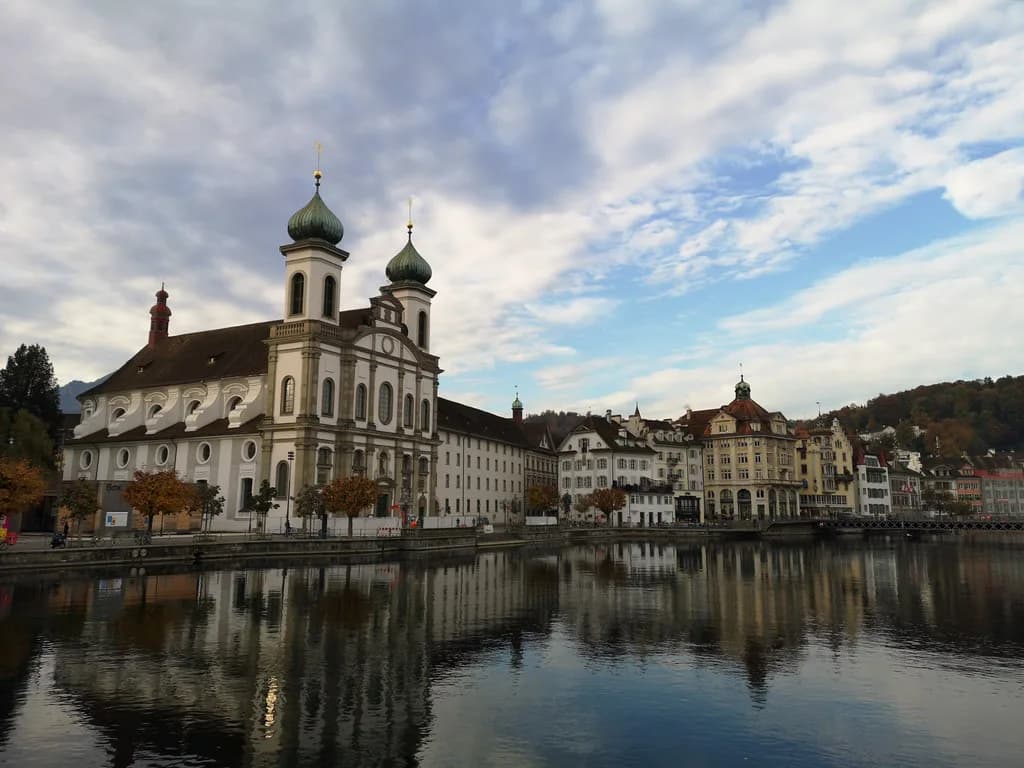
Lucerne rewards an early start: cross the Kapellbrücke, wander the old town and then take a boat across Lake Lucerne to the cogwheel railway up Mount Rigi. The crossing and the climb together fill a day, and Rigi's easy trails and mountain cafés work well in shoulder-season weather.
Zürich to Lucerne takes about 45 minutes by train, so Lucerne works as a day trip or as an overnight stop on the way south. If you are weighing this month against the next, Switzerland in May explains when more mountain lines come back into service.
Interlaken and Lauterbrunnen in April
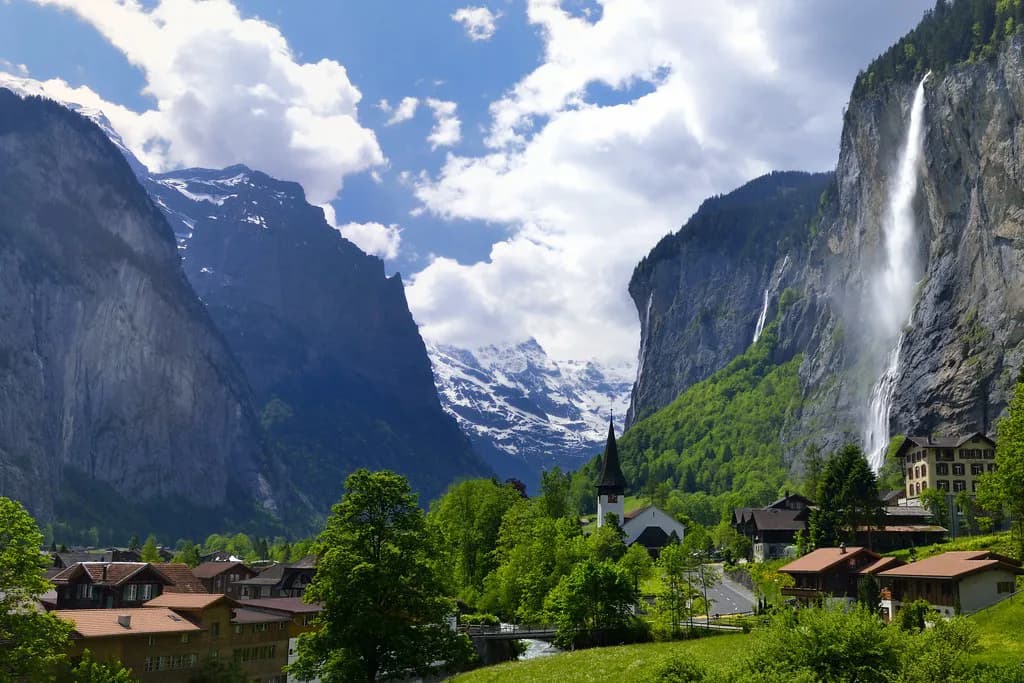
The Luzern–Interlaken Express links the two towns in about two hours, and from Interlaken a short train reaches Lauterbrunnen, where Staubbach Falls drops off the valley wall. Valley walks are the reliable April activity here: the meadows are waking up while the high trails above remain under snow. If you are building a base on the lake, our Lucerne city guide covers the other end of that route in more detail.
Trümmelbach Falls is the valley's standout indoor-ish stop and opens from early April when conditions allow. If the weather is clear and you want a big day, Jungfraujoch can replace the valley plan, but keep that decision flexible because clouds can hide the peaks entirely. If you are staying on the lake rather than in the valley, Interlaken in April: What to Plan and Expect covers the same trade-offs from a slightly different base.
Lake Geneva in April
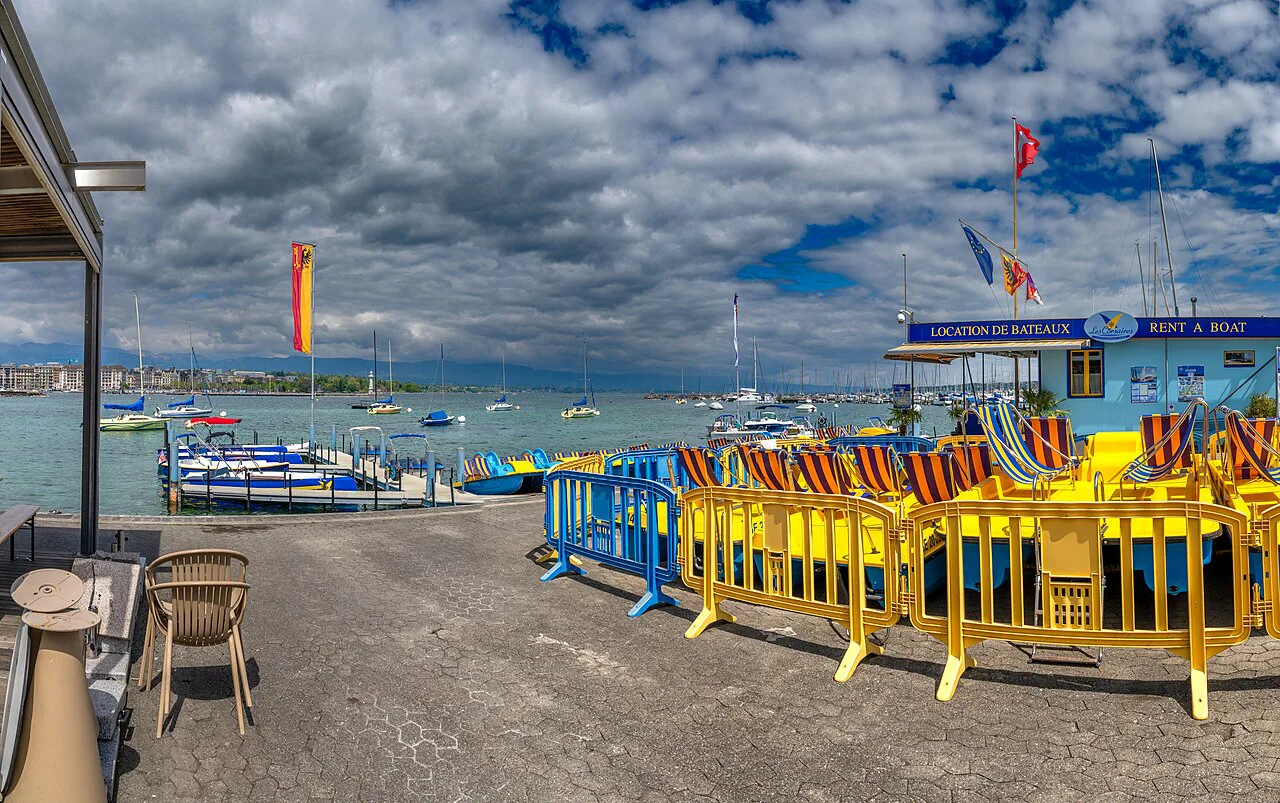
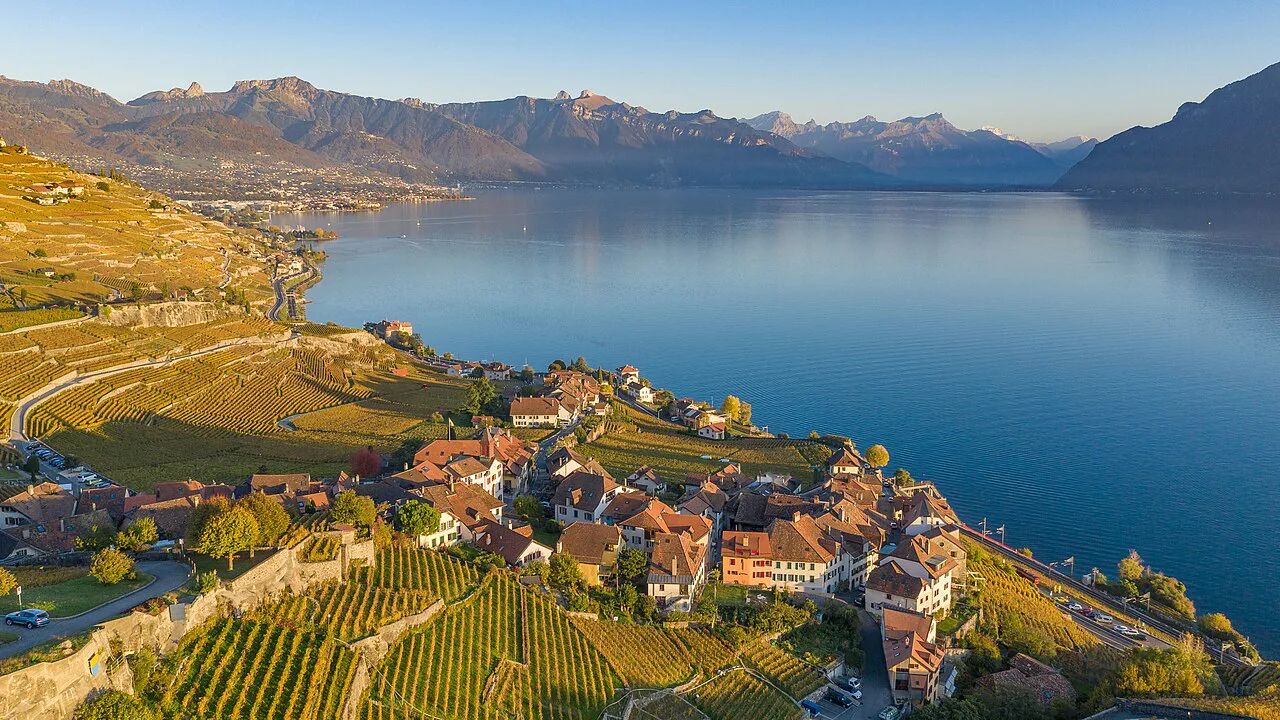
The Montreux promenade is at its best in April, lined with tulips and daffodils against the snow-covered Alps across the water. Continue to Chillon Castle and then the Lavaux terraces, a UNESCO-listed vineyard landscape that turns green by mid-April, with wine tasting possible at sunset.
Morges, near Lausanne, hosts a tulip festival with more than 100,000 flowers in hundreds of varieties beside the lake, published for 2027 as running from 23 March to 9 May. The whole shore is slow to warm but generous with blossom, which makes it the best pick for a spring-photo trip.
April Events Worth Planning Around
Zürich's Sechseläuten, published for 19 April 2027, brings guild parades and the burning of the Böögg snowman; the faster his head explodes, the better the summer is said to be. In Appenzell, the Landsgemeinde open-air vote by show of hands is scheduled for the last Sunday of April, published as 25 April 2027.
Easter moves, so check its date against your trip: in 2027 Good Friday falls on 26 March and Easter Monday on 29 March, before April begins. Swiss cantonal school holidays often land in April, so book early if your dates overlap them.
A Flexible Four-Day April Route
Day one: Zürich's old town, the Lindenhof, a short lake cruise and Uetliberg for sunset. Day two: train to Lucerne, cross the Kapellbrücke, sail the lake and ride up Rigi. Day three: the Luzern–Interlaken Express, then Lauterbrunnen for Staubbach Falls and Trümmelbach Falls. Day four: the GoldenPass line toward Montreux, Chillon Castle, the Lavaux terraces and, before 9 May, the Morges tulips.
Keep one day unbooked and move the mountain excursion to whichever morning looks clearest. Four days covers this Zürich–Lucerne–Interlaken–Lake Geneva loop comfortably; adding Zermatt or Ticino needs at least a week. For how this month fits the wider calendar, read the best time to visit Switzerland.
April Versus March and May
March is colder and wintrier in the valleys, with skiing still the main draw. April brings peak blossom and tulips with low crowds, but mountain access is in transition. May is milder and more settled, with more summer railway lines open — but crowds rise late in the month.
Choose April for flowers and value, and May for reliable weather and fuller mountain access. If your trip slides into early summer, Switzerland in June shows how much more opens up.
How to Fill a Rainy April Day
April showers pass quickly and mornings tend to be brighter, so front-load outdoor plans and keep an indoor option for the afternoon. In Zürich, the botanical garden and the old-town arcades absorb a wet hour easily; in Lucerne, the covered Kapellbrücke and the old town do the same.
Scenic trains are the best rain-proof plan of all: the Bernina Express and Glacier Express run all year, and a window seat through the Alps beats a washed-out viewpoint. Book seats a few days ahead for fixed dates.
Packing for April
Pack layers: a light base, a fleece and a packable waterproof jacket, plus waterproof shoes for cobbled streets and wet paths. Add a hat and gloves for Jungfraujoch or any high viewpoint, and sunscreen and sunglasses for altitude sun. Bring a Type J adaptor, since Swiss sockets differ from standard European plugs.
Plan Your April Trip
April works best when you split the trip in two: cities, lakes and vineyards at low altitude, with the high Alps as a bonus on a clear day. Book the fixed pieces — scenic train seats and any must-do summit — and leave one day free to chase the weather.
If your dates can move, compare this month with Switzerland in July before you commit, and confirm lift and railway schedules on operator sites close to your travel dates.
Explore more Switzerland guides
Frequently Asked Questions
Is Switzerland a good place to go in April?
Yes, if you want spring flowers, fewer crowds and lower hotel rates than summer. The trade-off is that mountain weather stays wintry and some summer-only railways and trails are still closed, so plan around towns, lakes and year-round excursions.
What is the weather like in Switzerland in April?
City and lake regions typically see daytime highs around 12–17°C with cool nights, while Ticino is mildest at roughly 15–19°C. Above about 1,500–2,000 m snow persists, and Jungfraujoch stays well below freezing with wind chill.
Are mountain trains and cable cars open in Switzerland in April?
Jungfraujoch, Titlis and Rigi generally run through April, while the Pilatus cogwheel usually reopens in May and summer-only lines such as Schynige Platte stay shut. Some cable cars also pause briefly for seasonal maintenance in mid to late April.
Does it snow in Switzerland in April?
Snow remains common at higher elevations, with mountains above roughly 1,500–2,000 m still snow-covered, and glacier areas keep skiing. Lower cities and valleys usually see spring conditions instead.
What are the best things to do in Switzerland in April?
Walk the Montreux promenade and Lavaux terraces, catch the Morges tulips, ride up Rigi from Lucerne, see Trümmelbach Falls in the Lauterbrunnen Valley, and take a scenic train such as the Bernina Express.
How many days are enough for Switzerland in April?
Four days cover a Zürich, Lucerne, Interlaken and Lake Geneva loop at a steady pace. A week or more lets you add Zermatt or Ticino without rushing.
Is April better than May for visiting Switzerland?
April wins on fewer crowds, peak blossom and softer hotel rates. May offers milder, more settled weather and more open mountain railways, so pick April for flowers and May for mountain access.
What should I pack for Switzerland in April?
Bring layers, a waterproof jacket, waterproof shoes, a hat and gloves for altitude, plus sunscreen and sunglasses. A Type J power adaptor is needed for Swiss sockets.
Sources
Notes for your Swiss city break
Optional updates to our Swiss city guides.
You might also like
Continue reading
More guides you'll find useful