Best Time to Visit Switzerland for a City Break
Pick your Swiss city break season with confidence: spring, summer, autumn and winter weather, crowds and daylight, and what each season means for city days.
On this page
Spring and autumn are the best all-round seasons for a Swiss city break, with comfortable walking temperatures and thinner crowds than midsummer. Summer rewards you with long daylight and lively lakeside promenades, but it is the busiest stretch of the year. Winter works only for a short stay focused on city streets and museums, and Switzerland stays expensive in every season, so timing is about crowds, daylight and mountain access rather than big savings.
Quick Answer: Season at a Glance
Spring runs from March to May, with temperatures climbing from roughly 5°C to 15°C and changeable weather that includes both sunshine and showers. Summer, June to August, is the warmest window at about 18°C to 30°C, and it is the peak season for outdoor activity, festivals and the lakes. Autumn brings cooler, mixed days, with November dropping toward 2°C to 8°C, while winter settles into lowland temperatures around -2°C to 4°C.
What is the best time to visit Switzerland for sightseeing? Spring and autumn give the best balance for city sightseeing, with comfortable walking temperatures and thinner crowds than midsummer. Summer works well if you want long daylight and lakefront evenings, but expect the busiest streets of the year.
What is the cheapest time to go to Switzerland? Switzerland is a high-cost destination in every month, so no season delivers a discount holiday. Spring and autumn ease pressure on accommodation and give you more flexibility, but plan on a high daily spend whenever you go.
What is the weather like in Switzerland in spring, summer, autumn and winter? Spring runs from March to May with temperatures climbing from roughly 5°C to 15°C and changeable weather. Summer, June to August, typically sits between 18°C and 30°C.
Spring (March to May): Mild Days, Snow on the Peaks
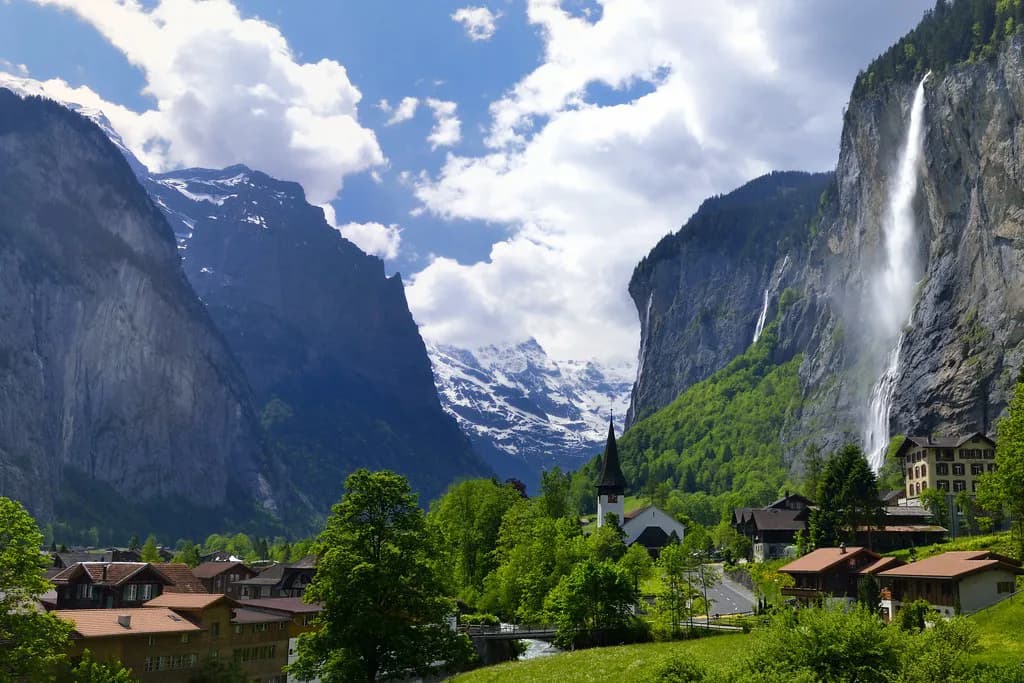
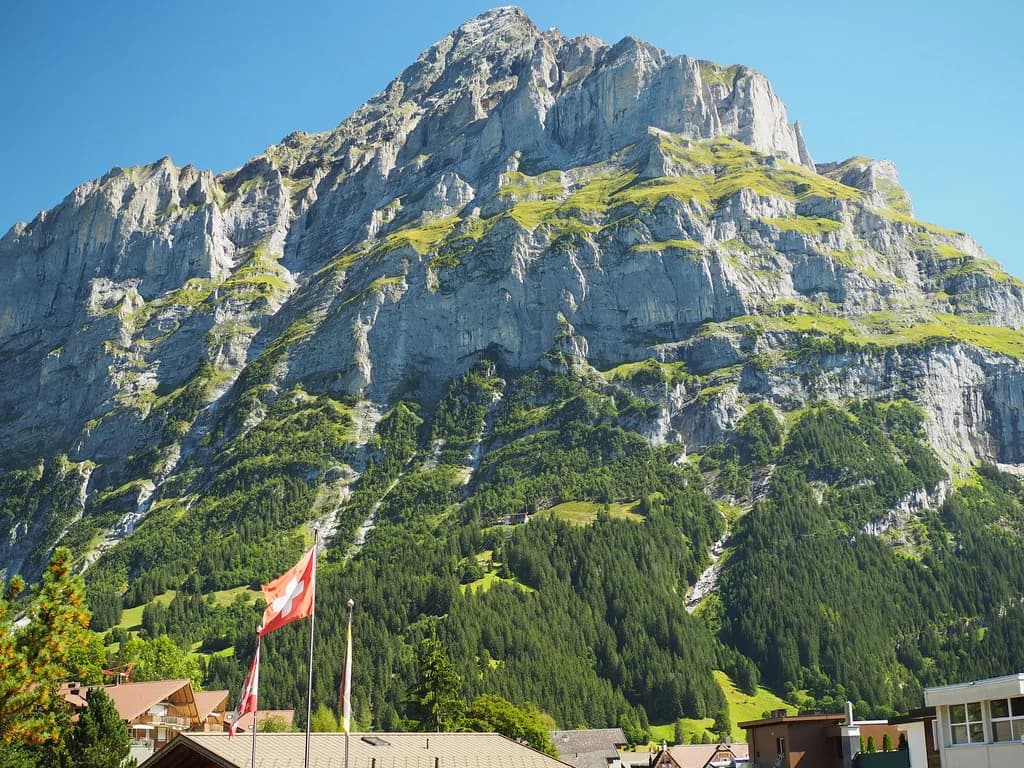
Spring is the season city days shine: temperatures rise gradually and Zürich, Lucerne and Geneva see fewer tourists and more manageable conditions for walking the old towns. Pack a rain jacket and light warm layers, because the weather shifts quickly and a sunny morning can turn showery by afternoon. Snow still caps the peaks above the lowlands, so the backdrop stays dramatic even when you spend the day at street level.
For a month-by-month look at early spring, our guide to switzerland in april covers what is open and how the weather typically behaves. If you want a high-altitude viewpoint without committing to a full hiking day, checking the Mount Titlis conditions before you travel tells you whether the glacier terrain suits your dates. Late spring is the safer bet for combining city sightseeing with a mountain excursion.
What Spring Means for Mountain Railways and Viewpoints
High mountain transport and viewpoints open on their own schedules, so a spring city break needs a flexible plan rather than a fixed mountain day. Build your itinerary around the cities first and treat any cable car or railway trip as a bonus you confirm close to your dates. Lower-lying walks and lakefront promenades are reliable in spring even when the summits are still in winter mode.
One useful rule of thumb: Switzerland's summer tourist season runs roughly from May through September, though in mountainous areas it often does not start until sometime in June. Plan a May city break with mountain ambitions accordingly, and keep the high viewpoints for a later trip or a later month.
Summer (June to August): Long Days and Peak Crowds
Summer delivers the longest daylight of the year and typical temperatures between 18°C and 30°C, which makes it the easiest season for fitting a lot into a few days. It is also the most popular time to visit, so expect company in the cities and along the lakes. Book accommodation and any timed entries well ahead, and treat the extra hours of evening light as your buffer for the busiest sights.
For a detailed weather picture and ideas for early summer, see our guide to switzerland in june, which covers what a June city break looks like. July brings the fixed annual Montreux Jazz Festival, so plan around the crowds if the Lake Geneva shore is on your route. Our switzerland in july guide covers how the month plays out for city travelers.
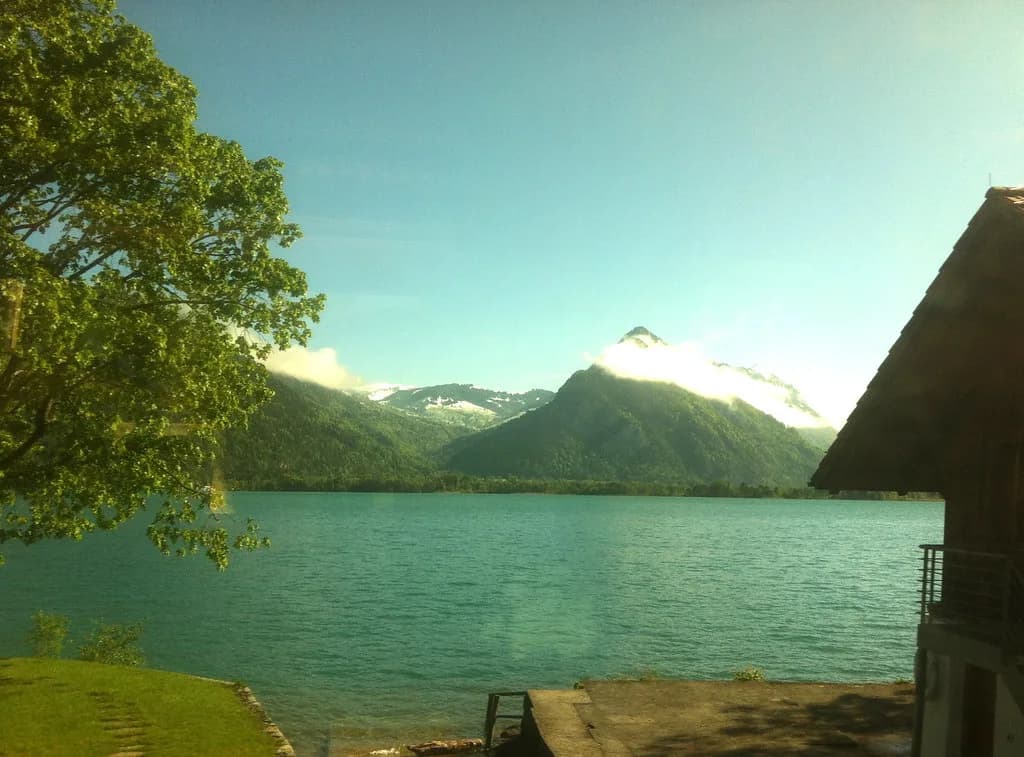
Summer is also the season when the lakes come into their own, with Lake Geneva, Lake Zurich and Lake Thun particularly appealing for an afternoon on the water. Use the long days for an early start on the old towns, a shaded museum stretch at midday and a walk along the shore in the evening.
How Summer Heat Changes a City Itinerary
A hot Swiss summer day is best split into three parts: a cool morning walk through the old town, a long midday block inside a museum or church, and a late-afternoon return to the squares and riverbanks. Zurich's Sechseläuten spring festival sits earlier in the year, so summer city days are about the streets and water rather than festival crowds. Keep walking distances short and plan a relaxed sit-down in the shade between sights.
Museums and churches set their own opening days, so check each venue's published hours before you build a day around it. A simple plan of one indoor anchor per afternoon protects your itinerary when the heat peaks. August 1 is Swiss National Day, a fixed annual date with fireworks and festivities, which changes the rhythm of an evening in town.
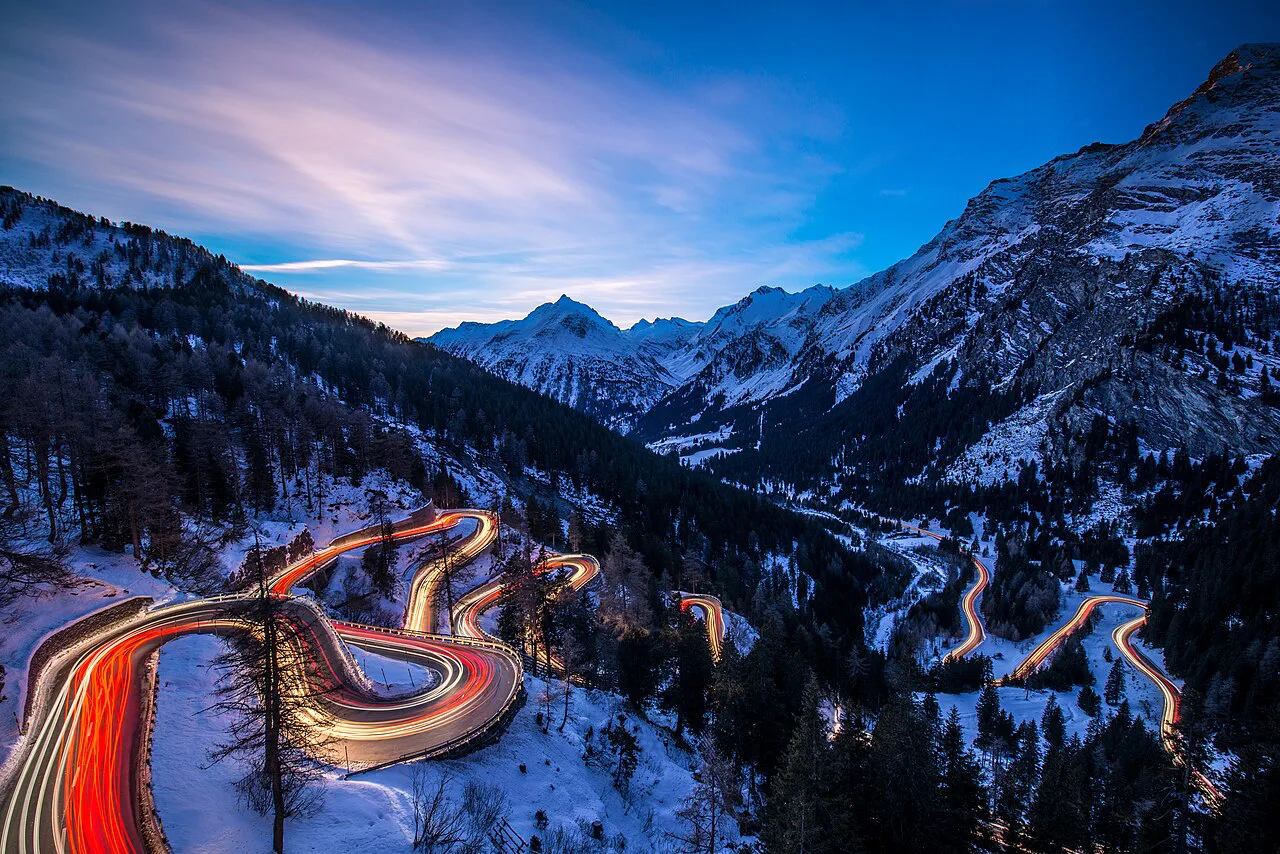
Autumn (September to November): Fewer Tourists, Cooler Evenings
Autumn brings foliage, the grape harvest and noticeably thinner crowds, which makes it one of the most comfortable seasons for city sightseeing. September still feels mild, but by November temperatures slide toward 2°C to 8°C, so warm layers and an evening coat matter. The wine harvest gives Neuchâtel and the Lavaux vineyards above Lake Geneva a lively character in early autumn.
If Lake Geneva is on your route, our guide to switzerland in may shows how the shoreline and its towns work in a shoulder month, and the same slow-travel logic applies in fall. Fewer people on the promenades means you can take the long way between sights without losing an afternoon.
Why Autumn Suits City Sightseeing in Lausanne, Basel or Bern
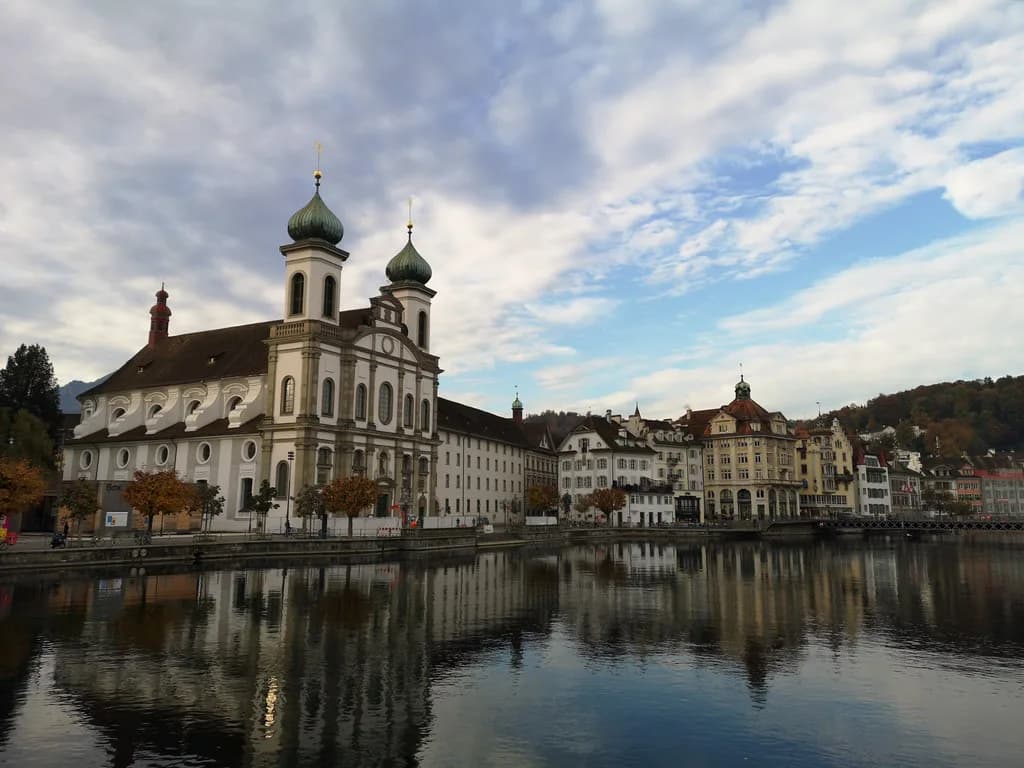
Autumn's clear air makes walking tours, riverside strolls and vineyard paths especially pleasant, and the cooler temperatures favor long days on foot rather than long lunches in the shade. Lausanne, Basel and Bern all reward that kind of slow, street-level sightseeing. Shorter daylight means you should front-load outdoor sights in the morning and save interiors for the afternoon.
Before locking in dates, read our guide to the best time to visit basel, which sets out how the city's seasons differ. It helps you match a specific city to the season that suits it.
Winter (December to February) in Brief
Lowland winter temperatures hover around -2°C to 4°C, with colder conditions in the mountains, so a winter city stay is a short, cold-weather affair built around streets, cafés and museums. It works best as two or three days in one city rather than a multi-stop tour. Mountain excursions and ski plans belong to a different kind of trip.
Shoulder-Season Trade-offs: Quiet Streets vs. Short Days
The shoulder months trade daylight and mountain access for quieter streets and easier restaurant tables. Spring and autumn give you comfortable walking weather, but alpine transport and high viewpoints may not yet be running in spring or may be winding down in late autumn. If a mountain day is central to your trip, aim for the core summer months and accept the crowds that come with them.
For travelers who care most about the cities, the calculation flips: shorter days are fine when your plan is compact old towns, museums and an evening meal. Build a realistic one-or-two-sights-per-day rhythm and leave slack for weather.
How Many Days You Need: City Break vs. a Longer Trip
A focused city break of three to four days covers one city well and allows one nearby excursion. A longer trip of around 7 to 10 days lets you pair Zürich, Lucerne and Geneva with time in the Alps, while 10 to 14 days suits a slower pace or a deeper look at one or two regions. If Lucerne is on your list, our Lucerne city guide helps you weigh how the seasons change a shorter stay there. Be honest about how much moving around you want, because every transfer eats into sightseeing time.
Summer days are long enough for a city plus an excursion in the same day, while autumn and spring favor keeping the two separate. Whatever the season, count transfers as half-days and protect at least one full day per city.
Matching the Season to What You Want
For sightseeing, spring and autumn give the best balance of comfortable temperatures and manageable crowds. For photography, summer's long evenings and autumn foliage each offer something different, so pick based on whether you want green landscapes or warm color. For mountain excursions, summer is the most dependable window, with early summer being the moment when high terrain starts to open.
For budget, no season delivers a discount holiday, but spring and autumn reduce pressure on accommodation and give you more flexibility. Switzerland is expensive year-round, so plan on a high daily spend regardless of when you go and focus your choice on crowds and daylight instead.
The Swiss Franc Reality: Prices Stay High in Every Season
Timing a trip around low prices rarely works in Switzerland: the country is a high-cost destination in every month, and the main seasonal differences are crowds and daylight rather than steep discounts. Budget in Swiss francs and check current prices directly with each museum, mountain railway or transport operator before you commit, since published rates are the only reliable figure. Even in quiet months, cities like Zürich and Geneva carry big-city pricing.
Verdict: Which Season Fits Which City Break
Choose spring for a first city break when you want mild weather, fewer tourists and a good balance between walking and indoor sights. Choose summer if long daylight and lakefront evenings matter more than quiet streets, and accept the crowds as the price of the season. Choose autumn for the most comfortable sightseeing weather and the best light, and reserve winter for a short, focused stay in one city. If Zürich is your base, our Zürich city guide shows how these seasonal trade-offs play out street by street.
Plan Your Visit
Start by deciding what the trip is really for: a compact city break, a city-plus-mountain combination or a longer multi-city route. Then pick the season that supports that plan, book the big items early in summer, and keep a flexible day for weather. Confirm opening days and transport schedules directly with each venue and operator before you travel, and budget in Swiss francs from the outset.
Explore more Switzerland guides
Frequently Asked Questions
What is the best time to visit Switzerland for sightseeing?
Spring and autumn give the best balance for city sightseeing, with comfortable walking temperatures and thinner crowds than midsummer. Summer works well if you want long daylight and lakefront evenings, but expect the busiest streets of the year.
What is the cheapest time to go to Switzerland?
Switzerland is a high-cost destination in every month, so no season delivers a discount holiday. Spring and autumn ease pressure on accommodation and give you more flexibility, but plan on a high daily spend whenever you go. Check current prices directly with each venue.
What is the weather like in Switzerland in spring, summer, autumn and winter?
Spring runs from March to May with temperatures climbing from roughly 5°C to 15°C and changeable weather. Summer, June to August, typically sits between 18°C and 30°C. Autumn cools toward 2°C to 8°C by November, and lowland winter hovers around -2°C to 4°C. These are typical averages, not forecasts.
How many days do you need for Switzerland?
A focused city break of three to four days covers one city well and allows one nearby excursion. A longer trip of around 7 to 10 days lets you pair Zürich, Lucerne and Geneva with time in the Alps, while 10 to 14 days suits a slower pace or a deeper look at one or two regions.
Is autumn a good time to visit Swiss cities?
Autumn is one of the most comfortable seasons for city sightseeing, with foliage, the grape harvest and noticeably thinner crowds. September still feels mild, but by November you need warm layers and an evening coat, and shorter daylight means front-loading outdoor sights in the morning.
When does the tourist season start in Switzerland?
Switzerland's summer tourist season runs roughly from May through September, though in mountainous areas it often does not start until sometime in June. Plan a May city break with mountain ambitions accordingly, and keep high viewpoints for a later trip or a later month.
Sources
Notes for your Swiss city break
Optional updates to our Swiss city guides.
You might also like
Continue reading
More guides you'll find useful