Parks in Basel: Green Spaces Worth Your Time
A practical guide to Basel's green spaces, from the free University Botanical Garden by the Spalentor to Kannenfeldpark's lawns, play areas, and café.
On this page
Two green spaces earn a deliberate stop on a short Basel break: the University of Basel Botanical Garden beside the Spalentor, and Kannenfeldpark in the north of the city. Neither asks for a whole afternoon, and both work best as a pause inside a walk rather than a destination on their own. The Botanical Garden is free to enter, which matters in a city where most paid attractions add up quickly.
Plan them around what is already nearby. The Botanical Garden pairs naturally with the Spalentor and the old town, while Kannenfeldpark suits families or anyone who wants lawns, a playground, and a table tennis table for an hour. The best green stop on a tight schedule is the one attached to a sight you were already going to see.
Which Parks and Green Spaces in Basel Are Worth Visiting
Basel has two green spaces that justify a detour on a city break: the Botanical Garden at the University of Basel and Kannenfeldpark. The Botanical Garden is small but free, and its position near the Spalentor makes it easy to reach on foot from the old town. Kannenfeldpark is larger and more residential, with lawns and play areas rather than botanical collections.
Treat both as hour-long stops, not half-day outings. Basel's compact center means you can walk between the old town, the Spalentor, and the Botanical Garden without transport. Kannenfeldpark sits farther out, so give it a block of time rather than trying to squeeze it between two museums.
If you want a broader plan for the city before choosing your stops, our guide to things to do in basel sets out the sights, quarters, and timings that these green spaces slot into.
Kannenfeldpark: Lawns, Playgrounds, Table Tennis and a Small Café
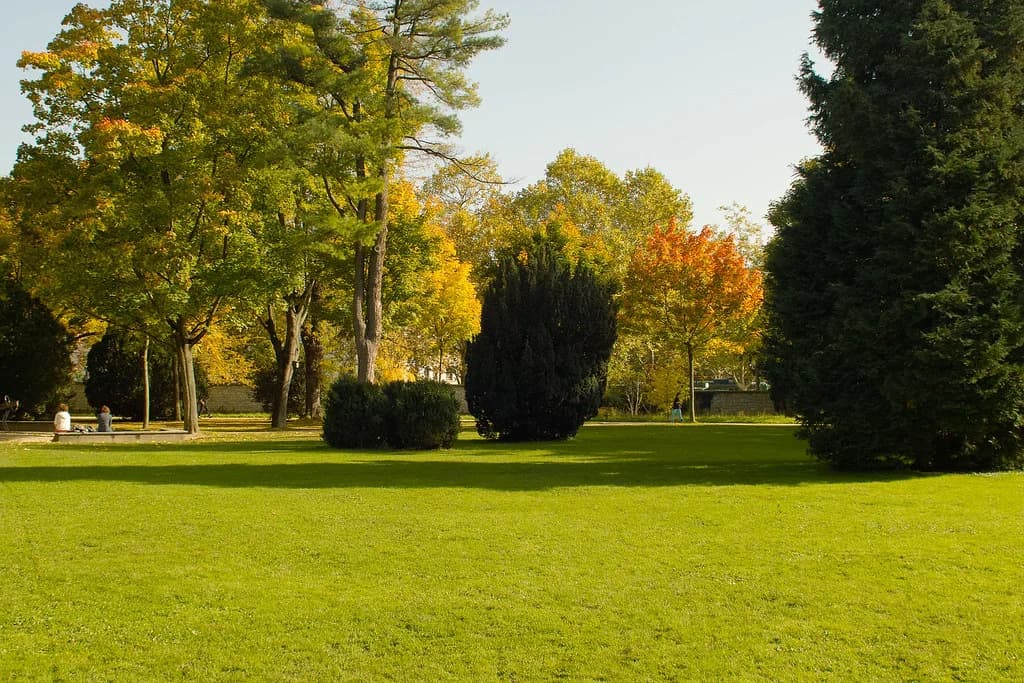
Kannenfeldpark is the most practical green space in Basel for families and for anyone who wants an unstructured hour. The park has walkers, joggers, children's play areas, a small amphitheater, table tennis, a small café, fountains, and plenty of benches. That mix means you can keep children busy while adults sit with a coffee, or take a table tennis paddle and use a table.
The café is a small one, so treat it as a convenience rather than a destination meal. The amphitheater and lawns give the park a neighborhood feel, which is part of the appeal if you have already had your fill of the old town. Benches and fountains make it a low-cost pause in an expensive city.
Kannenfeldpark is north of the center, so it fits best at the start or end of a day rather than in the middle. If you are staying near the old town, weigh whether the trip out is worth it: families with children usually say yes, while a couple with one day in Basel may prefer to spend that time around the Rhine.
The Botanical Garden at the University of Basel near the Spalentor
The Botanical Garden at the University of Basel is the green space that earns its place on almost any short itinerary. It sits close to the Spalentor, one of the surviving city gates, so you can pair the two in a single walk. Entry is free, and the garden opens from 8am most days, with the greenhouses opening at 9am.
Give it half an hour or a little more. It is a small garden, so the appeal is the compactness rather than size: you can see it properly without committing a morning. The greenhouses are the reason to time your visit after 9am rather than arriving at opening.
The Spalentor is the other half of the visit. The gate is one of three remaining city gates and carries carvings, turrets, and patterned tilework, so allow a few minutes to look up before or after the garden. Walking from the old town to the Spalentor and the garden is straightforward on foot.
Fountains and Squares in the Old Town as Places to Pause
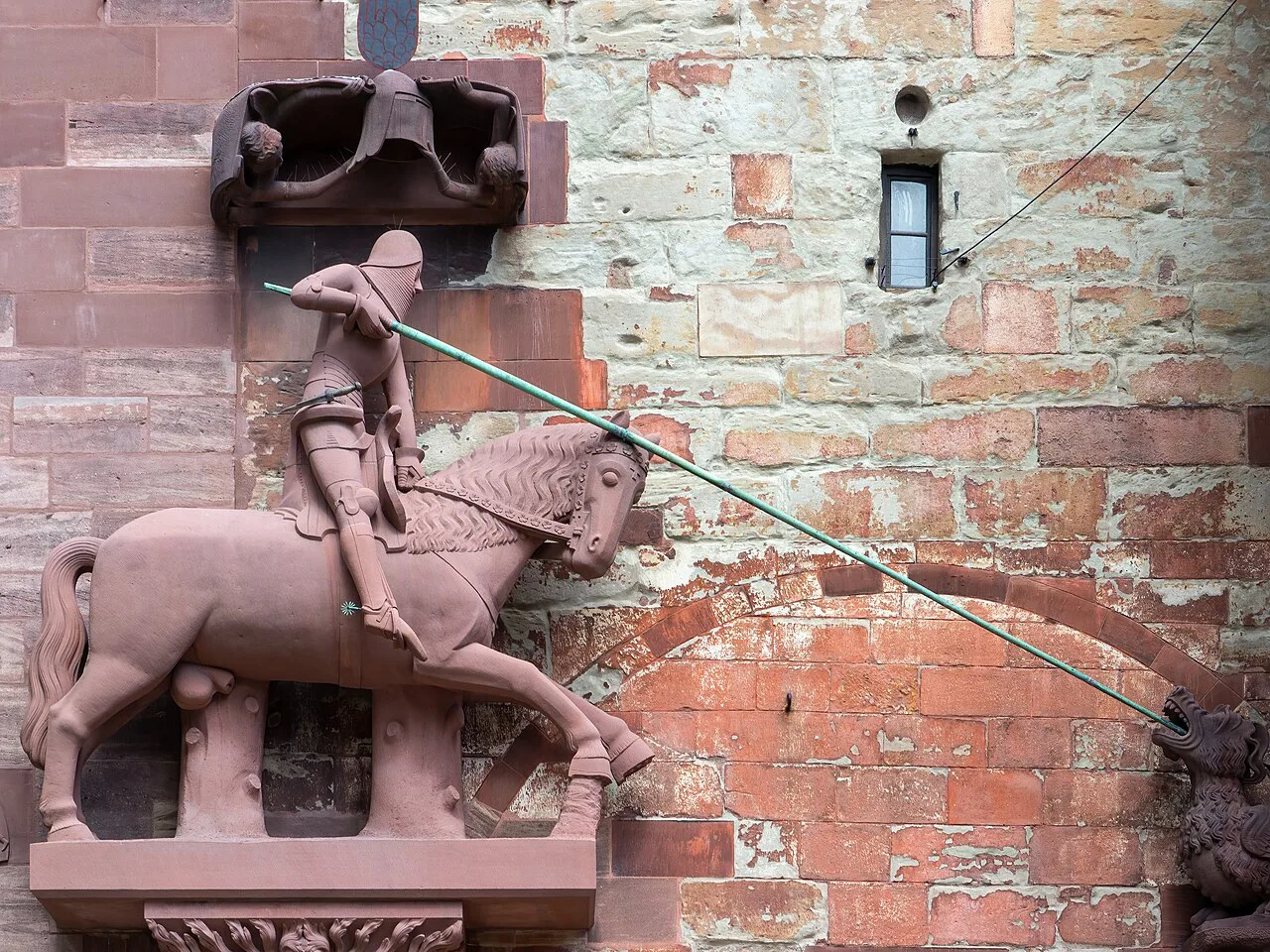
Basel's old town has its own kind of green pause: the squares and fountains that break up the streets. The Neptune Fountain in front of the Barfüsserkirche is one example, set before a former Franciscan church that now houses the Basel Historical Museum. These are not parks, but they are places to sit, rest, and take in a building without paying an entrance fee.
The old town rewards slow walking more than checklist ticking. A bench on a square, a fountain, and a few minutes watching the street do more for a short break than rushing between sights. If you want a structured route, a self guided walking tour can string the squares and fountains together with the major sights.
The old town also gives you the option of a free pause between paid attractions. The Basler Münster and the Mittlere Brücke are both within walking distance, so you can build a low-cost loop of square, fountain, and bridge without needing a ticket.
Putting a Park Stop into a Walk between the Spalentor and the Rhine
The most efficient green stop in Basel is the Botanical Garden between the Spalentor and the river. Start at the Spalentor, spend half an hour in the garden and greenhouses, then walk down through the old town toward the Rhine. That route keeps transport out of the day and puts the park exactly where you need a break.
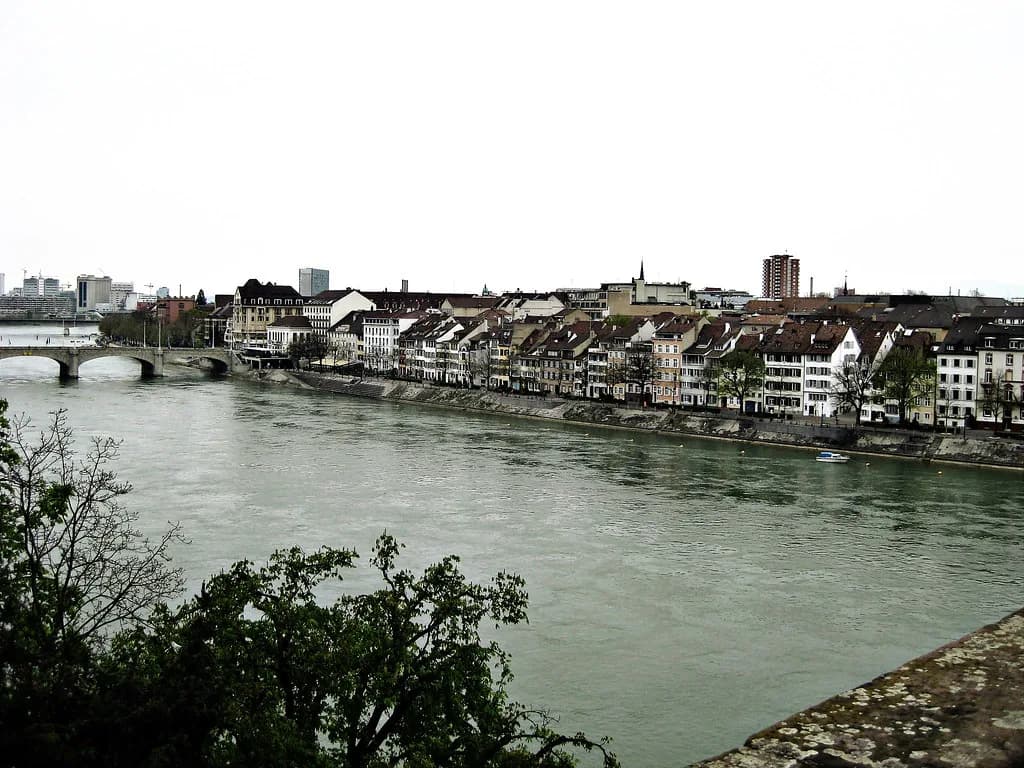
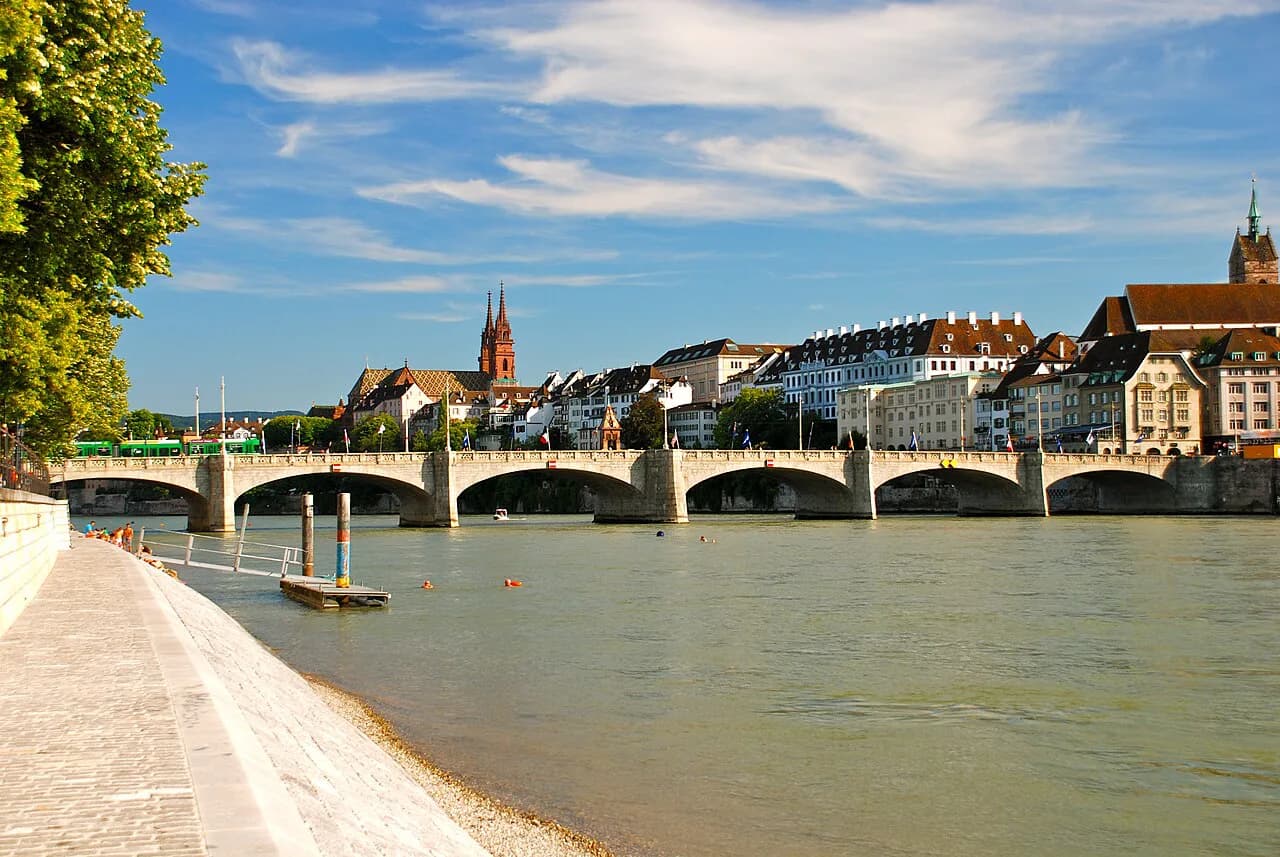
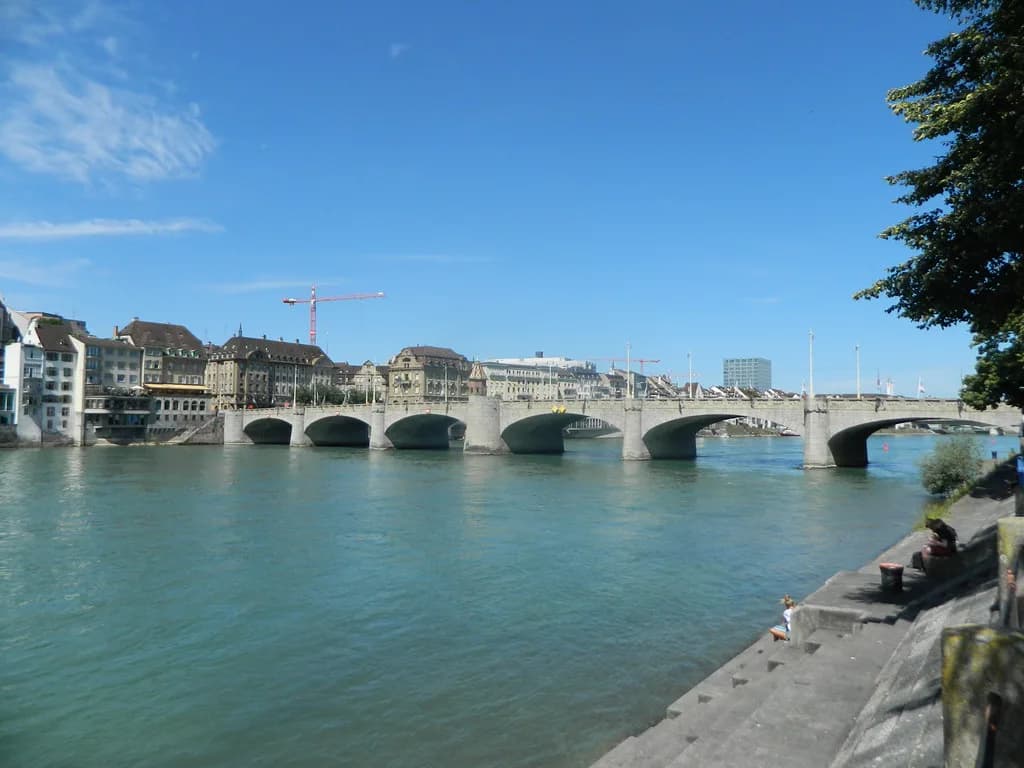
At the river, the Mittlere Brücke is the historic crossing and the point where the old town meets the water. The bridge allows only bikes, buses, and trams, so it is calm enough to stop and look. Our guide to the Mittlere Brücke covers the crossing and what surrounds it, and it is the natural end point for a park-and-old-town loop.
If you have a second day and are considering the north of the city, Kannenfeldpark is the green space to add. It does not connect neatly to the Spalentor walk, so treat it as a separate outing rather than a detour. That honesty about geography is what keeps a short break from turning into a transport day.
What the Parks Cost and Where the Free Options Are
The Botanical Garden is free to enter, which makes it one of the best-value stops in a city where most attractions charge. Entry to the Basel Minster is also free, with an extra charge only if you climb the tower. Pairing these free options with a paid museum gives you a balanced day without blowout costs.
Kannenfeldpark's listed features, including benches, fountains, and a small café, do not carry published prices, so plan on paying only for what you buy at the café. The park itself is a public space. Our roundup of free things to do in basel is the place to build a low-cost day around these stops.
For a museum-heavy day, the museums in basel guide sets out the options, including the Museum Tinguely and the Kunstmuseum. A green stop between two museums is a useful way to pace a day without adding a ticket.
How Much Time to Give the Green Spaces versus the Museums
Budget one hour for the Botanical Garden including the Spalentor, and one to two hours for Kannenfeldpark if you are using the playground or table tennis. That leaves the bulk of a short break for the old town, the Rhine, and one or two museums. Trying to add more green spaces than this is where a city break starts to feel rushed.
Museums deserve the larger block. The Museum Tinguely opens Tuesday to Sunday, from 11am to 6pm, with Thursdays until 9pm, and admission is 18 CHF, so a visit there is a deliberate choice rather than a filler.
If you want a broader comparison of Swiss city parks, zurich parks and bern parks follow the same logic: pick the green space closest to the sights you already plan to see. Basel's advantage is that its best free garden sits inside the old-town walk rather than at the edge of the city.
Plan Your Visit
For a one-day Basel plan, use the Botanical Garden and the Spalentor as a single stop, then continue to the old town and the Rhine. For a two-day plan, add Kannenfeldpark on the day you want a slower start with children or a picnic. Both are low-cost ways to break up a dense sightseeing day.
Opening details for the Botanical Garden greenhouses and any seasonal changes are best confirmed on the university's garden page before you go. Check the current details for Kannenfeldpark's café if a coffee stop matters to your plan.
Explore more Basel guides
Frequently Asked Questions
Is the Botanical Garden in Basel free?
Yes. The University of Basel Botanical Garden is free to enter. It opens from 8am most days, and the greenhouses open at 9am, so time your visit after 9am if you want to see them.
What can you do in Kannenfeldpark?
Kannenfeldpark has walkers' paths, jogging routes, children's play areas, a small amphitheater, table tennis, a small café, fountains, and benches. It is best suited to families or anyone who wants an unstructured hour outdoors.
How long do you need for Basel's green spaces?
Give the Botanical Garden and the Spalentor about an hour together, and Kannenfeldpark one to two hours if you use the playground or table tennis. That leaves time for the old town, the Rhine, and a museum or two.
Which park is closest to the old town?
The Botanical Garden is the closest, sitting near the Spalentor within walking distance of the old town. Kannenfeldpark is farther north and works better as a separate outing.
Where can you sit outside in Basel without spending much?
The Botanical Garden is free, and the old town squares and fountains, such as the Neptune Fountain by the Barfüsserkirche, give you places to pause. Kannenfeldpark's benches and lawns are another low-cost option.
Sources
Notes for your Swiss city break
Optional updates to our Swiss city guides.
You might also like
Continue reading
More guides you'll find useful