Lucerne vs Interlaken: Which Swiss Base Fits Your Trip?
Lucerne offers a walkable old-town break; Interlaken puts you beneath the Eiger, Mönch and Jungfrau. Compare layouts, lift costs and days needed.
On this page
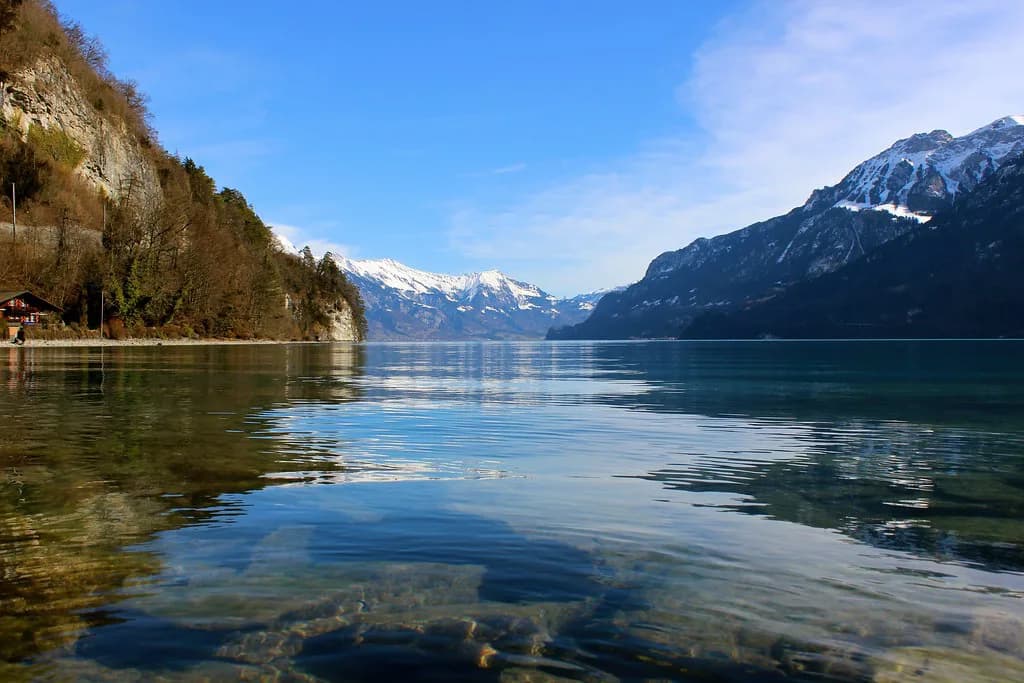
Pick Lucerne for a compact city break: a walkable center, lake frontage and a day that fits together on foot. Pick Interlaken for a small-town base beneath the Eiger, Mönch and Jungfrau, with Lake Thun and Lake Brienz on either side and a funicular that lifts you 1,322 meters in ten minutes. The two answer different questions, so decide what your mornings and evenings should look like first.
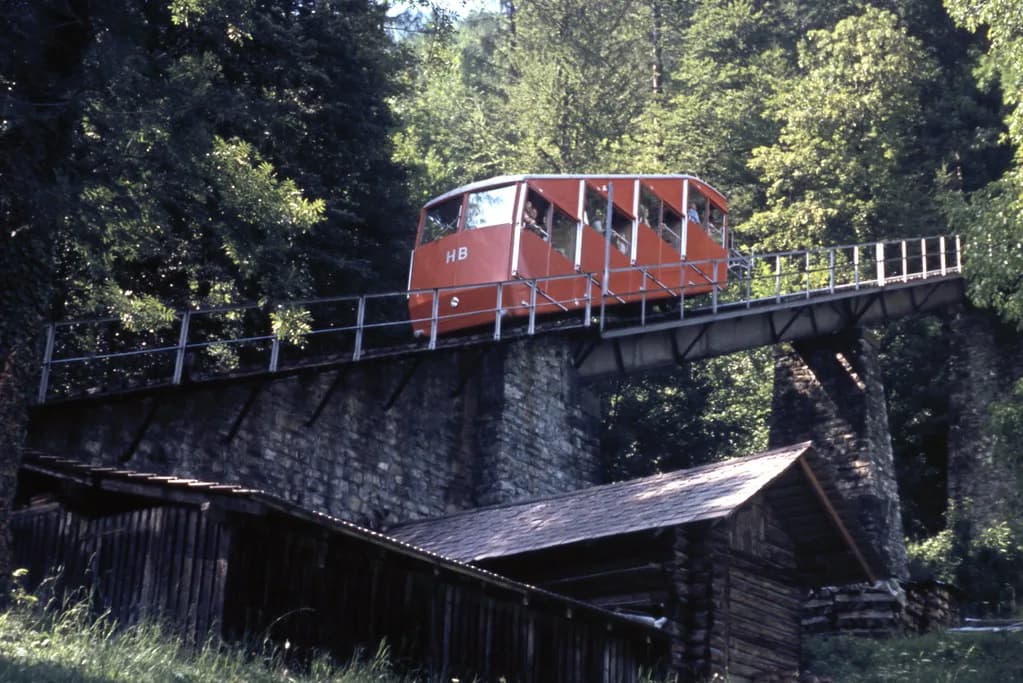
Interlaken rewards travelers who treat the town as a launch point. The Harder Kulm funicular runs from a valley station a short walk from Interlaken Ost, and the ride to the top takes ten minutes, which means an evening panorama is genuinely possible after a full day out. Lucerne rewards the opposite instinct: staying close to the center and letting the lake and old-town streets fill the hours.
How Each Place Is Laid Out
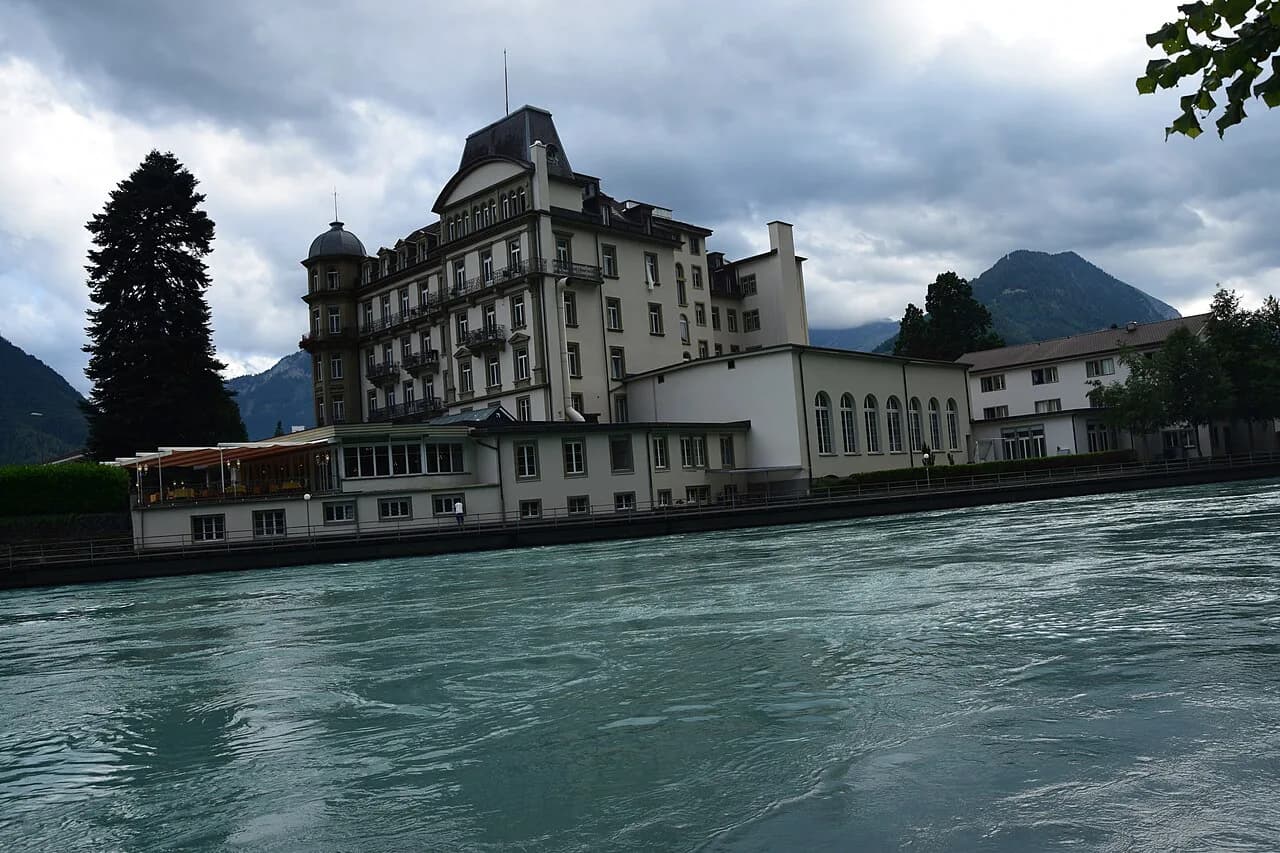
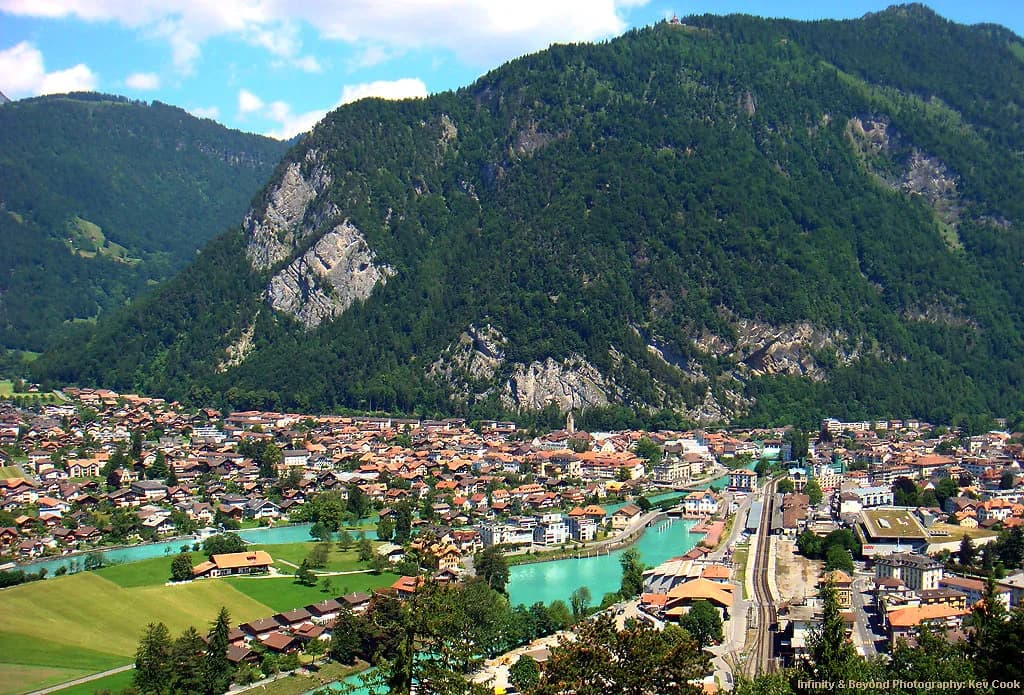
Interlaken splits into two stations, Interlaken Ost and Interlaken West, with the open Höhematte meadow between them. That green gap is the town's orientation point: stand in it and the Jungfrau rises ahead, while paragliders drift down onto the field on clear afternoons. Because the two stations sit at opposite ends, your first decision is which side your days will start from, and a look at the Interlaken Neighborhoods: 4 Area Guides helps you weigh each side.
Lucerne works on a different scale. Its center is compact enough to cross on foot, with the lake edge and the historic core sitting close together, so you rarely need a plan beyond a direction. That saves time and transit fare, and it gives a short trip a density that a mountain town cannot match.
The practical consequence is simple. In Interlaken you plan around lifts, weather windows and station transfers; in Lucerne you plan around streets, water and squares. If you want a trip where the day assembles itself as you walk, Lucerne is the easier base. If the mountain-base version is what you are actually choosing, the best time to visit interlaken will shape how many of those lift days you can bank.
What You Actually See in Interlaken
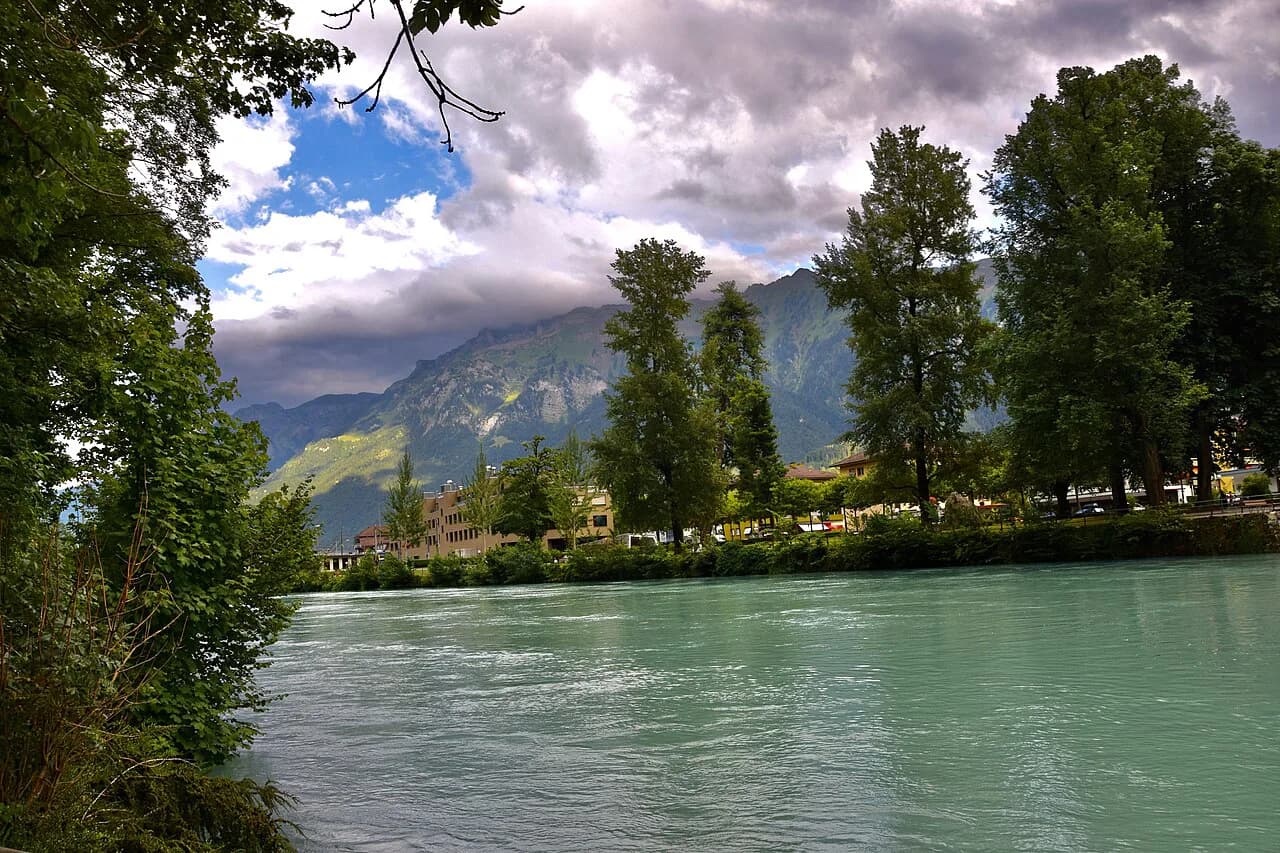
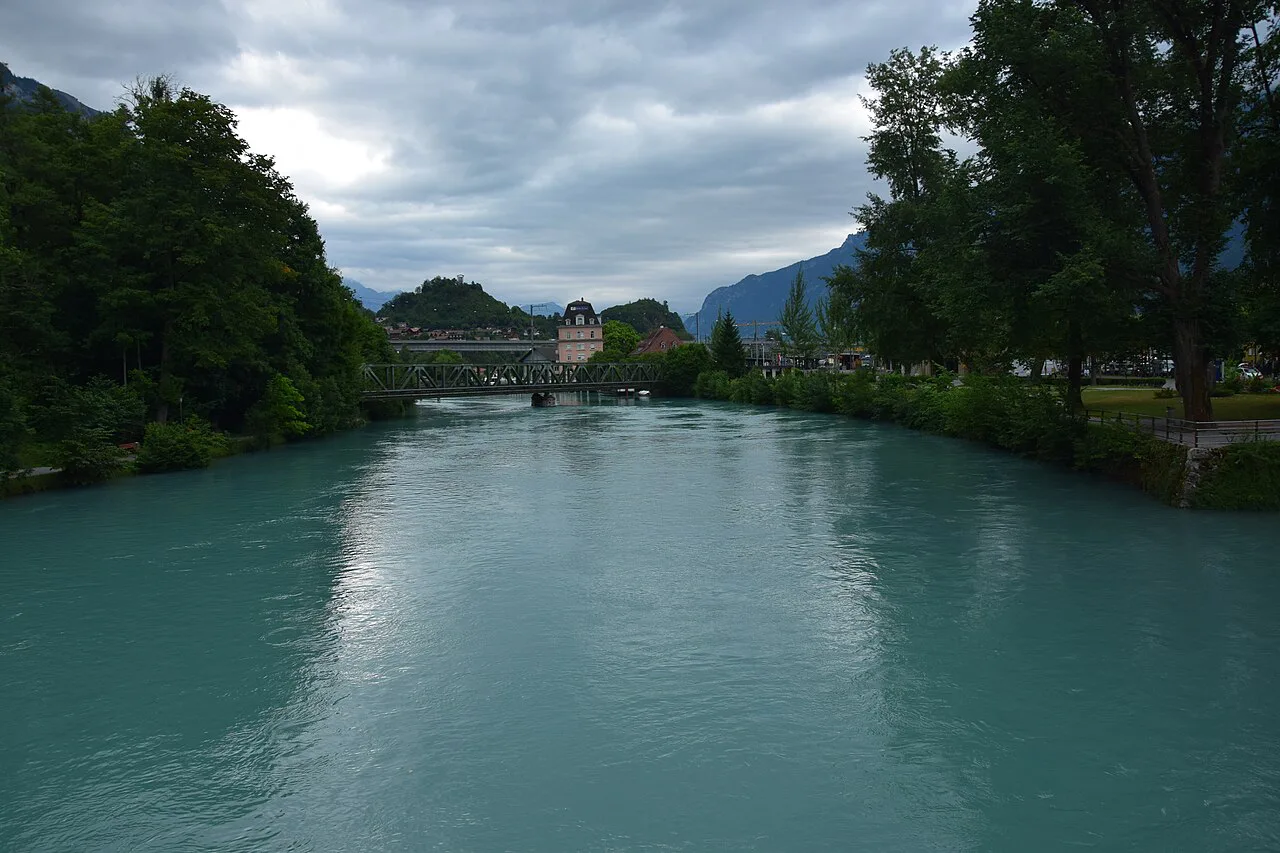
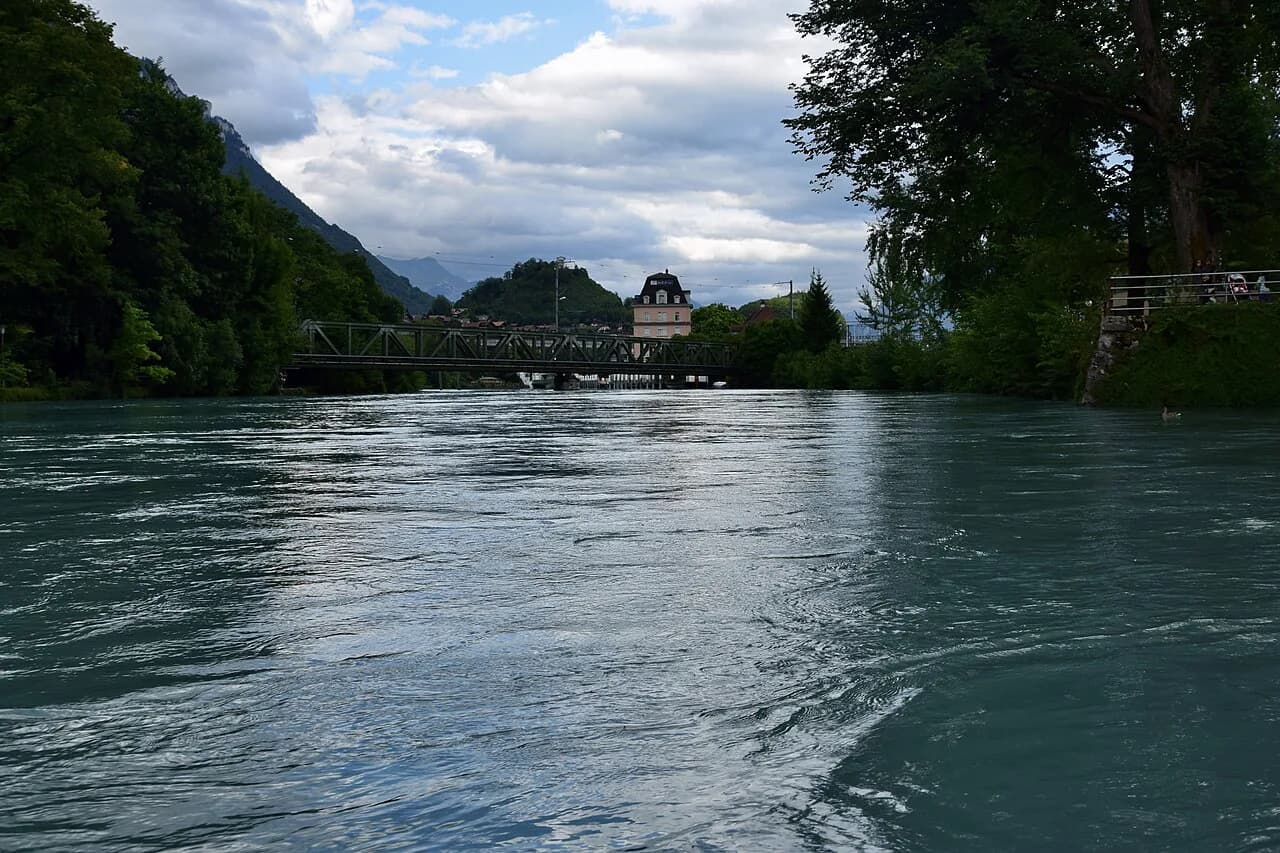
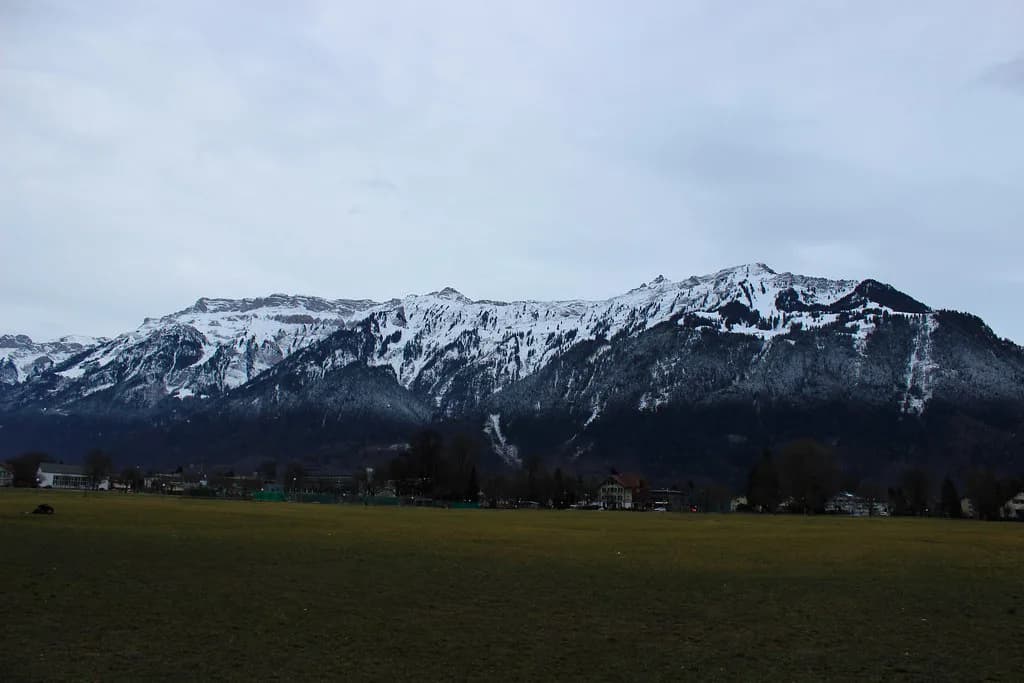
From the Höhematte the classic view is the Jungfrau massif above the meadow, framed by the town's low buildings. The Aare and Lütschine rivers run through the area, and the two lakes give the town its name and its geography. None of this is a mountain summit, but it is a real alpine setting that costs nothing to look at; to decide where to sleep within this setting, the Interlaken Neighborhoods guide breaks the town into four areas.
The town's proper headline is Harder Kulm at 1,322 meters, reached by the Harder Railway funicular. Up top, the Two-Lakes Lookout Point platform puts Lake Thun and Lake Brienz below you with the Eiger, Mönch and Jungfrau straight ahead, and the official timing for the platform is about 15 minutes excluding the ride. A wide panoramic circular route through shaded forest takes about an hour at an easy pace.
If your picture of Interlaken is a mountain town where the scenery does the work and the sightseeing is a ride plus a viewpoint, it delivers exactly that. Read an honest take on is interlaken worth visiting before you commit nights to it, because the town itself is small and the mountains are the reason to stay.
What You Actually See in Lucerne
Lucerne's appeal is a city break rather than a mountain base: a historic core you can wander, a lake frontage that gives the center its light, and squares and covered bridges that make the old town worth a slow morning. The compact layout means you can see a lot without a transit plan, which matters on a two- or three-night stay.
Choose Lucerne when the trip is about being in a city: coffee, streets, water, and an evening that does not depend on a cable car running. Choose Interlaken when the trip is about altitude. That single test settles most of the decision before price or transit enters it.
The Mountain Cards Each Base Holds
Interlaken's local card is Harder Kulm. The Harder Railway Ticket starts from CHF 19, and the funicular takes ten minutes from the valley station, so a mountain trip fits into a half-day without eating the whole schedule. The Panorama Restaurant at the top and a playground and viewpoint make it workable for mixed groups.
The neighboring mountain card is Schynige Platte, where a nostalgic railway climbs to the Schynige Platte Skywalk at 1,967 meters. The short walk across the vantage platform opens a panorama of the Bernese Alps down to Lake Thun, and the site also holds an Alpine Botanical Garden with roughly 800 plant species. Tickets start from CHF 34.
Both mountains sit on the Interlaken side of the comparison, which is the honest imbalance in this choice. If your shortlist includes a funicular, a ridge platform and an alpine garden, Interlaken is the base that reaches them. Lucerne's strength is the city itself, not a stack of summits.
Rainy Days in the Jungfrau Region
Bad weather does not empty the Interlaken area. The regional tourism board's rainy-day programme points to museums covering regional history, local wildlife and Sherlock Holmes, plus gorges that stay sheltered and look more dramatic with more water in the streams. Indoor pools and indoor sport round out the options when the cloud sits low.
That matters for planning because mountain lifts and viewpoints lose their point in cloud. Build one flexible indoor day into an Interlaken stay rather than filling every slot with a summit, and a wet morning costs you an activity instead of the trip.
How Many Days Each Base Needs
Give Interlaken's town itself one to two days and add time for each mountain you actually ride up. The trade-off is blunt: the town is small, so days spent in it are short, and the value comes from Harder Kulm, Schynige Platte and the lakes. Skipping the mountains leaves you with a pleasant valley town and not much else.
Lucerne fills a short break on foot, which makes it the lower-risk choice if you have only two nights and want a guaranteed program. Interlaken needs a weather allowance, and a plan of 2 days in interlaken works best when one of them is deliberately flexible.
If you are weighing three days against two, the extra day changes Interlaken far more than Lucerne, because it buys a second mountain. That is the clearest argument for choosing the base by how much time you have rather than by which town photographs better. If the answer is Interlaken, check the best time to visit before you fix dates.
Costs in Swiss Francs
Mountain access is where the money goes on the Interlaken side. Harder Kulm tickets start from CHF 19, Schynige Platte from CHF 34, and a Harder Lunchtime Ticket combining the trip with a scenic lunch starts from CHF 39. For repeat rides, the Jungfrau Travel Pass covers three to eight days including boats from CHF 165.
Whether that pass pays off depends on how many lift days you actually take, so count them before buying. For a fuller breakdown of daily spending, see is interlaken expensive, and treat lift fares as the swing item in the budget rather than food or local transit.
Lucerne's costs sit in a different category: a compact center means fewer paid transfers and more of the day on foot. Switzerland is expensive in both places, and the honest comparison is not which town is cheap but how much of your budget goes to lifts.
Crowds and Timing on Harder Kulm
Harder Kulm's viewing platform draws a crowd, and the pressure concentrates in the late afternoon and around sunset, when the light is best and everyone knows it. Daily evening trips run up in time for sunset and bring people back down within ten minutes afterwards, which means the platform fills in a narrow window.
The workaround is timing rather than avoidance: go up earlier in the day, or accept the sunset crowd for the photograph you came for. Alphorn concerts at the Panorama Restaurant are listed daily from 18:30, so the evening program pulls a second audience to the same spot.
Who Should Pick Lucerne, and Who Should Pick Interlaken
Pick Lucerne if you want a walkable city break, you have two or three nights, and you would rather spend them in streets and squares than checking lift schedules. Pick Interlaken if the Eiger, Mönch and Jungfrau are the reason you came, you can give the mountains two or more days, and you like the idea of a funicular ten minutes from the station.
Pick Interlaken also if you travel with people who need a flexible indoor backup, or if you want one base with two lakes and short rides to viewpoints. Pick Lucerne if your group splits between city time and mountain time, because the town absorbs a slow morning better.
Splitting the Trip Between the Two
You do not have to choose only one. A common shape is a city base in Lucerne followed by a mountain base in Interlaken, or the reverse, with the move taking a morning. Plan the move yourself using the published timetables, since journey times vary by service and season.
This is a base-choice article, not a day-trip guide. If you are already settled in one town and wondering whether the other is worth a day out, decide by whether you want city streets or a summit, because a rushed visit to either wastes the thing that makes it good.
A useful compromise is to keep Lucerne as the city portion and give Interlaken the mountain portion, so each base does what it does best. That also means packing for two different days: walking shoes for the town, a warm layer for 1,322 meters.
Plan Your Visit
Choose Lucerne for a compact, walkable city break and Interlaken for a small mountain town with Lake Thun, Lake Brienz and the Harder Kulm funicular a short walk from the station. The trade-off is density against altitude, and only one of them usually matches the trip you are actually taking.
Check current prices and operating dates with Jungfrau Railways and the regional tourism board before you book, since lift offers and passes change by season. Our 2 days in interlaken and one day in interlaken plans pick up the mountain-base side in more detail.
Explore more Interlaken guides
Frequently Asked Questions
Is Lucerne or Interlaken better for a first Swiss trip?
It depends on what you want the trip to be. Lucerne is the safer first stop if you want a compact, walkable city break with lake frontage and a historic core you can cover on foot. Interlaken is the better first stop if the Eiger, Mönch and Jungfrau are your reason for coming and you can give the mountains two or more days, since the town itself is small.
How long is the train from Lucerne to Interlaken?
Journey times vary by service, so check the current timetable with the Swiss rail operator before you fix your plan. Build a morning for the move if you are switching bases.
Is Interlaken worth visiting if I skip the mountain trips?
Partly. The Höhematte meadow gives you the classic Jungfrau view, and the two rivers and two lakes shape the town, but the main attractions are lifts and viewpoints. Without Harder Kulm or Schynige Platte you are left with a pleasant valley town for a short stay rather than several full days.
Can you see the big peaks from Interlaken town itself?
Yes. The Jungfrau is visible from the Höhematte meadow in the middle of town, and paragliders often drift down onto the field on clear days. For the full spread of Eiger, Mönch and Jungfrau with both lakes, the Two-Lakes Lookout Point on Harder Kulm gives the wider panorama.
Which base is cheaper for a few days?
A compact city center means fewer paid transfers and more of the day on foot in Lucerne, while Interlaken's spending concentrates on mountain tickets, which start from CHF 19 for Harder Kulm and CHF 34 for Schynige Platte. Count how many lift days you will actually take before buying a multi-day pass, since that determines which base ends up costing more.
Do I need more than one day in Interlaken?
Give the town one to two days and add a day for each mountain you ride up. A two-day plan works when one day stays flexible for weather, and a third day buys you a second summit rather than more town time.
What is there to do in Interlaken on a rainy day?
The regional tourism board lists museums on regional history, local wildlife and Sherlock Holmes, plus gorges that stay sheltered in rain and look more dramatic with more water. Indoor pools and indoor sport fill out the options when the cloud sits low on the peaks.
Is Lucerne a walkable city?
Yes. Its center is compact and the lake edge and historic core sit close together, so you can cover the main area on foot without a transit plan. That is the main practical advantage it holds over a mountain base.
Sources
Notes for your Swiss city break
Optional updates to our Swiss city guides.
You might also like
Continue reading
More guides you'll find useful