2 Days in Interlaken: A Practical Two-Day Plan
Two days in Interlaken covers the town, Harder Kulm and one mountain or waterfall trip. Here is a day-by-day plan with walking times and honest trade-offs.
On this page
Two days in Interlaken works out to one day in town with Harder Kulm above it and one full day out to either Jungfraujoch or the Lauterbrunnen waterfalls. That split is the entire plan, and everything below fits around it.
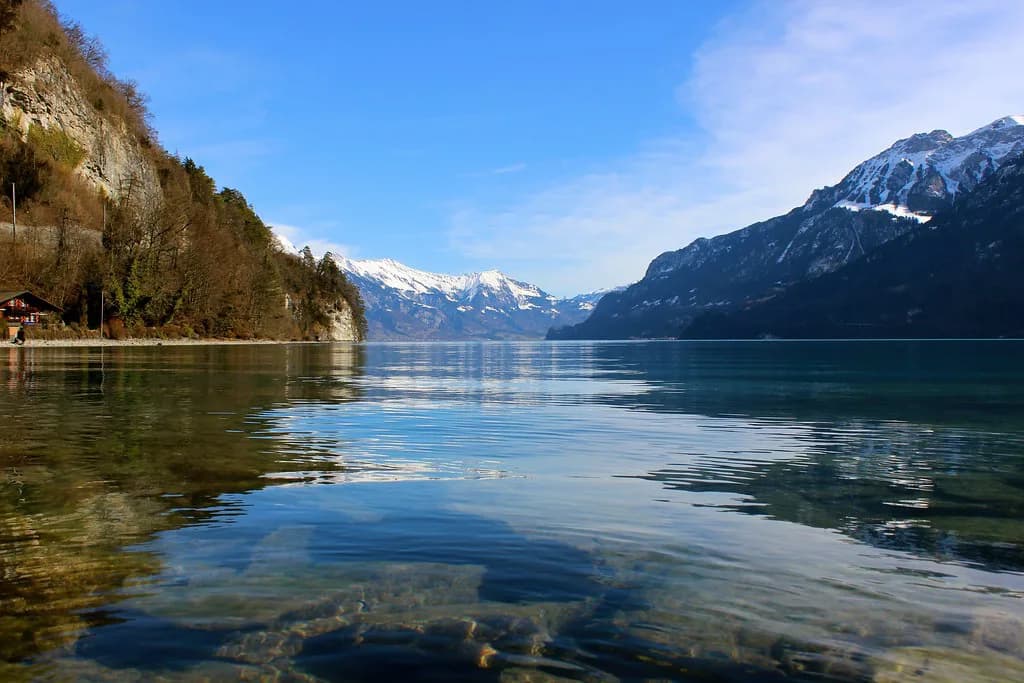
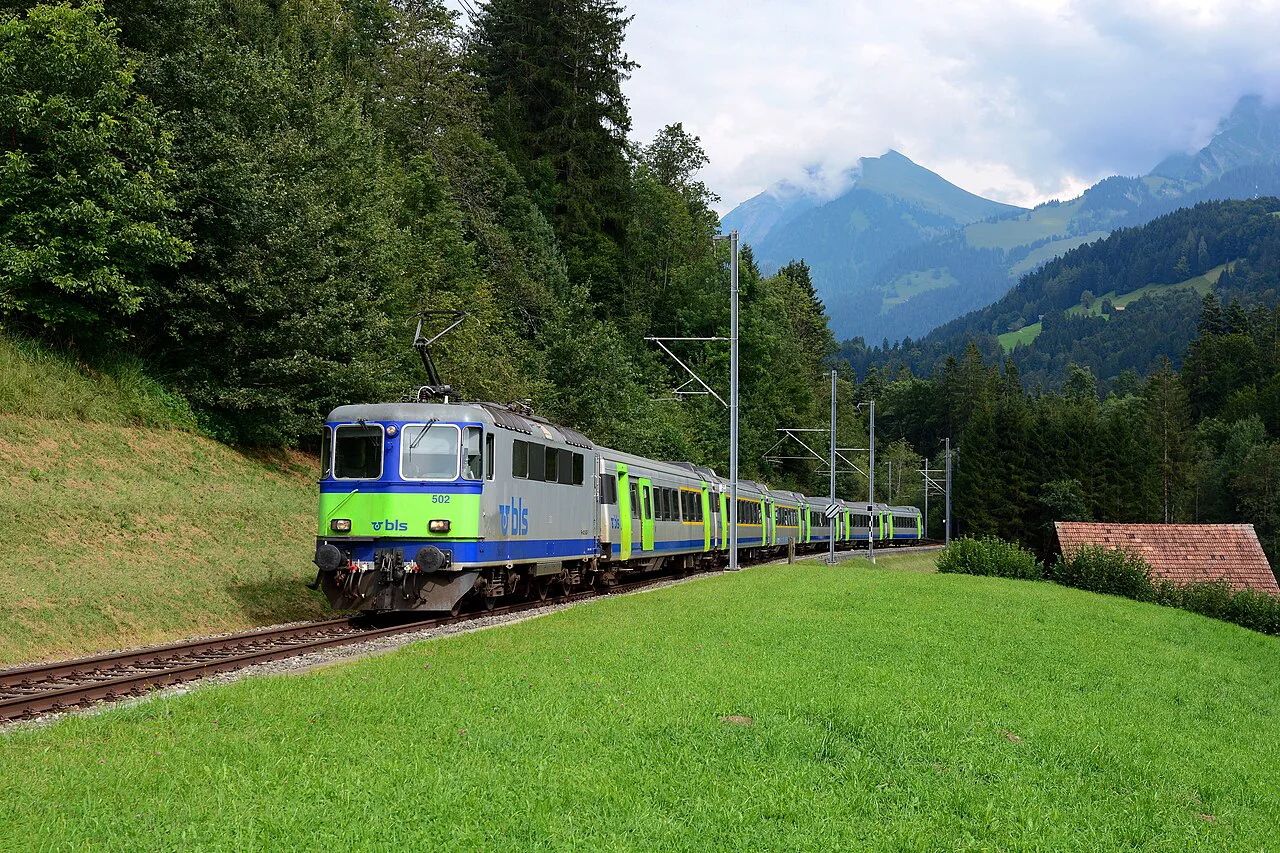
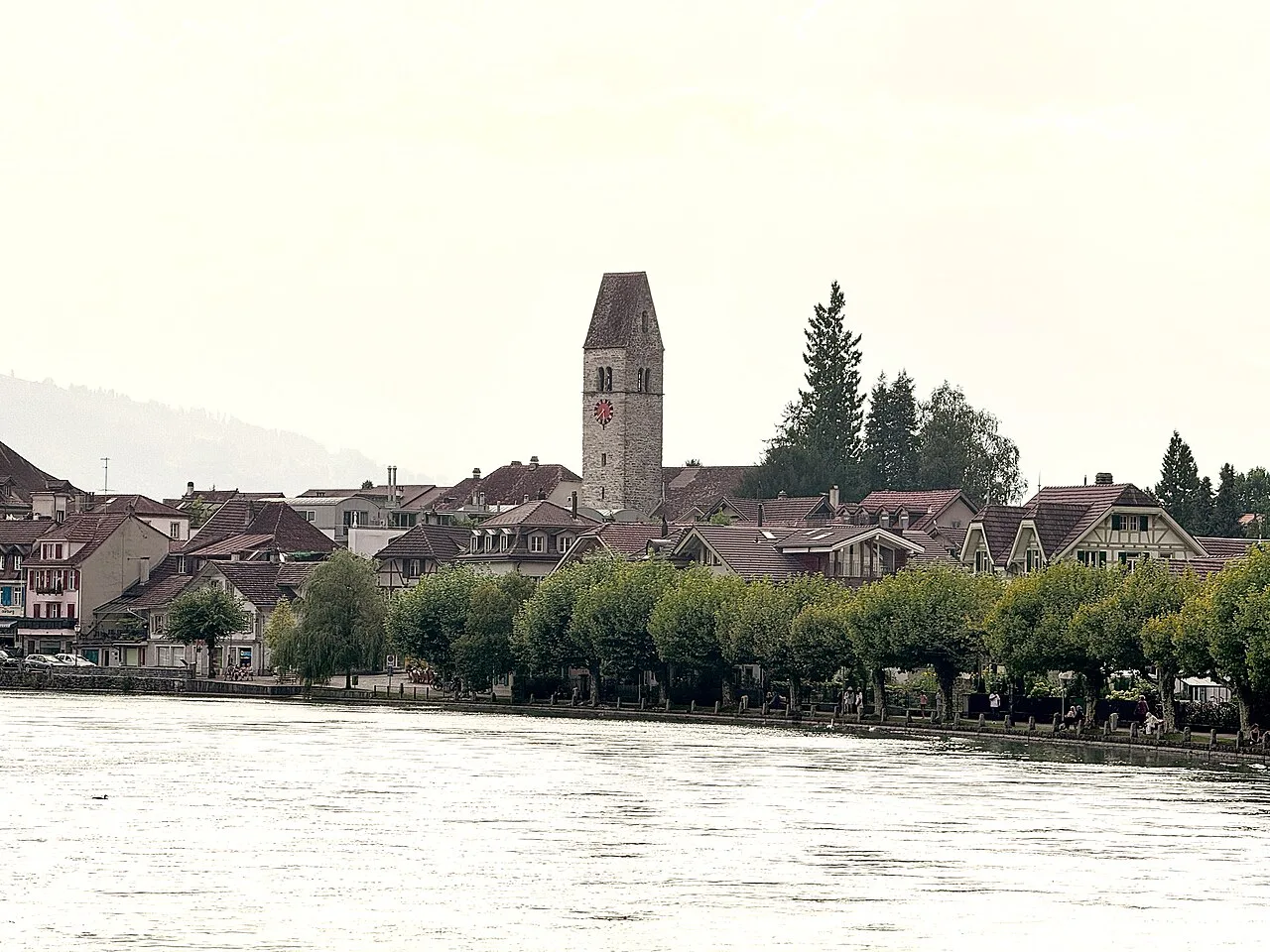
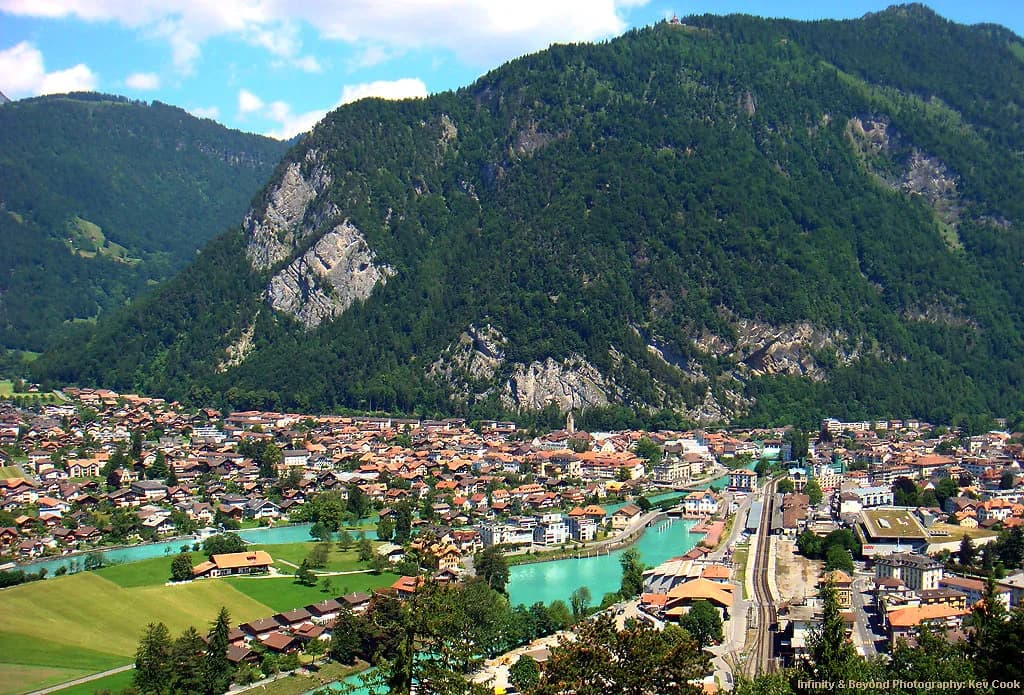
Interlaken is small, walkable and squeezed between Lake Brienz and Lake Thun, with the river Aare running through the middle and the old quarter of Unterseen on the western edge. Allow roughly three hours on foot for the town itself, then give the mountains the rest of your time.
How Interlaken Is Laid Out
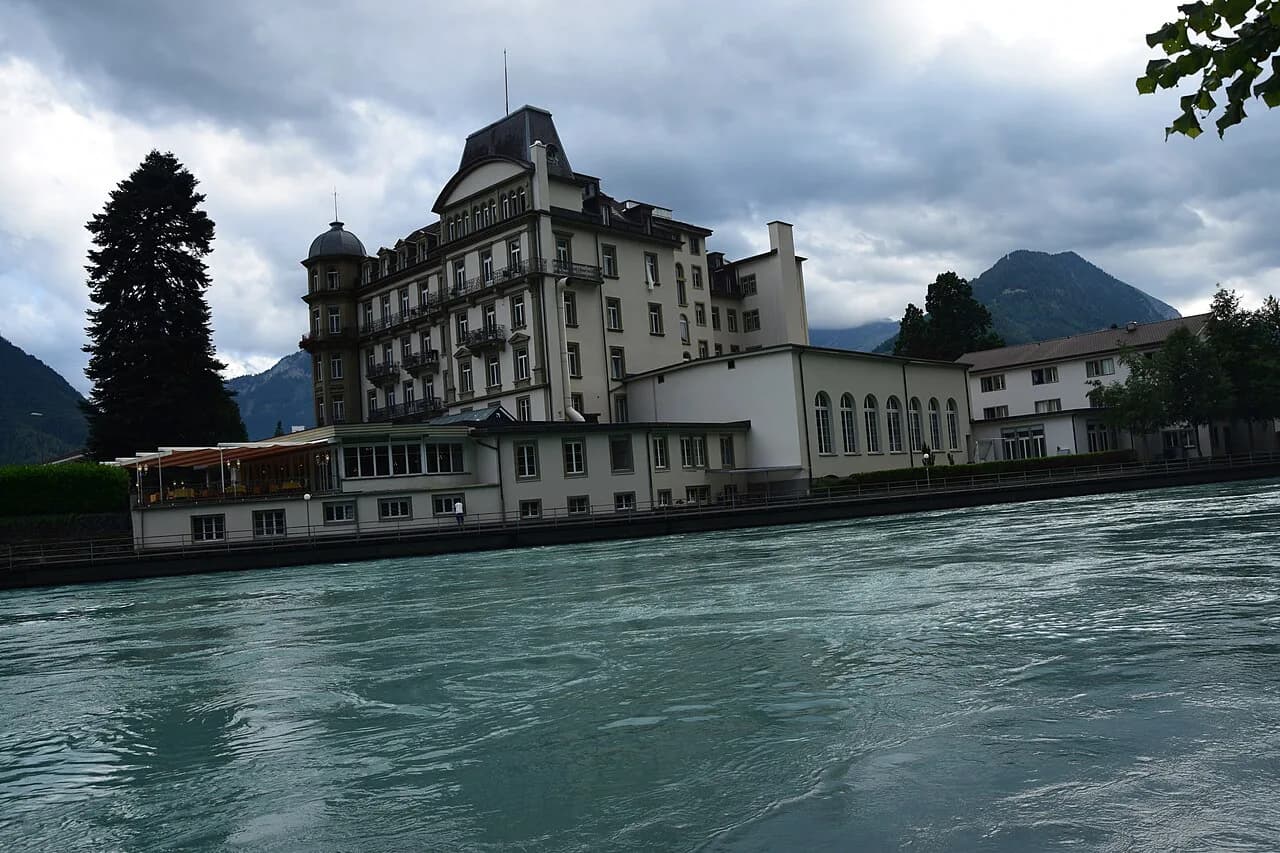
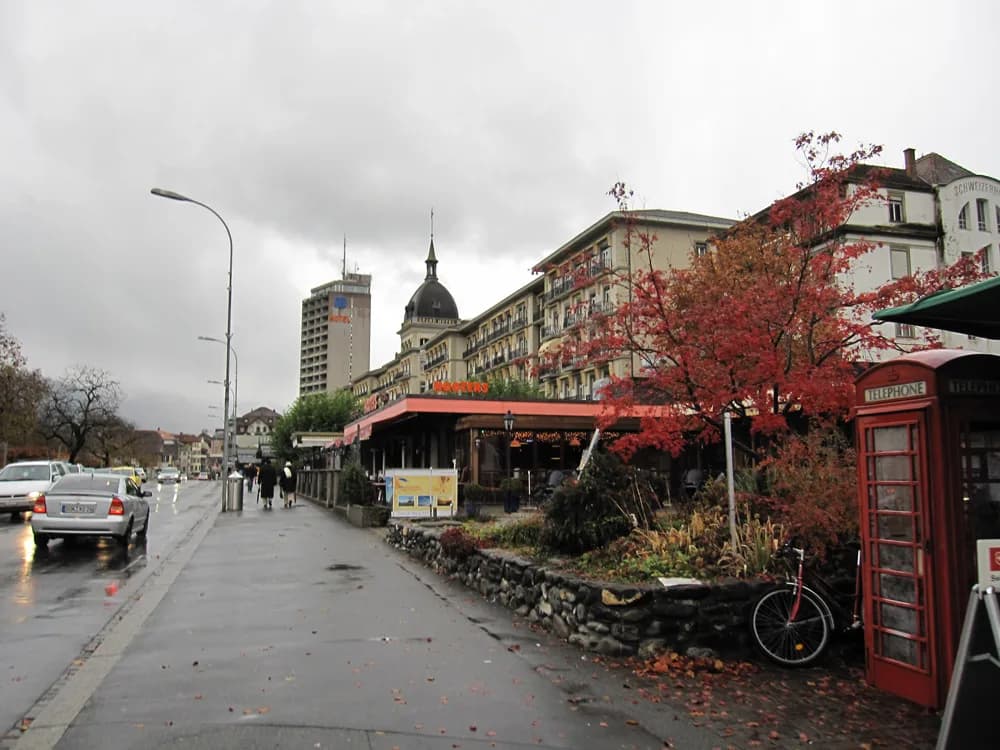
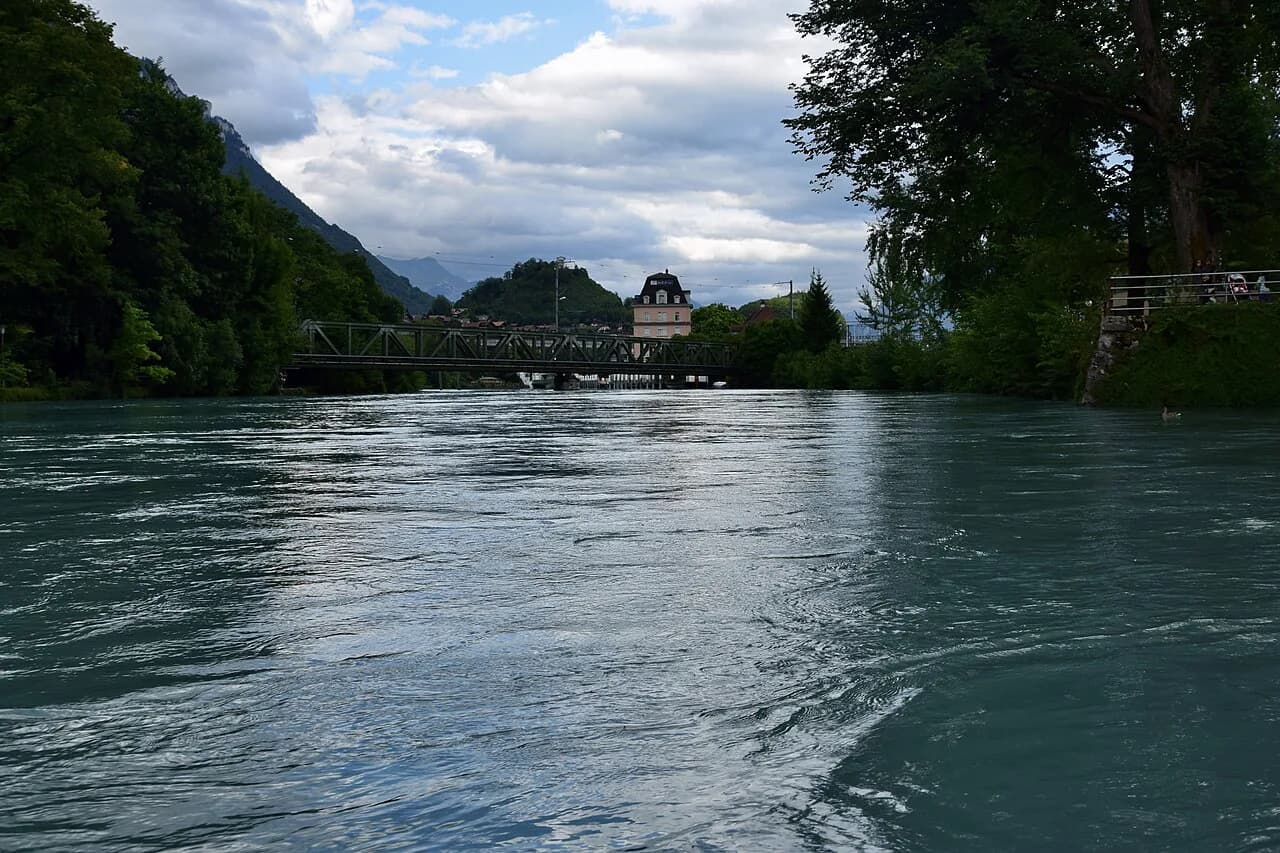
The town sits on a flat strip of the Bernese Oberland between the two lakes, and the Aare links them through the center. Höheweg, the main street, runs between Interlaken West and Interlaken Ost, so most of what you came to see is on one line you can walk.
Unterseen, the historic quarter on the west bank of the Aare, keeps some of the oldest buildings, now used as shops, cafes and lodging, and a river trail follows the water past them. Plan your loops around the two stations and you will rarely need a bus or taxi inside town.
Trains from Bern take about 45 minutes to just over an hour, and the ride from Zürich runs closer to two hours, which makes Interlaken a realistic base for a short break rather than a place you reach in a hurry.
When to Go and What the Seasons Change
Viewpoints live or die by cloud, so build the plan around a clear-sky morning rather than a fixed date. The Harderbahn funicular to Harder Kulm runs seasonally, typically from mid-April to late October, and winter service can be limited, so a two-day trip outside that window needs a different high point.
The waterfalls in the Lauterbrunnen valley run hardest during summer snowmelt, when glacier water off the Eiger, Mönch and Jungfrau feeds Trümmelbach Falls. Coming in late spring or early summer gives you the valley at full volume; coming in October trades some of that flow for quieter paths.
Day 1 Morning: Höheweg and the Old Town on Foot
Start on Höheweg for the architecture and a coffee stop, then slip off the main street into the old town center where the historic buildings cluster. Add the river path along the Aare and you have a compact loop that shows you the shape of the town before you commit the afternoon to a mountain.
The Interlaken Monastery and Abbey grounds belong on this walk: an Augustinian canons' convent stood here from around 1133 until 1528, and the site made the town a pilgrimage stop well before the railways arrived.
If your two days are actually closer to one, cut the town loop to Höheweg and the river and put the saved hours into the mountain instead. The one day in interlaken plan shows what that compressed version looks like.
Day 1 Afternoon: Harder Kulm Above the Two Lakes
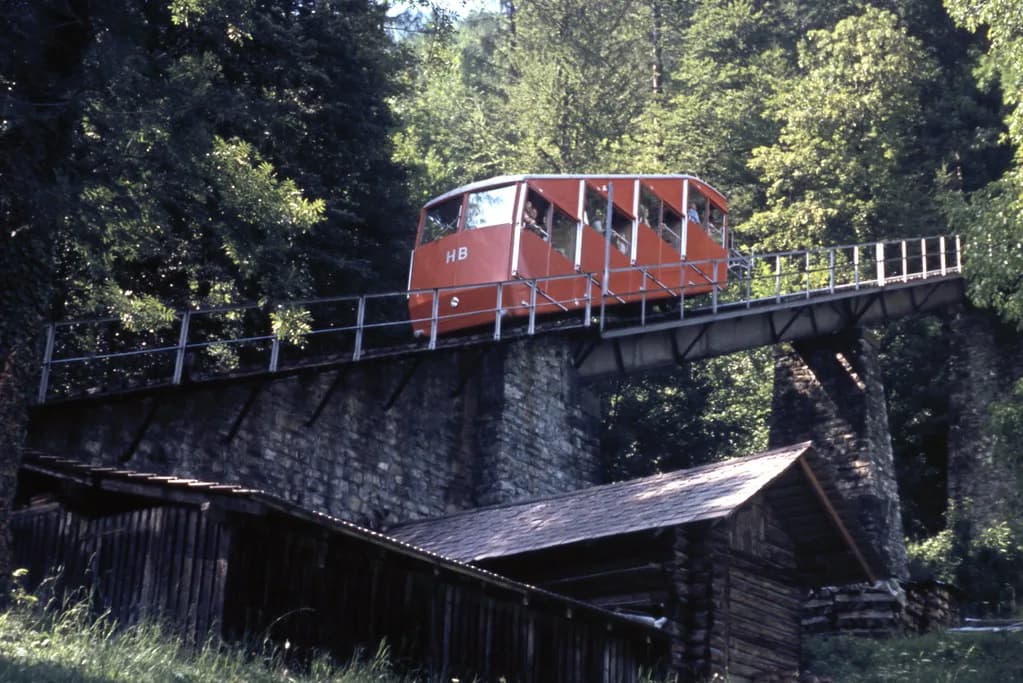
The Harderbahn climbs about 730 meters in roughly ten minutes, and the higher you go the better the view over the town, the Aare and both lakes. Ride up rather than walk up if the afternoon is short, and save your legs for day two.
Clear sky is the whole point of Harder Kulm, because the turquoise water and the Jungfrau massif are what you came to see. If cloud is sitting on the ridge, swap the afternoon for the town walk and hold the funicular for the next clear window instead of paying for a white-out.
Buy your Harderbahn ticket at the valley station on the day, when you can see what the summit is doing, rather than locking it into a fixed schedule. Fares change by season, so confirm the current return price at the counter before you board.
Day 1 Evening: The Aare River Trail
Close the day with a flat walk along the Aare between the lakes, where the water color and the low light do most of the work. It costs nothing, needs no transport and keeps you close to dinner on Höheweg.
This is also the moment to check tomorrow's forecast at the valley level and above it, since the day-two choice depends entirely on whether the high stations are clear.
Day 2 Option A: Jungfraujoch, the Top of Europe
Jungfraujoch sits at 3,463 meters, reached from Interlaken by train to Grindelwald and then the Eiger Express gondola up to the railway. At the top you get panoramic restaurants, exhibitions, a post office and, above all, the glacier views across the Jungfrau-Aletsch area.
A short elevator ride reaches the Sphinx Observatory, Switzerland's second-highest observatory and home to a Global Atmosphere Watch research station, and walking trails along the crevassed glacier lead to the Mönchsjoch Hut. This is the option to pick if you want altitude, snow and the sense of standing inside the Alps rather than looking at them.
It is also the most expensive and most weather-dependent of the day-two choices, and a cloudy summit delivers none of the panorama. Check the summit webcams before you commit, and note that this option alone can consume the entire day with transport.
Tickets for the full journey are sold as a through fare, and the price depends on the route and any pass you hold, so look up the current fare on the day you travel rather than budgeting from an old figure.
Day 2 Option B: Lauterbrunnen and Its Waterfalls
The Lauterbrunnen valley packs Staubbach Falls, which drops roughly 300 meters into the Lütschine, together with dozens of other falls into one narrow trough of cliffs and green meadows. It is the better day when you want valley floor, short walks and constant scenery rather than a single high station.
Trümmelbach Falls is the centerpiece: glacier melt from the Eiger, Mönch and Jungfrau thunders through a subterranean gorge that you enter by tunnel, stairs and lighting built in 1913, with ten sections along the route. The highest drop is about 290 meters and the water volume in summer is enormous.
Arrive early, because tour groups fill the underground passages later in the morning and the lighting and noise change the experience completely. Walk the route rather than taking the lift both ways if your knees allow it, and travel up to the upper falls on foot for the quieter sections.
Entrance to Trümmelbach Falls is ticketed separately from your train, and the current adult and child prices are posted at the counter and on the operator's site, so check before you set out.
Day 2 Option C: A Lake Boat or Car-Free Mürren
A steamboat on Lake Thun gives you an unobstructed line on the Jungfrau and Eiger from the water, with old castle stops along the shore. Lake Brienz serves the Giessbach hotel above its waterfall if you prefer a shorter hop and a shoreline walk.
Mürren sits at 1,160 meters, bans cars and holds roughly 500 residents, and the train from Interlaken takes about an hour. Choose it if you want a village to wander rather than a summit, but expect company, since it draws crowds all season.
A lake pass covers the boats on either lake and is the cheapest way to spend a half day on the water. Pick one lake rather than trying to do both, because the crossings eat the afternoon.
If you would rather compare how much time each of these deserves, the question of how many days in interlaken you need sorts the shortlist by ambition and budget.
What to Skip With Two Days
Once Jungfraujoch or the waterfalls have claimed day two, drop Grindelwald First, the Schilthorn and Mürren from the plan. Each is a half day or more with transport, and squeezing two of them in leaves you sprinting between stations instead of looking at anything.
The Schilthorn and its Piz Gloria restaurant at just under 3,000 meters only pay off on a clear day, which makes it a poor bet on a fixed two-day schedule. Save it for a longer stay and use your second day where you can reach the top quickly.
Where the Two Days Add Up
Transport is the hidden cost of each day-two option: Jungfraujoch eats the most hours, Lauterbrunnen the fewest, and a lake boat sits in between. Count the ride up, the ride down and the waiting, then match the total to the energy you have left.
Keep one flexible half day in the plan. If day two dawns cloudy, swap the high viewpoint for the waterfall gorge, which stays impressive in flat light, or for the boat, which gives you the mountains from below even when the summits are hidden.
The bigger Interlaken Attractions hub covers each of these places in its own guide if you want to compare them in detail before locking the order.
Your Two-Day Checklist
Book the order, not the clock: town and Höheweg first, Harder Kulm when the summit is clear, then one mountain day chosen on the morning forecast. Start early on day two, and keep the waterfall valley as your cloudy-day fallback.
Confirm the Harderbahn season and the day-two ticket prices before you travel, since both follow seasonal patterns you cannot count on out of season.
Explore more Interlaken guides
Frequently Asked Questions
Is two days enough for Interlaken?
Two days covers the town on foot plus one mountain or waterfall day, which is the core of the trip. If you want both Jungfraujoch and the Lauterbrunnen valley, add a third day rather than sprinting between stations.
What should I not miss in Interlaken with two days?
Walk Höheweg and the old town center, ride the Harderbahn up to Harder Kulm on a clear afternoon, and give the second day to either Jungfraujoch or the Lauterbrunnen valley with Trümmelbach Falls. Those three pieces carry the whole visit.
What happens if the Harderbahn is not running?
The funicular operates seasonally, typically mid-April to late October, with limited winter service. Outside that window, put the high viewpoint on the day-two list instead and use day one for the town and the Aare river trail.
Can I fit Jungfraujoch and the Lauterbrunnen waterfalls into one day?
Not comfortably. Jungfraujoch involves a train to Grindelwald, the Eiger Express gondola and the mountain railway, and it can consume a full day on its own. The waterfalls work better as a separate, earlier start.
Sources
Notes for your Swiss city break
Optional updates to our Swiss city guides.
You might also like
Continue reading
More guides you'll find useful