Is Interlaken Expensive? Real Costs and Ways to Spend Less
Interlaken is expensive, but the bill depends on how you spend. Here are cited costs for coffee, dinner and beer, plus where a short break can cut back.
On this page
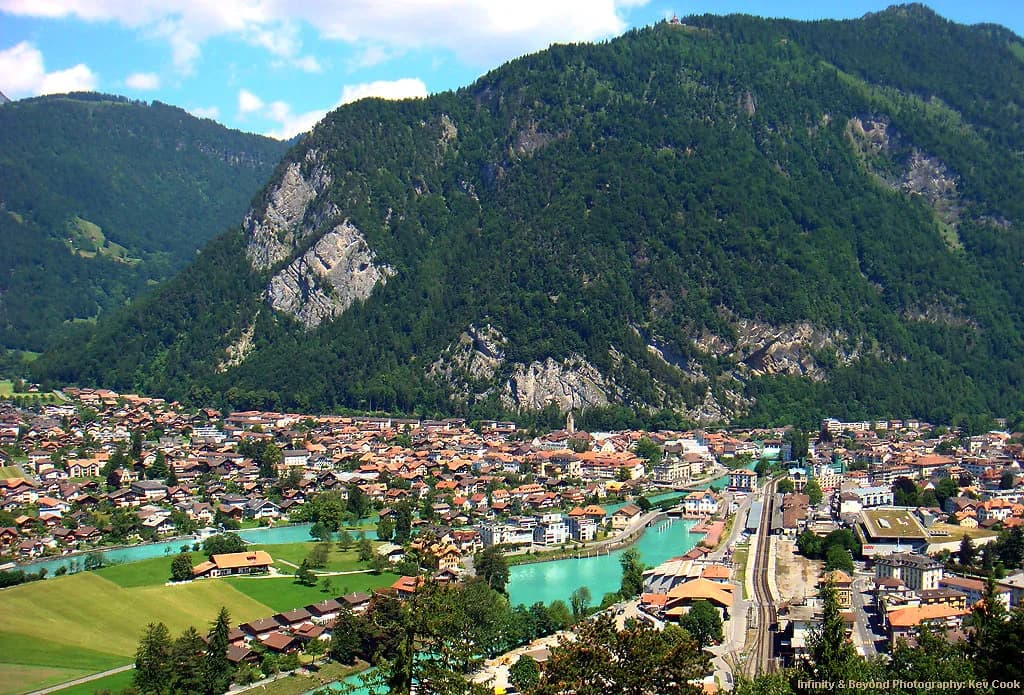
Interlaken is expensive, and the town itself is not where most of the money goes. It works as a compact base between two lakes, with Interlaken West and Interlaken Ost stations at either end of the main street, and travelers typically plan around three days. The costs that sting are mountain transport, adventure activities and eating out, so separating those from the cheap parts of a day is the fastest way to control the bill.
Is Interlaken expensive? The short answer
Yes. Interlaken sits in the top tier of Swiss travel costs, and the steepest line items are mountain transport and activities rather than the town's streets and viewpoints. The town is small, walkable in the center, and easy to cross on foot between the two stations, so you are not paying to get around the core. The expense comes from what you add on top: cable cars, adventure sports and restaurant meals.
Interlaken is also a gateway rather than a destination with a deep sightseeing list, so money spent in town competes directly with money spent in the valleys around it. Visitors who treat the town as a base and put their budget into one or two mountain excursions tend to feel the cost is justified. Those expecting a full day of paid attractions inside the town itself often find it thin. If you are weighing whether the town earns its place in your trip, compare it against another Swiss stop before committing.
What a day in Interlaken costs: the numbers that matter
A cost-of-living breakdown for Interlaken lists a coffee in a café at about USD 5, a 0.3-liter Coca-Cola at about USD 5, a 0.5-liter beer in a café at about USD 8 and a dinner at about USD 30, alongside a taxi trip of roughly 3 kilometers at about USD 22. These are per-item figures rather than package prices, which makes them useful for building your own daily total. Treat them as indicative and check the CHF menu prices on the spot.
Those numbers add up quickly for a party of two: two coffees, two lunches and two dinners already put a noticeable dent in a day before any mountain ticket. The cheapest lever is not finding a bargain restaurant but changing the shape of the day — a picnic lunch and one sit-down meal instead of three. The taxi figure is a reminder that short rides are poor value here, and the town center is compact enough that walking covers most of it.
Coffee, dinner and a beer: eating out in Interlaken
Eating out is the controllable part of an Interlaken budget. Coffee and a soft drink land in similar territory at around USD 5 each, a mid-range dinner sits near USD 30, and a half-liter beer in a café runs to about USD 8. None of these are outliers for Switzerland, but three café stops a day plus dinner for two is where a budget quietly disappears.
A practical approach is to anchor one proper meal a day — dinner, when you are back from the mountains — and keep breakfast and lunch simple. Bakeries and grocery counters cover the daytime cheaply, and a supermarket picnic eaten beside the water costs a fraction of a café lunch. That single change typically saves more than hunting for the cheapest restaurant in town.
The big-ticket items: mountain transport and adventure activities
The real budget drivers in Interlaken are the paid excursions out of town: cable cars and railways up into the surrounding mountains, and adventure activities such as tandem paragliding over the town. These are priced per activity and per route, so there is no single figure to quote, and the mountain railway and cable car companies' and activity providers' own pages are the place to look up current tickets before you commit. Decide in advance how many paid excursions your trip can absorb — usually one or two on a short stay — and treat the rest of the days as walking and viewpoints.
The trade-off is straightforward: one big mountain day can cost more than everything else in your Interlaken stay combined. If the view from altitude is the reason you came, spend there and economize on food and accommodation-adjacent extras. If it is not, the town and the lakeside walks give you a full day for very little. The one-day version of the town works best when you are clear about which category you are in.
How many days you need, and what that does to your budget
Interlaken is planned around a stay of about three days, and that length is a good match for the budget math: long enough for one mountain excursion, one relaxed town day and one day around the lakes, without stacking up paid activities. A short visit concentrates the cost into fewer days but also limits how many excursions you can justify. A longer stay spreads the fixed costs but adds more meals and nights.
If you are deciding between a quick stop and a fuller stay, the honest question is how much paid mountain time you want. Two days is enough for the town plus one excursion, which suits most short-break budgets. Work through how many days in Interlaken makes sense, because the answer changes what you should reserve in advance.
The two-day shape of a visit — town on arrival, mountains the next morning — is the most cost-efficient arrangement for a short break because it needs only one major ticket. Build the plan around the weather rather than a fixed schedule, since a cloudy summit day wastes the most expensive part of the trip. A structured two-day plan keeps you from adding a second excursion on impulse.
When to go: seasonal price swings and crowds
Interlaken's climate averages show a clear split: July is the warmest month, with highs reaching about 73°F, while January averages close to freezing, and August is the wettest month in the figures with roughly 5.7 inches of precipitation. Summer is the busiest and most expensive window, and it is also when afternoon storms are most likely to cancel a paid mountain trip. Shoulder months trade a little warmth for fewer crowds and better odds on the excursions you have paid for.
Winter is cold but not empty, and the figures show January as the driest month of the year, which suits town-based days over high-altitude ones. Prices for mountain transport and activities are set by the lift companies and activity providers, so check seasonal rates and closures directly instead of counting on a low-season discount. The weather argument for choosing your dates is stronger than the price argument.
Free and cheap things to do between paid excursions
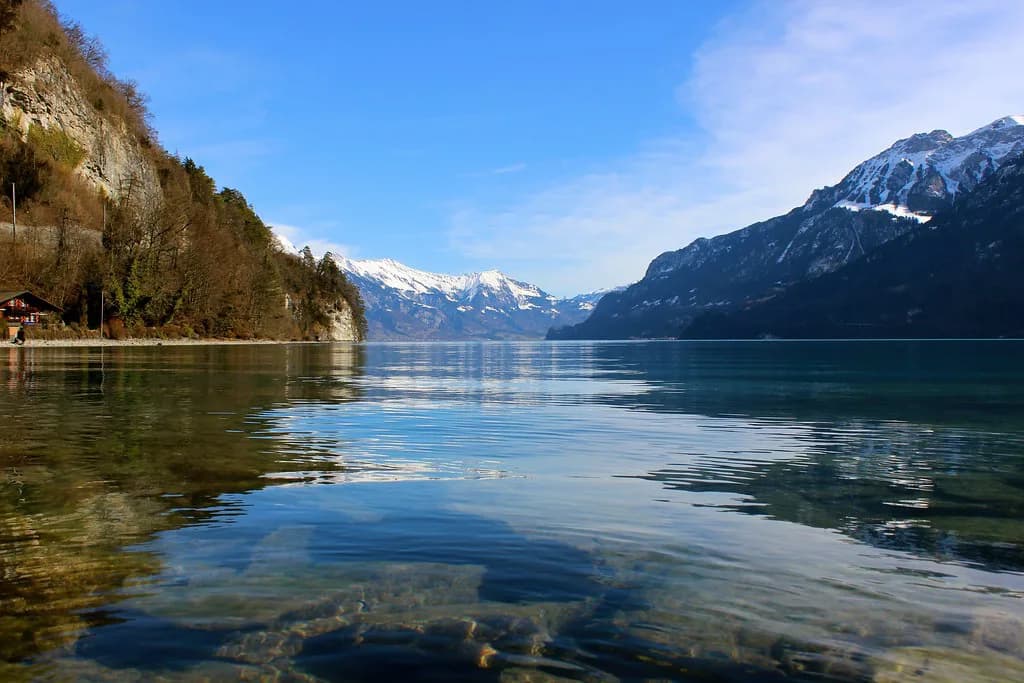
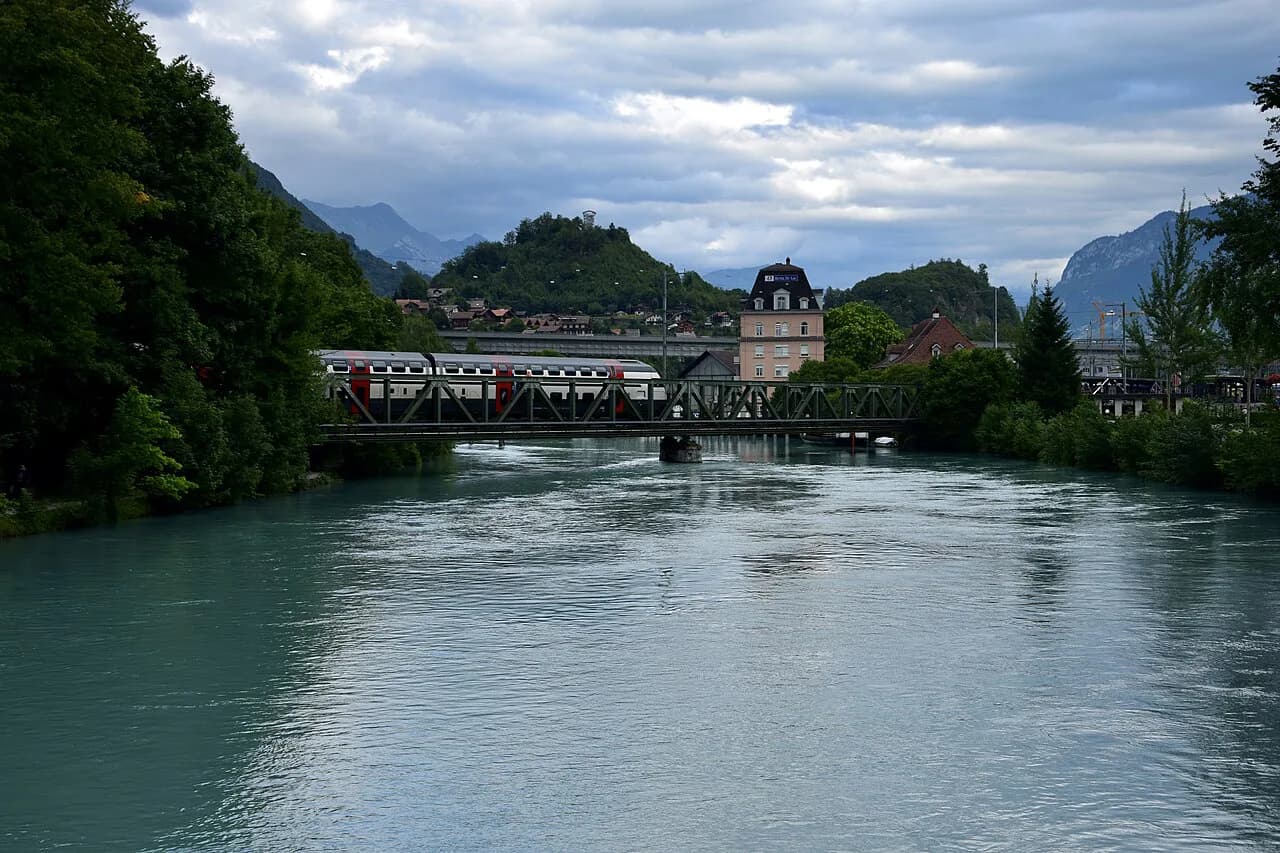
The cheapest day in Interlaken is a walking day. The town sits between Lake Thun and Lake Brienz, the main street links Interlaken West and Interlaken Ost, and the riverside paths and open squares cost nothing. That is where a tight budget stretches furthest, and it also fills the gaps between one paid excursion and the next.
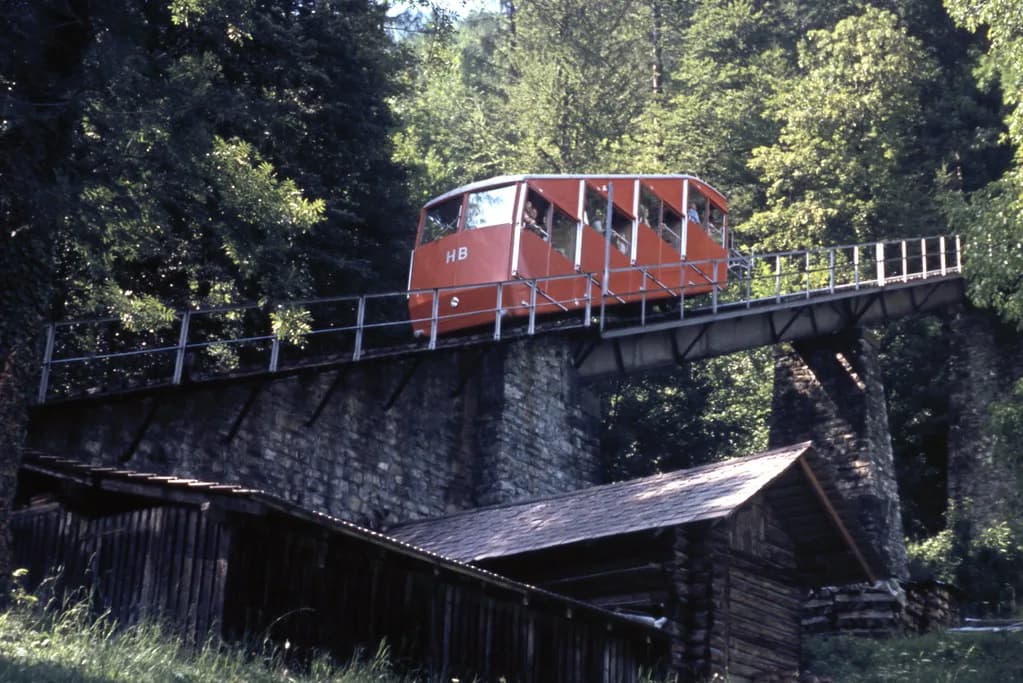
For a single viewpoint splurge, the funicular up to Harder Kulm is the classic short trip from town and needs only a couple of hours, which makes it easier to justify than a full mountain day. Save it for a clear afternoon. Pair it with a free morning on the water's edge and you have a full day for the price of one ticket.
Lauterbrunnen, one valley south, is the side trip most travelers name as the highlight of the area, and a short visit there can be folded into a mountain day rather than treated as a separate expense. For a structured sequence of town sights and viewpoints, the Interlaken itinerary puts the free and paid pieces in a workable order.
Where the money goes wrong: three common mistakes
The first mistake is booking two or three mountain excursions for a three-day stay and then losing one to weather. The second is eating three café meals a day in a town where coffee alone runs about USD 5 a cup. The third is treating the town as a sightseeing destination when its value is as a base, which leads to paying for activities you did not really want.
A candid view from experienced Switzerland travelers is that Interlaken works better as a transfer point than as the destination itself, with the mountain villages above it carrying the real appeal. That framing is useful for budgeting: put your money into the valleys and keep the town portion lean. Whether that trade-off suits you is the central question of the trip.
If you are still deciding whether the town earns a place on your route, an honest read on what Interlaken actually delivers is worth five minutes before you commit to anything non-refundable. Compare it with a lake city if you want more indoor options for a rainy day. The comparison often settles the budget question too.
Practical money notes before you book
Prices on the ground are in Swiss francs, and the cost-of-living figures quoted here are converted to US dollars, so your actual bill depends on the exchange rate on the day. Cash is useful for small purchases, and cards are widely accepted in the town center, but keep some coins for lockers and small counters. Set a daily figure in CHF rather than dollars so the numbers mean something when you are standing at a ticket window.
Interlaken is not the only expensive Swiss stop, and comparing it with another city helps calibrate expectations before you commit. Zürich sits at the top of the national cost scale, and Basel is a useful reference point for a shorter city break. If Interlaken's price tag is a stretch, those comparisons tell you whether the problem is the town or Switzerland as a whole.
Plan Your Visit
Interlaken is expensive, but the town itself is not the main cost: mountains, activities and restaurant meals are. Fix those three, keep one sit-down meal a day, and choose your dates around the weather rather than the calendar, and a short break here becomes predictable rather than painful. Check current ticket prices and opening times with the lift companies and activity providers before you reserve, since those figures move.
Explore more Interlaken guides
Frequently Asked Questions
Is Interlaken expensive to visit?
Yes. Interlaken sits among the pricier Swiss stops, and the bulk of the cost comes from mountain transport, adventure activities and eating out rather than from the town itself. Café meals and one paid excursion add up fast across a day. Budget by controlling food and choosing a single major excursion, and check current CHF menu prices on the spot.
How much is a coffee or dinner in Interlaken?
Cost-of-living figures put a café coffee at a few US dollars, a half-liter beer in a café in a similar middle range 7 and dinner in the region of a modest mid-range Swiss meal, but the exact numbers shift with the exchange rate and the venue. Check the current CHF prices on menus and mountain ticket prices. Two café stops and a dinner for two is where a day's budget quietly disappears.
Is Interlaken worth the money?
The town works best as a base for the valleys and mountains around it rather than as a sightseeing destination in its own right. Travelers who put their budget into one or two mountain days and keep the town portion lean tend to get the most value. If you want a full schedule of paid attractions inside the town, Interlaken is a weak fit.
How many days do you need in Interlaken?
Interlaken is typically planned around three days, which allows one mountain excursion, a town day and a day around the lakes. Two days covers the town and one excursion and suits most short-break budgets. Extending beyond that mainly adds meals and nights rather than new costs per day.
What is the cheapest way to see Interlaken?
Walking the town, the riverside paths and the lakeshore costs nothing and fills a day comfortably. Anchor one paid excursion, such as the funicular up to Harder Kulm, and eat breakfast and lunch from a bakery or grocery counter. Skipping short taxi rides also helps, since a roughly three-kilometer trip is priced like a premium.
Sources
Notes for your Swiss city break
Optional updates to our Swiss city guides.
You might also like
Continue reading
More guides you'll find useful