One Day in Bern: A Realistic Old Town Itinerary
One day in Bern covers the arcaded Old Town, the Zytglogge, the Münster tower climb, the Bear Park and the Rosengarten, with museum prices in Swiss francs.
On this page
One day in Bern is enough to walk the whole UNESCO-listed Old Town, because the historic center sits on a single compact peninsula inside a bend of the Aare. The efficient plan is one continuous loop: leave Bern Hauptbahnhof, follow Marktgasse through the arcades, work east past the towers and fountains, cross to the Bear Park and climb to the Rosengarten, then return over the Kirchenfeldbrücke. Everything below is walkable, and the only real decision is whether to spend an hour indoors at a museum.
How Bern Is Laid Out and How Much You Walk
The Old Town runs roughly east to west along one spine of streets, with the station at the western end and the Nydeggbrücke at the eastern tip. Because the river wraps the peninsula on three sides, you rarely need public transport once you start walking, and the core takes well under half an hour to cross at an unhurried pace. Treat the station as your start and finish point and the day organizes itself.
If you are weighing up how to split your time across the country, Bern rewards a full day far more than a rushed two-hour stop, and it pairs naturally with a second day in the city or a base for the region. Our guide to whether Bern is worth visiting sets out what the city does better than Zürich or Lucerne and who it suits.
Start at Bern Hauptbahnhof and Marktgasse
Leave the station heading east onto Marktgasse, the main artery that carries you past most of the headline sights. The street and its neighbors are lined with roughly six kilometers of covered arcades, among the longest continuous stretches in Europe, which is why rain or summer heat barely interrupts a day here. Walk under the arches, look into the small local boutiques rather than the international chains, and use the covered route whenever the weather turns.
Budget about an hour for this first stretch if you browse, or fifteen minutes if you walk straight through to the towers. The arcades are also where you duck in for a coffee or a snack, so decide early whether shopping time comes out of your museum hour later.
Käfigturm and the Western Gate
Käfigturm, the Prison Tower, was built in the thirteenth century as one of the city's inner gate defenses and later served as a prison after the fire of 1405. The structure you see now dates from a 1640 rebuild, and its slim spires and red clock face mark the transition from the modern shopping street into the older town. Bärenplatz, the open square beside it, is a natural pause before the busiest stretch.
Zytglogge: The Astronomical Clock
The Zytglogge is Bern's signature monument: a medieval gate tower carrying a fifteenth-century astronomical clock whose dark blue face is worked with gold sun and moon figures and a zodiac dial. On the hour, figures including a rooster, the god of time and jesters perform above the dial, and a crowd gathers below well before the sequence starts. Arrive a few minutes early to get a view from the side of the street rather than directly underneath.
A small exhibition under the tower explains the clock's history, and guided visits inside run for those who want the mechanism explained. Give the tower twenty to thirty minutes including the display, more if you join a tour.
The Fountain Hunt Along the Main Streets
Bern is nicknamed the city of fountains, and several stand within a few minutes of each other on the main streets. Kindlifresserbrunnen, the Child Eater Fountain, shows a figure swallowing a sack of babies; its meaning is uncertain, with explanations ranging from a warning tale to a depiction of the Titan Kronos. Mosesbrunnen, built in 1791, holds Moses with the tablets, a nod to the city's Reformed Protestant roots.
The Meret Oppenheim Tower Fountain is the modern outlier, an eight-meter concrete column draped in moss that changes with the seasons. The water is drinkable, so refill a bottle here instead of buying one.
Bundesplatz and the Federal Palace
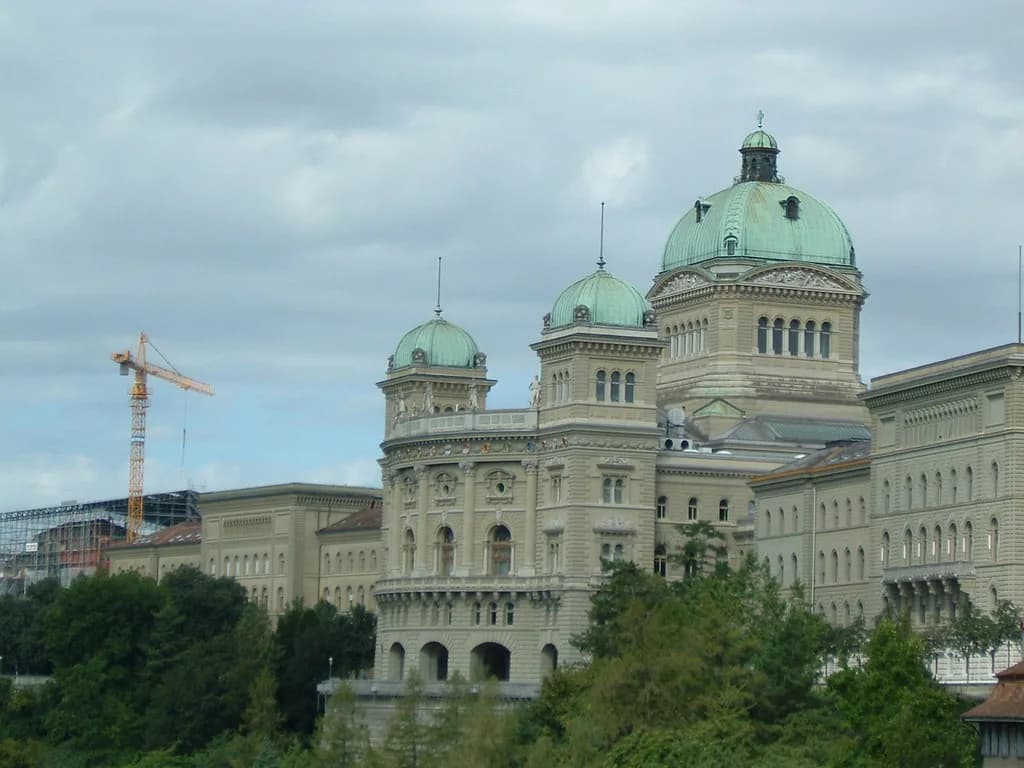
The Federal Palace, seat of Switzerland's Federal Assembly and Federal Council, opened in 1902 and was built in Renaissance Revival style above the Aare. From Bundesplatz, walk around to the Bundesterrasse, the terrace on the slope behind the building, for one of the best free views over the river and the rooftops. Interior visits require booking well ahead, so plan a one-day trip around the terrace rather than the chambers.
Bern Münster and the Tower Climb
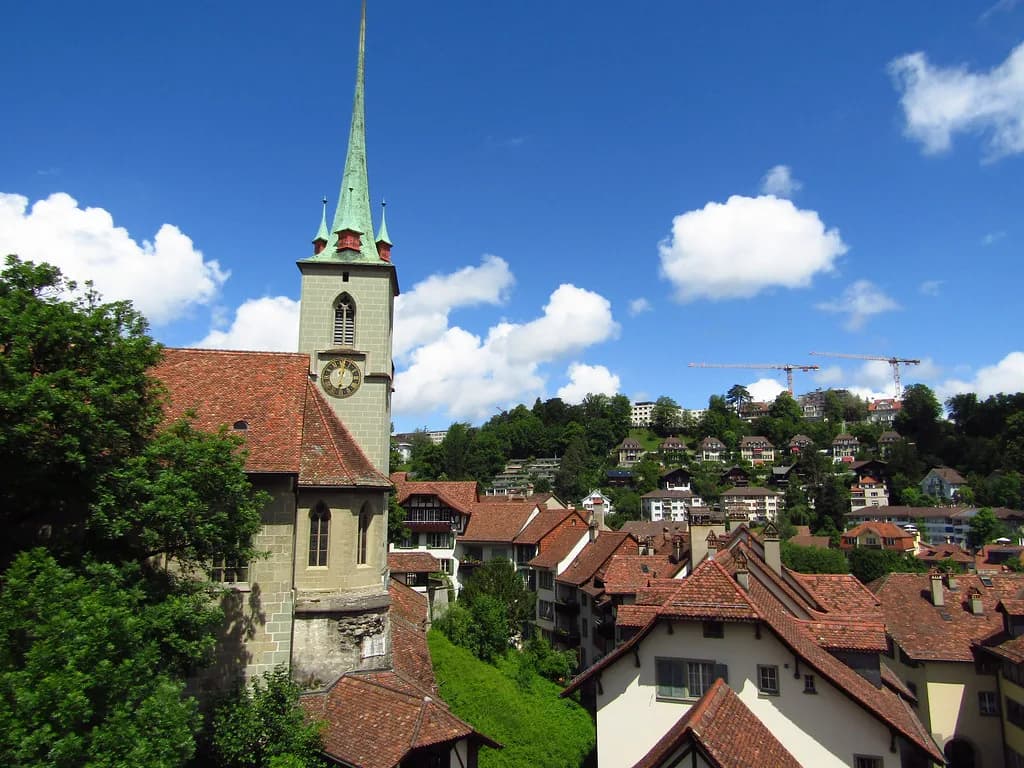
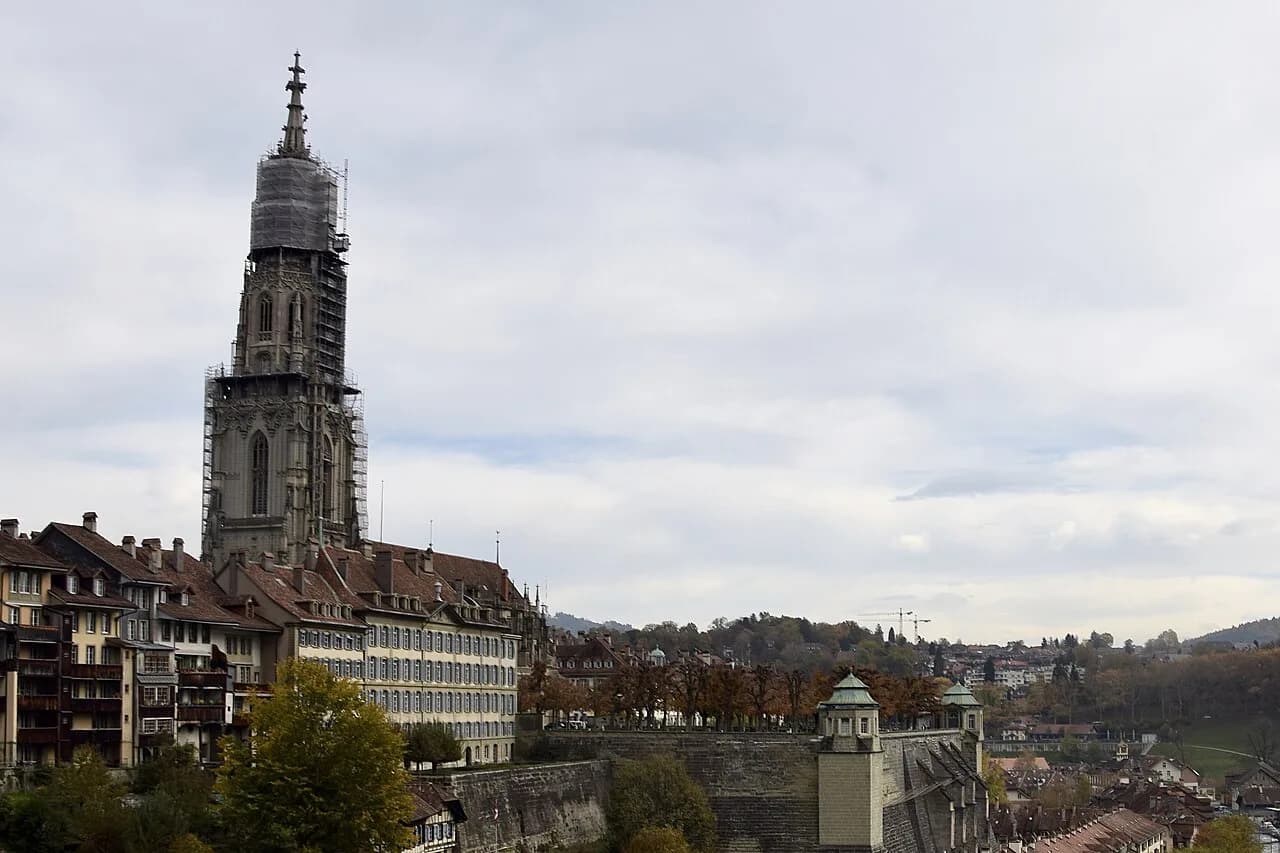
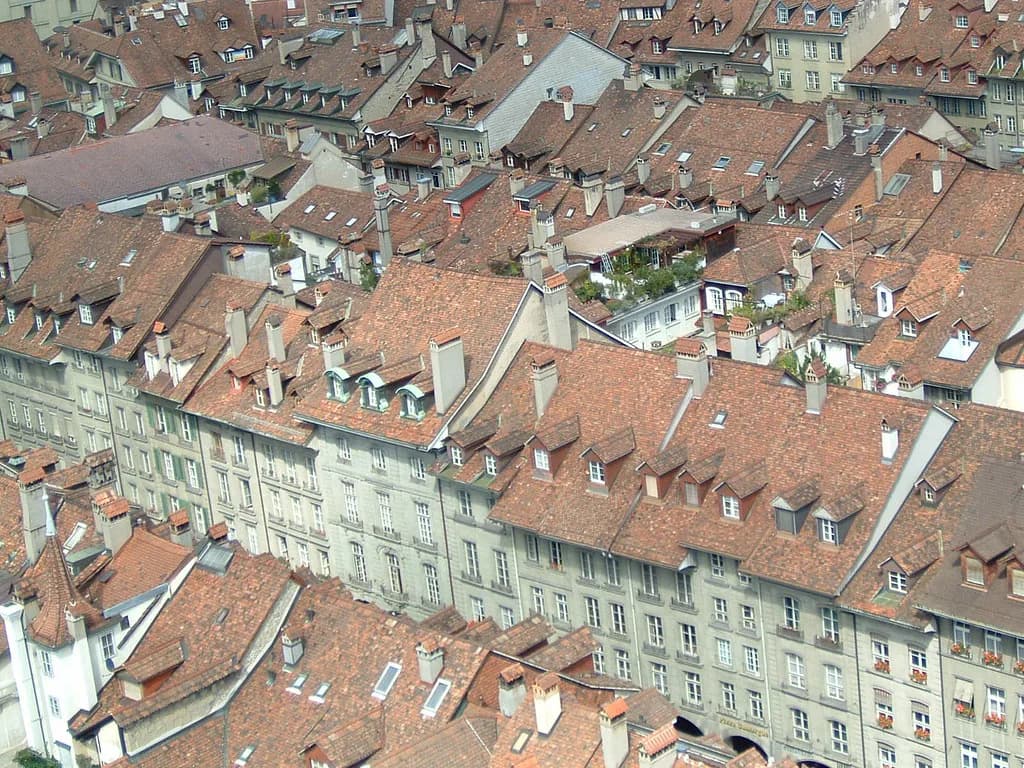
The Münster, Switzerland's largest cathedral, was begun in 1421 in late Gothic style, and its Last Judgement portal is carved with more than 200 figures. The tower rises about 100 meters and the climb is 344 steps, which is a genuine time cost rather than a quick detour: allow half an hour or more for the ascent, the view and the descent. From the top you look over the Old Town roofs, the Aare and, on clear days, the Alps.
If the climb would squeeze out a museum, choose one or the other. The tower gives you the panorama; the museums give you the collections, and they matter most when the weather turns wet.
Lunch and the Arcade Decision Point
By now you are at the eastern end of the Old Town with the river ahead, which makes this the practical lunch stop. Eating near Bärenplatz or in the arcades keeps you close to the route; the brewery restaurant in the former tram depot near the Bear Park is a larger sit-down option if you want a proper break. Decide here whether the afternoon includes a museum or pushes straight to the river and the gardens.
Bear Park by the Nydeggbrücke
Bärenpark sits right beside the Nydeggbrücke, and bears have been kept in the city center since 1513, making them Bern's living emblem. Entry is free, and the viewing platform and bridge give you sightings without committing to a full visit inside the enclosure. The river views back toward the old buildings are as good as the bears themselves.
Rosengarten: The City Panorama
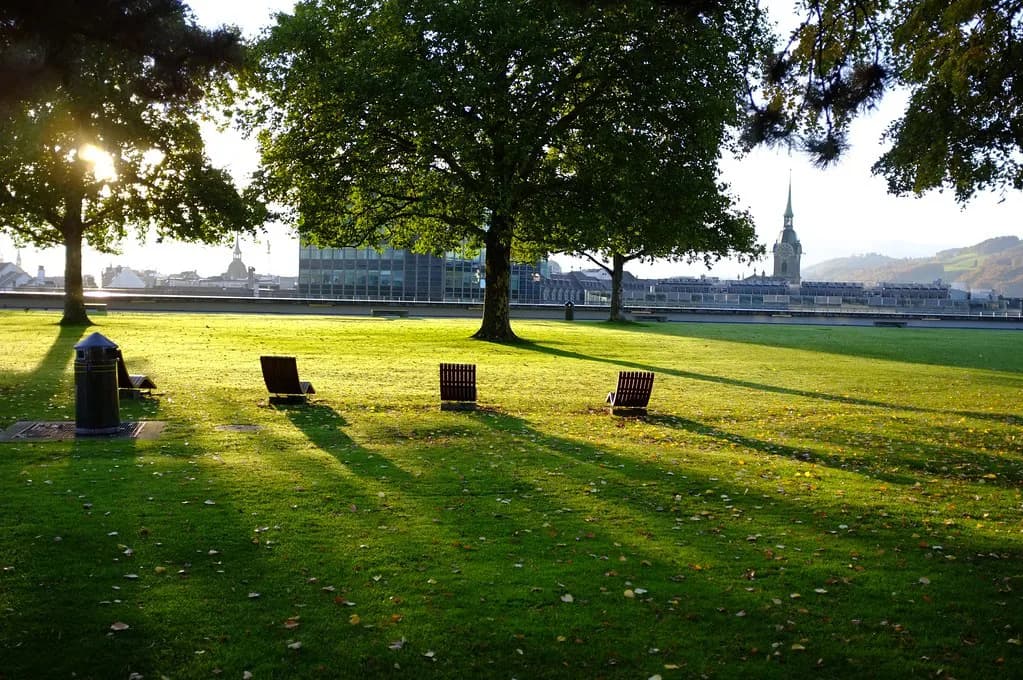
Cross the Nydeggbrücke and climb the steep path to the Rosengarten, where the whole Old Town of terracotta roofs opens below you. In the warmer months the garden holds hundreds of rose varieties, and in spring the hillside path is lined with cherry blossom. Go in the early morning or late afternoon, because the city is backlit through the middle of the day and the view washes out in glare.
Look for the bronze Einstein seated on a bench in the garden; three others sit elsewhere in the city at the Bear Park, the Bern Historical Museum and the University of Bern. Einstein lived in Bern from 1903 to 1905 and wrote his first paper on special relativity here.
Back Over the Kirchenfeldbrücke
Descend and cross the Kirchenfeldbrücke for the classic return view: the green domes of the Parliament Building seen from the rear, the casino and the river below. Wind gusts on the bridges are strong enough to snatch a hat, so hold onto loose items if you stop for photos. This places you back within a short walk of the Old Town center for the evening.
Museum Swap for Wet Weather
Kunstmuseum Bern holds more than 3,000 paintings and sculptures plus tens of thousands of works on paper, photographs and films, making it the strongest indoor option for art. General admission is CHF 24, students and seniors pay less, under-16s enter free, and it is closed Mondays but stays open until 8 pm on Tuesdays. Check the day's hours against your date before building the afternoon around it.
The other compact indoor stop is Einsteinhaus, the apartment where Einstein lived with his first wife from 1903 to 1905, near the clock tower. Admission starts at CHF 7 for adults, and it is closed Mondays. Pick one rather than both if you want to keep the walking loop intact.
The Free Stop: University Botanical Garden
The University Botanical Garden on the slopes above the Aare is free and holds more than 6,000 plant species, including seven public greenhouses and an Alpinum of mountain plants from the Pyrenees to the Rockies. It works as a low-cost hour between the Old Town and the river, and gives you a reason to walk the quieter Lorraine bridge nearby.
Optional: Grand Casino Bern
If the day still has slack, the Grand Casino Bern admits over-18s for CHF 10 including a welcome drink, and its deck overlooks the city. Treat it as filler rather than a fixed stop, since the loop above already fills a full day.
Evening on the Aare
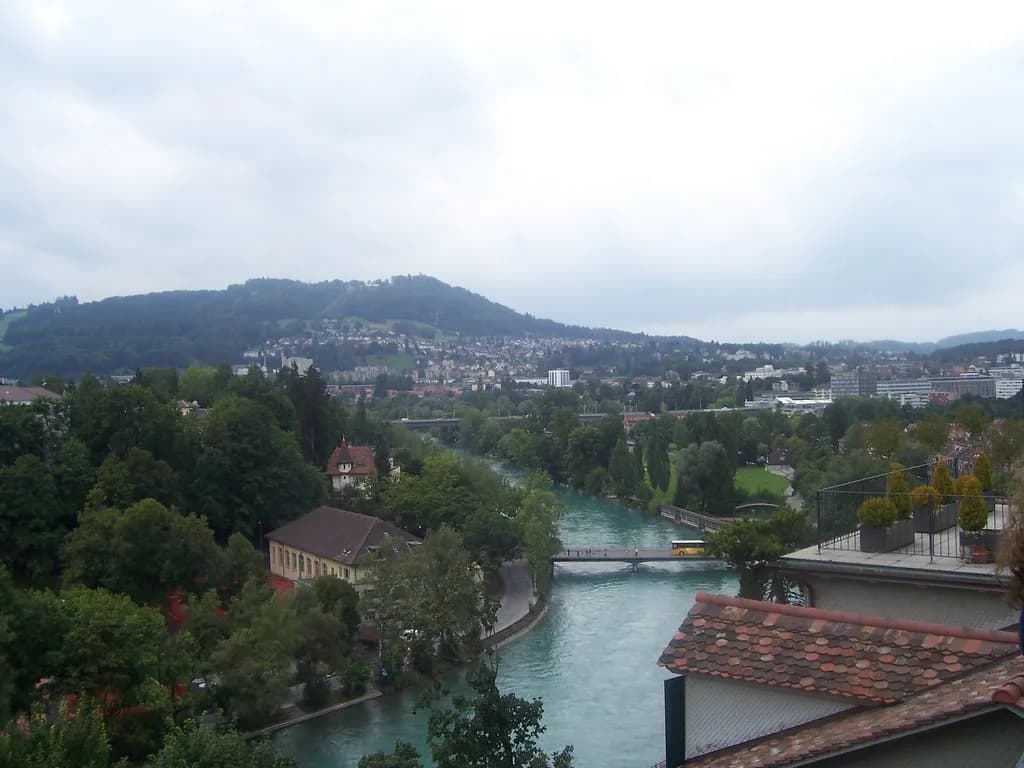
Finish by following the riverside walkways as the light drops, when the warm glow from the windows across the water is at its best. Then climb back into the Old Town for the evening. The loop closes near the station, so you are never far from your train.
Honest Trade-Offs
One day covers the Old Town loop and at most one museum or the Münster climb; trying all three turns the day into a checklist. If both museums and the tower matter to you, add a second day rather than rush the arcades and fountains that make Bern distinctive. That is the same calculation behind every weekend in Bern, where a Saturday loop and a Sunday museum split the city naturally.
Plan Your Visit
Walk the loop west to east in the morning, keep the museum or the tower for the afternoon, and save the Rosengarten for the softer light at either end of the day. That structure turns Bern's compact peninsula into a genuinely relaxed day rather than a dash between gates.
Explore more Bern guides
Frequently Asked Questions
Is one day enough for Bern?
Yes for the Old Town. The UNESCO-listed center sits on one compact peninsula, so a loop from Bern Hauptbahnhof through the arcades, past the Zytglogge and fountains, over to the Bear Park and up to the Rosengarten fits comfortably in a day. Add a second day if you also want both museums and the Münster tower climb.
What can you see in Bern in one day?
Marktgasse and the arcades, Käfigturm, the Zytglogge astronomical clock, the Kindlifresserbrunnen and Mosesbrunnen fountains, Bundesplatz and the Bundesterrasse, the Münster and its tower, the Bear Park by the Nydeggbrücke, the Rosengarten and the Kirchenfeldbrücke. One museum or the tower climb rounds out the afternoon.
How much does the Kunstmuseum Bern cost?
General admission is CHF 24, with discounts for students and seniors and free entry for under-16s. It is closed Mondays and open until 8 pm on Tuesdays. Confirm the current hours for your date before planning the afternoon around it.
When does the Zytglogge clock show run?
The figures above the astronomical dial perform on the hour, and a crowd gathers several minutes early. Stand to the side of the street for a clear view. A small exhibition under the tower explains the clock's history.
Is the Bear Park free?
Yes. Bärenpark beside the Nydeggbrücke is free to visit, and you can also see the bears from the bridge and the viewing platform. Bears have been kept in the city center since 1513.
Are Bern museums closed on Mondays?
Kunstmuseum Bern and Einsteinhaus are both closed on Mondays. Other venues keep their own schedules, so check each one for the day you plan to visit.
What is free to do in Bern?
The arcades, the fountains, the Zytglogge exterior and hourly show, the Bundesterrasse terrace views, the Bear Park, the Rosengarten and the University Botanical Garden cost nothing. The Münster tower climb and museum admissions are the paid extras.
Sources
Notes for your Swiss city break
Optional updates to our Swiss city guides.
You might also like
Continue reading
More guides you'll find useful