Weekend in Bern Guide: Old Town & Kirchenfeld
Spend a weekend in Bern with a two-day plan: Old Town arcades, the Zytglogge, the Münster tower, BearPark, and the Kirchenfeld museums across the river.
On this page
A weekend in Bern fits the city's shape: one full day for the UNESCO Old Town inside the Aare loop, one day for the Kirchenfeld museums across the river and the Gurten above town. Two days is the honest minimum, because the Old Town alone takes a couple of hours of strolling before you add towers, bears and galleries.
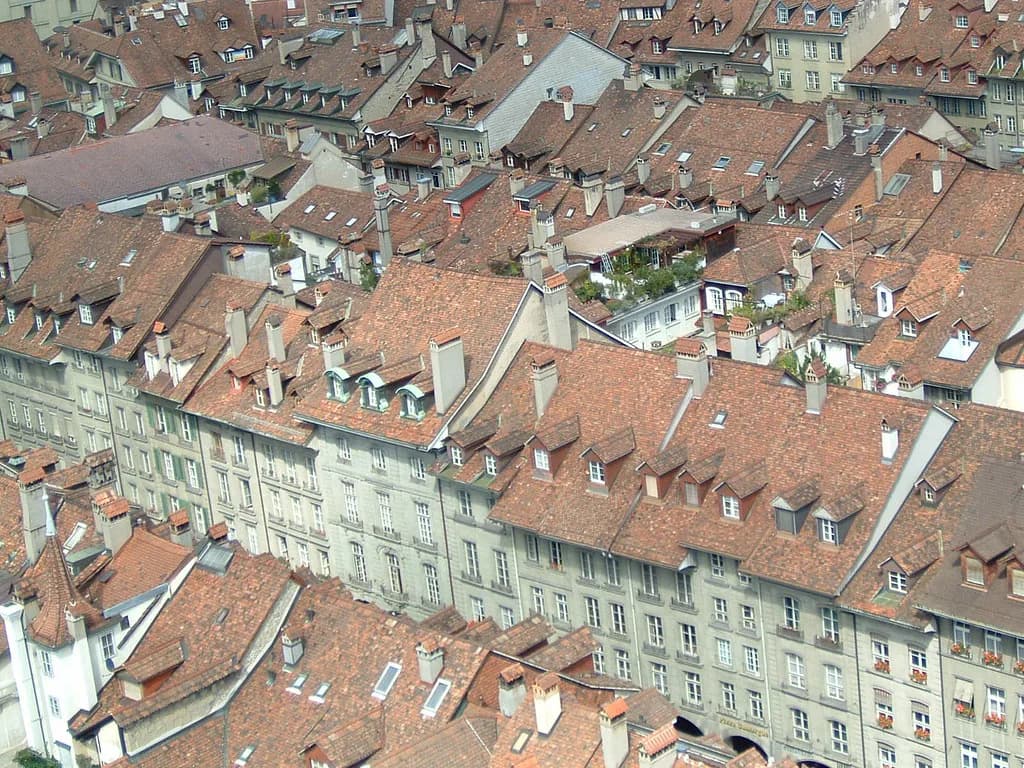
The city rewards slow walking rather than rushing between sights. Roughly six kilometers of arcaded walkways line the old streets, so rain rarely stops a wander, and the famous clock tower, the cathedral, the BearPark and the Rosengarten all sit within a stretch you can cover on foot in a day.
Why Bern Suits a Weekend
Bern packs a preserved medieval center, a riverside bear park and a serious museum row into a city small enough to cross twice in a day. That density means a weekend here produces more actual sightseeing than the same two days in a bigger Swiss city, where transport eats the hours; if you would rather compare a lake-and-mountain weekend, the plan for 2 days in Zurich shows how the same two days play out there.
The city's emblem is the bear, and a bear enclosure has stood here for centuries; the animals now live in the BearPark on the banks of the Aare, where the old bear pit hosts exhibitions. Pair that with the Zytglogge clock figures, the Münster, the Rosengarten panorama and the Kirchenfeld museums and you have a full two days without leaving town.
How the City Is Laid Out
The Aare makes a tight loop around the Old Town, which is why the geography matters more than a map's scale. Start at Bim Zytglogge and walk the arcaded spine east, and the street carries you past fountains and shops toward the Nydeggbrücke and the river.
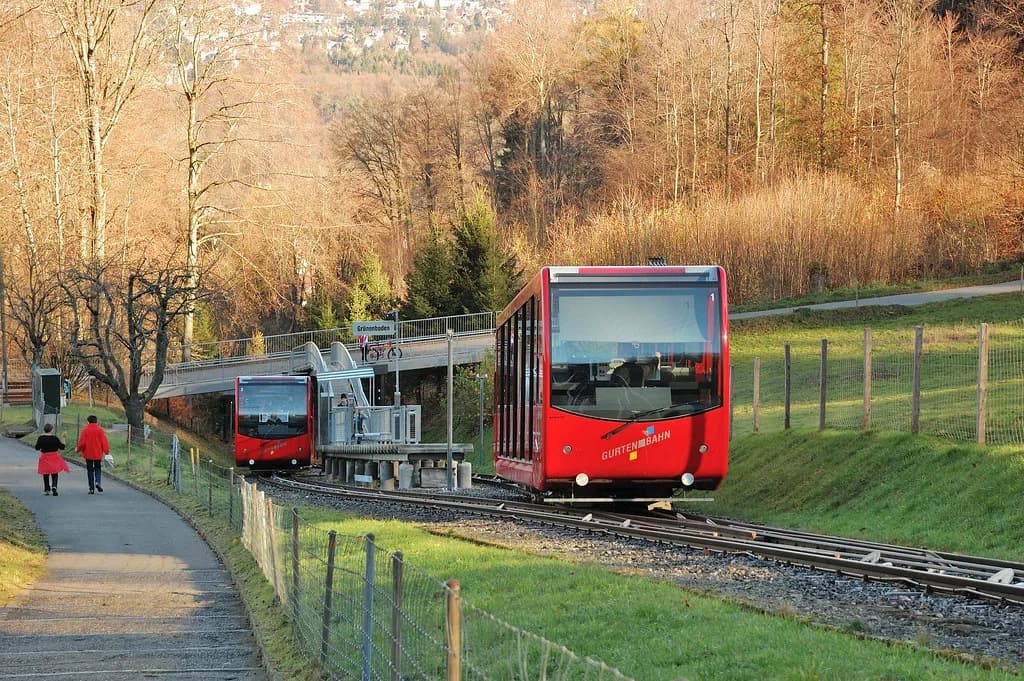
Across the river sits Kirchenfeld, home to the Bernisches Historisches Museum and its Einstein Museum. Above the Old Town on the north side, the Rosengarten terrace looks back over the rooftops, and the Gurten rises as the local mountain beyond the city, reached on the Gurtenbahn.
Day 1 Morning: The Arcaded Old Town
Begin at the Zytglogge, the clock tower dating to 1405 whose mechanical figures come to life on the hour with a parade of bears, a jester, a golden rooster and Chronos. Arrive a few minutes early and stand on the east side of the tower for the clearest view of the moving figures.
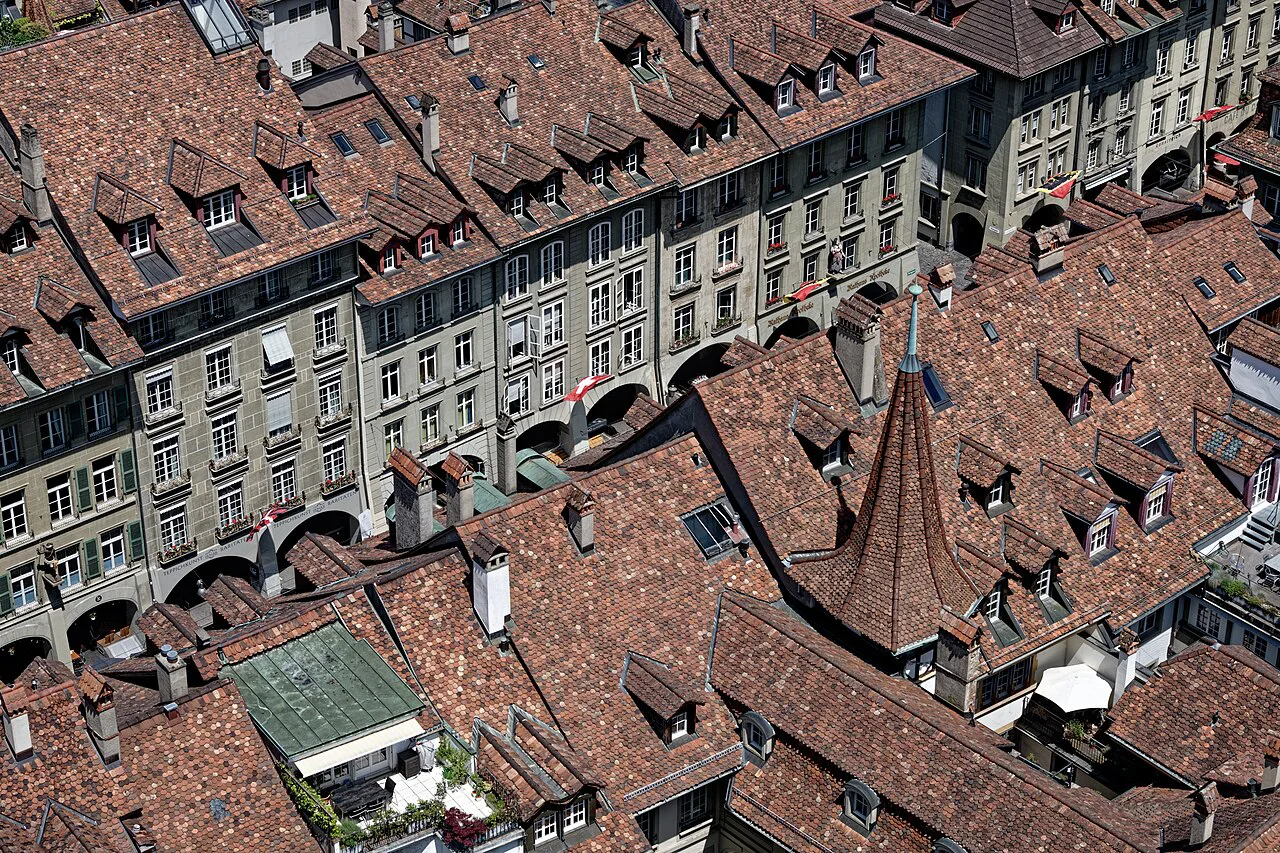
Then walk the covered arcades, which shelter the shopfronts and let you keep moving in wet weather. The stroll from the clock tower through the old streets toward the cathedral is short, so leave time to detour into side lanes and look up at the sandstone facades rather than treating the street as a corridor.
Day 1 Midday: Münster, Plattform and the Matte
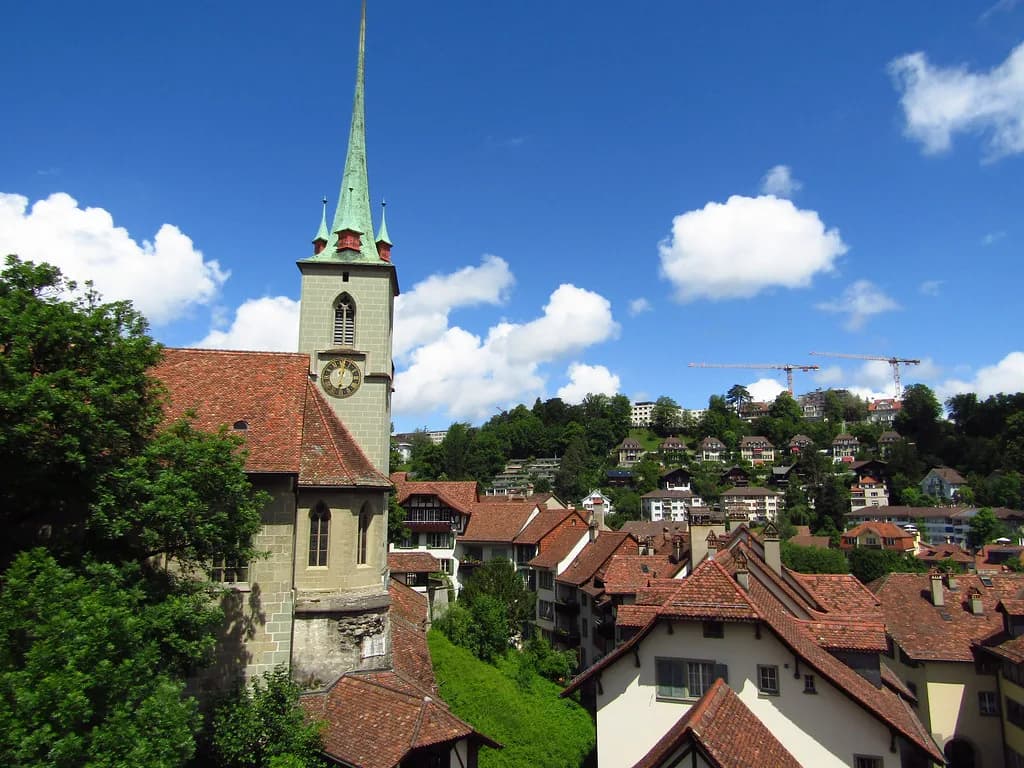
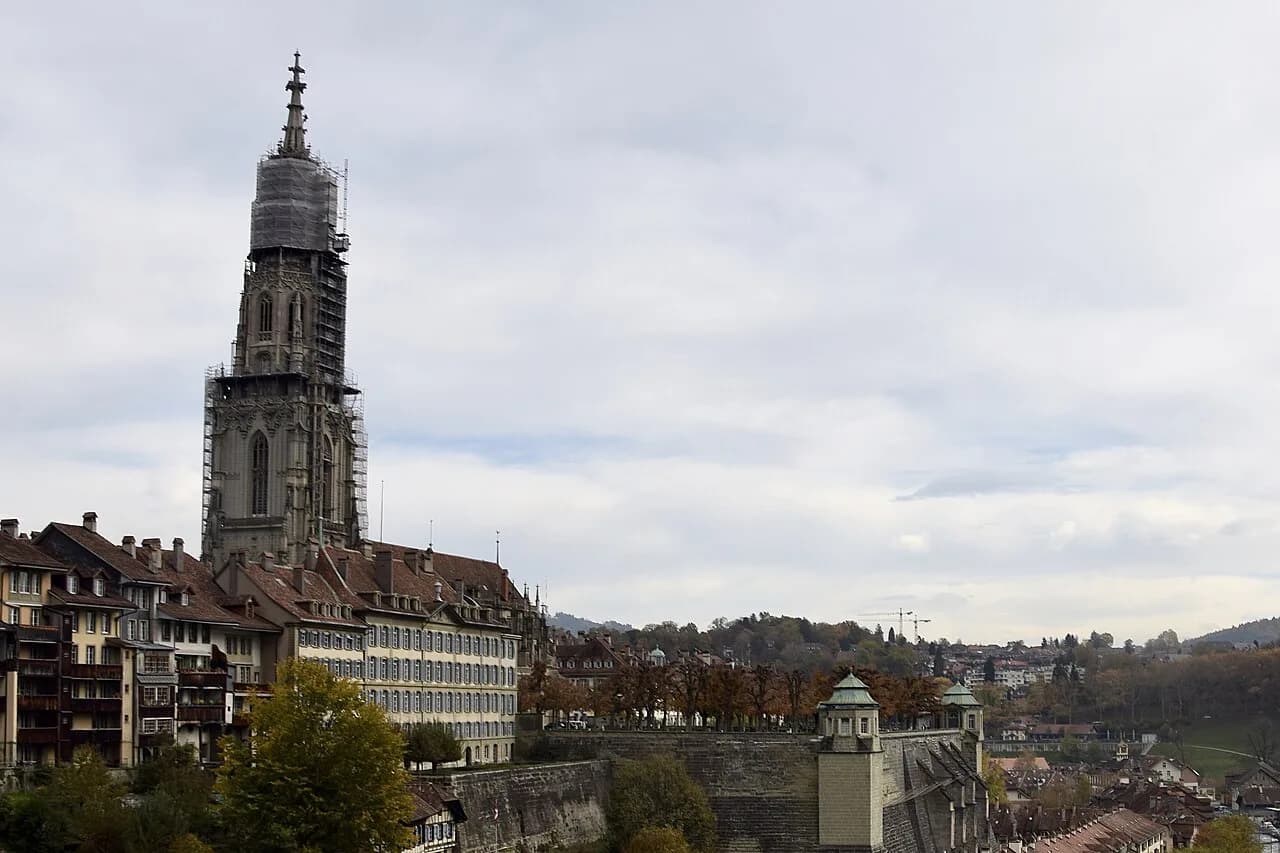
The Berner Münster is Switzerland's tallest cathedral, and its tower, platform and stained glass are the reason to give it more than a photo stop. Climb the tower for the view, then drop to the Münsterplattform, the terrace behind the church that overlooks the river gorge.
From the platform, head down through the lower old town toward the Nydeggbrücke, passing the arcades and cellars of the Matte quarter along the way. Restaurants cluster on this stretch, which makes it the natural lunch break before the afternoon's riverside sights.
Day 1 Afternoon: Bears on the Aare and the Rosengarten View
The BearPark sits on the Aare below the old town, a hilly riverside enclosure where the city's bears can even bathe in the river. It works as a short stop rather than a half-day, and it links naturally to the riverside paths on this side of the loop.
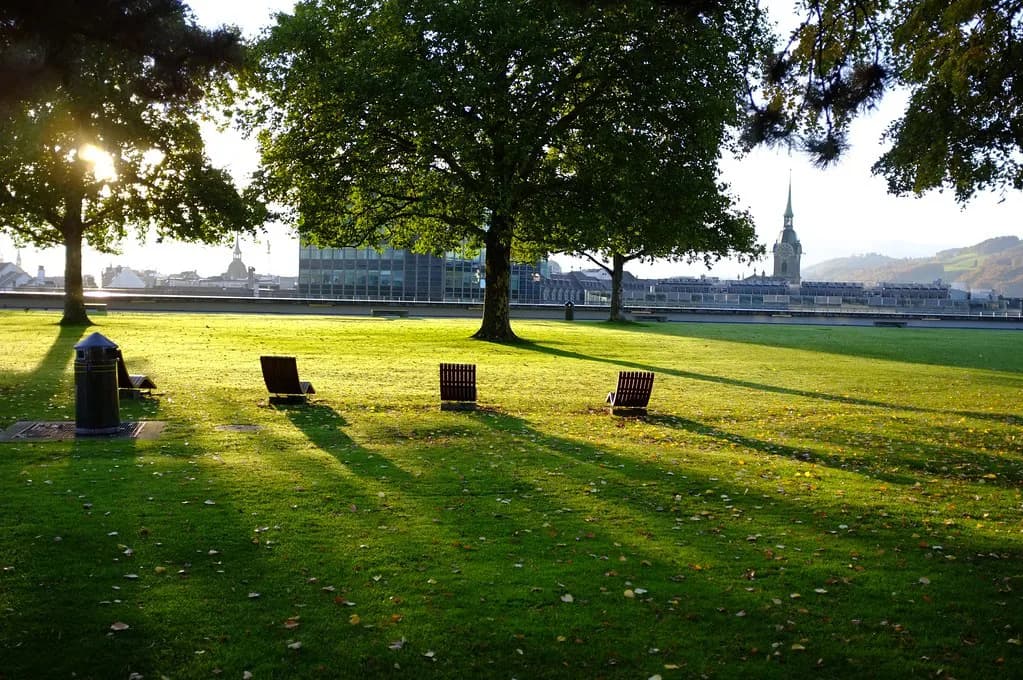
Then comes the climb up the Aargauerstalden to the Rosengarten, which is genuinely steep and the main physical trade-off of the day. The reward is the classic panorama over the Old Town rooftops toward the Bernese Alps, plus a large playground and a reading garden in the park itself.
The park is planted with cherry trees, rhododendrons, irises and hundreds of roses, and the viewpoint walk stays open day and night. Restaurant Rosengarten sits inside the park with a terrace over the city, and its address on Alter Aargauerstalden makes the end point easy to find.
Day 1 Evening: Dinner and a River Loop
For dinner, the Kornhauskeller on Kornhausplatz puts you in a vaulted cellar with a central nave and side aisles, a setting that suits a first evening in the city. Anker on the same square is the casual alternative, known for its long list of rösti specialties and lunch specials.
End with an easy loop back along the river, where the lit facades of the old town rise above the water. The walk is short enough to repeat the next evening if the weather turns, and it closes the day without a tram ride.
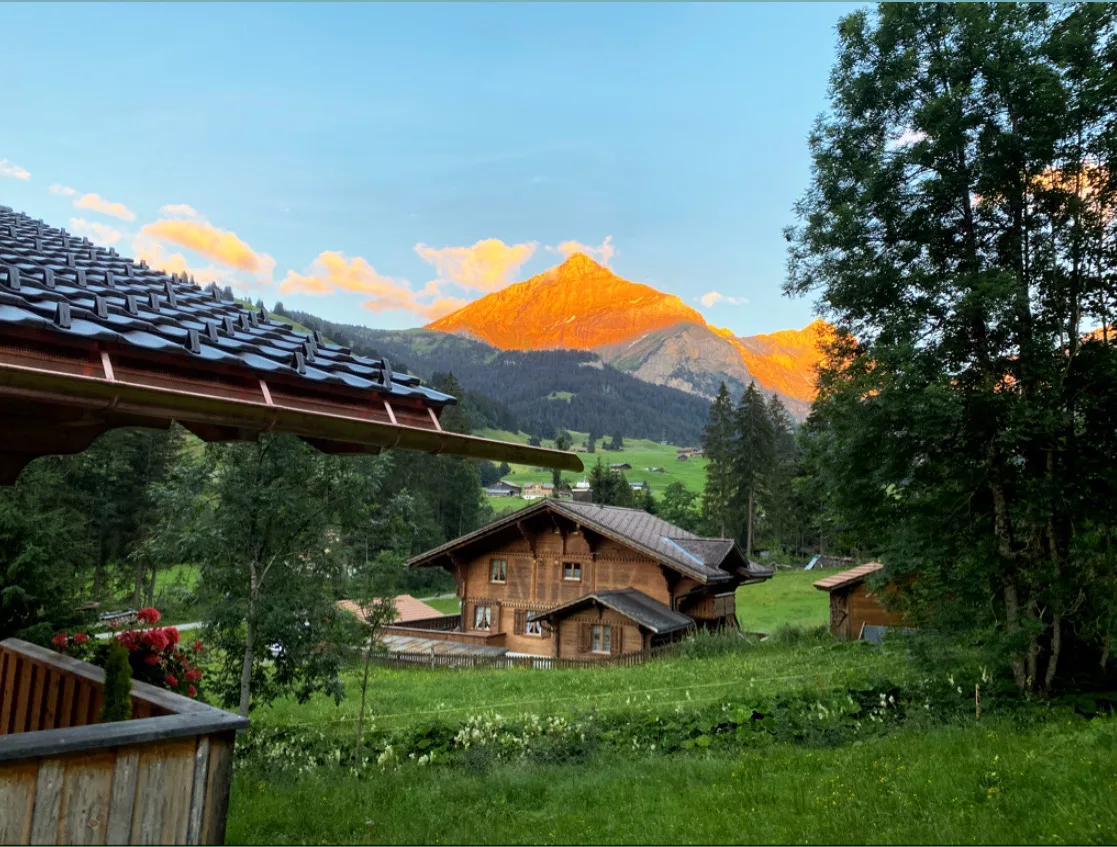
Day 2 Morning: Kirchenfeld and the Einstein Museum
Cross to Kirchenfeld for the Bernisches Historisches Museum, the country's second-largest history museum, whose collection of half a million objects covers history, archaeology, ethnography and numismatics. The same building houses the Einstein Museum, where the physicist's Bern years and the road to relativity get the detailed treatment.
Give the history museum and Einstein galleries a solid block of the morning rather than splitting them, because the building sits at Helvetiaplatz and pairs naturally with the Kunstmuseum Bern nearby. If you want a third museum later, this cluster is where you find it.
Day 2 Midday: Zentrum Paul Klee
The Zentrum Paul Klee holds the Paul Klee collection in Renzo Piano's wave-shaped building, and the museum is large enough that the visit deserves at least two hours. Treat it as the anchor of the day rather than squeezing it into a gap, and read the current exhibition listing before you go.
From the museum, trams and buses connect back toward the center, and Bern's public transport is free for hotel guests according to the city's visitor information. That perk makes the Kirchenfeld museums and a later Gurten ride easier to combine on one ticket-free day.
Day 2 Afternoon: The Gurten or a Third Museum
The Gurten is Bern's local mountain, reached by the Gurtenbahn funicular or a steep climb, and its terrace is where the city watches the sun set over the Alps. The view from the top takes in the whole loop of the old town and the river, which makes it a fitting last stop of the weekend.
If the weather is closed in, swap the mountain for the Museum of Fine Arts, which holds Picasso, Hodler and Meret Oppenheim alongside contemporary work. That substitution keeps the afternoon indoors and still fits the two-day frame.
Sunday in Bern: Arcades, Parks and Viewpoints
Sunday is the day to lean on the outdoor city rather than the museums, because the arcaded streets, fountains, cathedral platform and Rosengarten need no opening hours. The arcades keep the walk dry in rain, and the riverside paths give you the loop without planning around any indoor timetable.
Shop-dependent stops are a poor fit on Sunday, so check the listings for any specific store before you build the day around it. Keep the museum plan for a weekday and use Sunday for the BearPark and the climb to the Rosengarten.
Monday in Bern: Plan the Collections
Many Swiss museums close on Monday, though not all, so confirm each collection's current days on its own site before you assign Monday to the Kirchenfeld row. The practical move is to put the Old Town and the Gurten on Monday and shift the history museum and the Zentrum Paul Klee to a day when they are running.
The same applies to the Einstein House and the Museum of Fine Arts: each keeps its own schedule, so build the plan around the ones that are open rather than assuming a uniform rule. A Monday spent on the arcades, the Münster platform and the Rosengarten is still a full day.
How Many Days Bern Needs
One full day covers the Old Town, the Münster, the BearPark and the Rosengarten without hurry. Two days add the Kirchenfeld museums and the Gurten, which is the version a weekend gets you.
A third day only pays off if you want the Zentrum Paul Klee and the Kunstmuseum at an unhurried pace, or if you plan to spend an evening on the Gurten. If your time in Switzerland is one city only, Bern at two days is a complete visit.
Worth It or Not: Who Should Give Bern Two Days
Bern suits travelers who like a walkable medieval center, a strong museum cluster and viewpoints rather than big-ticket nightlife or lake beaches. It is also the calmer alternative if you are weighing the two cities, since the old town and the river loop sit in one compact frame.
Skip the overnight stay if your Swiss trip leans on alpine excursions and you only want a station-to-station city stop, because the museum and viewpoint plan here rewards a relaxed two days. Travelers with three days often split between two Swiss cities, while Bern rewards the fuller stay.
If a lake is the priority, the Lucerne plan covers a different weekend, with the Kapellbrücke and the lakefront as its center. Choose one of the two cities for a short break rather than trying to link them in a single 48-hour window.
Practical Trade-offs: Walking, Climbing and Museum Costs
The walking distances inside the old town are short, but the climb from the BearPark up the Aargauerstalden to the Rosengarten is steep and the day's real effort. Budget time for it, carry water, and decide in advance whether the panorama is worth the pull for your group.
Museum entries, the Münster tower and the Gurtenbahn each carry their own charge, and Bern is an expensive city overall, so pick the two or three museums that matter and skip the rest. Check each venue's published prices and any day passes before you commit, and use the city's visitor information to see whether your hotel provides a transport card.
For a longer stay, the wider planning guide walks through one to three days in more detail. A day trip beyond the city only makes sense if you already have the two-day core booked and want a third morning.
Plan Your Visit
Build the weekend around two days: an Old Town day that ends at the Rosengarten, and a Kirchenfeld day that carries on to the Gurten. Set the museum evening aside for a weekday, keep Sunday for the arcades and the river, and check each venue's hours and prices before you go.
The full Bern guide covers the sights in more depth if you want to adjust this plan, and the city's own visitor information confirms what to expect on the ground. Pack for rain, since the arcades make wet days workable, and wear shoes for the steep climb to the Rosengarten.
Explore more Bern guides
Frequently Asked Questions
Is two days enough for Bern?
Yes, two days cover the Old Town, the Münster, the BearPark and the Rosengarten on one day, and the Kirchenfeld museums plus the Gurten on the other. Three days only add a slower pace or an extra gallery.
What should I do on a Sunday in Bern?
The arcaded streets, the fountains, the Münster platform and the Rosengarten need no opening hours, so Sunday suits the outdoor Old Town. Check any specific shop's schedule before building the day around it, and save the museum visits for a weekday.
Are Bern's museums open on Monday?
Many Swiss museums close on Monday, but not all, so confirm each collection's current days on its own site. If the museums are shut, put the Old Town and the Gurten on Monday instead.
How do I get from the Old Town to the Kirchenfeld museums?
Cross the Aare from the Old Town toward Helvetiaplatz in Kirchenfeld, where the Bernisches Historisches Museum and Einstein Museum sit in one building. Trams and buses connect the center, and Bern's visitor information confirms that hotel guests get public transport free.
Is the Gurten worth it on a short trip?
Yes, if you have a clear day, because the view from the top takes in the old town loop, the river and the Alps. If the weather closes in, swap it for the Museum of Fine Arts, which holds Picasso, Hodler and Meret Oppenheim.
How long does the Münster tower take?
Treat the tower and the Münsterplattform as an hour or so of the midday block, then head down through the Matte quarter toward the Nydeggbrücke. The climb is the slow part, so start it before lunch rather than after the BearPark.
Is Bern worth visiting at all?
Bern suits travelers who want a walkable medieval center, a strong museum cluster and river viewpoints rather than lake swimming or big nightlife. For a short Swiss break built on alpine excursions, it is a calmer stop than the bigger cities.
Sources
Notes for your Swiss city break
Optional updates to our Swiss city guides.
You might also like
Continue reading
More guides you'll find useful