One Day in Lucerne: A Walkable Route for Morning to Evening
Spend one day in Lucerne on foot: cross the Chapel Bridge, wander the Old Town, find the Lion Monument and add Mount Pilatus if the sky is clear.
On this page
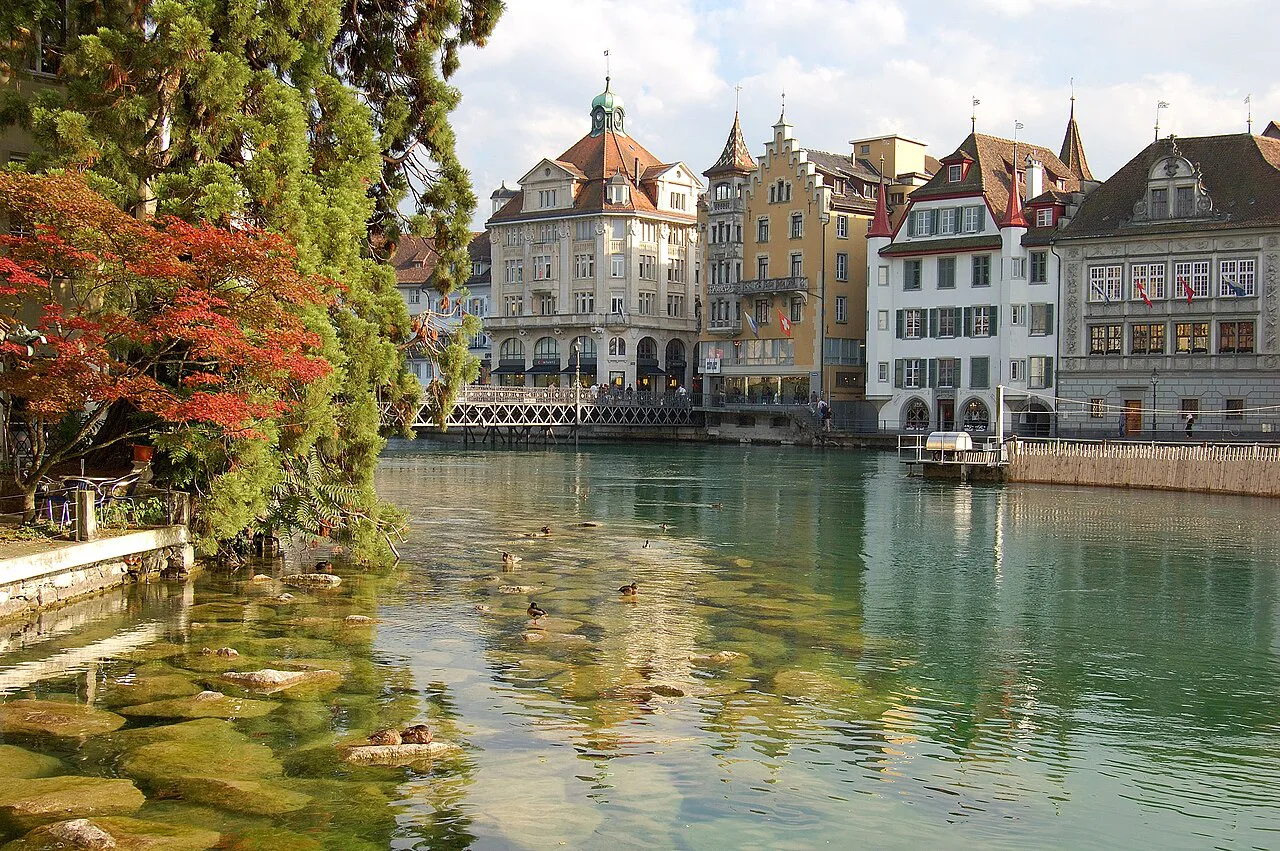
One day in Lucerne is enough to see the core of the city on foot. The Chapel Bridge, the Old Town lanes and the waterfront sit close together at the point where the Reuss River leaves Lake Lucerne, so you cross the water more than once rather than covering long distances.
This route runs from a quiet early-morning bridge crossing through the Old Town to the Lion Monument, leaves lunch and the afternoon open, and ends with a beer by the river and a last look at the bridge as the light drops. If you want the fuller version with more options, the Lucerne itinerary lays out the same ground in more detail.
How Lucerne Is Laid Out
Lucerne sits at the meeting point of Lake Lucerne and the Reuss River, with the medieval center on one bank and the main station on the other. That geography is why a walking day works: the station, the bridge and the Old Town are all within a short stroll, and you can cross the river several times without losing time.
The city grew from a fishing village into a trade town because of its position on the Gotthard route, and that history is still visible in the Chapel Bridge, the Water Tower and the painted facades of the Old Town. Plan your day as a loop rather than a checklist, and let the crossings set the rhythm.
If you are weighing up how much time to give the city, How Many Days in Lucerne Do You Actually Need? sets one day against a longer stay. For a single day, keep the mountain optional and protect the center.
Start at Kapellbrücke and the Water Tower
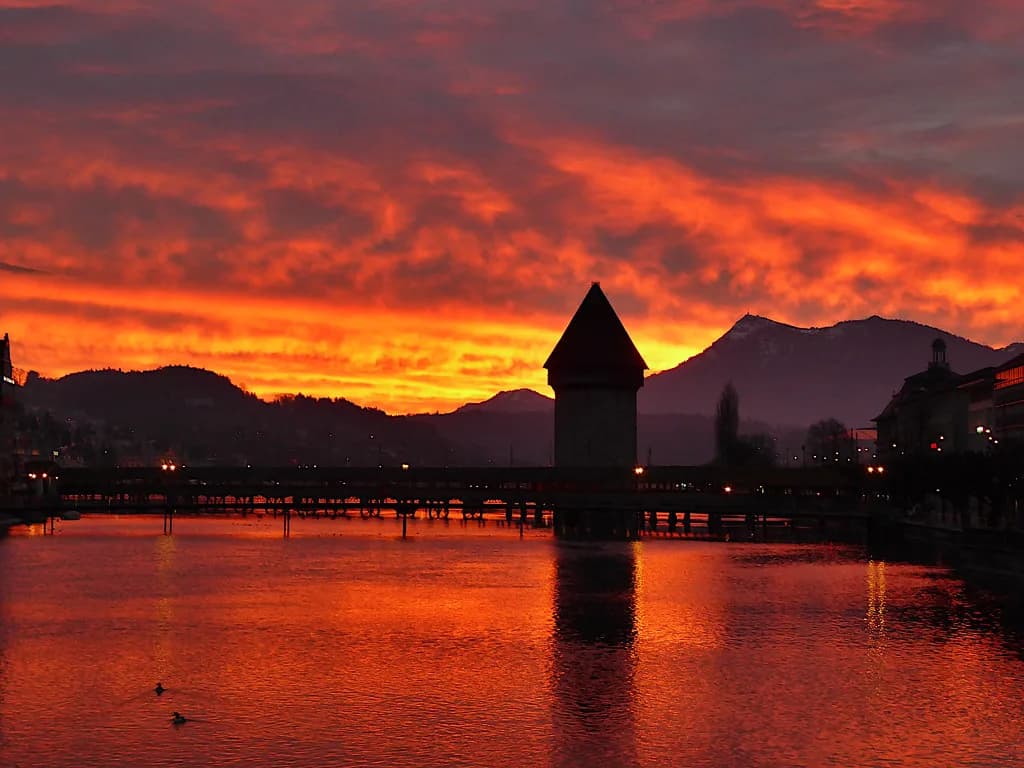
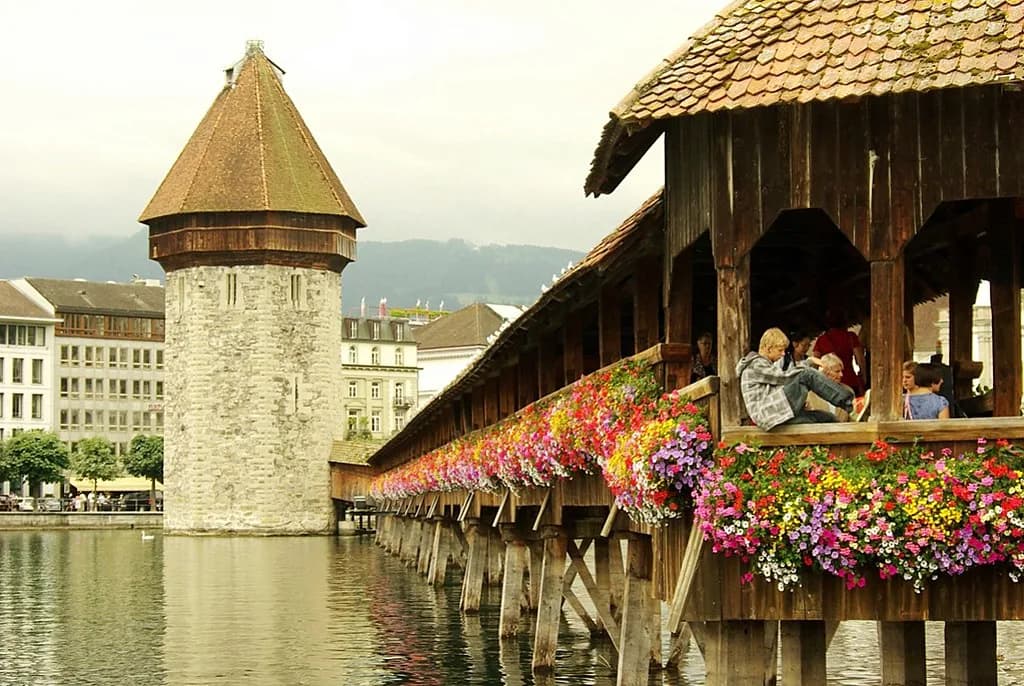
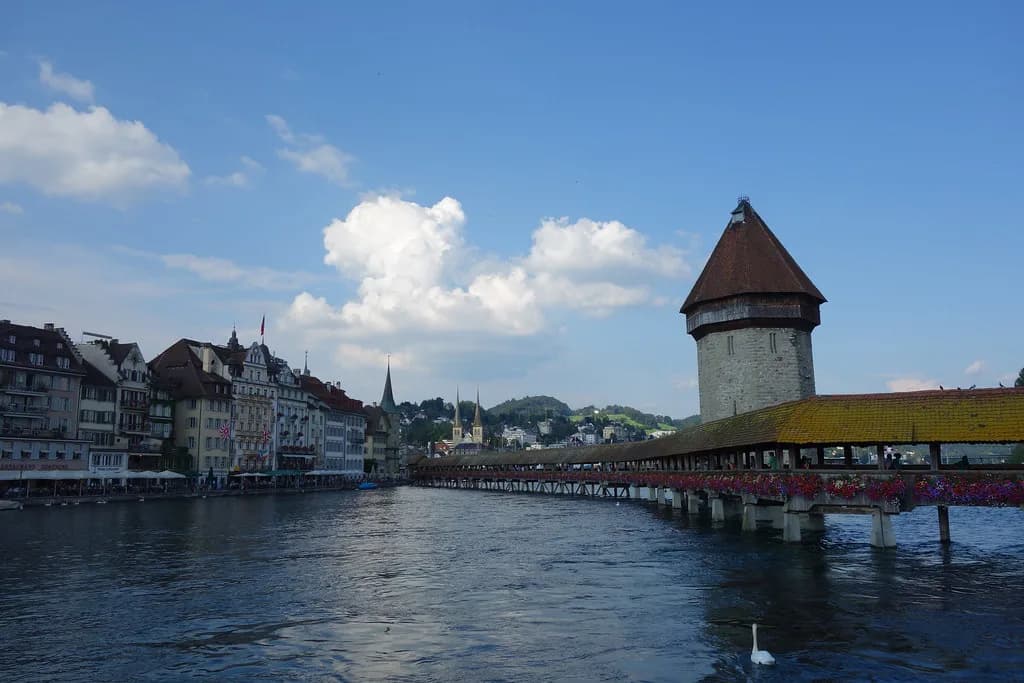
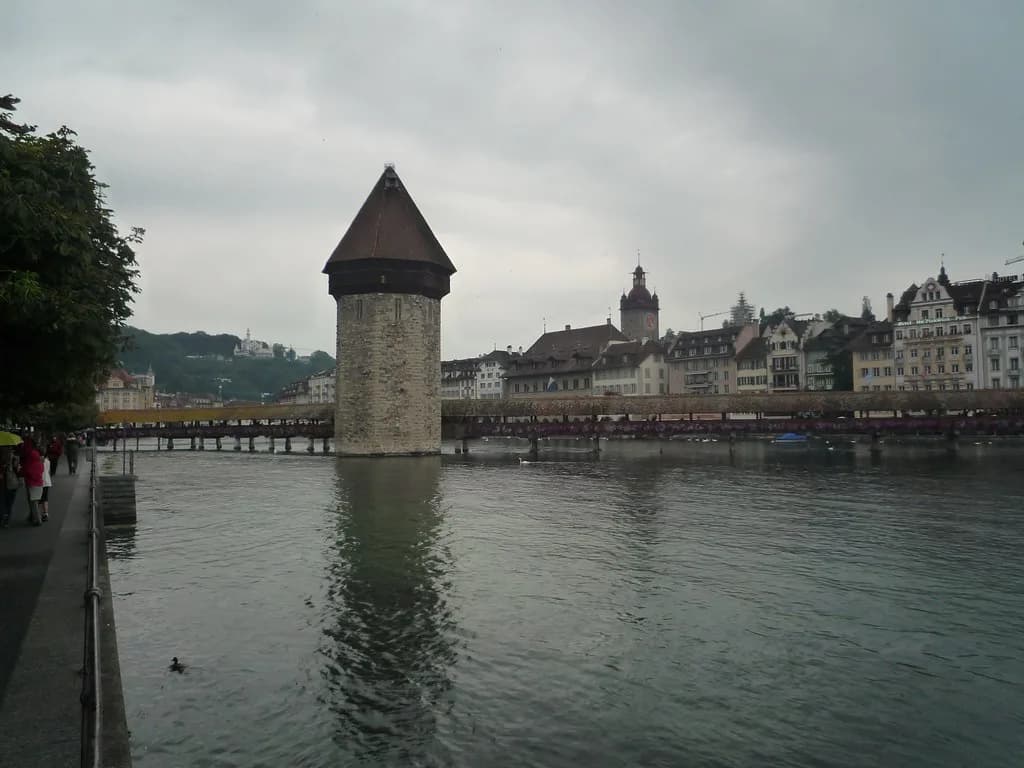
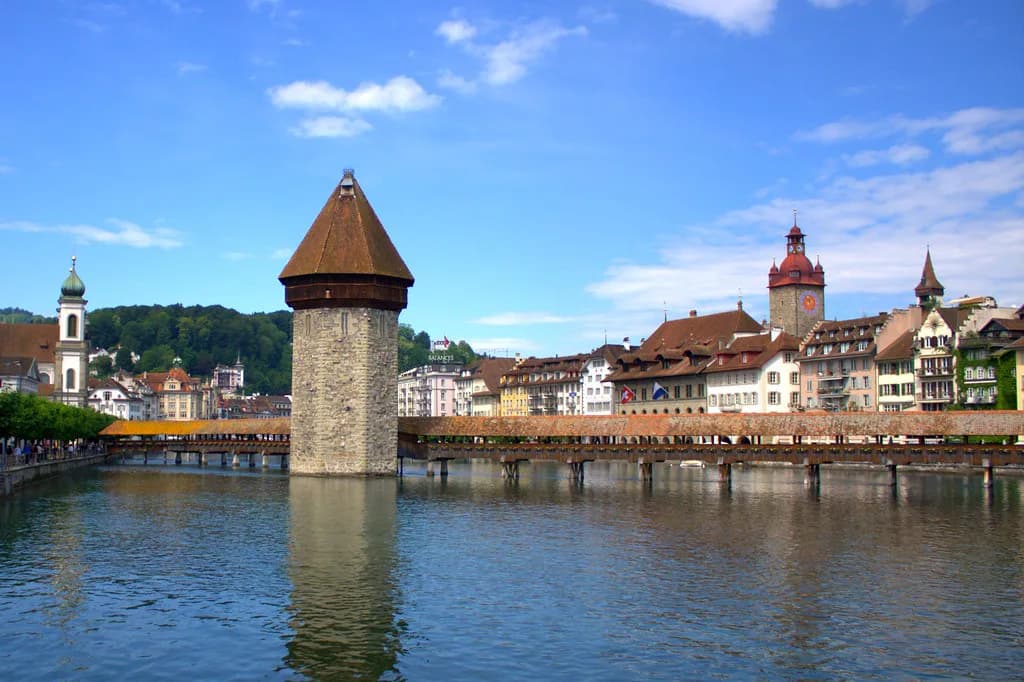
Begin on Kapellbrücke, the covered wooden bridge that serves as the city's symbol. Walk its full length rather than photographing it from the bank, then recross the river for the opposite-bank view, because the perspective changes completely from the other side.
The bridge dates from around 1365 and was nearly destroyed by fire in 1993, which is why parts of the structure read as both old and restored. Early morning is the quietest time on the boards, and the low light on the Water Tower is the reason to set the alarm.
Old Town Lanes and Painted Facades
Behind the bridge, the Old Town is a knot of cobblestone lanes and small squares where painted facades and fountain details appear around unexpected corners. Give this loop half an hour at minimum and resist the urge to navigate by map the whole way; the center is small enough that a wrong turn costs you two minutes.
The lanes open onto the waterfront without warning, which is part of the appeal. Keep the river on one side as a rough compass and you will always find your way back to the bridge.
Jesuitenkirche on the Waterfront
The Jesuit Church, Jesuitenkirche, stands on the river bank with its twin onion domes and is the first large Baroque church built in Switzerland north of the Alps, completed in the late 1600s. It is a short stop rather than a destination in itself, and its position makes it a natural pause between the Old Town and the walk toward the Hofkirche.
Step inside if the doors are open, then continue along the water. The exterior is the memorable part, and the waterfront in front of it is one of the better places in the city to sit for a few minutes.
Hofkirche St. Leodegar and the Lion Monument
Follow the shore east to the Hofkirche St. Leodegar, the church with the two spires you will have noticed from the bridge. The walk is easy and short, but the church interior is modest, so treat it as a waypoint on the way to the Lion Monument rather than a sight worth a detour of its own.
The Lion of Lucerne is carved into a rock face in a quiet pocket away from the main streets, and it is genuinely easy to miss because the signs are sparse and unclear. Carry a map or an offline pin, and expect the monument to arrive suddenly rather than announce itself.
The carving dates from 1820 and commemorates more than 700 Swiss soldiers killed during the French Revolution while serving the French monarchy. It is the second-most famous sight in the city after the bridge, and the reason to make the walk is the monument itself rather than the surrounding streets.
Lunch in the Center
For a brunch-style lunch, Incline Concept Store on Claridenstrasse serves dishes such as eggs Benedict on brioche and a bagel with balsamic vinegar cream in an art-filled room. It is a sit-down pause rather than a quick bite, which suits a day where the afternoon is still undecided.
If you want generous portions at prices that are gentle by Swiss standards, Erwins Imbiss-Stube on Industriestrasse is a one-man takeaway counter serving classic regional dishes and Thai favorites. Ordering takes a little patience, and the payoff is a filling meal that leaves more of the day's budget for the mountain.
Afternoon Choice: Stay in the City or Go Up Pilatus
The real decision of the day comes after lunch. Staying in town means more time on the waterfront and in the lanes; going up means committing the afternoon to the mountain and accepting that the city portion of the day is finished. Combining the two only works with an early start and a clear sky.
To reach the gondola, take bus 1 or 5 to Kriens and walk about ten minutes to the station, buying tickets there if you have not booked online. A Panorama Gondola carries you up in four-seat cabins to Fräkmüntegg, where you change to the Dragon Ride cable car for the final leg to Pilatus Kulm.
The Half Fare Travelcard, Eurail, Interrail, Swiss Travel Pass and Tell Pass all reduce the fare on this route, in some cases to nothing, so check your pass before buying a full ticket. At the summit in winter the options are the views, the Dragon Path and the restaurants; in summer there is more ground to cover.
Watch the clock: the last cable car down leaves at 4:30 or 5:30 p.m. depending on the season, and missing it is not a small problem. The Golden Round Trip, which links boat, cogwheel railway and cableways, does not run in winter or during scheduled maintenance.
Back in Town: A Beer on the Rathausquai
Coming down from the mountain or finishing the city loop, Bierliebe & Friends on the Rathausquai pours Swiss beers right on the waterfront. It is the natural place to sit for a spell before the evening walk, and the setting does most of the work.
Evening: A Last Crossing and Dinner
End the day with one more walk across Kapellbrücke as the light drops. The bridge is at its most peaceful in the evening, and crossing it a second time gives you the view you missed in the morning rush.
Dinner is wherever your budget allows; the center has plenty of options within a few minutes of the river. If you are still deciding whether the city deserves the trip at all, Is Lucerne Worth Visiting? What the City Does Well and Who It Suits gives a straight answer.
With a Second Day
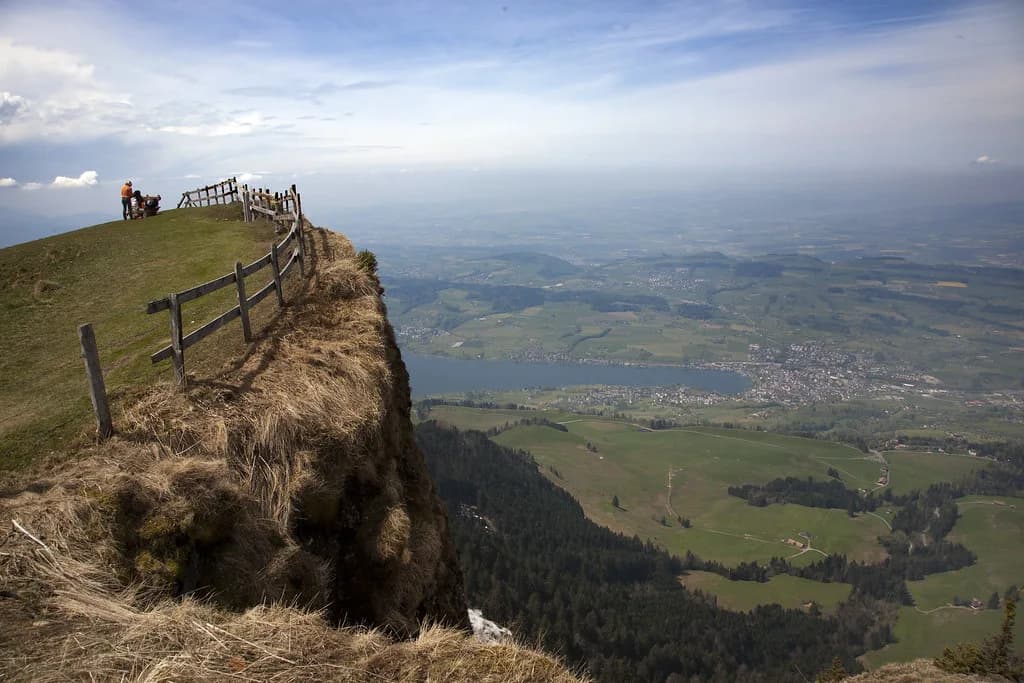
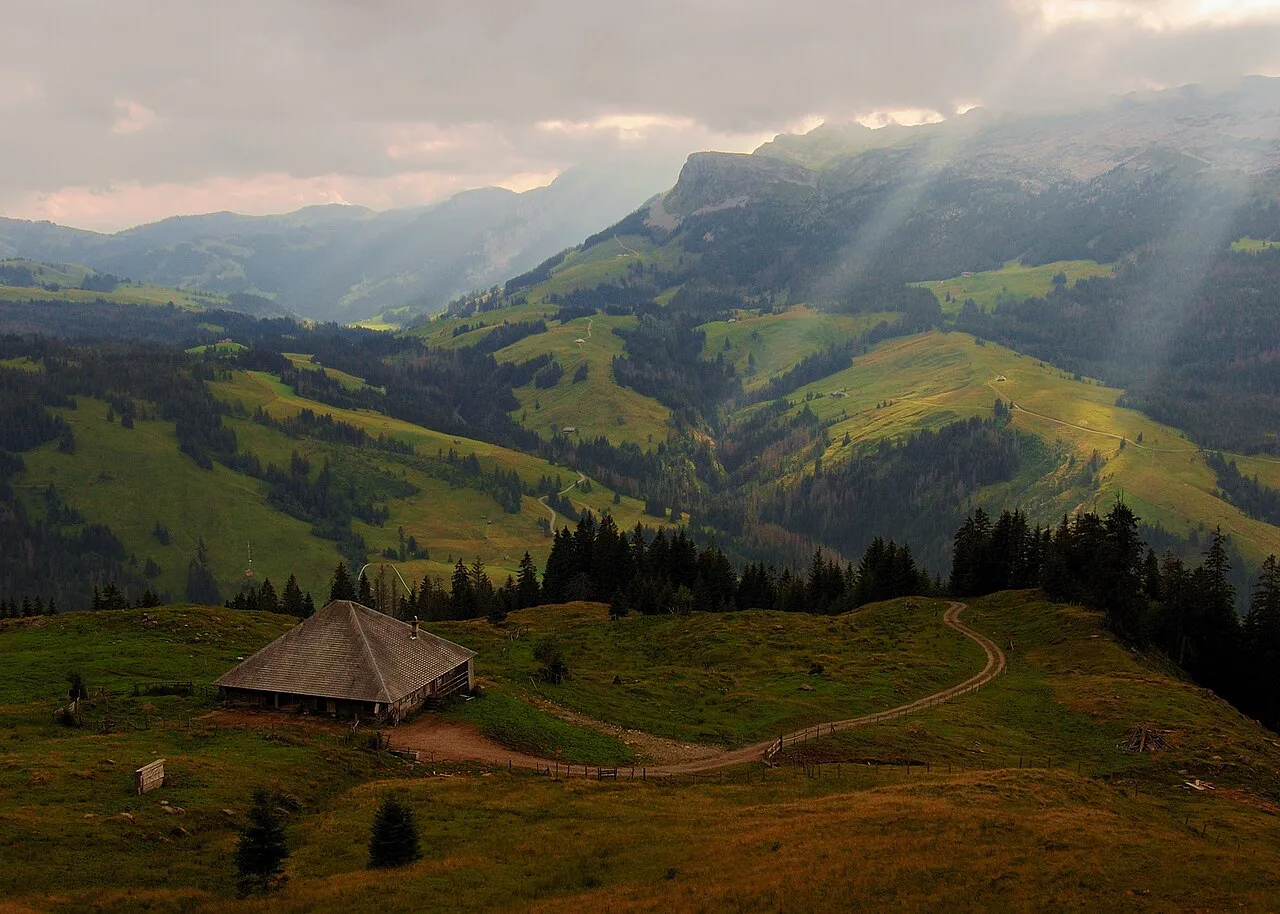
A second day opens up what one day cannot hold. A boat across Lake Lucerne to Vitznau puts you at the foot of Mount Rigi, reached by the first cogwheel train in Europe, with views over the lake and across a large stretch of the country.
Back in the city, the Swiss Museum of Transport is the country's most-visited museum, and the Sammlung Rosengart near the main station holds Impressionist and Modernist works. Either fills an afternoon without repeating the walking route.
With two full days you can also spread the sights more comfortably and keep a mountain day flexible around the weather; 2 days in Lucerne is a noticeably different trip from a single loop through the center. If you are still weighing how much time to allot, the guides above and below cover the same ground from different angles.
Practical Notes for the Day
Sundays in Switzerland are quiet, with many shops and restaurants closed, but Lucerne works as a Sunday visit and you will still find places to eat and drink. Do not treat Sunday as a reason to skip the city.
Keep any mountain plan flexible, because cloud can wipe out the view entirely and there is no guarantee of a clear day at any time of year. If the sky is closed in, spend the afternoon on the waterfront and in the lanes instead, and check the Mount Pilatus operating information before you set out for Kriens.
Tipping works differently from the US: service is included in published prices by law, and rounding up to the next five or ten francs is the local habit rather than adding a percentage. For a coffee or a beer, 50 cents to a franc is the usual gesture.
Plan Your Visit
One day in Lucerne works because the city is compact: the bridge, the Old Town, the Jesuit Church and the Lion Monument all fit into a morning and early afternoon on foot, with lunch in the middle. The afternoon is the only real fork in the road, and the mountain only earns its place on a clear day with an early start. If you want to compare how a similarly compact center plays out elsewhere, our one day in zurich route makes an easy reference point.
Check the last descent time from Pilatus Kulm and your pass coverage before committing, and keep the evening free for a final crossing of the bridge. Lucerne Attractions: 8 Visitor Guides covers the individual sights in more depth if you want to rearrange the order.
Explore more Lucerne guides
Frequently Asked Questions
What can you realistically see in one day in Lucerne?
The Chapel Bridge and Water Tower, the Old Town lanes, the Jesuit Church, the Hofkirche and the Lion Monument all fit comfortably into a morning and early afternoon on foot. The afternoon can then go to Mount Pilatus or to the waterfront and a museum.
How long does it take to walk around Lucerne's Old Town?
Give the Old Town loop at least half an hour. The center is small enough that wrong turns cost little, but the lanes reward a slow pace rather than a quick pass.
Can you combine Lucerne and Mount Pilatus in one day?
Yes, with an early start and clear skies. Take bus 1 or 5 to Kriens, ride the Panorama Gondola and then the Dragon Ride to Pilatus Kulm, and watch the seasonal last descent time of 4:30 or 5:30 p.m.
What is there to do in Lucerne in two hours?
Walk the length of Kapellbrücke, recross the river for the opposite-bank view, and loop through the Old Town lanes behind the bridge. That fills two hours without rushing.
Is one day in Lucerne enough, or do you need two?
One day covers the core sights. A second day adds Mount Rigi by boat and cogwheel train, the Swiss Museum of Transport or the Sammlung Rosengart without squeezing the city.
Sources
Notes for your Swiss city break
Optional updates to our Swiss city guides.
You might also like
Continue reading
More guides you'll find useful