Is Bern Expensive? Real Costs for a City Break
Bern is expensive, but a short break costs less than you might fear. Here is what hotels, meals, coffee and taxis typically run, and how to spend less.
On this page
Bern is expensive, but a city break costs a fraction of living here. The gap matters: visitors do not pay rent, and the biggest single line in a short trip is usually the room, not the sightseeing.
Cost-of-living data for Bern puts a single nomad's monthly budget at about 7,757 US dollars, with a hotel median near 224 dollars a night and an Airbnb median near 202 dollars a night. Those are US dollar estimates drawn from international comparison data, so treat them as a planning anchor rather than a Bern price list.
A visitor-spend estimate for a week in Bern ranges from about 1,016 to 4,637 US dollars, averaging roughly 2,322. Spread across seven days, that works out to a mid-range day well under the monthly resident figure, which is why two or three days here feel manageable even on a tight budget.
Is Bern Expensive? The Short Answer
Yes, Bern is expensive by most standards, and the cited comparison data labels it extremely costly for remote workers. The same data rates Bern about 34 percent cheaper than New York City, so it sits below the priciest global cities even while it feels steep to many European visitors.
What makes the difference for a short visit is what you actually pay for. A resident carries rent and utilities every month; a visitor carries accommodation, meals and a handful of tickets. That is why a two-night stay can feel affordable while a month would not.
The honest framing is that Bern rewards planning. Book the room early, eat one proper meal a day, and walk the compact center rather than adding taxis, and the trip lands nearer the middle of the visitor-spend range than the top.
What a Day in Bern Costs, Itemized
Building a day from named items makes the budget concrete. Start with the room, then add coffee, a beer or a soft drink, one dinner, and any transport; the small items add up faster than most people expect in Swiss francs.
In the cited cost data, a coffee in a cafe runs about 7 US dollars, a half-liter beer about 9 dollars, and a 0.3-liter Coca-Cola about 6 dollars. A dinner comes in near 29 dollars, and a short taxi trip of roughly 3 kilometers about 16 dollars. These are comparison estimates in US dollars, not quoted menu prices, so expect the franc figure on the bill to differ.
A realistic mid-range day therefore looks like this: one cafe stop, one sit-down dinner, a couple of drinks and a short tram or bus hop. Skip the taxi and the drink and the same day drops noticeably, which is the simplest lever a visitor controls.
Hotel and Airbnb Prices in Bern
Accommodation is the line that decides whether Bern feels expensive or reasonable. The cited data shows a hotel median around 224 US dollars a night and an Airbnb median around 202 dollars a night, figures close enough that the choice comes down to location and what is included rather than headline price.
Median means half the listings sit above and half below, so a modest room away from the very center will often come in under these numbers. Compare total cost including breakfast and any city tax rather than the nightly rate alone.
Bern is compact, so a room a short walk or a couple of tram stops from the Old Town usually costs less without costing much time. That trade-off is the most reliable saving in the city.
Coffee, Beer and Dinner Prices in Bern
Eating and drinking out is where a budget quietly slips. The cited comparison figures put a cafe coffee near 7 dollars, a half-liter beer near 9 dollars and dinner near 29 dollars, all in US dollars, which means a couple of coffees and a beer already approach the price of a main course.
Two simple habits keep the food line down. Take the coffee standing at a counter rather than at a table, and make lunch the main meal, since midday plates usually cost less than the same dish in the evening.
A beer or a glass of wine in the evening is a small pleasure worth keeping, so budget for it deliberately instead of deciding in the moment. Set a daily food figure before you arrive and the city's prices stop being a surprise.
Getting Around Bern and What Transport Costs
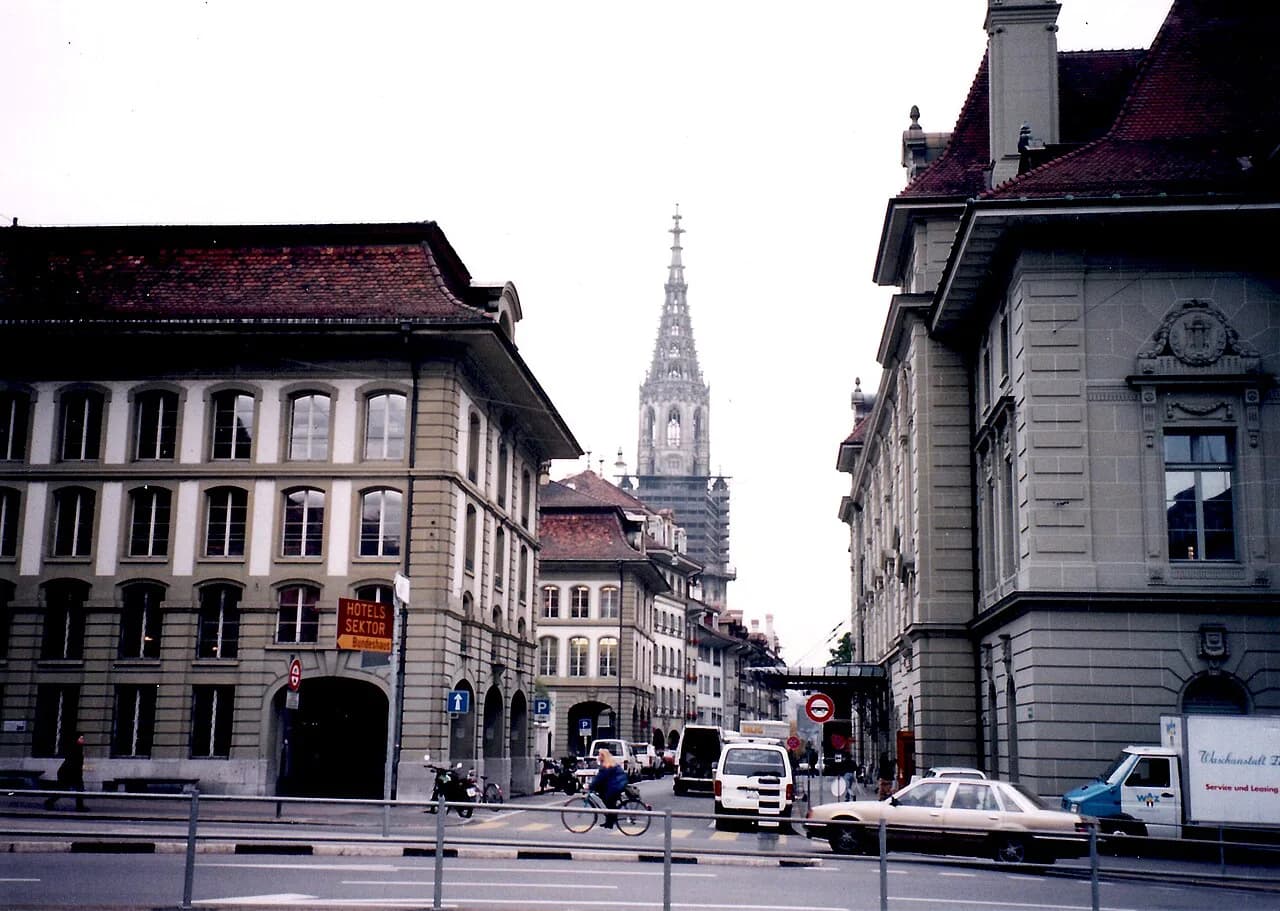
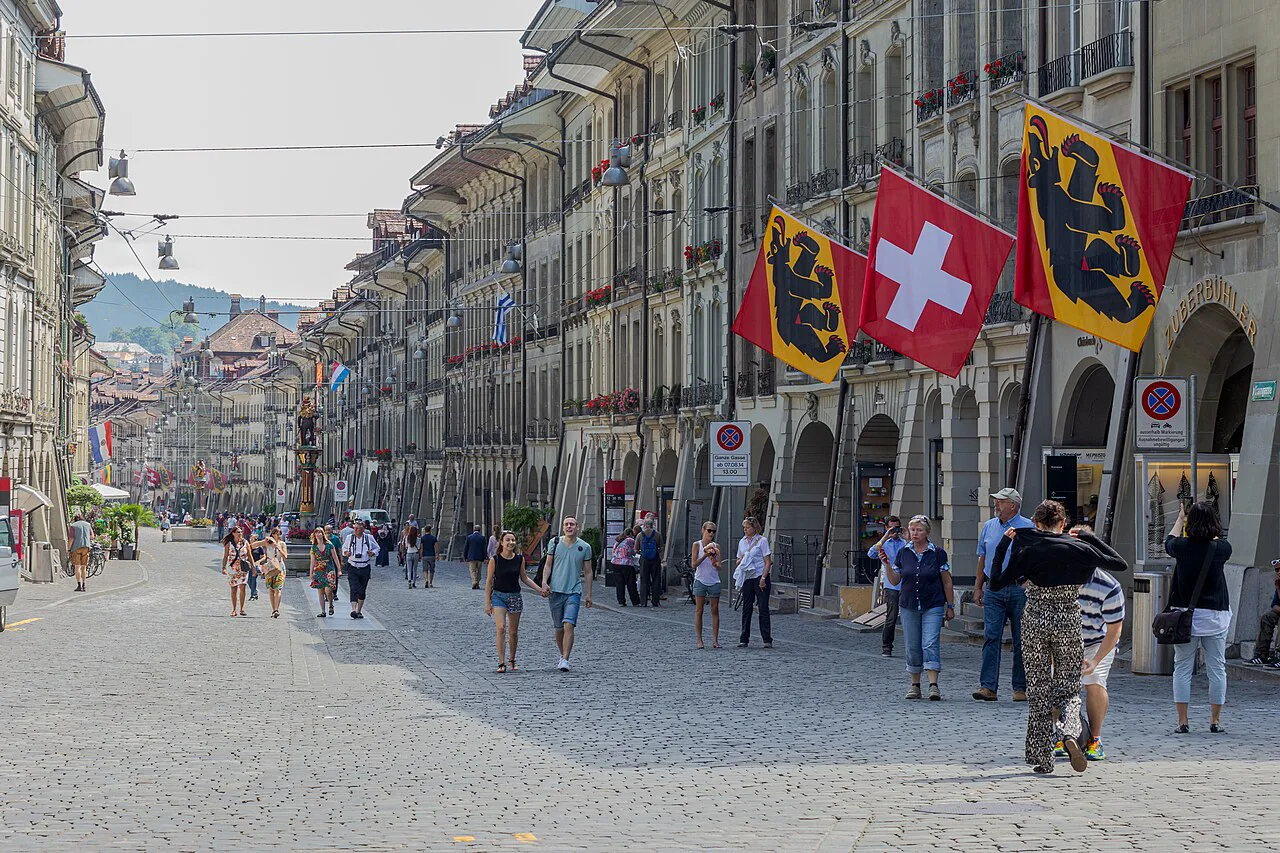
The center of Bern is small enough to cross on foot, and the covered arcades of the Old Town make walking practical in rain. Most visitors only need public transport for the arrival, the departure and perhaps one longer hop.
Taxis are the expensive option: the cited data puts an average 3-kilometer trip near 16 US dollars, which buys a lot of tram rides. Use a taxi for luggage or a late arrival and walk or ride the rest of the time.
Fares and any multi-day tickets change, so check the price screen at the ticket machine or the counter at Bern station before you buy. Plan the walking route first, then decide whether a pass earns its cost.
Sights Worth the Money and What to Skip
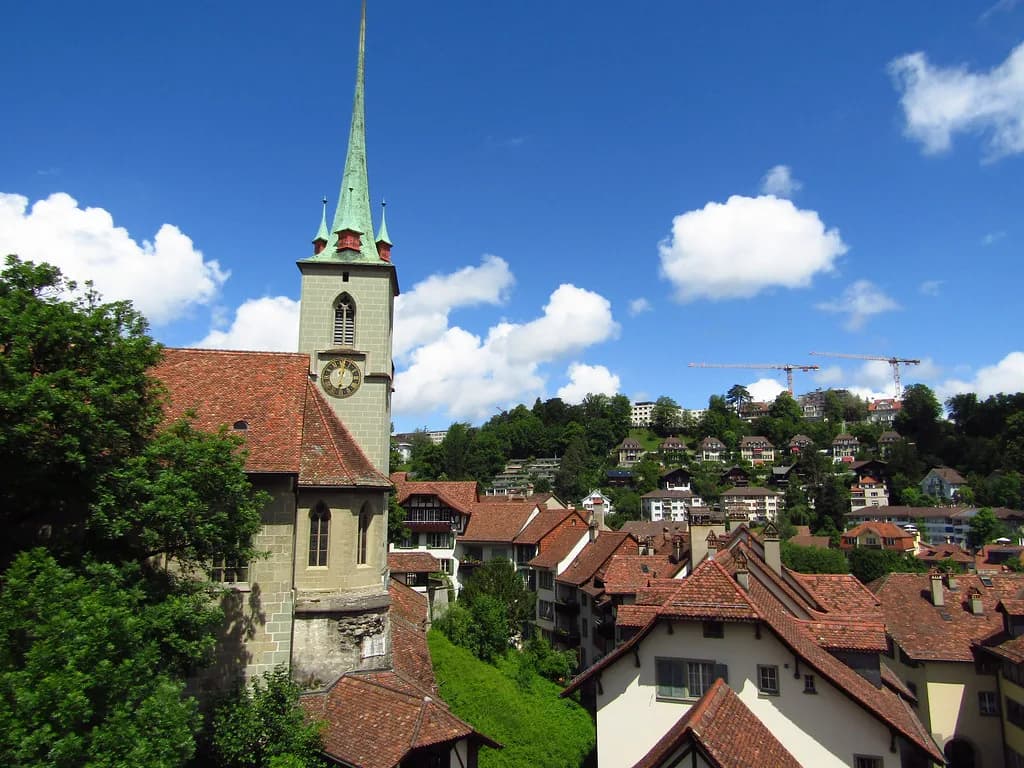
Bern's best value is its streetscape: the arcaded Old Town, the clock tower and the river views cost nothing to look at, and they fill most of a first day. Build the bern itinerary around those free anchors and add paid sights only where they genuinely interest you.
Paid attractions should be chosen, not collected. Pick the one or two museums or towers you care about, check the entry price at the door, and let the rest of the day stay free.
If you are weighing Bern against another Swiss city, the comparison is mostly about what each includes for the money rather than the ticket prices themselves. Settling that trade-off first makes the choice straightforward.
Cheap and Free Things to Do in Bern
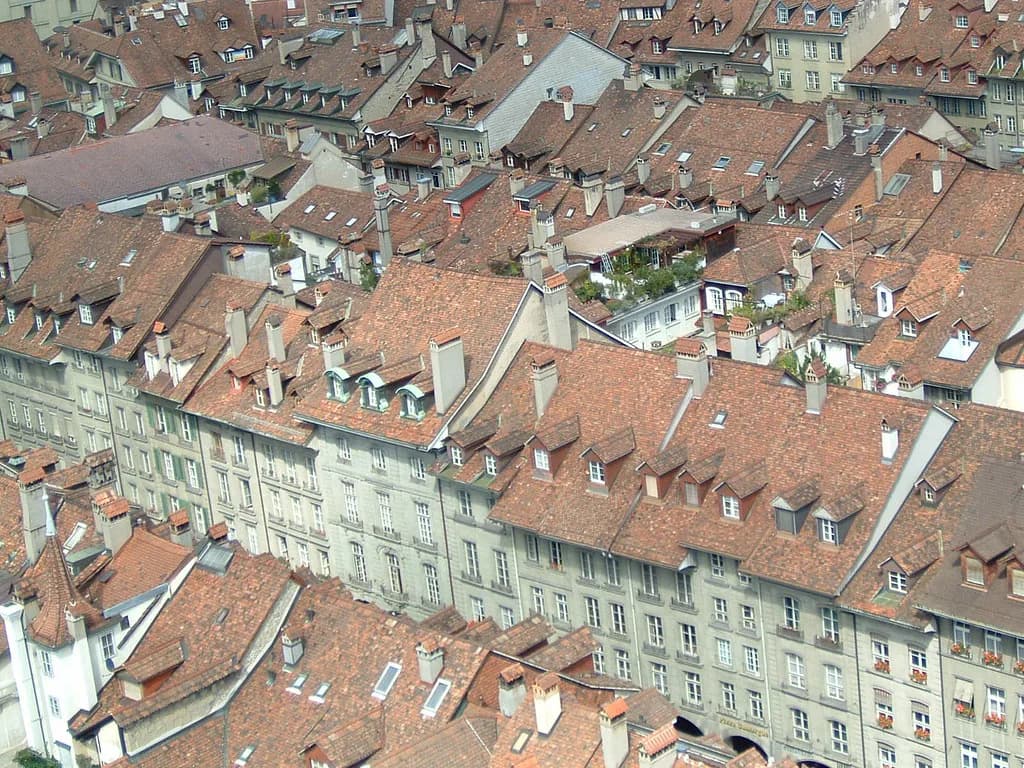
Walking is the best free activity in Bern. Follow the arcades through the Old Town, climb to a viewpoint above the river, and cross to the far bank for the classic view back at the rooftops.
A short break works well because the free sights cluster tightly. Two or three days cover the center comfortably, which keeps paid extras to a minimum.
If your time is shorter, pare the list to the river, the arcades and one museum, and skip anything that requires a queue. A single well-spent day beats three rushed ones.
The river itself is the city's free playground: the Aare loops around the Old Town and gives you a long, level walk with views at no cost beyond your time.
Money-Saving Passes and Cards
Swiss rail passes and half-fare cards can pay off on longer journeys, but whether they help a short Bern stay depends on how much you travel and which sights you plan to see. Check the current pass rules and prices against your own itinerary rather than buying on reflex.
The same logic applies to city guest cards and museum combinations: they only save money if you use what they cover. Price your planned days first, then compare the card total.
Comparing nearby cities shows how much of a Swiss break is fixed cost and how much is choice. Bern and Basel price similarly on the basics, so the pass question is usually the same in both.
When to Go to Keep Costs Down
Climate averages from the cited data show January medians near freezing and July medians around 22 degrees Celsius, with rain in most months and October among the driest. None of that is a forecast, but it tells you which months need the warmest coat and which are easiest for walking.
Shoulder seasons are the friendlier choice for a city break: the streets are easier to walk, rooms are less contested, and you spend less time sheltering. Winter works if you accept cold and damp and plan indoor stops.
Weather is not the only cost factor, but it shapes how much time you spend outdoors versus in paid indoor attractions. A dry stretch saves money simply because you walk more.
Common Money Mistakes in Bern
The first mistake is treating a cost-of-living figure as a trip budget. The monthly nomad number near 7,757 dollars includes rent and everyday life; a two-night visitor does not spend that.
The second is assuming cards cover everything. The cited data notes that cash is still common for foreigners, so carry some francs for small purchases even if you pay by card most of the time.
The third is leaving the room booking late, when the median no longer protects you. Book early, stay slightly outside the center, and put the savings into one good dinner instead of a taxi.
If you are comparing Swiss cities before deciding, Zürich's costs make a useful benchmark: check the Zürich figures against Bern's and see which break fits your budget.
Plan Your Visit
Bern is expensive, but a short break is affordable with a few deliberate choices: book the room early, walk the center, and spend on one good meal rather than a string of small extras.
Set a daily figure using the cited medians, then check current prices for transport and any paid sights before you go. With that in place, two or three days in Bern are easy to budget and easy to enjoy.
Explore more Bern guides
Frequently Asked Questions
Is Bern expensive to visit?
Bern is expensive, but a short break costs far less than living there. The cited comparison data rates the city extremely costly for remote workers, yet a visitor-spend estimate for a week ranges from about 1,016 to 4,637 US dollars, averaging roughly 2,322. Because most visitors stay two or three days rather than a month, the room becomes the largest line item, followed by meals and a few paid sights. Planning the room early and walking the compact center keeps the total closer to the middle of that range than the top.
How much does a day in Bern cost?
A mid-range day is built from a room, one cafe stop, one sit-down dinner and a little transport. The cited figures put a cafe coffee near 7 US dollars, a beer near 9 dollars and dinner near 29 dollars, plus a hotel median around 224 dollars a night. Those are US dollar comparison estimates rather than quoted Swiss franc prices, so the bill will differ. Cut the taxi and the second drink and the day drops noticeably.
How much is a hotel in Bern per night?
The cited data shows a hotel median around 224 US dollars a night and an Airbnb median around 202 dollars. Median means half the listings sit above and half below, so a modest room a short walk from the center will often cost less. Compare total cost including breakfast and any city tax rather than the nightly rate alone, and book early enough that the median still protects you.
How much is coffee or a beer in Bern?
Comparison figures put a cafe coffee near 7 US dollars and a half-liter beer near 9 dollars, with a 0.3-liter soft drink near 6 dollars. These are US dollar cost-of-living estimates, not menu prices, so expect the franc figure on the bill to differ. Two coffees and a beer can approach the price of a main course, which is why a daily food budget set in advance helps.
Is Bern cheaper than Zürich or Geneva?
The cited comparison data rates Bern about 34 percent cheaper than New York City and places it below the priciest global cities, while neighbouring Swiss cities are also listed as extremely expensive. Comparing exact figures city by city is the only reliable way to see the gap. Bern's compact center and free streetscape make it easier to keep a short break inexpensive whatever the headline comparison says.
Do I need cash in Bern?
Cards work for most larger purchases, but the cited data notes that cash is still common for foreigners, so carry some Swiss francs for small items. A few coins for a coffee counter or a market stall saves awkward moments. Prices are quoted in Swiss francs, and change will come back in francs, so keep a small amount on hand even if you pay by card most of the time.
When is the cheapest time to visit Bern?
Climate averages show January medians near freezing and July medians around 22 degrees Celsius, with rain in most months and October the driest. Shoulder seasons are the friendlier choice for a city break: the streets are easier to walk and rooms are less contested. Winter works if you accept cold and damp and plan indoor stops. These are typical averages, not a forecast, so check conditions as your date approaches.
How can I spend less in Bern?
Walk the arcaded Old Town, the viewpoints and the river instead of taking taxis, since a short taxi trip runs about 16 US dollars. Make lunch the main meal, take coffee standing at the counter, and pick one or two paid sights rather than collecting them. Book accommodation early and slightly outside the center. A pass only saves money if you use what it covers, so check current pass rules against your own itinerary before buying.
Sources
Notes for your Swiss city break
Optional updates to our Swiss city guides.
You might also like
Continue reading
More guides you'll find useful