Zermatt in June: Weather, What's Open and How to Plan Days
Zermatt in June brings mild days near 20°C in town, lingering snow up high, and a car-free village below the Matterhorn. Here's how to plan around it.
On this page
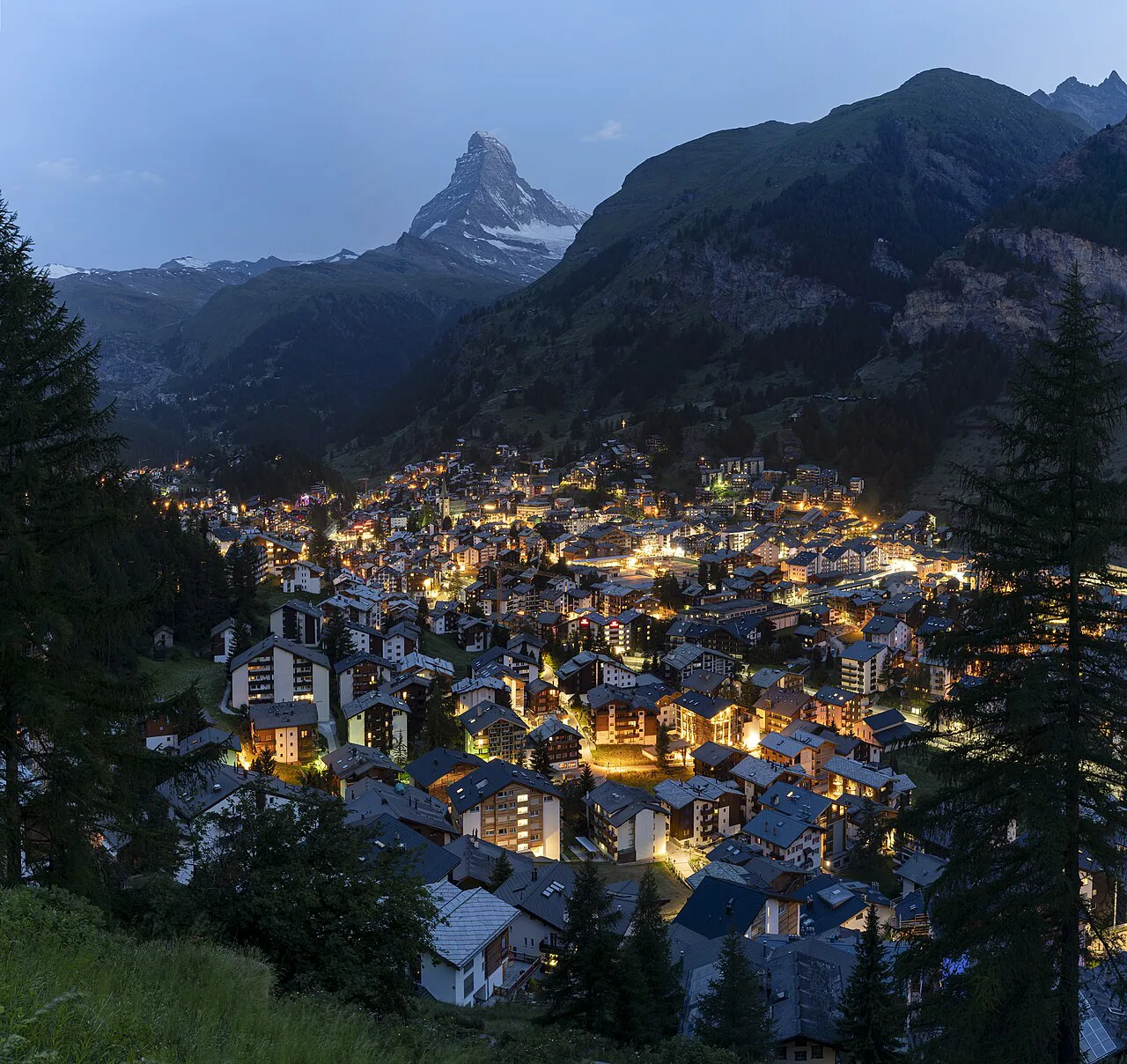
June is the month Zermatt shifts from ski season to walking season, and the timing is uneven. In town you get mild afternoons, long daylight and a car-free village laid out beneath the Matterhorn, but the high ground still holds winter snow. Plan around that split and June works well for photographers, casual walkers and anyone who wants the Matterhorn without July crowds.
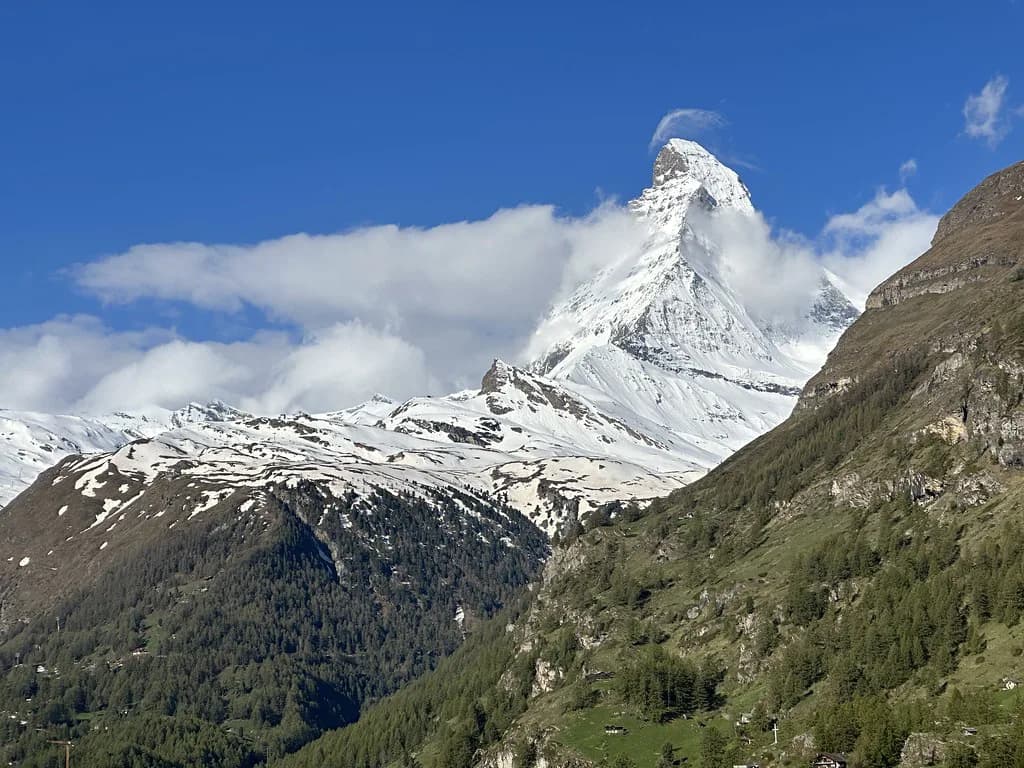
The village sits at 1,620 m, and the mountain rises to 4,478 m at the Matterhorn summit. That gap explains almost every June decision: what you wear, which trails you pick, and whether you ride a cable car or stay low in the valley.
What June feels like in Zermatt
In town, June days typically average around 20°C and nights near 10°C. Shorts and a T-shirt work in the village by afternoon, but a warm layer earns its place after sunset. The clear mountain air and high altitude make sunburn a real risk, so sunscreen matters more than the temperature suggests.
The bigger contrast is up on the glacier. Morning temperatures there can sit well below freezing, with icy slopes that soften into slush by lunchtime. Dress in layers you can strip off rather than one heavy jacket.
June also brings long days, which is the quiet advantage of the month: you can ride up in the morning, walk in the afternoon and still have light for a village stroll after dinner. For a broader comparison of months, see the best time to visit Zermatt.
How Zermatt is laid out
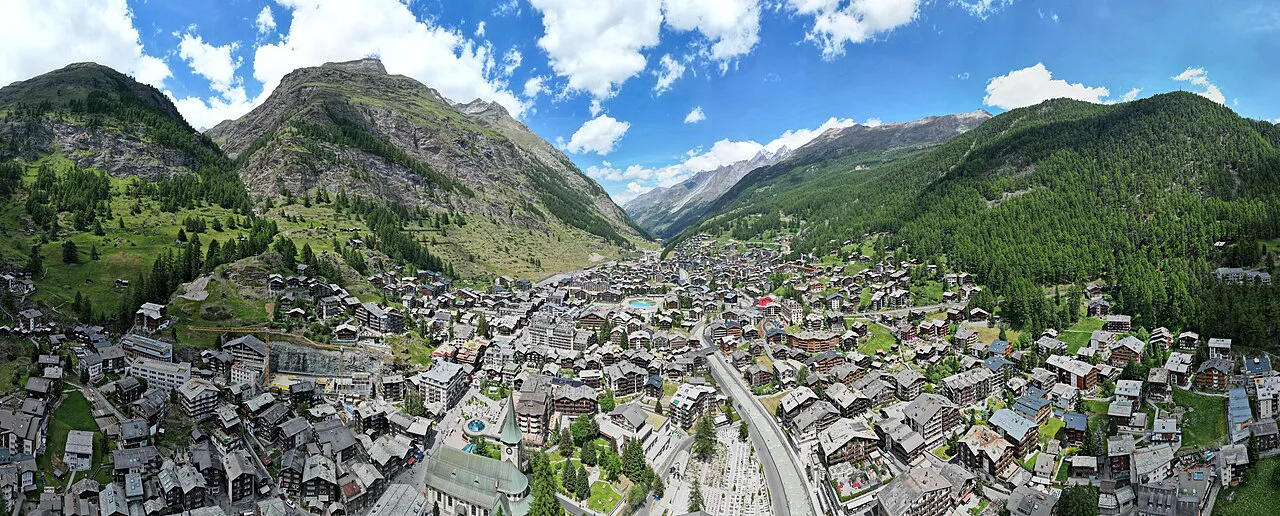
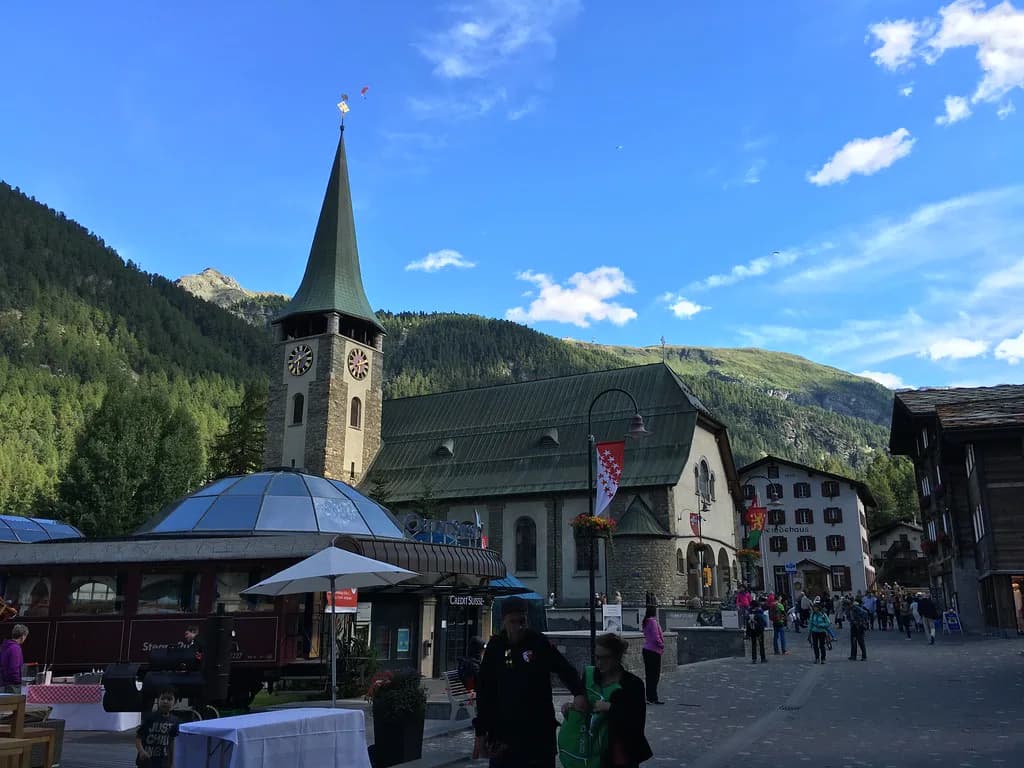
Zermatt is a car-free resort in the German-speaking canton of Valais, built on cobblestone lanes lined with traditional chalets, some of the houses more than 500 years old. The main streets carry the shops and cafés; the backstreets behind them are quiet and are where the village's alpine character shows best.
The Matterhorn stands above everything, and you rarely lose sight of it while walking the village. Above town, the lift system steps up in stages toward the glacier area, so a June day can combine a low village walk with a high viewpoint without any climbing.
To sort the individual sights before you book anything, the Zermatt Attractions hub collects the village, mountain and museum guides in one place.
Getting there without a car
Most visitors fly into Geneva or Zürich, both just under 250 km from Zermatt, and continue by rail. The train ride from either airport takes about 3.5 hours and is scenic in its own right.
Drivers cannot enter the resort. The nearest parking is in Täsch, about 5 km away, and from there you continue by train or electric taxi. If you are coming from a car, budget the transfer time into your arrival afternoon rather than trying to squeeze in a lift ride on day one.
How many days June needs
Two full days cover the village and one high viewpoint comfortably: one day for the lanes, the chalets and the Matterhorn views, one for a cable car or railway ride and a short high walk. Add a third day if you want a weather buffer, which June justifies.
Families with young children often ask whether two nights in late June is enough. It is workable if you keep the high-mountain ambitions modest and treat the village and a single lift ride as the core, then leave the rest optional.
The Matterhorn as the anchor of the trip
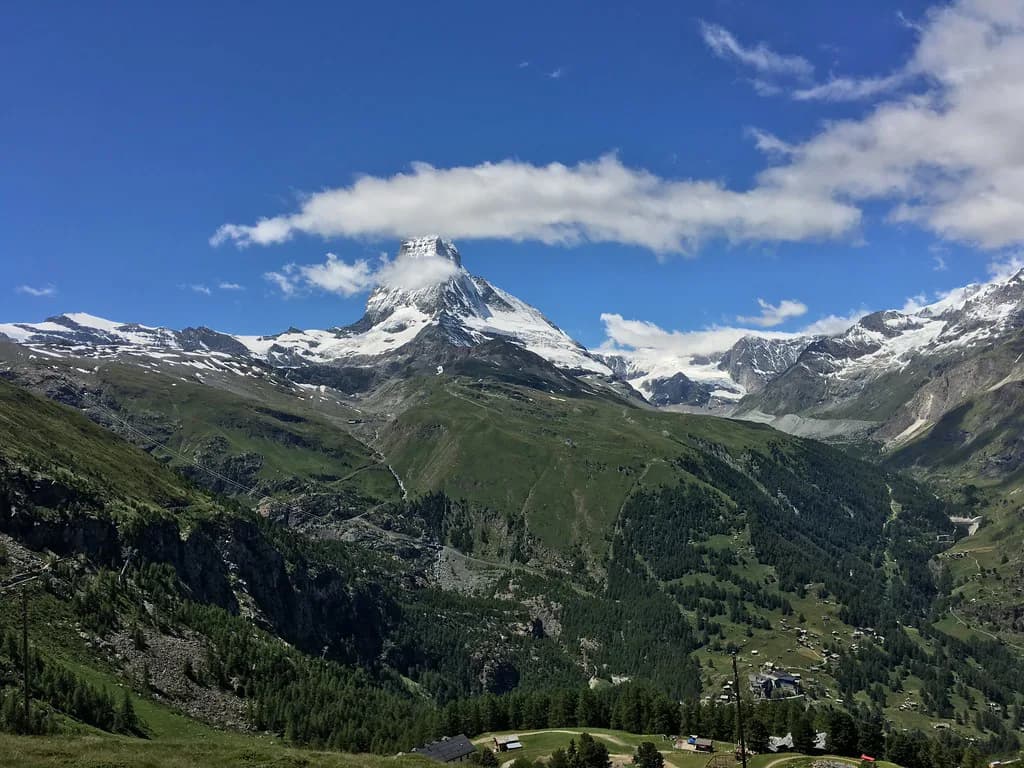
The Matterhorn's 4,478 m peak is one of the highest summits in Europe and one of the most recognizable, and it dominates the village from almost any street. June light, with long hours and a low sun in the evening, is forgiving for photography.
Treat the peak as the organising point of each day rather than a single sight to tick off. Walk the backstreets in the morning when the mountain is clearest, and keep an evening slot for a view from the village when the light softens.
Riding up rather than walking up
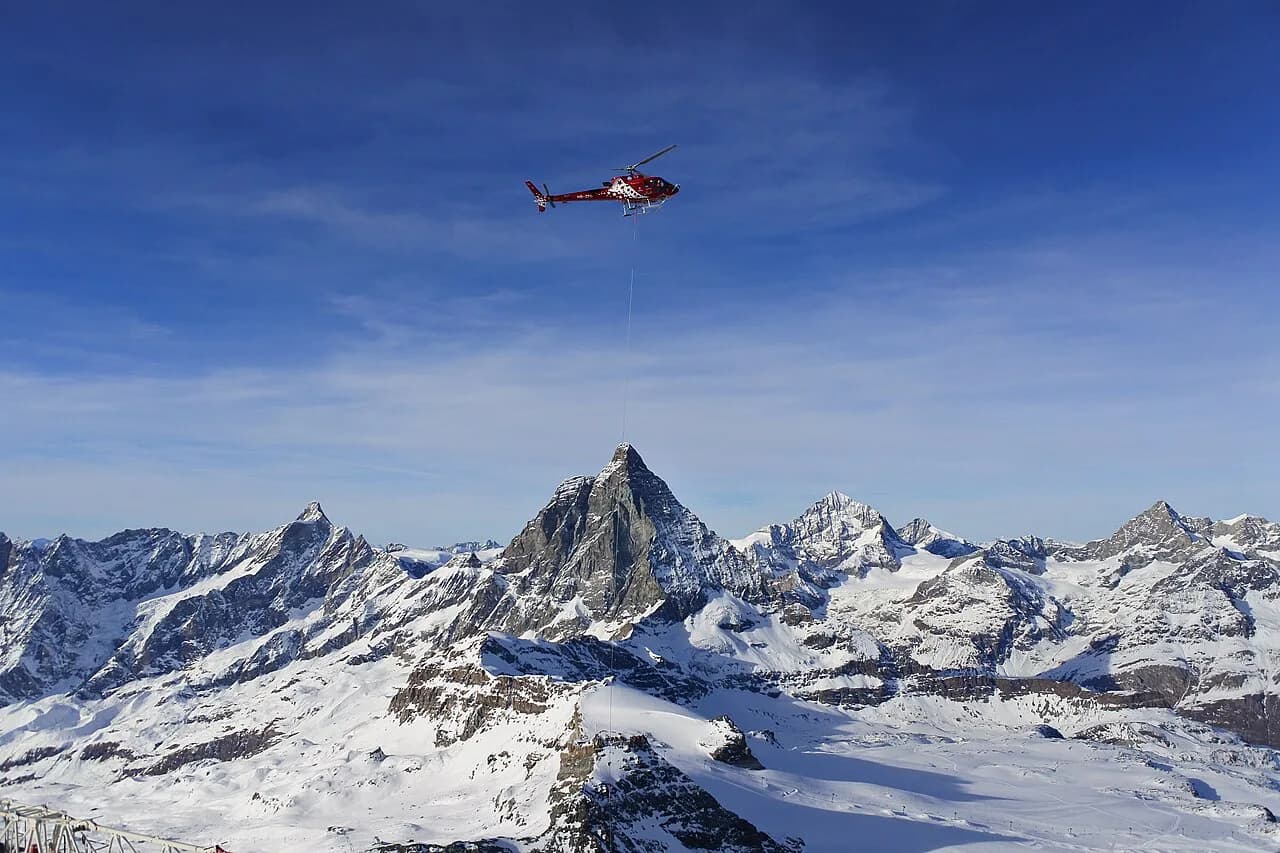
Zermatt's lift system does the climbing for you. A peak lift cable car climbs from the resort with panoramic views of the surrounding mountains, and the trip from resort to glacier slope takes about an hour, which leaves time for photos along the way.
Three gondolas also leave from Zermatt and serve different points on the mountain, so you can pick a high station and walk a short loop around it instead of committing to a long descent. Check lift operating times and closing dates for your dates before you build a day around one.
If your dates sit earlier in the shoulder season, compare how access and snow differ in Zermatt in May, when the high ground is still firmly in winter mode.
Snow at altitude in June
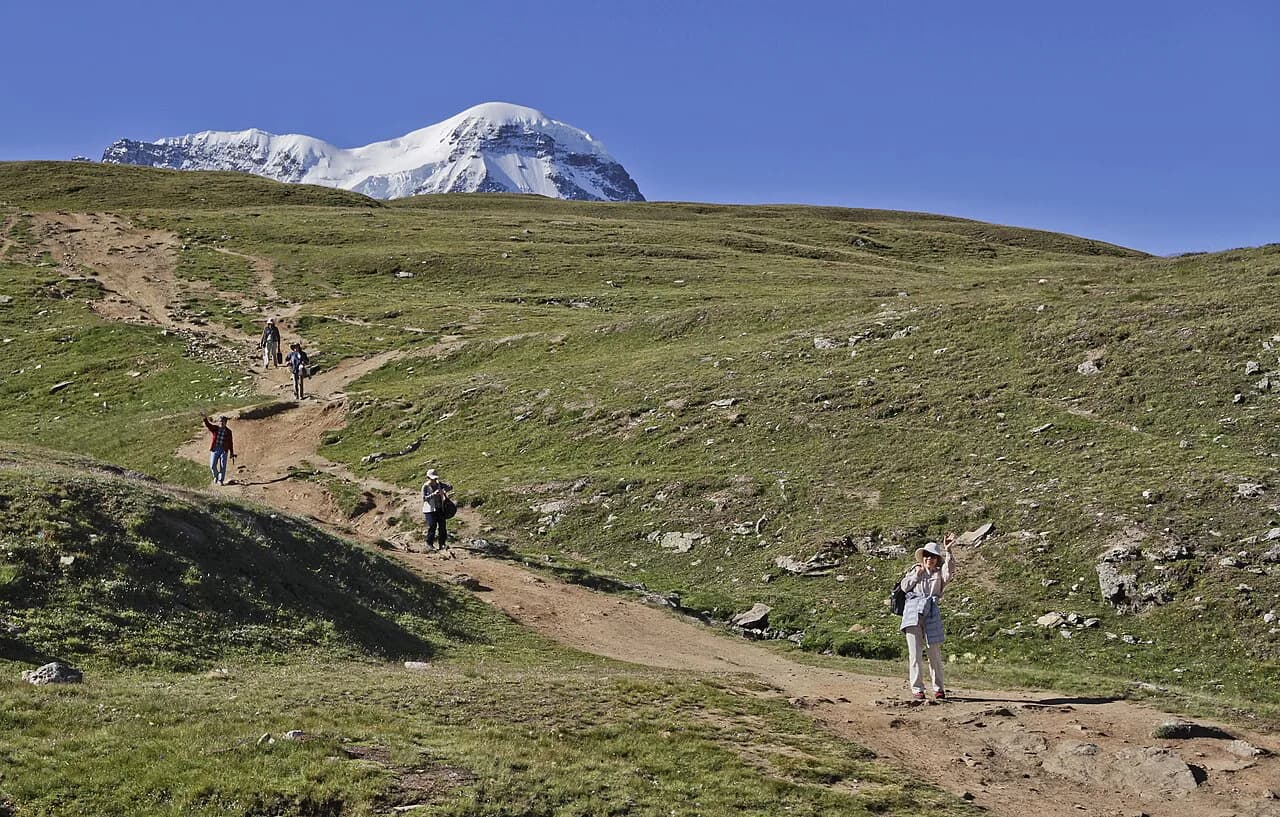
The trail network around Zermatt runs to roughly 400 km, but in June the altitude matters more than the distance. Upper trails can still hold snow, and hikers regularly ask whether trails will be clear in the second week of June; the honest answer is that it depends on the year and the elevation.
Build low valley walks into the plan as the reliable option and treat any high route as a bonus you confirm locally. That way a snowy upper path does not wreck the day.
For a clearer picture of how the season progresses, the Zermatt in April guide shows the snow line a couple of months earlier, which makes June's retreat easier to judge.
The glacier ski area in June
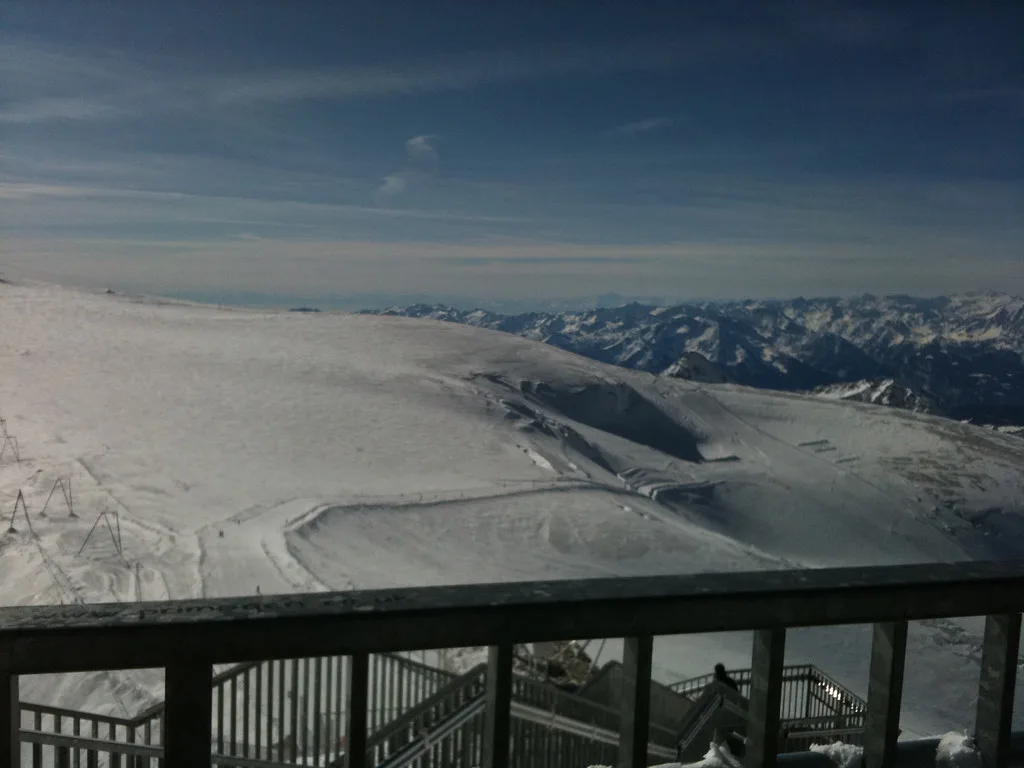
Zermatt's summer ski area on the Theodul Glacier is the highest and largest in the world, peaking at 3,883 m with around 21 km of blue, red and black slopes served by T-bar lifts. It runs in the first half of the day only, because the snow turns slushy as it warms; the first lift goes up at 7 am and the last lift down is usually around 2 pm.
The area is described as open daily between May and November, but high winds and bad weather often close the lifts, and a week-long stay should expect one or two closed days. Plan skiing for your first clear morning rather than your last.
Exploring the old village on foot
The village rewards slow walking. Cobblestone roads, flower boxes on every café and chalets that have stood for centuries sit a few steps from the main shopping streets, and the small paths behind them are noticeably quiet.
Give the old lanes an hour or two rather than rushing them between lifts. This is also the easiest part of a June trip to reshuffle if the cloud comes down on the mountain.
Walkers who want more variety in the valley can plan around the Zmutt valley, covered in the Zermatt in October guide for its autumn conditions.
Rain and cloud days
When the Matterhorn disappears into cloud, swap the order of your days rather than cancelling plans. Keep one flexible half-day held back so a clear morning can be used for the high viewpoint and a grey one for the village.
June cloud often sits high while the valley stays dry, so a low walk is a reasonable fallback. Later in the season the calculus shifts; the Zermatt in July guide shows how summer warmth changes what is open.
If your June dates slip into high summer, the Zermatt in Summer guide covers the full warm-weather picture, including the Matterhorn Glacier Paradise.
What June costs in Zermatt
Switzerland is expensive, and Zermatt's mountain lifts are the main variable cost of a June trip. Ticket prices for the cable cars, the glacier ski area and the mountain railways are published by the operating companies and change by season, so check the current fares and any multi-day lift passes before you commit to a plan.
For context on how the village itself looks and feels out of season, the Zermatt in September guide is a useful comparison point when you weigh June against a quieter month.
A sample two-day June plan
Day one: arrive, drop bags and walk the old village in the afternoon, saving the Matterhorn views for the evening light. Day two: take the first available lift up in the morning for a high viewpoint and a short walk, then return to the village for the afternoon; hold the following morning as a spare half-day for weather.
If you have a third day, use it for the glacier ski area on a clear morning or for a valley walk if the upper lifts are closed. The plan is deliberately front-loaded so the best weather window is used first.
June packing
Pack for two climates: a 10°C night in the village and a 20°C afternoon, plus sub-zero mornings on the glacier. Layers, a light waterproof and good sunglasses cover most of it, and sunscreen is essential on the high ground.
Who June suits and who should wait
June suits walkers who are happy to stay low, photographers chasing long light on the Matterhorn, and anyone who wants the village before peak season. If you are weighing a city base against an alpine one for the same early-summer window, switzerland in june sets out which cities work best. It is less certain for hikers set on high trails, where snow can still block the way.
If high alpine walking is the point of the trip, later months are the safer bet. The Zermatt in August guide shows the season at its fullest.
Plan Your Visit
June gives you Zermatt's village at its most comfortable and its high ground still in transition. Book the trip around two full days and one flexible half-day, keep the Matterhorn as the anchor of each day, and let the weather decide whether you go up or stay low.
For a wider view of the year and how June compares, start with the best time to visit Zermatt before you lock in dates.
Explore more Zermatt guides
Frequently Asked Questions
What is the weather like in Zermatt in June?
In town, June days typically average around 20°C and nights near 10°C, with plenty of sun and clear skies. On the glacier it can be below freezing in the morning and slushy by lunchtime, so layers are essential.
Is there snow in Zermatt in June?
Yes, at altitude. Upper hiking trails can still hold snow in early and mid-June, while lower valley walks are usually the safer choice. Check trail conditions locally before setting out on a high route.
How many days do you need in Zermatt in June?
Two full days cover the village and one high viewpoint comfortably. Add a third day as a weather buffer, since June cloud and wind can close the upper lifts.
Can you ski in Zermatt in June?
Yes, on the Theodul Glacier, which offers around 21 km of slopes. The area operates in the morning only, with the first lift at 7 am and the last down usually around 2 pm, and high winds can close it.
How do you get to Zermatt without a car?
Fly into Geneva or Zürich and continue by rail; the train takes about 3.5 hours. Zermatt itself is car-free, and drivers park in Täsch about 5 km away before taking the train or an electric taxi.
Sources
Notes for your Swiss city break
Optional updates to our Swiss city guides.
You might also like
Continue reading
More guides you'll find useful