2 Days in Zermatt: A Day-by-Day Plan for a Short Visit
Plan two days in Zermatt with a day-by-day itinerary: Gornergrat, the Matterhorn viewpoint, a gondola or funicular trip, and how to arrive car-free.
On this page
Two days in Zermatt is enough for the Gornergrat railway, the steep walk to the Matterhorn viewpoint and one high-mountain excursion, with the Old Town in between. The town is car-free, compact and walkable, so the planning work goes into choosing which mountains you ride up rather than how you move around once you arrive.
This plan puts the cogwheel railway and the viewpoint on day one and saves the long gondola or funicular trip for day two, when you are fresher and the weather picture is clearer. Fares appear in Swiss francs where they are documented, and the rest of the budget depends on which lifts you choose.
How Zermatt Is Laid Out
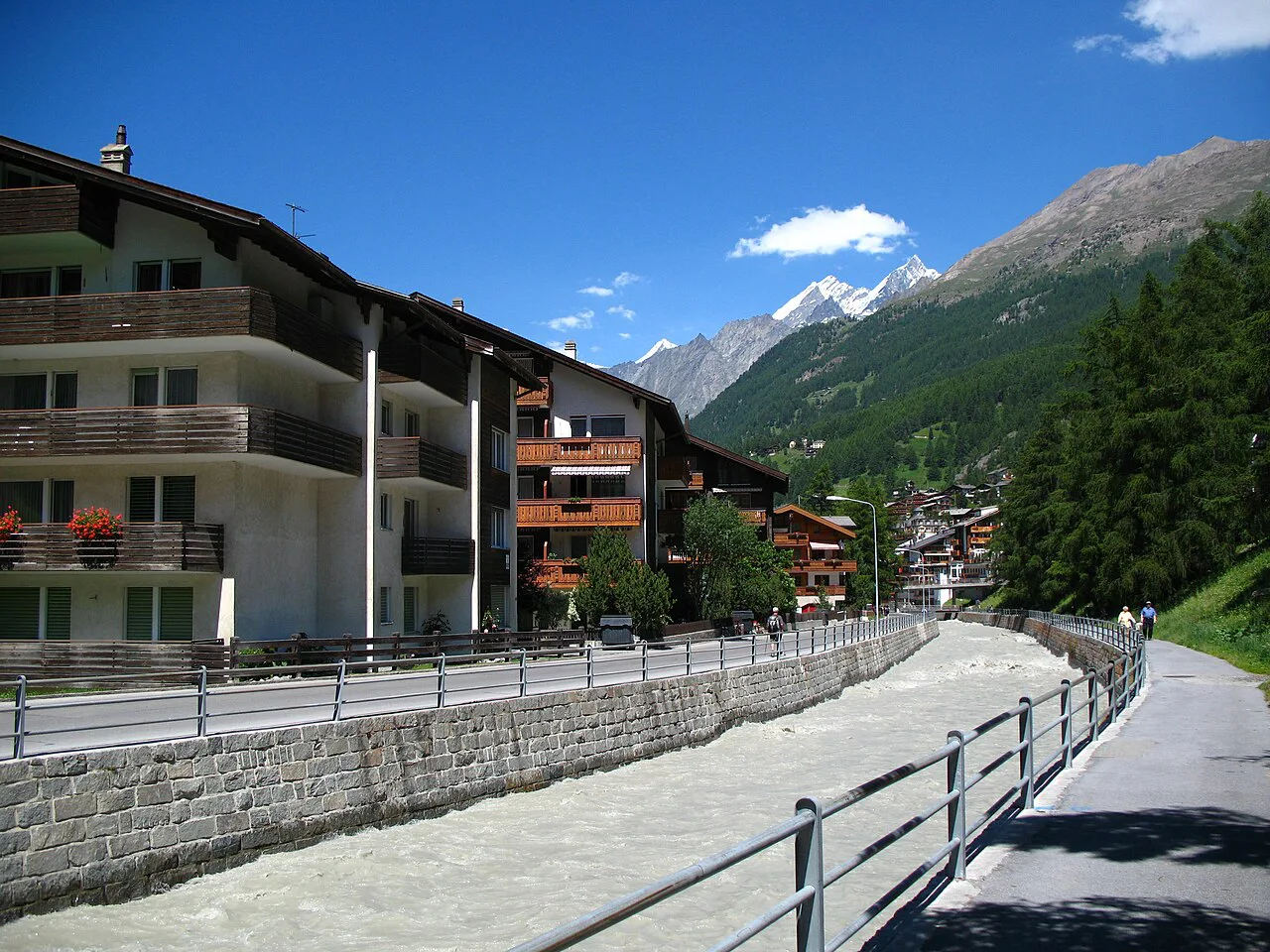
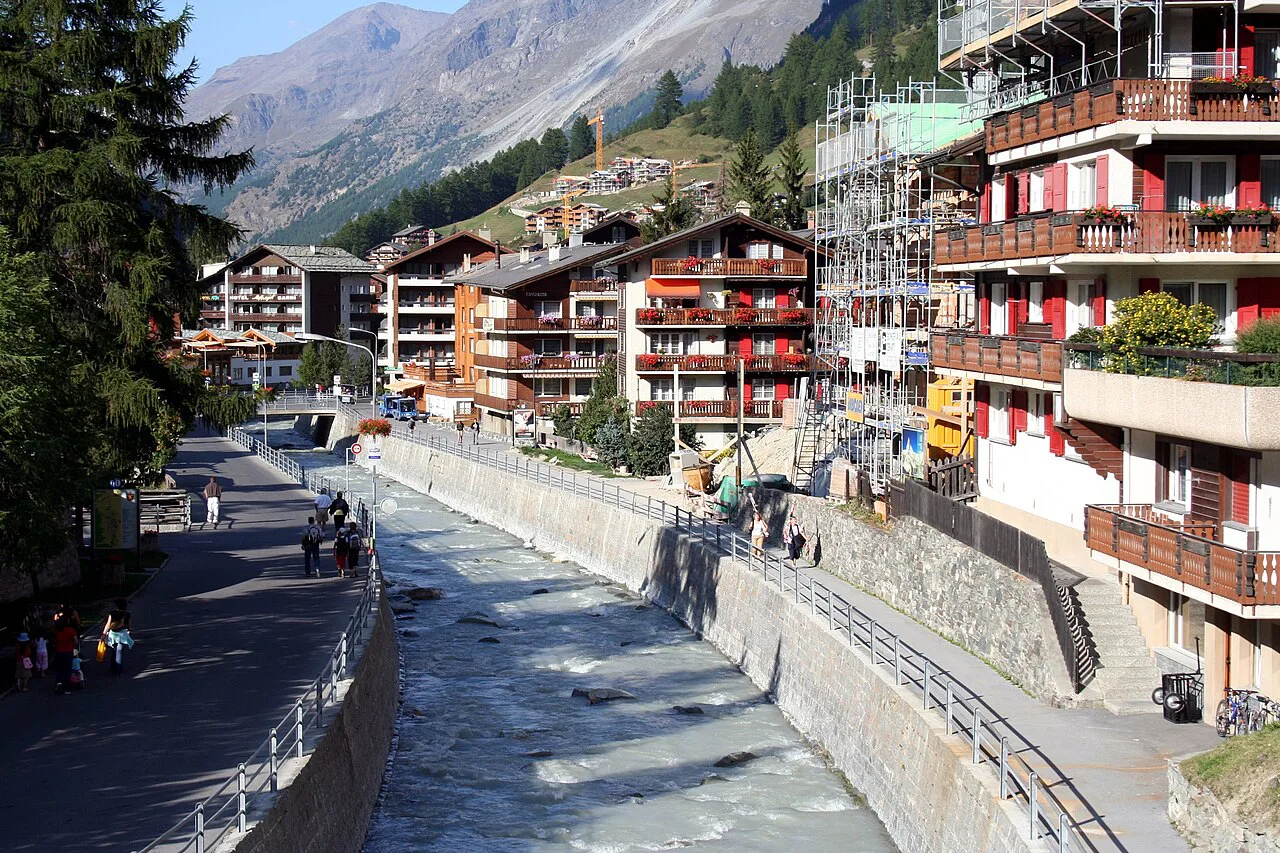
Zermatt sits in a valley with the station at its center, the river running through town and the Old Town lanes climbing away from the main street. You can walk from the station to most of the village in a few minutes, which makes a two-day stay easy to organize on foot.
The Matterhorn viewpoint is the one genuinely strenuous walk in the village itself. It sits up a steep hill reached by a stairway path from the streets, not a mountain trail, and the climb leaves you out of breath even though it takes little time. Go up through the town's streets rather than along ski paths, and carry water.
Because the village is compact, the layout question for a short break is vertical rather than horizontal: which lifts you take and in what order. Grouping the village-level sights on one day and the high mountains on the other keeps you from spending both days in cable cars.
Where Two Days Go: The Split
Day one belongs to the Gornergrat cogwheel railway and the village: ride up in the morning for Matterhorn views, come down for the viewpoint climb and an Old Town walk, then eat in town and turn in early. Day two goes to one high-mountain trip, either the Matterhorn Glacier Paradise gondolas or the Sunnegga funicular, leaving the afternoon for whatever fits before your train.
The order matters because both mountain trips depend on clear skies, and the second day gives you a chance to swap if the first morning is cloudy. Keeping one flexible slot also means you are not locked into a costly lift ticket on a day when the peaks are hidden.
If you are still deciding whether the trip is worth the outlay, the honest answer is that the mountains, not the village shops, carry the visit. Travelers weighing the cost against the experience tend to land on the same conclusion once they have ridden up at least once.
Day 1 Morning: The Gornergrat Cogwheel Railway
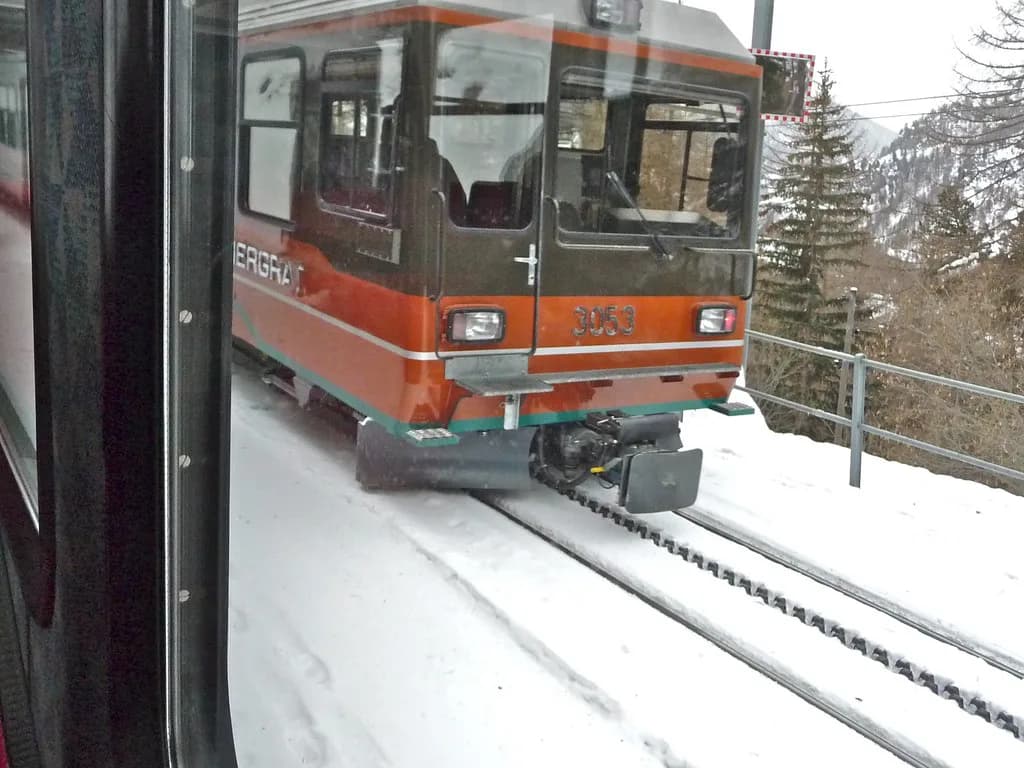
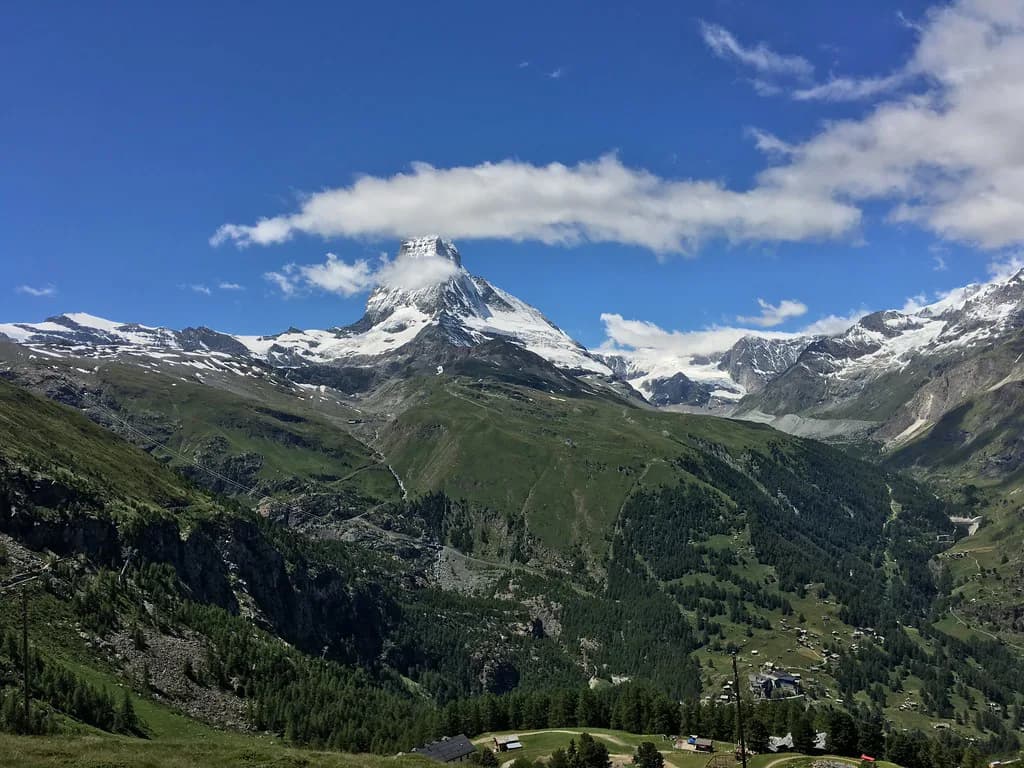
The Gornergrat railway is a cogwheel train that climbs to 3,089 meters above sea level, where the Matterhorn and the surrounding peaks open up in one sweep. It is the classic first move in Zermatt and the easiest big view to reach, since you board in the village and ride rather than hike.
Ride up in the morning, spend time at the top and walk partway down before reboarding if the weather holds. Travelers planning a June visit single out Gornergrat for the Alpine panoramas and treat Klein Matterhorn as the second big summit, which is exactly the split this two-day plan uses.
Buy your ticket at the station and check the day's conditions before committing, since the summit sits well above the village and cloud behaves differently up there. The ride itself is the attraction; there is no need to add a second paid lift on the same morning.
Day 1 Afternoon: The Matterhorn Viewpoint and the Old Town
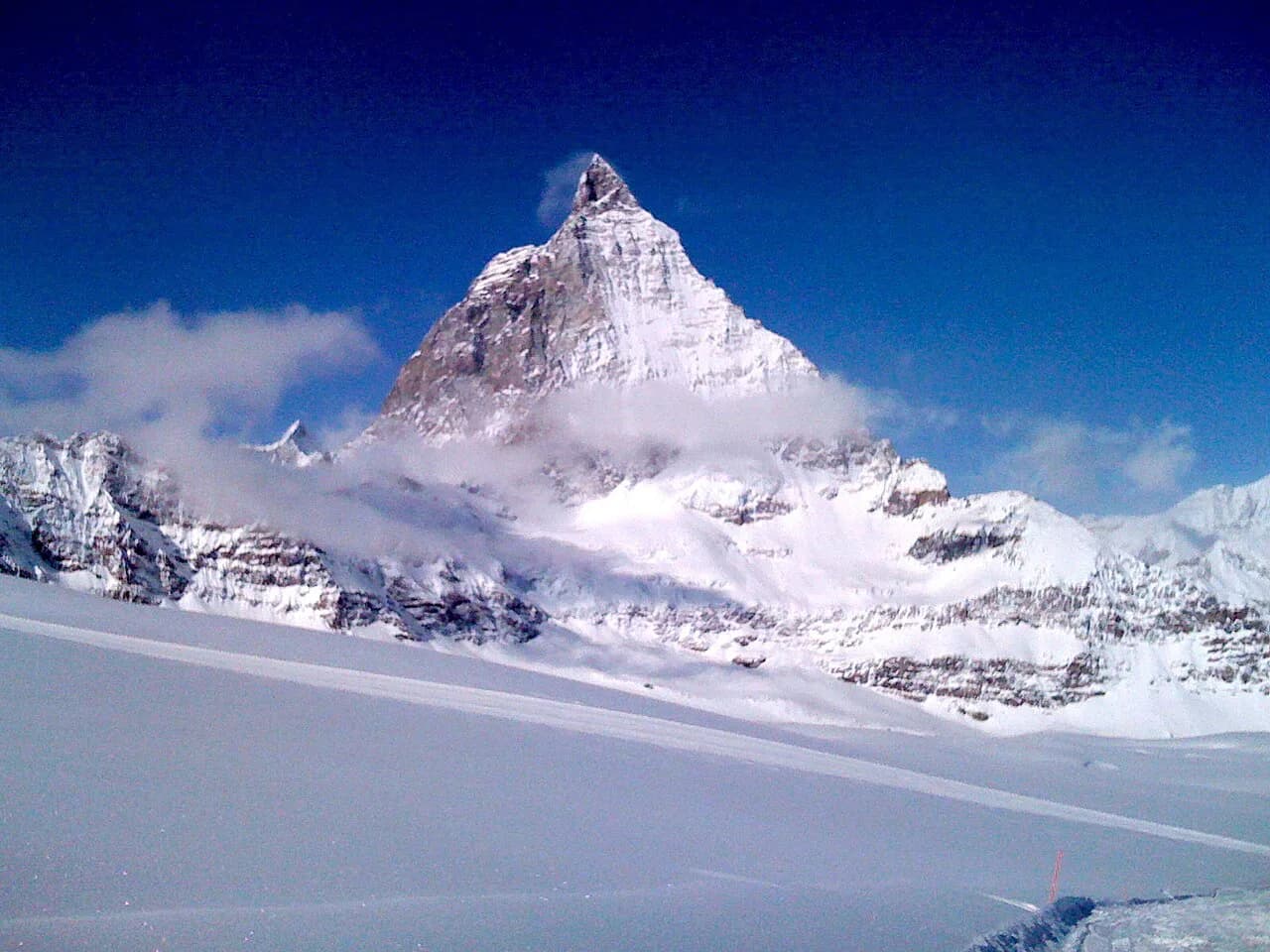
Come down from Gornergrat, eat, then walk the stairway path up to the Matterhorn viewpoint. It is short but steep, and the reward is the postcard framing of the peak above the village roofs.
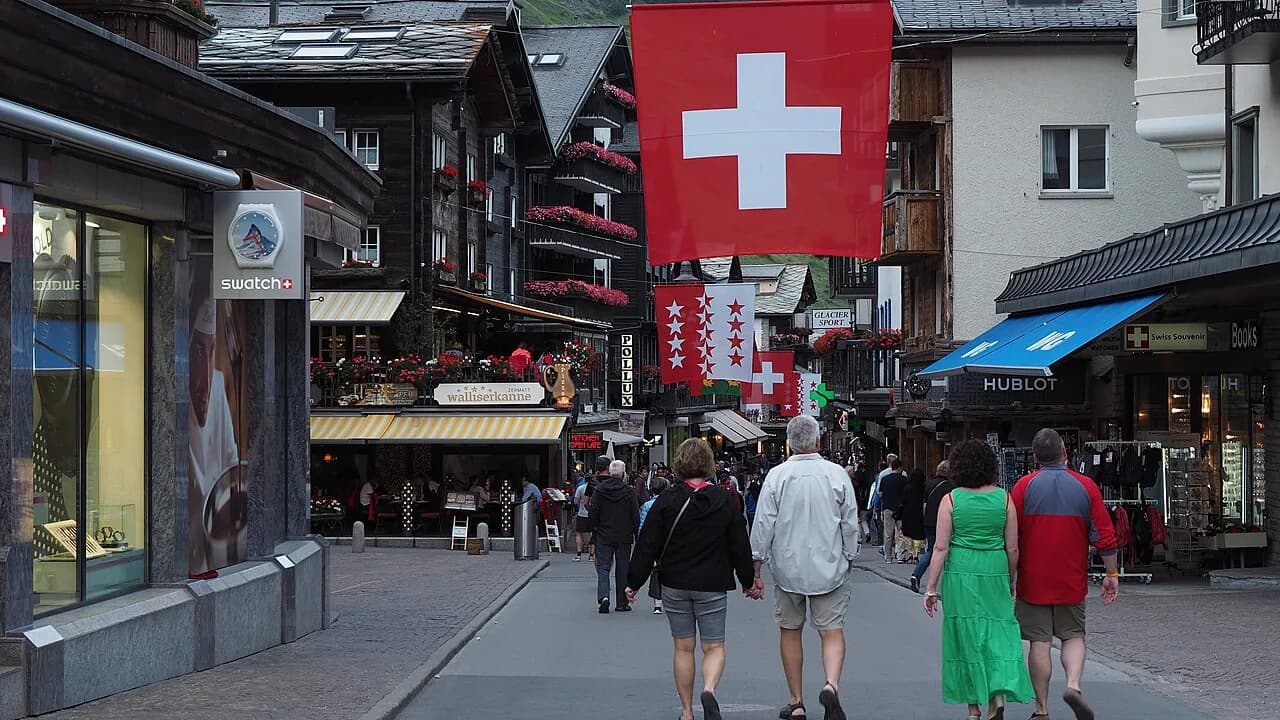
Later, wander the Old Town, which is small but rewarding, with lanes of old wooden buildings and a mix of shops from the affordable to the aspirational. It fills an hour or two without costing anything.
If the weather turns, the Matterhorn Museum – Zermatlantis is the indoor fallback in the village center. It suits a wet afternoon better than a forced climb, and it keeps the day productive without a lift ticket.
Day 1 Evening: Dinner and an Early Night
Zermatt's evening scene leans toward hearty mountain food, and a fondue dinner is the obvious choice after a day outdoors. Book ahead in peak season, since popular tables fill quickly and you do not want to spend your one free evening hunting for a seat.
Keep the night short. Day two starts with a long lift ride, and being at the gondola or funicular early gives you the clearest window before afternoon cloud builds.
Day 2 Morning: Matterhorn Glacier Paradise by Gondola
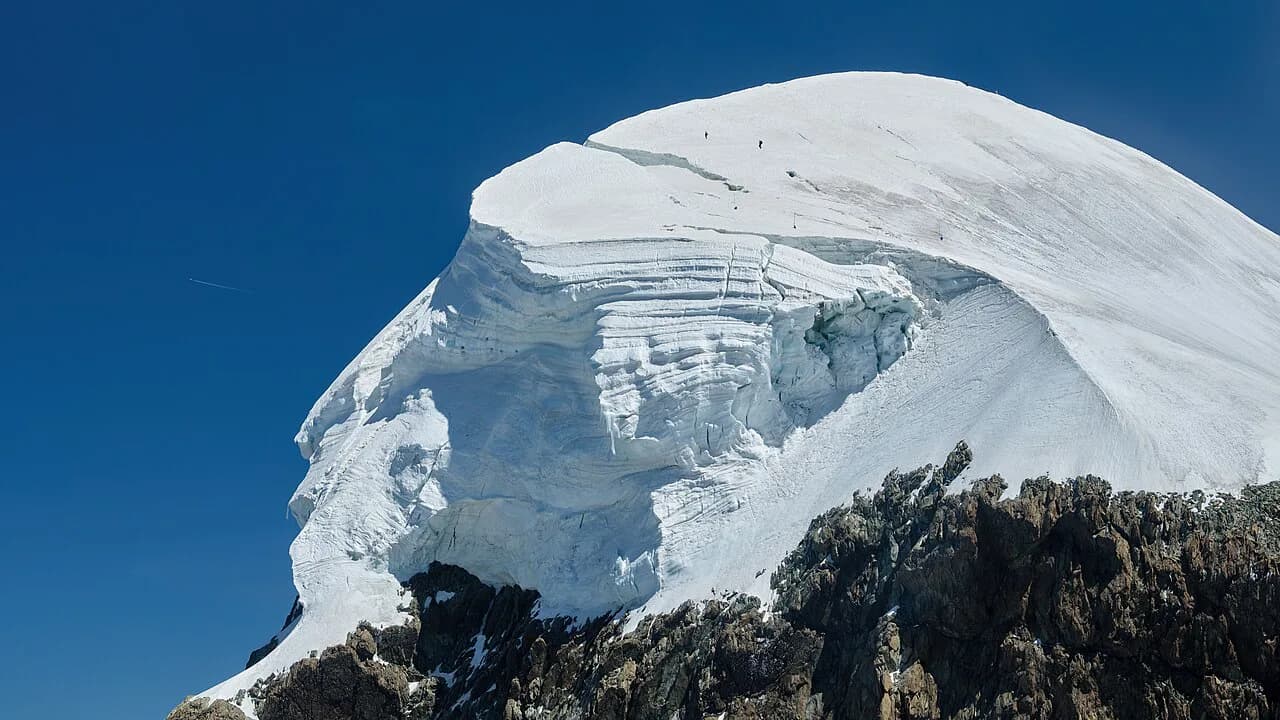
The Matterhorn Glacier Paradise route is a chain of gondolas that carries you to the top of the mountains, and it runs for visitors as well as skiers and snowboarders. The ride is long and the height is real, so people nervous about exposure should know that going in; the cabins feel secure once you are aboard.
This is the full-commitment option: several gondola stages each way and a summit that sits far above the village. On a two-day trip it consumes most of a morning and part of the afternoon, which is why it gets its own day rather than sharing one with Gornergrat.
Check the summit conditions and the lift status before you buy, then decide at the ticket office whether the day justifies the fare. For a closer look at how the summit fits a longer stay, the Klein Matterhorn section of the full plan sets it against the other lifts.
Day 2 Alternative: The Sunnegga Funicular to Paradise
If a full gondola morning feels like too much, the Zermatt–Sunnegga funicular is the efficient alternative: an underground ride that lifts you 2,290 feet in under four minutes. Tickets are bought at the office in front of the funicular on the day.
At the top you can eat at the restaurant, pick up a trail or walk about ten minutes down to Paradise, a restaurant built into the mountainside. Fondue there is the reason many people make the trip, and tables are worth reserving well ahead.
The trade-off is straightforward: Sunnegga costs a fraction of the gondola circuit and takes minutes rather than hours, but the view is lower and you do not reach the glacier heights. Travelers who want one big summit go for Glacier Paradise; those who want a short, scenic morning with lunch take the funicular.
Day 2 Afternoon: What Fits Before the Train Out
Leave the last afternoon loose. A short Old Town loop, a shop crawl along the main street or a coffee by the river all fit between coming down from the mountain and boarding your train.
If you are packing the trip tightly, this is also the slot for the village sights you skipped on day one. Travelers compressing the visit into a single day typically skip the second mountain entirely to make room for them.
Arriving and Leaving: The Täsch Car Park and the Short Train
Zermatt is a no-car zone, so you reach it by train. Drivers park at Täsch and ride the twelve-minute train into the village; the return fare is CHF 17.20, and trains run about every twenty minutes.
At the station, hotel shuttle taxis wait in a marked area with each vehicle labeled by hotel name, so the transfer is quick. If you come on the Glacier Express, the train terminates in Zermatt after the run from St. Moritz.
Costs and Passes for a Two-Day Mountain Plan
Two days of Swiss mountain lifts add up fast, and the Sunnegga funicular is quoted at roughly £18 per person for a return ticket. Add a Gornergrat ride and a possible gondola circuit, and the lift budget becomes the largest line item in the trip.
Passes are where a two-day plan can save money. Travelers who know the area recommend the Half Fare card over the Peak to Peak pass for a short stay, arguing the combination pass is expensive and hard to get full value from in a couple of days.
Confirm current prices and pass terms before you buy, since fares change and lift bundles vary by season. A full cost breakdown in Swiss francs, including how to trim the lift bill, is the place to start.
Sunday and Monday in Zermatt: What to Check
Mountain railways and lifts are the core of a Zermatt weekend, and their operating schedules vary by season. Check the day's status for the Gornergrat railway and the Glacier Paradise gondolas before locking the itinerary.
The village itself is small enough that Sunday trading has limited impact on your plans, since the mountains do the heavy lifting. Build the day around the lifts and treat shops as filler.
Two Days Versus Three
A third day buys you either the second big summit or a slower pace: both the Gornergrat railway and the Glacier Paradise gondolas without rushing between them. Two days forces a choice.
If you are comparing alpine towns, Zermatt's draw is the Matterhorn and the density of lifts from one village; other bases trade that for gentler valley scenery. A weekend in Grindelwald shows the alternative, swapping the Matterhorn for the Eiger and First.
What to Skip With Two Days
Skip anything that duplicates a view you are already paying for. If you have ridden to Glacier Paradise, the Matterhorn viewpoint's appeal drops, and if you have taken the Sunnegga funicular, the extra gondola stages are optional.
Skip long shopping afternoons in the Old Town; it rewards a quick walk, not a half day, when the mountains are the reason you came.
Making Two Days in Zermatt Work
Two days in Zermatt comes down to one big mountain morning and one village day. Book the Gornergrat railway and the viewpoint on day one, hold the second morning for the Glacier Paradise gondolas or the Sunnegga funicular, and leave the last afternoon for the Old Town.
Travelers planning a short break can use the one-day plan for a tighter schedule or check how many days a fuller visit needs.
Explore more Zermatt guides
Frequently Asked Questions
Is 2 days in Zermatt enough?
Two days covers the Gornergrat railway, the Matterhorn viewpoint and one high-mountain trip. Adding a third day lets you do both the Gornergrat railway and the Glacier Paradise gondolas without rushing.
Do you need a car to get to Zermatt?
No. Zermatt is car-free, and drivers park at Täsch and take the short train into the village. The return fare is CHF 17.20.
Is Gornergrat or Matterhorn Glacier Paradise better?
Gornergrat reaches 3,089 meters by cogwheel train and is the easier half-day. Matterhorn Glacier Paradise is a longer gondola circuit to the top, so it takes most of a day and works better as a separate morning.
Is the Sunnegga funicular worth it?
The funicular lifts you 2,290 feet in under four minutes, making it the efficient alternative to the long gondola circuit. It is the better pick when you want a short morning and a mountain lunch.
Is the Half Fare card worth it for two days in Zermatt?
Travelers who know the area recommend the Half Fare card over the Peak to Peak pass for a short stay, since the combination pass is hard to get full value from in a couple of days. Check current terms before buying.
Sources
Notes for your Swiss city break
Optional updates to our Swiss city guides.
You might also like
Continue reading
More guides you'll find useful