Zermatt on a Budget: Where to Save and Splurge
Plan Zermatt on a budget with free Matterhorn viewpoints, old-town lanes, the Sunnegga funicular fare, the Gornergrat ticket price and cheap places to eat.
On this page
Zermatt can be done cheaply if you split the trip into free and paid halves. The best Matterhorn view above town costs nothing, the old lanes of the village are free to walk, and you pay mainly for mountain railways, cable cars and meals. The savings come from choosing one big mountain trip rather than three, and from eating at the low-cost end of a restaurant scene that runs mostly upscale.
This guide gives the fares that are published in Swiss francs, the free sights worth building a day around, and the specific places where a meal or a snack costs less. It also covers getting to Zermatt by train and how the money adds up over two or three days.
What Zermatt costs and what is free
The town's price level sits high because most of its roughly one hundred restaurants lean upscale and the shopping is boutique-heavy, so budget planning is mostly about where you choose to spend. A day can cost almost nothing beyond food and lodging: the viewpoint, the historic lanes and the village itself are free to explore on foot.
The real budget line is mountain transport. Every lift, funicular and railway up is a paid ticket, and the fares below are the ones worth knowing before you decide how many summits to buy. If you are weighing whether the trip justifies the outlay at all, our honest answer on whether Zermatt is worth visiting for the money is the place to start.
Zermatt's layout helps: the Gornergrat Bahn station sits directly opposite the main station, so the paid mountain trips start from the middle of town rather than from a remote car park. Walking the village between them costs nothing.
Free first: the Matterhorn viewpoint above town and the walk up Murini
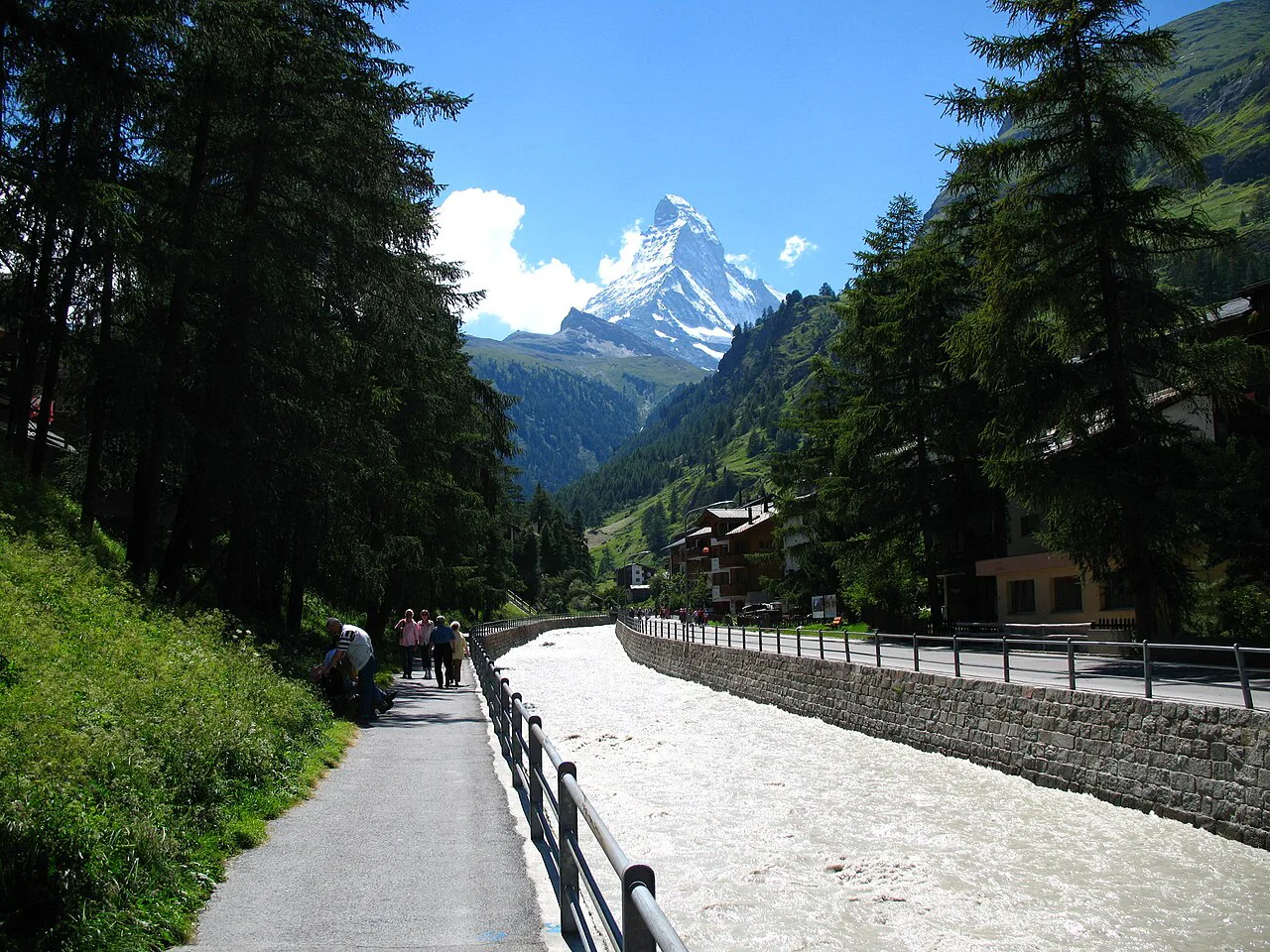
The cheapest good view of the Matterhorn is a ten to fifteen minute walk from the village center. Head through town along Wiestistrasse, turn right onto Murini, and follow the paved walkway with steps past wooden houses and chalets until it meets the Gourmetweg footpath. The viewpoint there takes in the Matterhorn, the town and the whole valley.
Go early or accept company at sunset. The small turning area at the top fills up in the evening, and walking a short way along the Gourmetweg footpath gives you more angles on the peak without paying for a lift. This is the obvious anchor for a near-zero-cost day in Zermatt.
Hinterdorfstrasse and Bahnhofstrasse: the old wooden houses and the shopping street
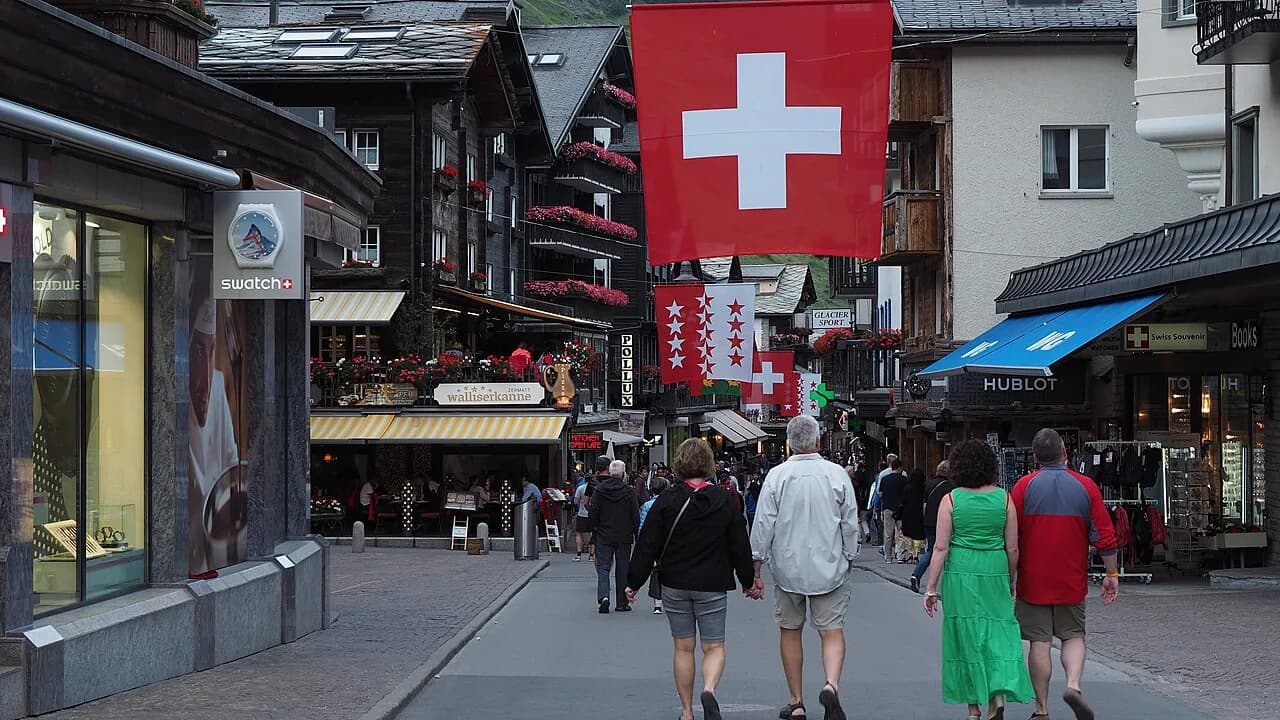
Hinterdorfstrasse is the oldest street in Zermatt, lined with historic wooden houses and barns that give the village its character, and it costs nothing to walk. Bahnhofstrasse is the shopping street, dense with shops and places to eat, and at its end a clear day frames the Matterhorn rising above the wooden chalet roofs.
Treat the shopping street as browsing rather than a budget item. The brands are international and the outdoor shops are well stocked, but a walk that ends at the Matterhorn view at the end of Bahnhofstrasse costs you only time. Pair the two streets in one loop and you have a free half day.
Mountain railways and cable cars: Gornergrat return fare and Sunnegga funicular prices
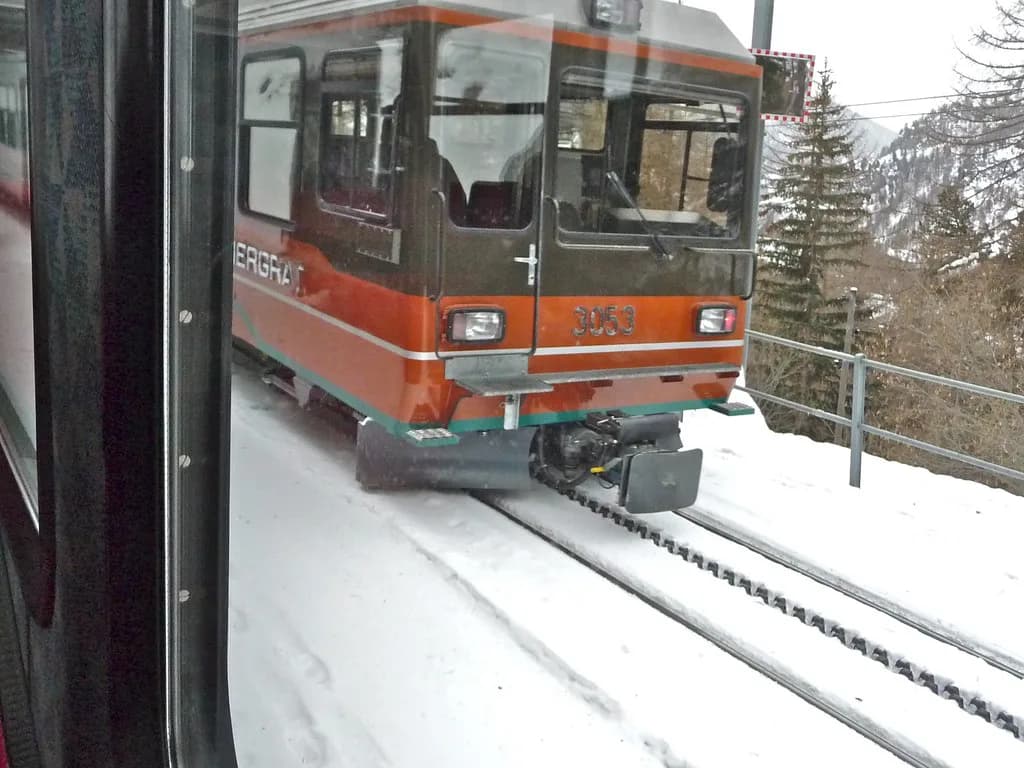
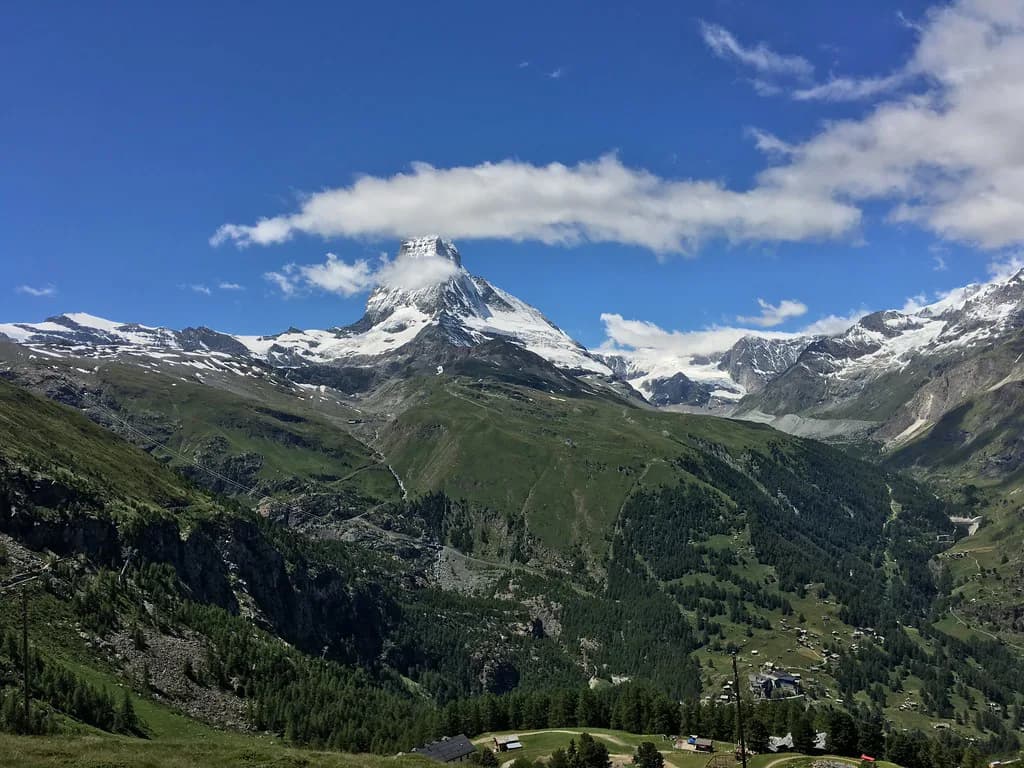
The Gornergrat Railway climbs to 3,100 metres, the second highest railway in Europe, and the ride itself delivers the Matterhorn views. A return ticket costs 132 CHF, and the train runs all year, with a cafe and restaurant at the top and a 360-degree lookout a short walk away.
The Sunnegga funicular is the cheaper mountain outing: 19 CHF one way and 28 CHF return. From the top, a short walking trail leads down to the Paradise restaurant at 2,230 metres, where the outdoor deck faces the Matterhorn. You share part of that trail with skiers, so keep to the side.
On a short trip, pick one of these two rather than both. Gornergrat buys you the higher, longer railway experience; Sunnegga buys the deck lunch with a view for a fraction of the fare. Our 2 days in zermatt plan shows how either fits around a village day.
Matterhorn Glacier Paradise and the Alpine crossing to Cervinia: what you pay for
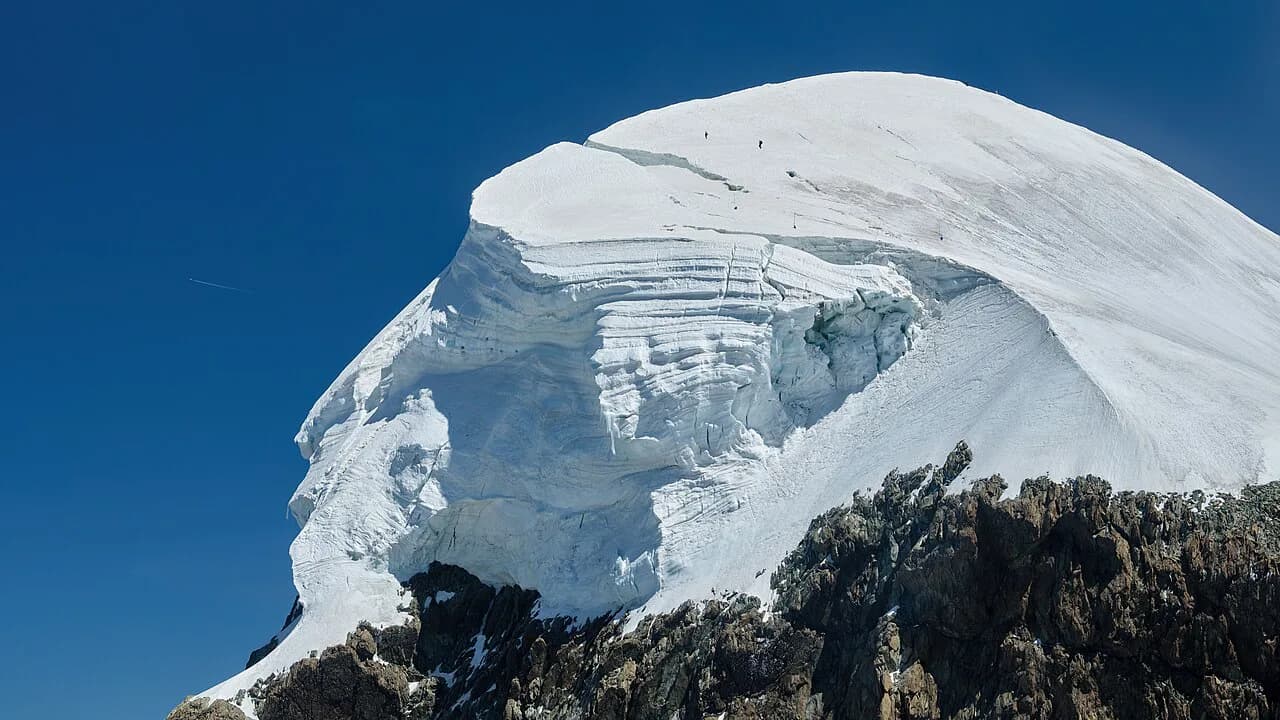
Matterhorn Glacier Paradise is the highest mountain station in Europe at 3,883 metres, reached by gondola, with a viewing platform, an ice palace inside the glacier and 360-degree views over glaciers and peaks. It only pays off on a clear day, so check the visibility before buying.
From the top station the Alpine crossing continues by cable car to Breuil-Cervinia in Italy, the highest such crossing in the world, which turns a mountain ticket into a two-country day. Budget for the crossing as a separate decision from the gondola ride, and build the day around the weather. It slots naturally into a one day in zermatt plan when conditions are right.
Splurge vs skip: helicopter flights and spa day passes
Air Zermatt sightseeing flights start from 230 CHF per person, which buys the Matterhorn from the air rather than from a platform. Several hotels sell day passes to their spas, letting non-guests use pools and saunas without booking a room.
A hotel day pass is the better value splurge when the weather closes in and the mountain views vanish, since you are paying for warmth and water rather than a vista. The helicopter is the one to skip on a short budget trip: the same money covers the Gornergrat fare and a good meal with change left toward the next day.
Eating well for less: pizza, soup, supermarkets and takeaway in Zermatt
North Wall Bar & Restaurant keeps the entry price low: a basic Margherita pizza costs 18 CHF and you choose toppings from a list on a slip of paper, with craft beer at the bar while you wait. GramPi's serves generous Italian pizza and pasta over two floors, and Grizzly's plates are famously large, which matters when you are counting francs per meal.
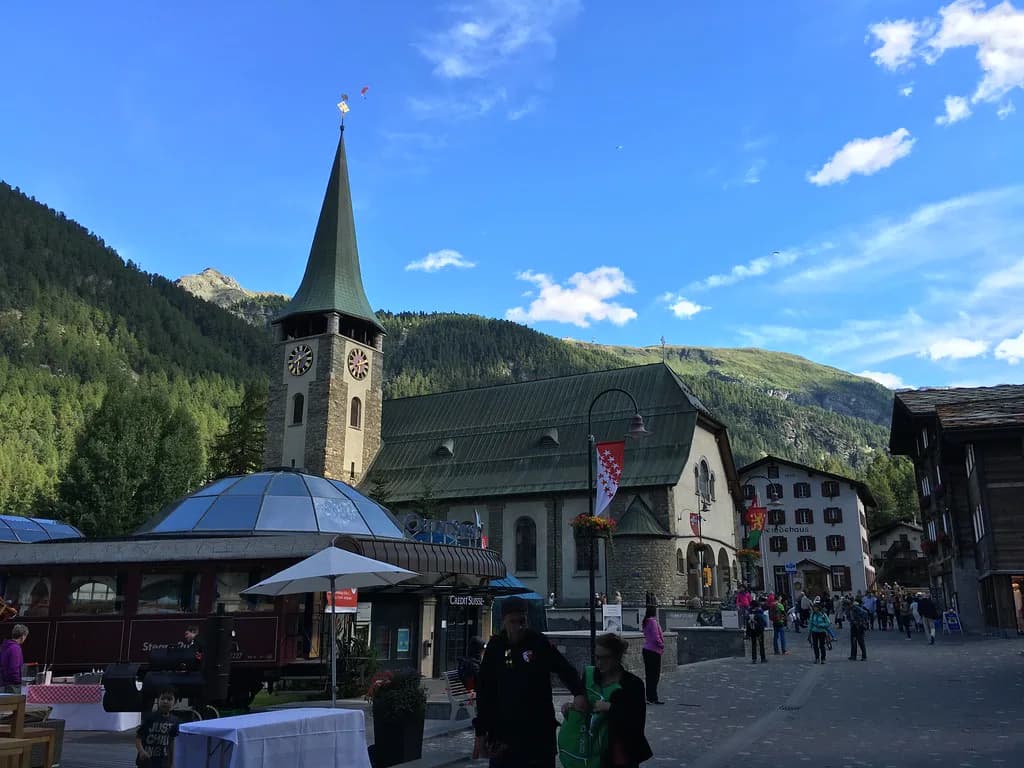
For a fast, cheap lunch, Soupi on Church Square ladles hot soup with crusty bread through the winter season. Self-catering cuts the bill further: Coop, Migros and Denner are the town's supermarkets, and meat and fish are marked down to clear in the early afternoon.
Fondue and rösti belong to the Zermatt experience, so plan one sit-down Swiss meal and keep the rest casual. Whymper Stube is known for reasonably priced fondue and Aroleid for rösti if you want that splurge to stay modest.
Getting to Zermatt: train tickets, transfer tickets and rail passes
Arriving by train is the budget default, and Swiss trains are punctual, clean and fitted with power sockets. A Swiss Transfer Ticket, bought before you travel, works out well below a standard return on the same journey, and the seller describes savings of more than 40 percent.
The Glacier Express panorama train between Zermatt and St Moritz takes about eight hours over 181 miles. The ordinary local train follows the same route for less money, without the panorama windows, so you see the same scenery on a tighter budget.
Where the money goes over two or three days
On a two-day budget trip, one mountain fare is the sensible limit: either the Gornergrat return at 132 CHF or the Sunnegga return at 28 CHF, plus free village walking and one modest restaurant meal a day. Add the North Wall Margherita at 18 CHF and supermarket breakfasts and the food line stays low.
With three days, add a second mountain day only if the forecast is clear, since a clouded summit wastes the fare. Our guide to how many days in zermatt you need sets out what each extra day buys and where the costs stack up, and the breakdown of whether Zermatt is expensive covers the per-day figures in Swiss francs.
Timing your trip to cut costs
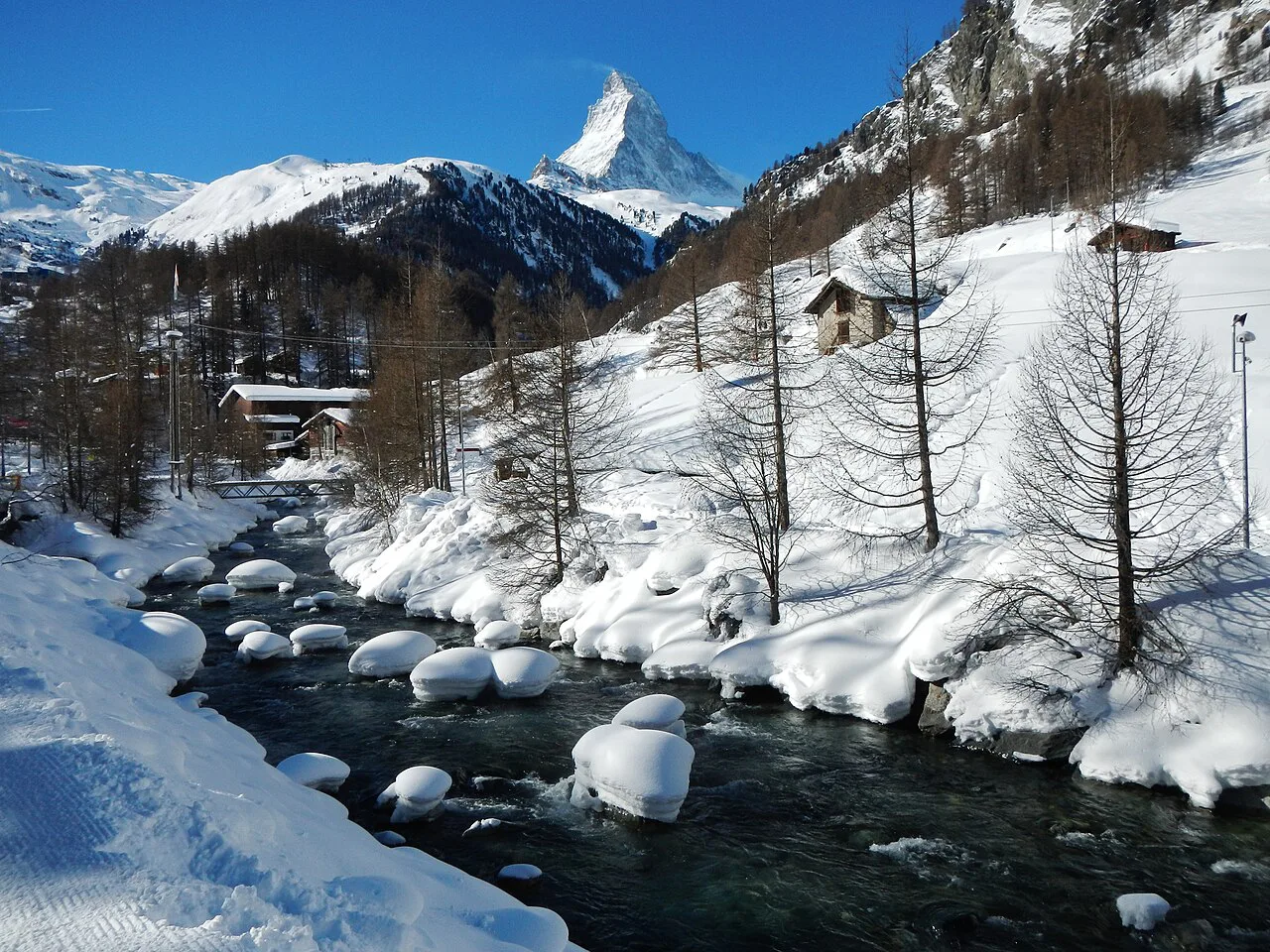
Clear days are the budget lever in Zermatt: mountain fares only earn their keep when the peaks are visible, so keep the big railway or gondola day flexible and move it to the best forecast of your stay. The viewpoint walk and the old lanes work in any weather, so schedule them for the weaker day.
Prices, timetables and seasonal offers change. If you are comparing Swiss mountain towns on cost, the same logic applies elsewhere; our Basel on a budget and Lucerne on a budget guides show how the cheaper cities compare.
Plan Your Visit
A Zermatt budget trip is built from free walks and one carefully chosen mountain fare. Start with the Murini viewpoint and Hinterdorfstrasse, then decide between Gornergrat at 132 CHF return and the Sunnegga funicular at 28 CHF return based on how much time and money you want to spend above the village.
Eat where the price is fixed and modest, use the supermarkets for breakfast, and let the weather pick your summit day. Check current fares and train times before booking.
Explore more Zermatt guides
Frequently Asked Questions
What can you do in Zermatt for free?
Walk from town up Murini to the Matterhorn viewpoint, about ten to fifteen minutes on foot, then follow the Gourmetweg footpath for more angles. Hinterdorfstrasse, with its historic wooden houses, and Bahnhofstrasse are both free to walk, and the end of Bahnhofstrasse frames the Matterhorn above the chalet roofs on a clear day.
How much is the Gornergrat train from Zermatt?
A return ticket on the Gornergrat Railway costs 132 CHF. The train climbs to 3,100 metres, the second highest railway in Europe, and runs all year, with a cafe, restaurant and a 360-degree lookout at the top.
How much does the Sunnegga funicular cost?
The Sunnegga funicular costs 19 CHF one way and 28 CHF return. From the top, a short trail leads to the Paradise restaurant at 2,230 metres, where the deck faces the Matterhorn; part of the trail is shared with skiers.
Where can you eat cheaply in Zermatt?
A basic Margherita at North Wall Bar & Restaurant costs 18 CHF with toppings chosen from a list. Soupi on Church Square serves soup with bread in winter, and Coop, Migros and Denner are the supermarkets for self-catering, with meat and fish marked down in the early afternoon.
Is Zermatt worth visiting if you don't ski?
Yes. The viewpoint walk, the old village lanes, the Gornergrat Railway, the Sunnegga funicular and the Paradise restaurant deck all work without skis, and Matterhorn Glacier Paradise adds an ice palace and a cable car crossing into Italy on a clear day.
How many days do you need in Zermatt on a budget?
Two days cover one mountain fare, the viewpoint and the village streets. Three days allow a second summit if the weather is clear, but add it only when visibility justifies the ticket.
Sources
Notes for your Swiss city break
Optional updates to our Swiss city guides.
You might also like
Continue reading
More guides you'll find useful