Zermatt vs Grindelwald: Which Town Fits Your Trip
Zermatt and Grindelwald both put you under big peaks. Compare car-free streets, viewpoints, museum prices in CHF and summer costs to choose one.
On this page
Pick Zermatt if you want a car-free village with one famous peak overhead and are willing to pay for high-altitude transport; pick Grindelwald if you want a wider valley base facing the Eiger and Wetterhorn. Zermatt's headline sights are vertical: the Rothorn railway tops out at 3,103 m and the cable car climbs to the Klein Matterhorn at 3,883 m. That means altitude and weather decide your day, not a list of town attractions. Either way, the best time to visit zermatt shapes which of those summit days are actually open to you.
The two towns suit different budgets of time and money. Zermatt's museum charges modest entry, but the mountain railways are the real expense, and it is worth checking current lift fares with Zermatt Bergbahnen AG before you commit to a summit day. Grindelwald spreads its options across a valley, so a slower day still gives you a view. The sections below handle layout, viewpoints, wet-weather plans, prices and days, so you can settle the choice quickly.
How Each Town Is Laid Out
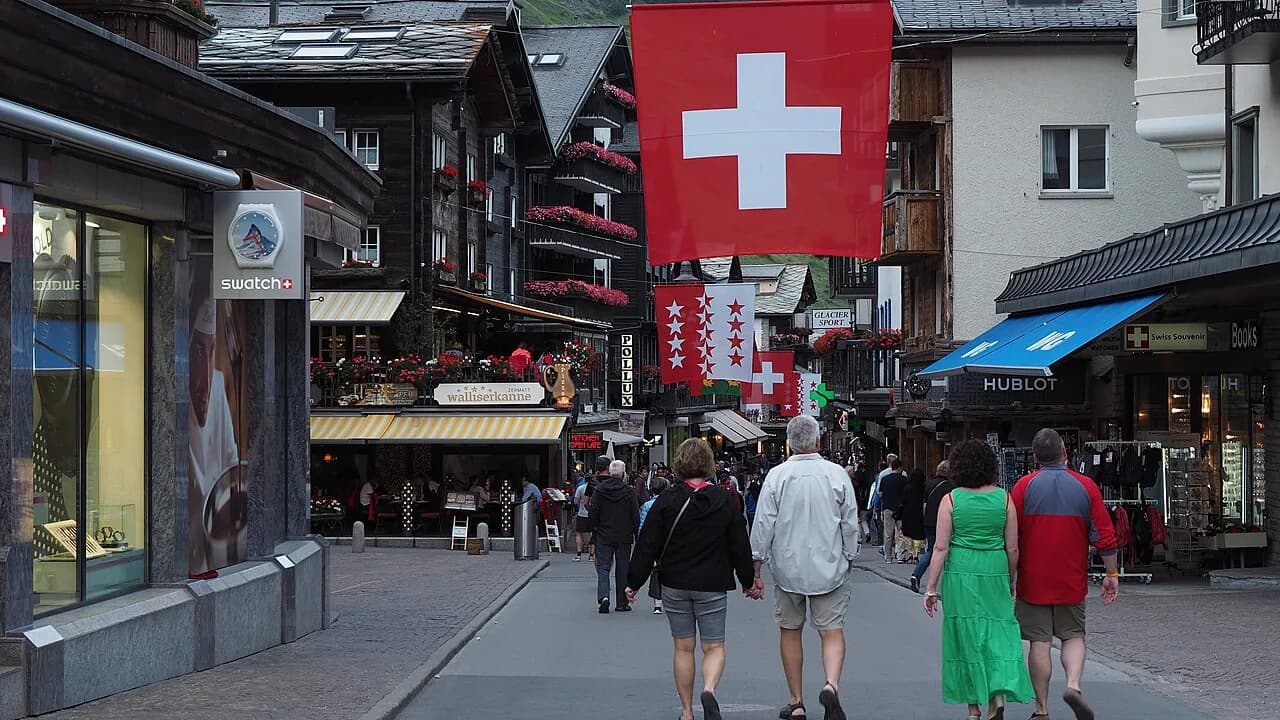
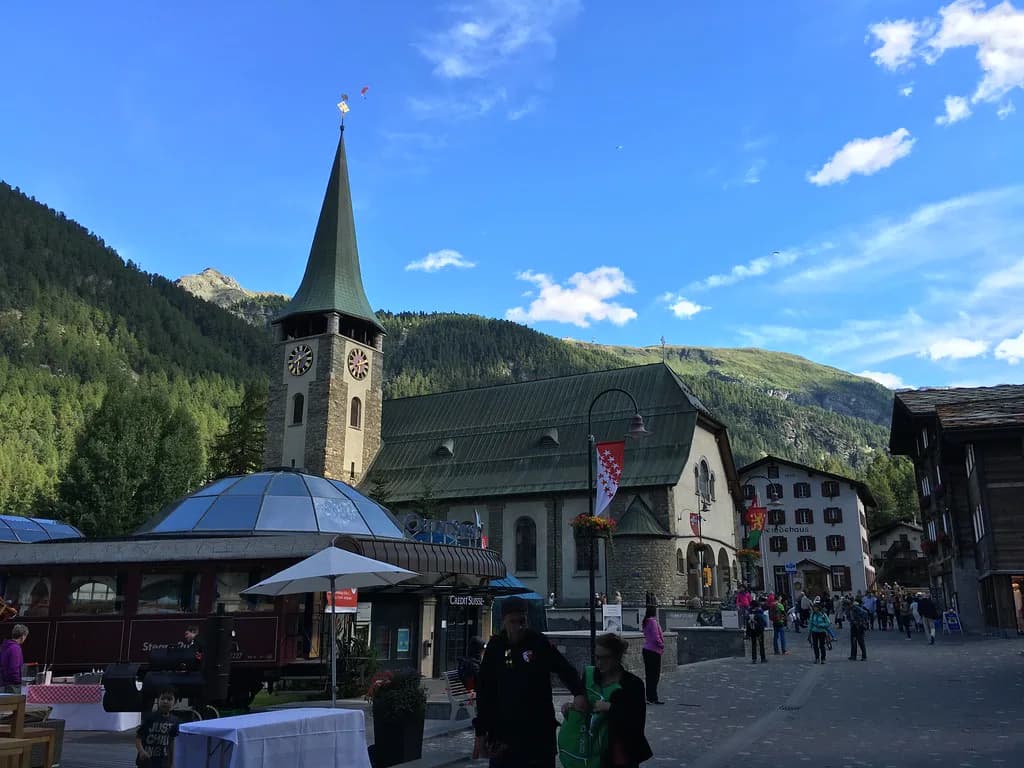
Zermatt is a compact village where you move on foot, which shapes how much you fit into an afternoon. The core is small enough that a short walk connects the shopping streets, the river and the museum at Kirchplatz, and the lifts leave from the edge of the village rather than from a separate resort zone. Grindelwald, by contrast, is a valley settlement with a main street and a station, and its viewpoints are reached by separate mountain railways. If you like wandering a walkable center between activities, Zermatt delivers that more neatly.
The Headline View: Matterhorn vs Eiger
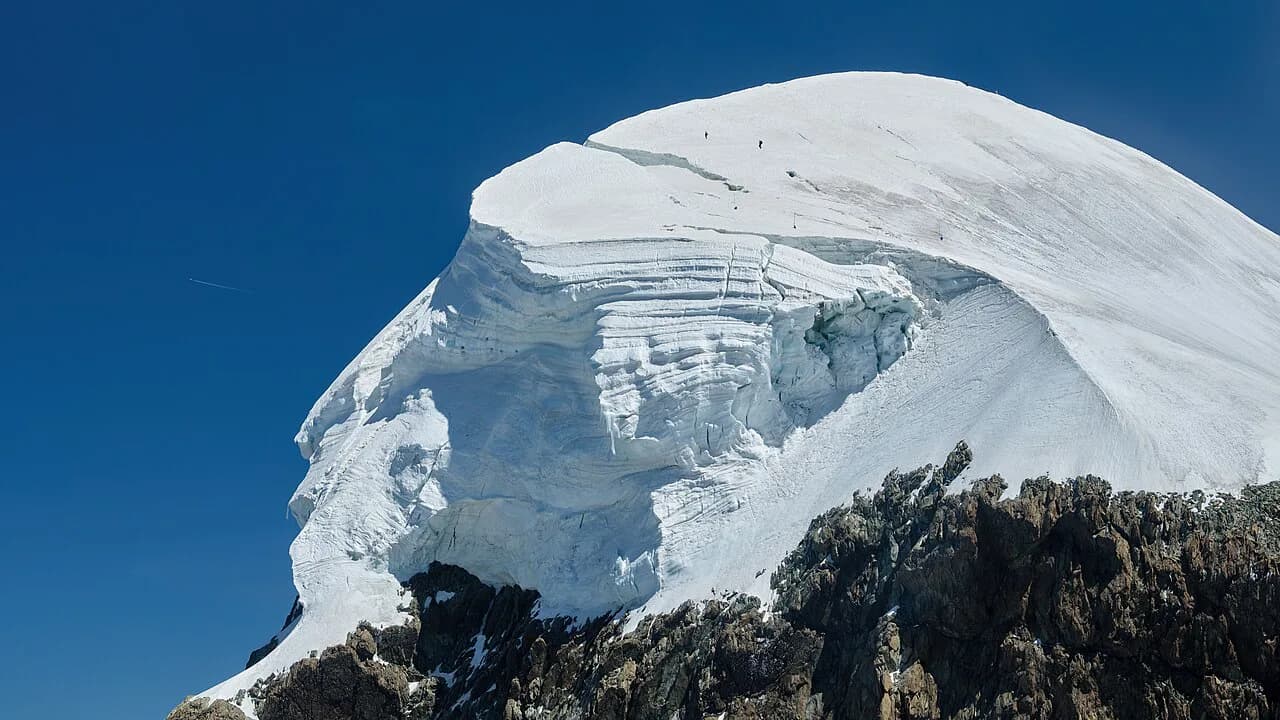
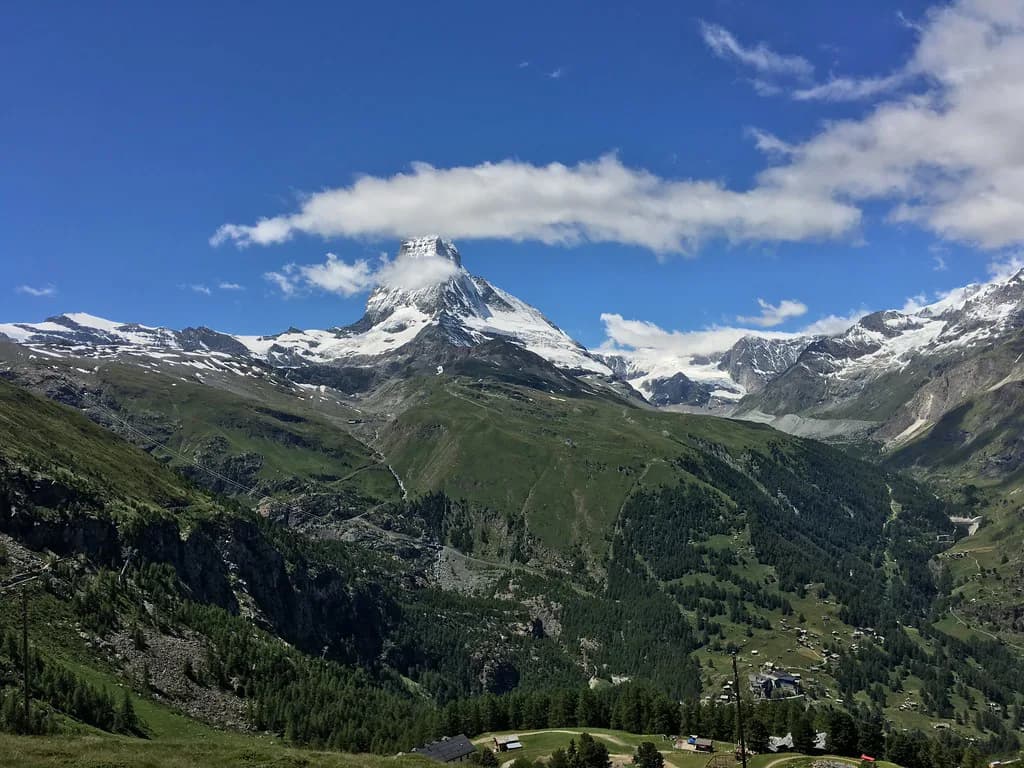
Zermatt's selling point is the freestanding Matterhorn, which stands alone on the skyline rather than sitting in a wall of peaks. The Rothorn is the vantage point the village promotes for this view, and the panorama from the top also takes in the Weisshorn and a ring of four-thousand-metre summits. Grindelwald's signature is the opposite composition: the Eiger north face and the Wetterhorn rise as a broad, close wall above the valley. Choose Zermatt for one isolated icon, Grindelwald for a dramatic escarpment that frames the whole village.
Do not assume you will see the Matterhorn from any particular street or square. The village's own material describes the best views from the Rothorn and the high cable car, so build your day around going up rather than waiting for a peek. In Grindelwald, the peak wall is part of the valley backdrop, which means a low-effort day still gives you something to look at. This is the clearest practical difference between a peak-first town and a valley town.
Viewpoints and Mountain Railways in Zermatt
The Rothorn railway runs from Blauherd to a summit station at 3,103 m, the start of walks and bike routes and one of the best photo spots for a freestanding Matterhorn. It runs daily from 10:00 to 17:00, and its listing shows a free entry price rather than a lift fare, so budget separately for getting up there. Treat the railway as a morning excursion: cloud builds through the afternoon and the view is the entire point.
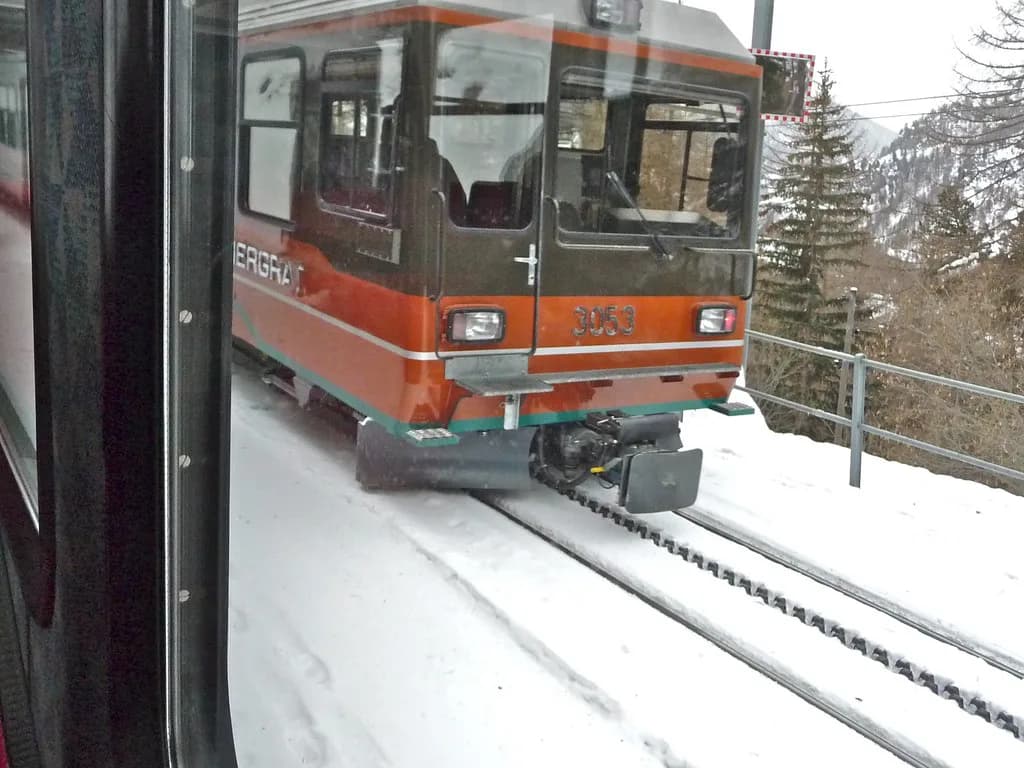
For height, the cable car runs from Zermatt via Furi and Trockener Steg to the Klein Matterhorn at 3,883 m, the top of Europe's highest summer ski area. In summer, 21 km of runs are open on the Theodul Glacier, and the skiing area closes at midday to protect snow conditions for the following day, which is why an early start matters even in July and August. If you are not skiing, the ride is still the fastest way to stand above 3,800 m. Plan the ride around the full zermatt itinerary if you want to combine it with other high viewpoints.
A Wet-Weather Anchor: The Matterhorn Museum – Zermatlantis
When cloud shuts the mountains, the Matterhorn Museum – Zermatlantis is underground, beside the church at Kirchplatz, and tells the story of how Zermatt grew from a farming village into an alpine destination. Its most famous object is the original rope from the first ascent of 14 July 1865, when four of the seven climbers died, and the displays include reconstructed village houses and objects from that expedition. An audioguide is available in English, and the museum is wheelchair accessible and suited to families.
The museum is usually open daily from 15:00 to 18:00, with seasonally deviating hours, including a period in 2026 when it opens only Friday to Sunday from late November into mid-December. It is closed from 1 to 19 November 2026 according to the current listing, so check the dates against your own trip before you rely on it as a rainy-day plan. Because the daily window starts mid-afternoon, pair the museum with a slow morning rather than counting on it to fill a whole wet day.
If your whole trip is short, one day in zermatt usually has room for either the museum or a mountain ride, not both, so read the weather in the morning and decide. A rainy forecast pushes you indoors; a clear one sends you up. Build that flexibility into your booking rather than pre-buying every ticket for a fixed time.
Museum Ticket Prices in CHF
Museum admission is CHF 12 for adults, CHF 10 for seniors aged 64 and over, and CHF 10 per person for groups of at least eight. Youths aged 10 to 16 pay CHF 7, students pay CHF 8, and school classes pay CHF 5 per child with one teacher free per group of up to 25. Children up to 9 enter free when accompanied by an adult.
The museum's own ticket information confirms that holders of the Swiss Travel Pass, Swiss Flexi Pass and Swiss Youth Pass get in free, and the Museumspass is also accepted. That is a concrete saving if you already carry a rail pass, and it is the one discount in Zermatt confirmed by the village's visitor material. Do not assume other attractions honor the same passes; the arrangement applies to this museum. For a fuller cost picture, read is zermatt expensive before you set a daily budget.
How Expensive Each Town Is
Zermatt's costs split into two buckets: village expenses, where museum entry is a single-digit-to-low-double-digit CHF figure, and mountain transport, where the Rothorn railway and the Klein Matterhorn cable car are the big items. The village's own pages list the railway's hours and museum prices but do not publish lift fares, so confirm them with Zermatt Bergbahnen AG before you plan two summit days. Budget for one high ride and one lower-cost day to keep the total sensible.
Zermatt's car-free status also shapes cost, because your car stays in Täsch and you pay to ride up. For travelers watching the total, the patterns that make zermatt on a budget work are simple: use the rail pass where it gives free entry, pick the museum on a cloudy day, and limit yourself to one summit ticket.
Grindelwald offers more variety in price because a valley day can be a short railway ride rather than a long glacier climb, and you can still see the Eiger wall without going all the way up. If you are weighing whether the famous peak is worth the outlay, is zermatt worth visiting walks through what you actually get for the money.
Getting There Without a Car
Zermatt is car-free, so you park at Täsch and take the shuttle train into the village, then move on foot or by electric taxi from the station. That makes the rail approach the natural one: arrive by train, walk to your base, and use the mountain railways from the village edge. Grindelwald is reached by road and rail through the Bernese Oberland and lets a car stay with you. If you are touring by rail, Zermatt fits neatly; if you are driving, Grindelwald is the simpler base. Where you sleep inside the village shapes the walk, so use the zermatt neighborhoods guide to pick your base before booking.
How Many Days Each Town Rewards
Give Zermatt two full days to combine one high viewpoint with the museum and a slow village afternoon; three days lets you add a second mountain ride without rushing. With 2 days in zermatt, most travelers manage one summit and the village core comfortably, which is why the town suits a weekend more than a long stay. Grindelwald rewards a similar length, but its days are more interchangeable because the valley view is always available.
Plan around altitude as much as time. The Rothorn sits at 3,103 m and the Klein Matterhorn at 3,883 m, so a first day at village level followed by a summit day gives your body a chance to adjust and leaves room to move the high day if cloud rolls in. That extra flexibility is far more valuable in Zermatt than a packed schedule.
If you are still deciding on length, how many days in zermatt sets out what one, two or three days covers, and it is the fastest way to see whether the town fits your schedule. Compare that with your Grindelwald plans before you book any mountain tickets.
Who Should Pick Zermatt, and Who Should Pick Grindelwald
Choose Zermatt if a car-free village, one unmistakable peak and a strong rainy-day museum matter more to you than variety, and if you are willing to pay for at least one high-altitude ride. Choose Grindelwald if you want a valley base where the Eiger and Wetterhorn are the backdrop to every day, if you are driving, or if you prefer spreading your time across several mountain railways rather than committing to one expensive summit. Families with young children often lean toward Zermatt for the museum, where under-9s enter free.
Couples and first-time visitors who want the classic shot of a solitary peak tend to be happier in Zermatt, and the village's compact layout keeps evenings simple. Travelers who want flexibility and a greener, broader landscape get more from Grindelwald. Neither town is the wrong choice; the decision is between one iconic peak and a whole range.
When to Go: Summer vs Early Autumn
Summer brings the glacier ski area into play on the Theodul Glacier, and the Rothorn railway runs daily from 10:00 to 17:00 through the season. Early autumn is quieter, but the Matterhorn Museum closes from 1 to 19 November 2026 and cuts back to weekend openings in late November 2026, so a November trip loses your wet-weather backup. Late September and October keep the village and lower lifts open with thinner crowds.
Use typical climate patterns to pick a month, not a forecast. The best time to visit zermatt breaks down what summer and autumn actually feel like at altitude, which matters because a village day can be warm while the summit is cold and windy. Pack layers whether you go in July or October.
The Honest Trade-Offs
Zermatt's views come with height and cost: the Rothorn is 3,103 m and the Klein Matterhorn 3,883 m, and the summer ski area closes at midday, so a summit day starts early and ends with a long descent. The village is compact and car-free, which is a pleasure on foot and a constraint if you like to drive yourself around. Crowds concentrate on clear summer days, so going up early also buys you quieter platforms and better snow.
Grindelwald's trade-off is less drama for more flexibility. You get the Eiger and Wetterhorn as a constant backdrop, but not the single, isolated silhouette that draws people to Zermatt, and a valley day can feel less like an event. If one big mountain moment is the reason for your trip, Zermatt is the stronger pick; if you want a comfortable base with options, Grindelwald wins.
In Zermatt, the Matterhorn Museum – Zermatlantis at Kirchplatz is the dependable backup when the peaks disappear into cloud, and its 15:00 to 18:00 window fits a slow morning. The rest of your plan should stay flexible enough to swap the summit day for a village day without losing money on unused tickets.
Plan Your Visit
Choose Zermatt for a car-free village, a single famous peak and high mountain railways that reach 3,883 m; choose Grindelwald for a valley base under the Eiger and Wetterhorn with more room to move. Book your mountain day for the clear morning, keep the museum for the cloudy one, and carry a rail pass if you want free museum entry. Reserve the second summit ride only after you have seen the weather.
Explore more Zermatt guides
Frequently Asked Questions
Is Zermatt or Grindelwald better for a short summer trip?
Zermatt suits a short trip if you want one iconic peak and a walkable, car-free village, since one high ride plus the museum fills two days. Grindelwald suits travelers who want a valley base with the Eiger and Wetterhorn always in view and several mountain railways to choose from. Decide based on whether you want a single mountain moment or a broader landscape.
How much does the Matterhorn Museum cost?
Adults pay CHF 12, seniors 64 and over and groups of eight or more pay CHF 10, youths aged 10 to 16 pay CHF 7, students pay CHF 8, and children up to 9 enter free with an adult. The museum states that the Swiss Travel Pass, Swiss Flexi Pass, Swiss Youth Pass and the Museumspass are accepted for free entry.
Do you need a car in Zermatt?
No. Zermatt is car-free, so you leave the car at Täsch and take the shuttle train into the village, then walk or use the mountain railways. Traveling by train is the natural approach and puts you in the village center without a parking hunt.
How many days do you need in Zermatt?
Two full days cover one high viewpoint and the Matterhorn Museum with a slow village afternoon. Three days let you add a second mountain ride or keep a spare day for better weather. Plan the summit for early in the trip so you can shift it if cloud arrives.
What is there to do in Zermatt on a rainy day?
Head to the Matterhorn Museum – Zermatlantis at Kirchplatz, which is underground and displays the original rope from the 1865 first ascent along with reconstructed village houses. It usually opens from 15:00 to 18:00, with seasonal variations including a closure from 1 to 19 November 2026, so confirm the date before you go.
Is the Matterhorn visible from the village?
The village promotes the Rothorn as the place to see the freestanding Matterhorn, and the panorama from 3,103 m also takes in the Weisshorn and surrounding four-thousand-metre peaks. Plan a mountain railway ride rather than counting on a street-level view, and go up in the morning before cloud builds.
Can you visit the Matterhorn Museum with a Swiss Travel Pass?
Yes. The museum's own ticket information lists the Swiss Travel Pass, Swiss Flexi Pass and Swiss Youth Pass among the passes accepted for free entry, along with the Museumspass. That saving applies to this museum, so do not assume other attractions honor the same passes.
What is so special about Zermatt?
Zermatt combines a car-free village with the Matterhorn overhead, mountain railways to the Rothorn at 3,103 m and the Klein Matterhorn at 3,883 m, and Europe's highest summer ski area on the Theodul Glacier. The Matterhorn Museum adds a strong indoor option that documents the village's history and the 1865 first ascent.
Sources
Notes for your Swiss city break
Optional updates to our Swiss city guides.
You might also like
Continue reading
More guides you'll find useful