One Day in Zermatt: A Realistic Single-Day Itinerary
Plan one day in Zermatt with a realistic route: the car-free village center, one mountain viewpoint, and the museum that opens in the late afternoon.
On this page
One day in Zermatt covers the car-free village center on foot and one mountain viewpoint, then the Matterhorn Museum in the late afternoon. The museum opens at 15:00, which shapes the whole day: mountains first, village and museum afterward. This route sets a workable order and the trade-offs behind it.
The village sits at the end of the valley, and cars stay out, so the day runs on foot and on mountain railways. The museum is on Kirchplatz, and the mountain railways leave from the Schluhmattstrasse side of town. Keep those two points in mind when you plan the walking.
How Zermatt Is Laid Out
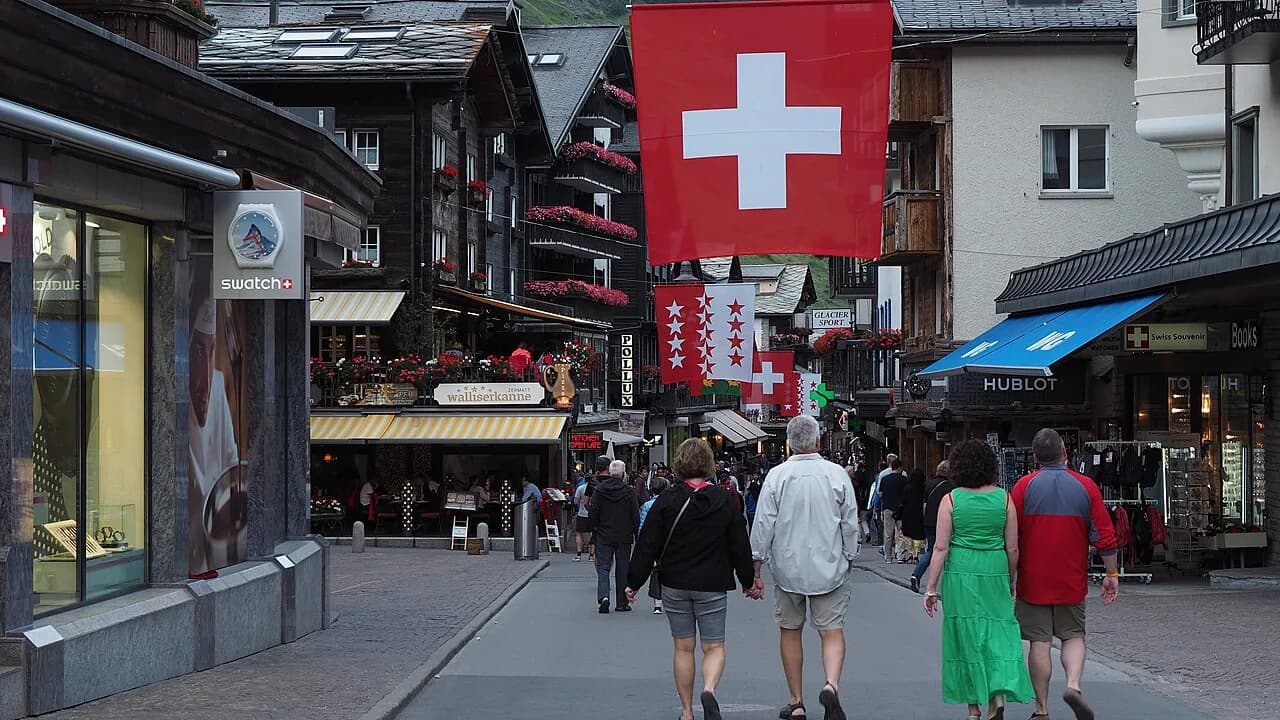
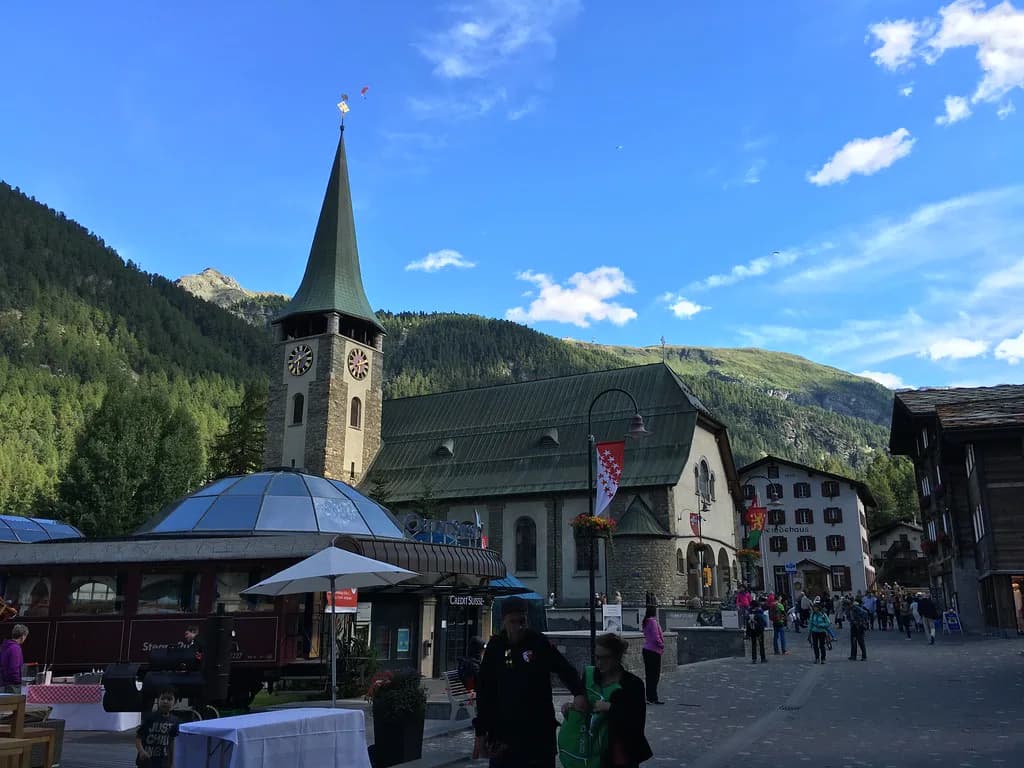
Zermatt is a compact, car-free village at the head of the valley, and most of the center is walkable in minutes. The church square around Kirchplatz holds the Matterhorn Museum, which is built as an underground reconstruction of the old village. The mountain railways leave from the Schluhmattstrasse side, a short walk from the center.
That layout makes a simple plan: walk the core in the morning, take one mountain railway around midday, and return to Kirchplatz for the museum. Because the two ends of the day sit close together, you waste little time in transit. If you are weighing how much the day will cost before you commit, work out the numbers first.
Morning: The Village Core and Kirchplatz
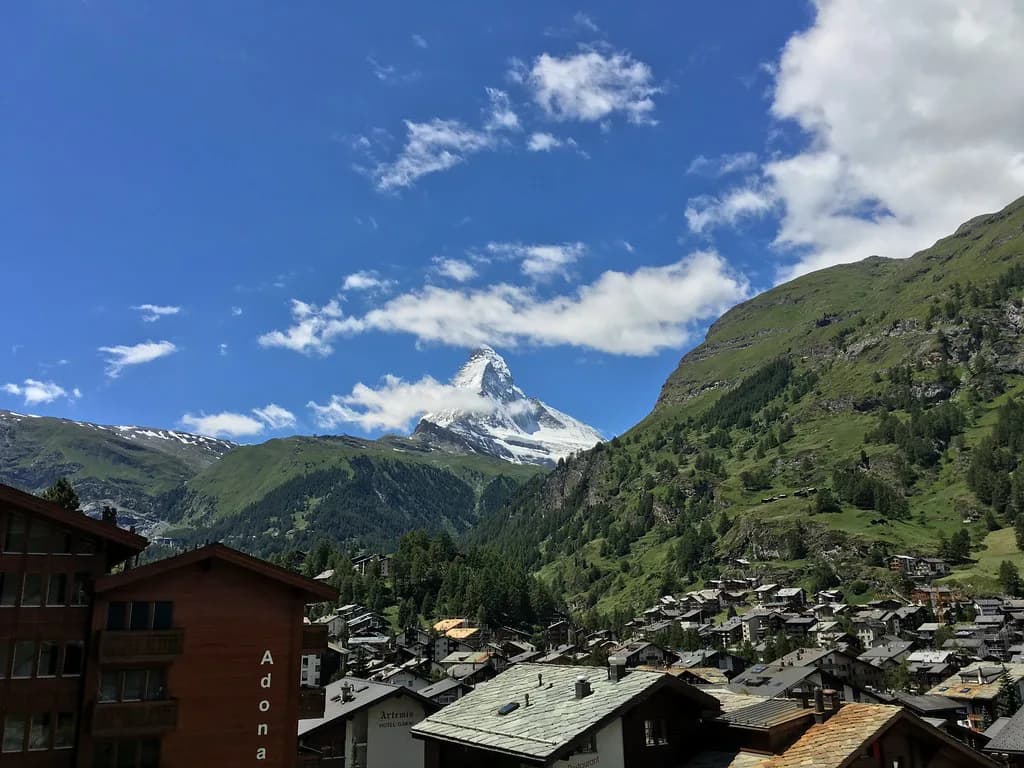
Start in the village core, where old wooden houses stand among the hotels and shops, and walk toward the church square at Kirchplatz. This is the calmest part of the day: the village is small, the streets are short, and the Matterhorn shows above the rooftops when the sky is clear. Allow an hour or so for the wander.
Kirchplatz is also where the Matterhorn Museum sits, so you pass it in the morning and return in the afternoon. Note the entrance then, because the museum is underground and easy to miss from street level. The museum's own description points to the original houses, a multimedia room, and objects from the first ascent of the Matterhorn.
Midday: The Rothorn Panorama
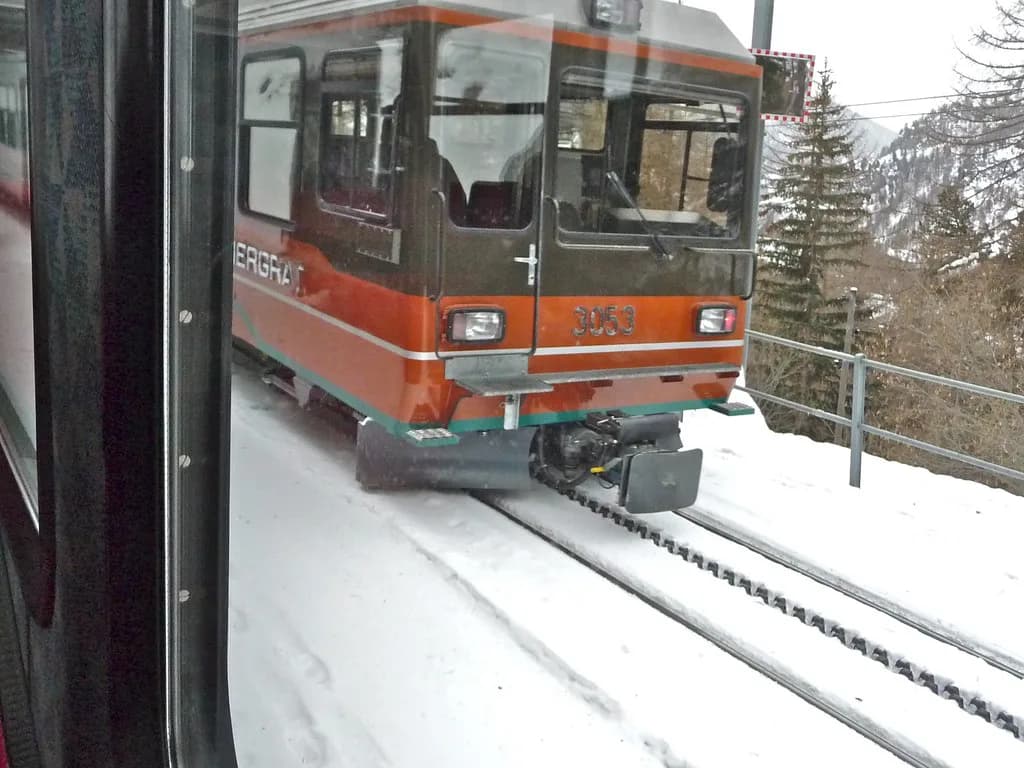
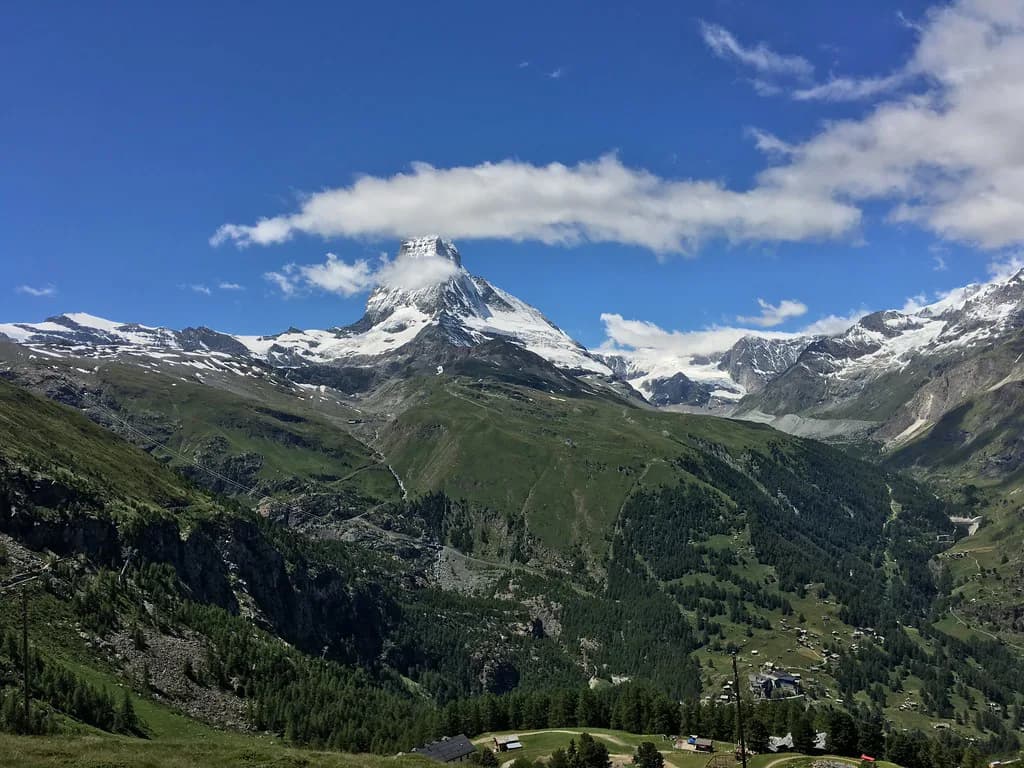
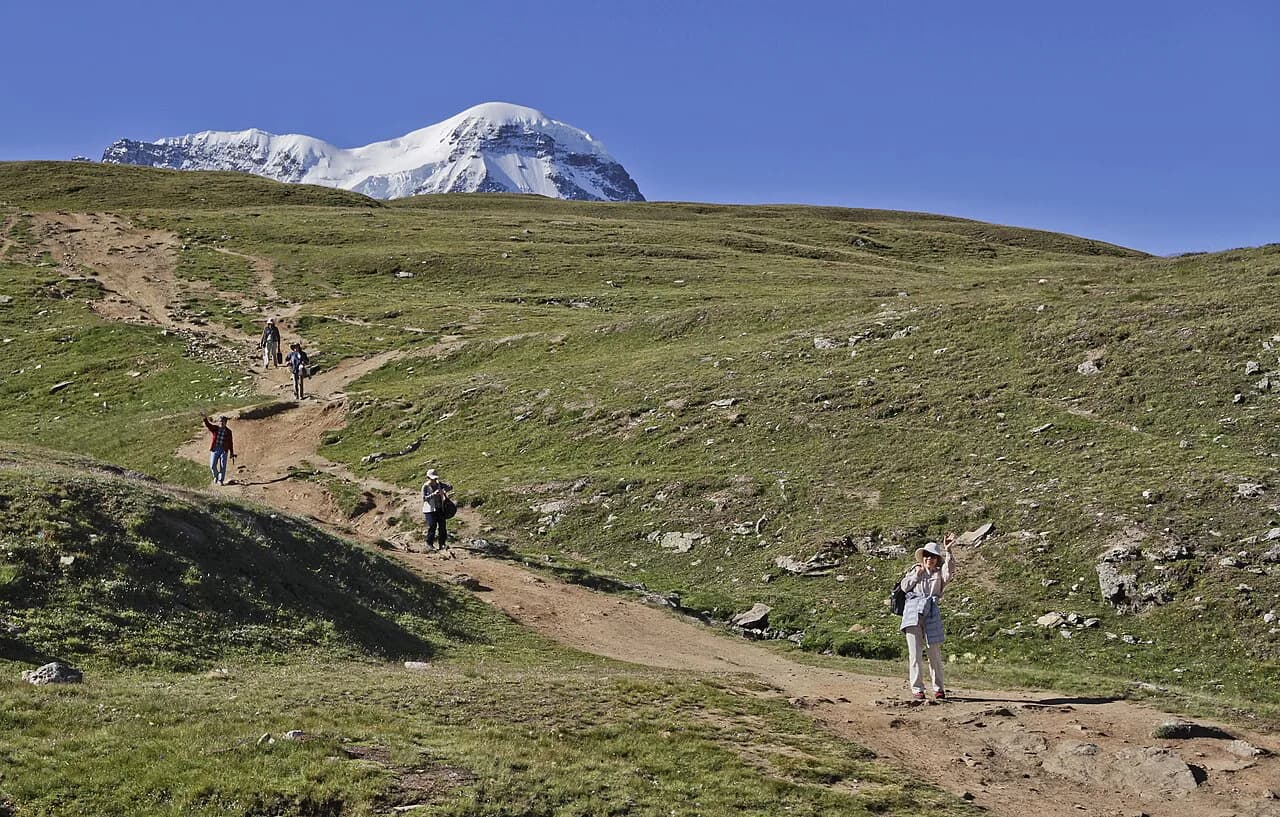
For the mountain half of the day, the Rothorn is the straightforward pick. At 3,103 meters it gives a freestanding view of the Matterhorn and the surrounding four-thousand-meter peaks, and a scenic railway from Blauherd carries you up to the viewpoint. The Peak Collection sculpture exhibition on top adds detail on altitudes, rock types, and the peaks' first climbers.
The railway runs daily from 10:00 to 17:00, so a late-morning ascent leaves comfortable time for the panorama and the ride back down. Treat the last descent as your hard deadline rather than the summit arrival. If you want a wider plan around this kind of day, a full zermatt itinerary lays out the alternatives.
The Rothorn Trade-Off
The Rothorn gives the classic postcard view of the Matterhorn standing free of other peaks, and the railway ride itself is part of the experience. The trade-off is altitude: at 3,103 meters the air is thin and the weather changes fast, so a midday slot is safer than a late one. The 17:00 closure of the railway settles the question of how long you can linger.
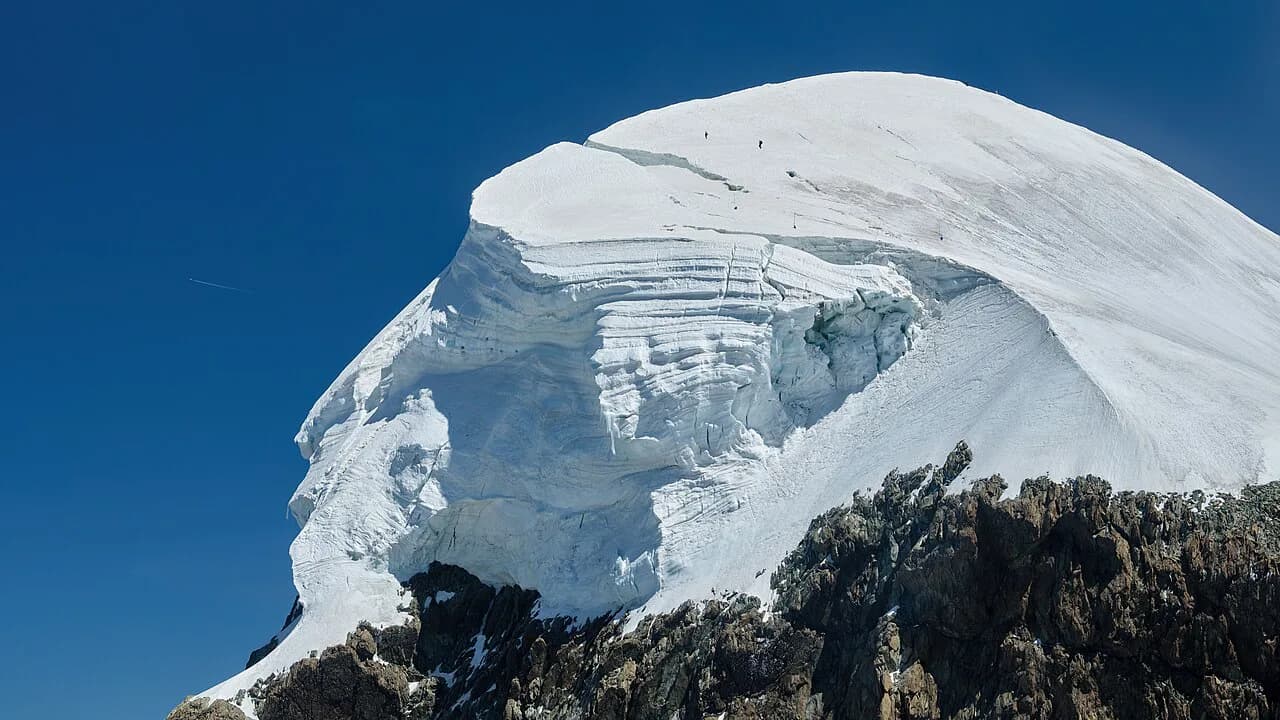
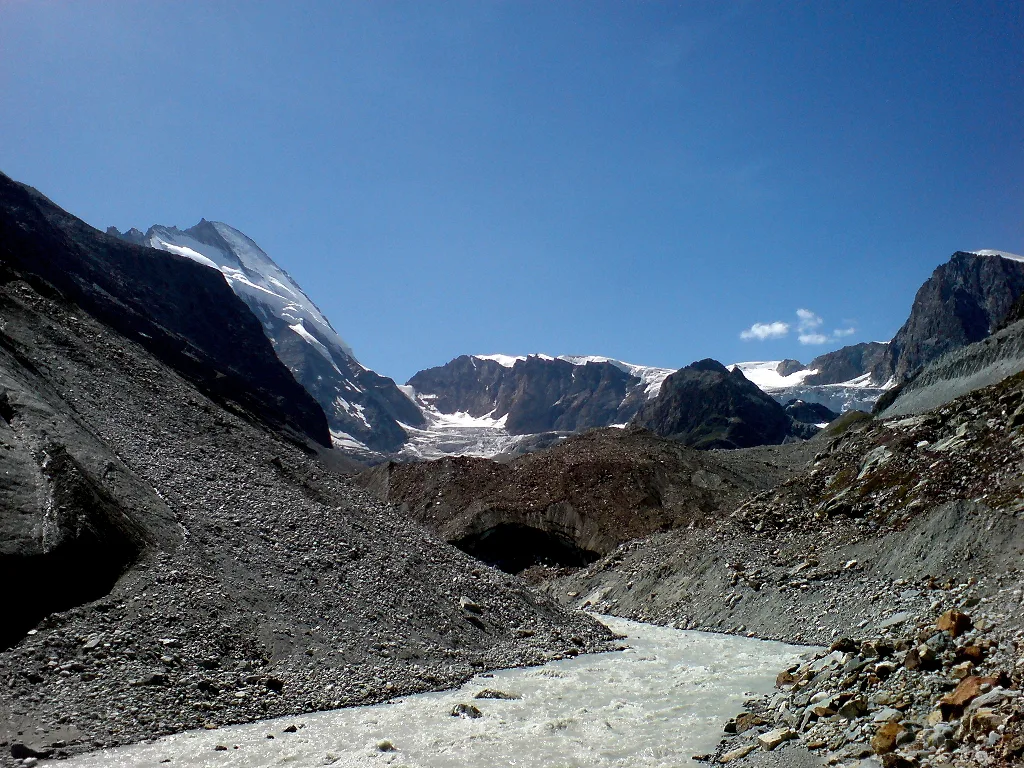
If your priority is the highest possible viewpoint rather than the cleanest Matterhorn view, the Klein Matterhorn cable car is the other option. It climbs via Furi and Trockener Steg to 3,883 meters, the highest summer ski area in Europe. The two mountains give different days, and comparing them side by side helps.
Alternative: The Klein Matterhorn Cable Car
The cable car from Zermatt runs via Furi and Trockener Steg up to the Klein Matterhorn at 3,883 meters, where the Theodul Glacier carries 21 kilometers of summer ski runs. Conditions are best early, and the summer ski area closes at midday so the snow holds up for the next day. That timing rules out combining glacier skiing with the museum.
For a non-skier, the same lift is simply a high viewpoint, and it eats more of the day than the Rothorn does. If you are deciding between the two mountains, or between Zermatt and another Alpine base, read the comparison first. With one day only, pick one mountain and do it properly.
Afternoon: The Matterhorn Museum – Zermatlantis
The Matterhorn Museum – Zermatlantis is the late-afternoon anchor because it opens at 15:00. It sits underground on Kirchplatz and reconstructs the old village with original houses, staged scenes of villagers and early Alpine researchers, and a multimedia room. The centerpiece is the original torn rope from the first ascent of 14 July 1865, when four of seven climbers died.
Other objects reward a slow visit: effects of the climbers who fell, a Neolithic stone axe from the third to fifth millennium BC, and the remains of a sixteenth-century mercenary. The museum opened in 2006 and is family-friendly, wheelchair-accessible, and offers an audio guide in German, English, French, and Japanese.
Museum Prices in Swiss Francs
Entry costs CHF 12 for adults, CHF 10 for seniors aged 64 and over, CHF 8 for students, and CHF 7 for ages 10 to 16. Children up to 9 enter free when accompanied by an adult, groups of at least eight pay CHF 10 per person, and school classes pay CHF 5 per child with the teacher free. The day's biggest cost is the mountain ticket, so the museum is the cheaper half.
The museum is free with the Museum Pass, the Swiss Travel Pass, the Swiss Flexi Pass, and the Swiss Youth Pass, and Raiffeisen cards carrying the Maestro, VISA, or MasterCard logo are accepted. If you hold one of those passes, the afternoon costs nothing. Travelers paying cash should budget the museum alongside the mountain ticket and check what else the passes cover.
Museum Opening Hours and Closure Dates
The museum is open daily from 15:00 to 18:00, which is why it slots into the end of a one-day plan. It closes from 1 November to 19 November 2026, and between 20 November and 17 December 2026 it opens only Friday to Sunday in the same 15:00 to 18:00 window. Check the calendar before you build the day around it.
Because the museum opens at 15:00, an early start on the mountain is not optional if you want both. The fixed afternoon opening is the one constraint that shapes the whole day, so plan the village and mountain segments around it.
What One Day Cannot Fit
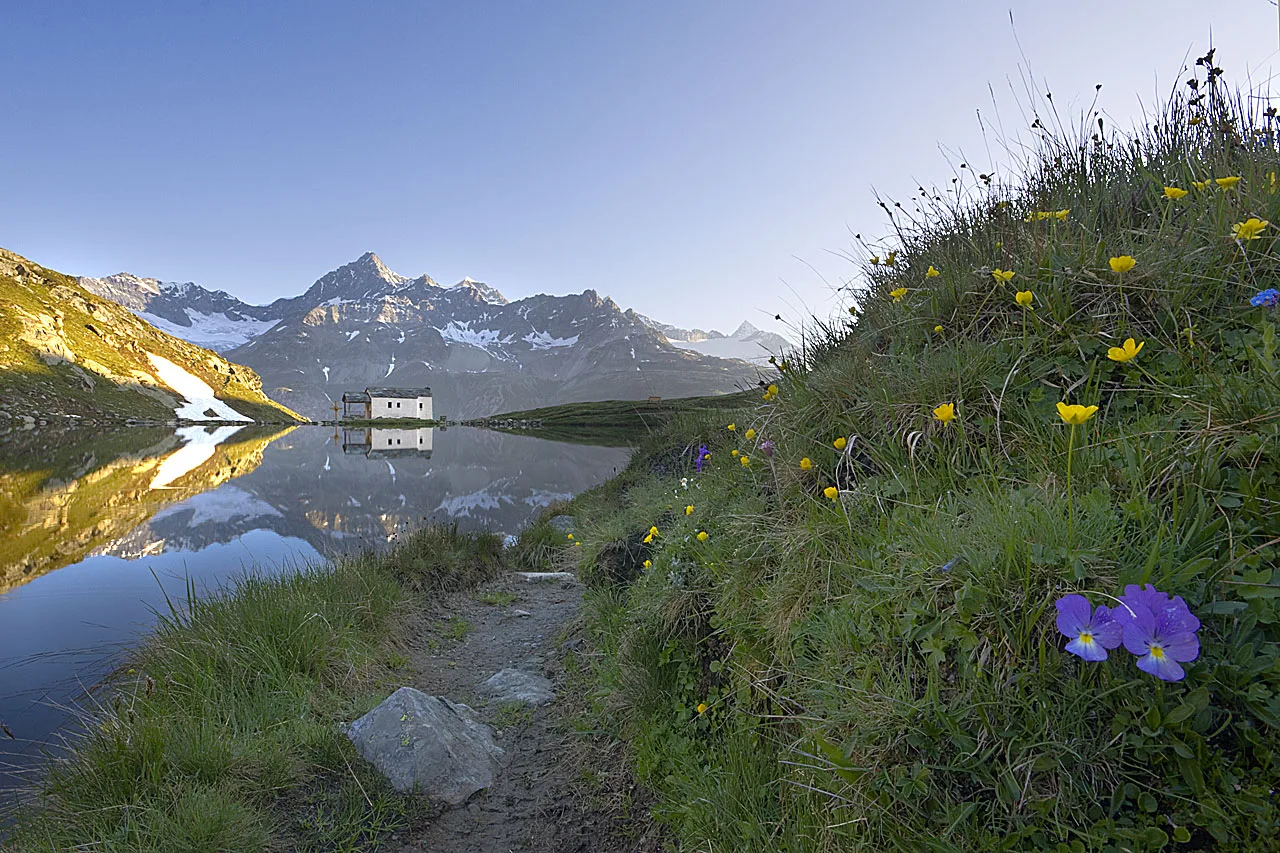
Summer skiing on the Theodul Glacier is a morning activity: conditions are best before the sun strengthens, and the area closes at midday. With the museum's 15:00 opening, a ski morning and a museum afternoon is possible only if you skip the village walk. A second mountain, a long hike, or both mountains in one day does not fit.
Adding a night changes the arithmetic, and 2 days in zermatt lets you pair the Rothorn with the Klein Matterhorn and still reach the museum with time to spare. If you are unsure how much time the village deserves, the honest answer is that one day covers the essentials and two days cover the mountains properly.
Evening: Last Light and a Slow Walk
When the museum closes at 18:00, the village is at its best for a slow loop through the center. The Matterhorn catches the late light above the rooftops, and the car-free streets are calm once the day-trippers have gone. Keep the walk short and let the day end without another ticket.
If the weather has turned and the mountains are hidden, the museum-first order is the sensible fallback: spend the afternoon underground, then take whatever view the evening offers. Before committing a whole trip to Zermatt, it is worth asking is zermatt worth visiting when the peaks are clouded in. The village and museum still fill a wet day.
Plan Your Visit
The working order for one day in Zermatt is village core in the morning, one mountain railway around midday, and the Matterhorn Museum from 15:00. The Rothorn railway closes at 17:00 and the museum closes at 18:00, so both halves have firm edges. Pick one mountain, not two, and the day fits.
If you are comparing Swiss city breaks, the same logic of one anchor sight plus one district applies elsewhere, as in one day in zurich or one day in lucerne. Zermatt's version is simply more vertical: the mountain is the anchor and the village is the walk.
Frequently Asked Questions
What can you do in Zermatt in one day?
Walk the car-free village core around Kirchplatz in the morning, ride one mountain railway around midday, and spend the late afternoon in the Matterhorn Museum – Zermatlantis. The museum opens at 15:00, so the mountains come first and the museum closes the day.
What time does the Matterhorn Museum open?
The museum opens at 15:00 and closes at 18:00, and it keeps that daily window through the year apart from a seasonal break in early November and reduced weekend-only days in late November and early December. Check the listing before you build the day around it.
How much does the Matterhorn Museum cost?
Adults pay CHF 12, seniors aged 64 and over CHF 10, students CHF 8, and ages 10 to 16 CHF 7, while children up to 9 enter free with an adult. The Museum Pass, Swiss Travel Pass, Swiss Flexi Pass and Swiss Youth Pass cover entry.
Should you go to Rothorn or the Klein Matterhorn?
The Rothorn, at 3,103 meters, gives the cleanest freestanding view of the Matterhorn and its railway runs daily from 10:00 to 17:00. The Klein Matterhorn cable car climbs higher, to 3,883 meters via Furi and Trockener Steg, but eats more of a short day.
Is one day enough for Zermatt?
One day covers the village center, one mountain viewpoint, and the museum. It does not fit two mountains, a long hike, or glacier skiing in the morning alongside an unhurried afternoon, so add a night if the mountains are the main reason for the trip.
Sources
Notes for your Swiss city break
Optional updates to our Swiss city guides.
You might also like
Continue reading
More guides you'll find useful