Zermatt in July: Glacier Skiing and Summer Village Days
Zermatt in July pairs a green village with snow on the Theodul Glacier. Plan ski mornings, viewpoint timing, rainy-day stops and Matterhorn photo spots.
On this page
July is the fullest version of summer in Zermatt: the village is green, the lifts run, and the upper glacier is still open for skiing. The catch is that a single day here can involve a T-shirt on the main street and a winter layer at 3,883 meters, so the trip works best when you plan around altitude rather than around a single forecast.
The rewards are very direct. You can photograph the Matterhorn from a bridge inside the village in the morning, ride a mountain railway to a ridge for lunch, and spend the next morning on snow above the tree line. The best time to visit zermatt depends on whether you want that double life of summer and glacier, which peaks in July.
Why July Feels Like Peak Summer in Zermatt
By July the snowline has retreated to the high glacier, the trails between the village and the mid-stations are open, and the mountain railways are running their full summer pattern. That combination makes July the month when hikers, families, photographers and snow sports crowds all share the same valley.
Expect the busiest version of the village: midday is when the main street and the lift stations are most crowded, so a day that starts early on the mountain and returns to the village in the afternoon works better than the reverse. If you have flexibility between June and September, weigh how much you value the glacier skiing against how much you mind the crowds.
How Zermatt Is Laid Out
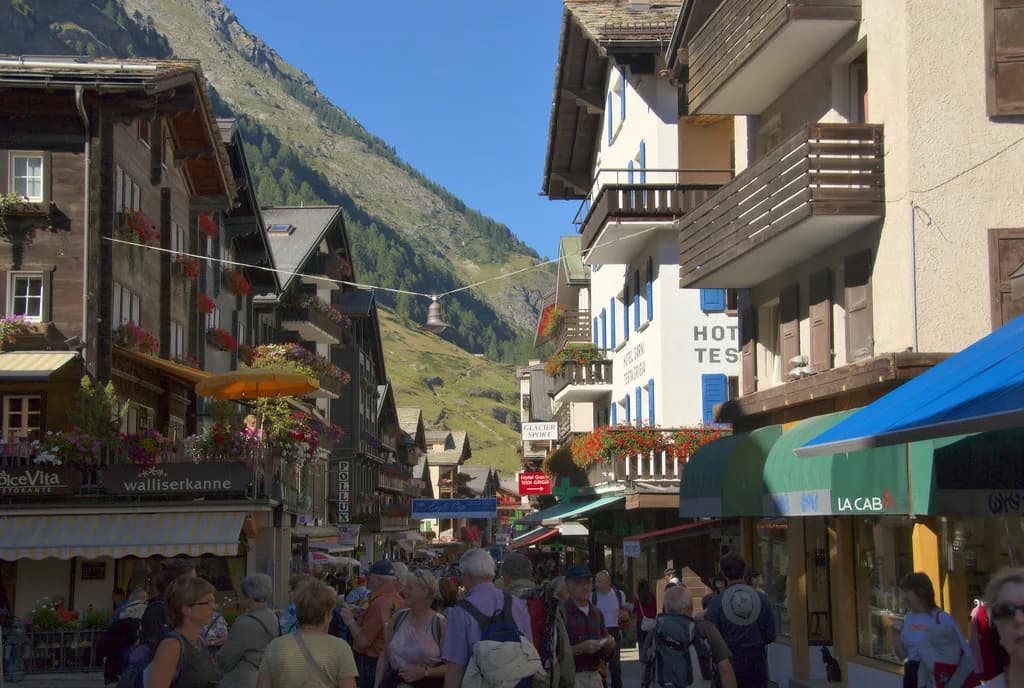
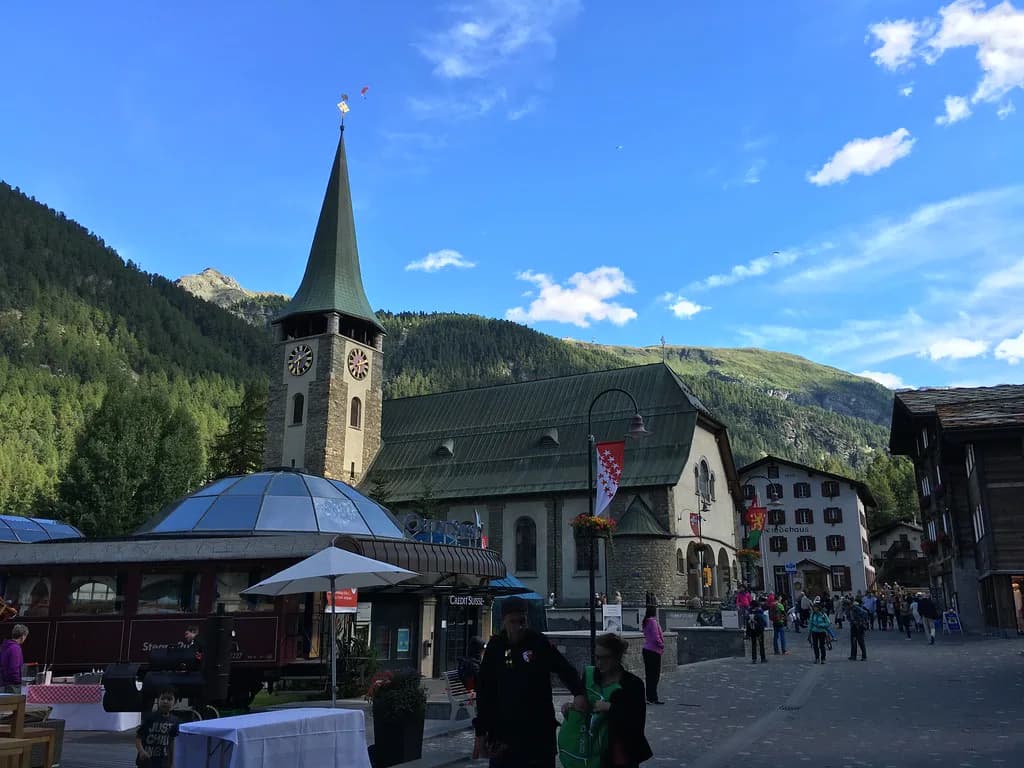
Zermatt is car-free, which makes the arrival simple: you walk or take an electric taxi from the station and then move around on foot. The village is compact, with the church square and the river running through the middle and the lifts fanning out from different edges of town.
Three lift bases matter for July planning. The cable car toward Furi, Trockener Steg and the Klein Matterhorn serves the glacier ski area, the Gornergratbahn leaves from opposite the station for Riffelberg and the Gornergrat ridge, and the Sunnegga funicular serves the Blauherd and Stellisee side. Grouping a day by base rather than zig-zagging across the village saves a surprising amount of walking.
Weather in July: Warm Village, Cold Glacier
Treat July as two climates. Down in the village you will want light layers and sun protection, while at the Klein Matterhorn you should expect proper cold and dress as you would for a warm spring ski day.
Weather changes fast at altitude, so check the live lift and trail map on the morning of your mountain day rather than the evening before. If the upper mountain is in cloud, swap the glacier morning for a lower viewpoint and keep the high ride for a clearer day.
Summer Skiing on the Theodul Glacier
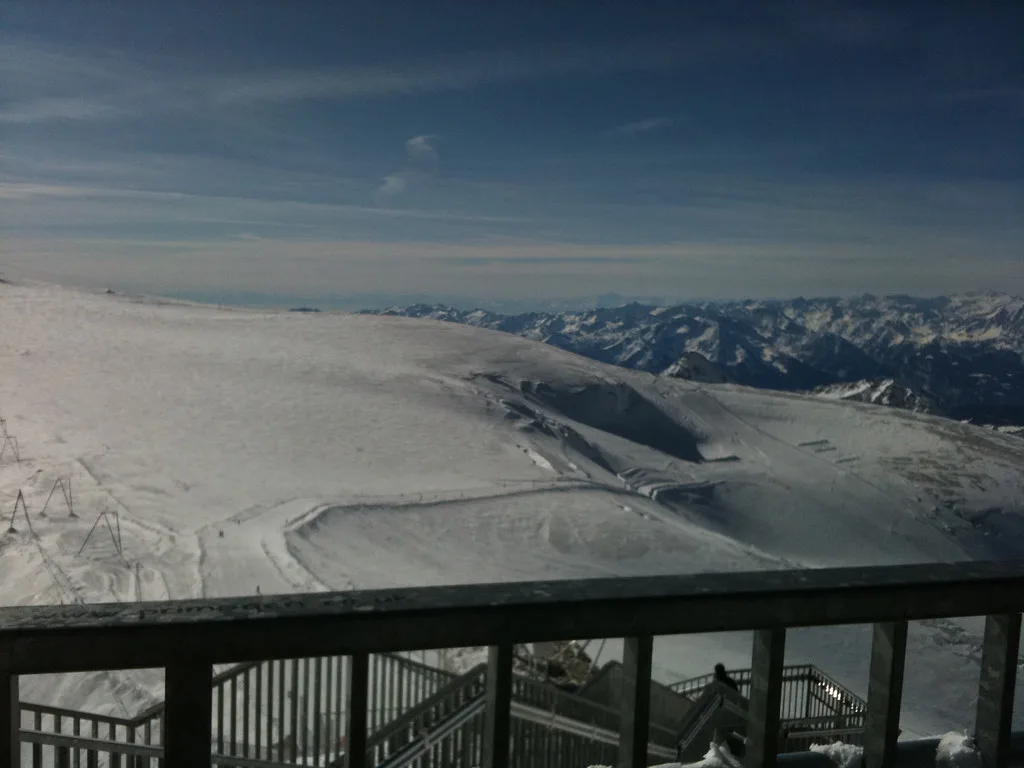
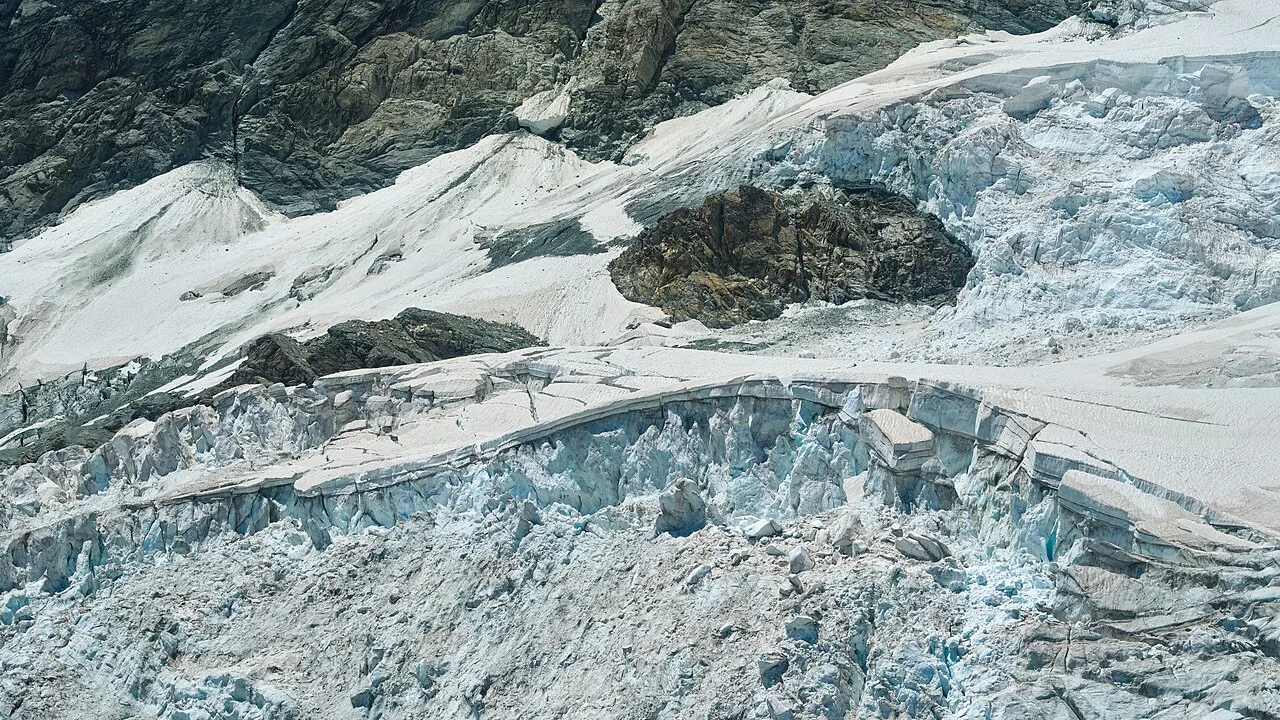
Skiing in July is real here: the summer ski area covers 21 kilometers of runs on the Theodul Glacier and is the largest and highest summer ski area in Europe. Start early, because the snow is best before the morning sun strengthens, and plan around the fact that the area closes at midday.
That midday closure turns summer skiing into a scheduling problem rather than a full-day plan. Ride up from the village through Furi and Trockener Steg to the Klein Matterhorn early, ski the morning, and use the afternoon for the village or a lower terrace. Gear is available from sports shops in town, and ski schools run summer offers if you want instruction.
Freestyle skiers and snowboarders get a separate draw in the Zermatt Summer Snowpark, described as one of the highest freestyle spots in the Alps. Conditions and open terrain change with the season, so confirm the current status and ticket details before committing.
Riding Up to the Klein Matterhorn at 3,883 Meters
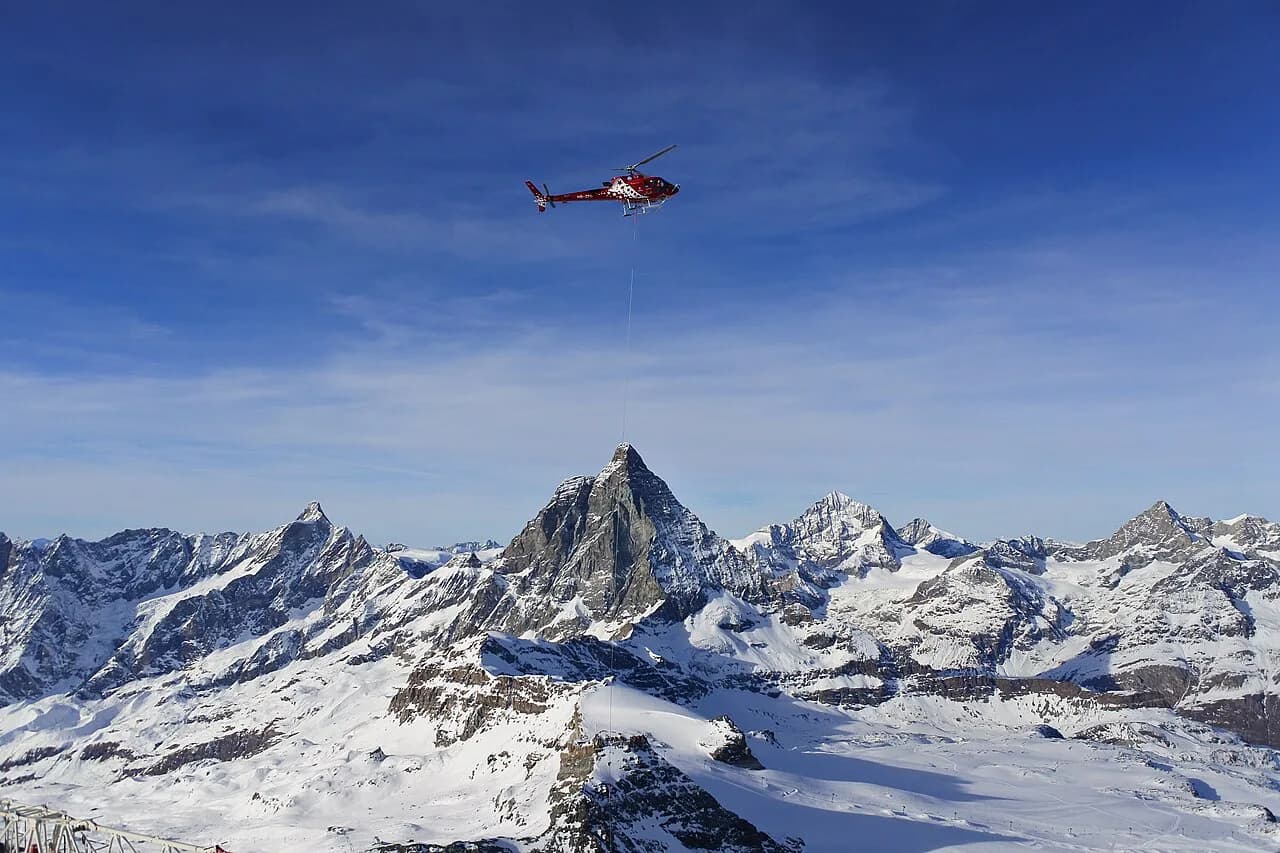
The cable car sequence from Zermatt via Furi and Trockener Steg reaches the Klein Matterhorn at 3,883 metres above sea level, which is high enough that the altitude itself becomes part of the visit. Move slowly at the top, drink water, and treat the first hour as acclimatization rather than a sprint to the viewpoint.
At the summit you get the panorama and a restaurant where a hot drink is the sensible first order of business. The ride is also a sightseeing trip in its own right, so non-skiers can go up, look, and come back down without ever putting on boots.
The Gornergratbahn as a Half-Day Sightseeing Trip
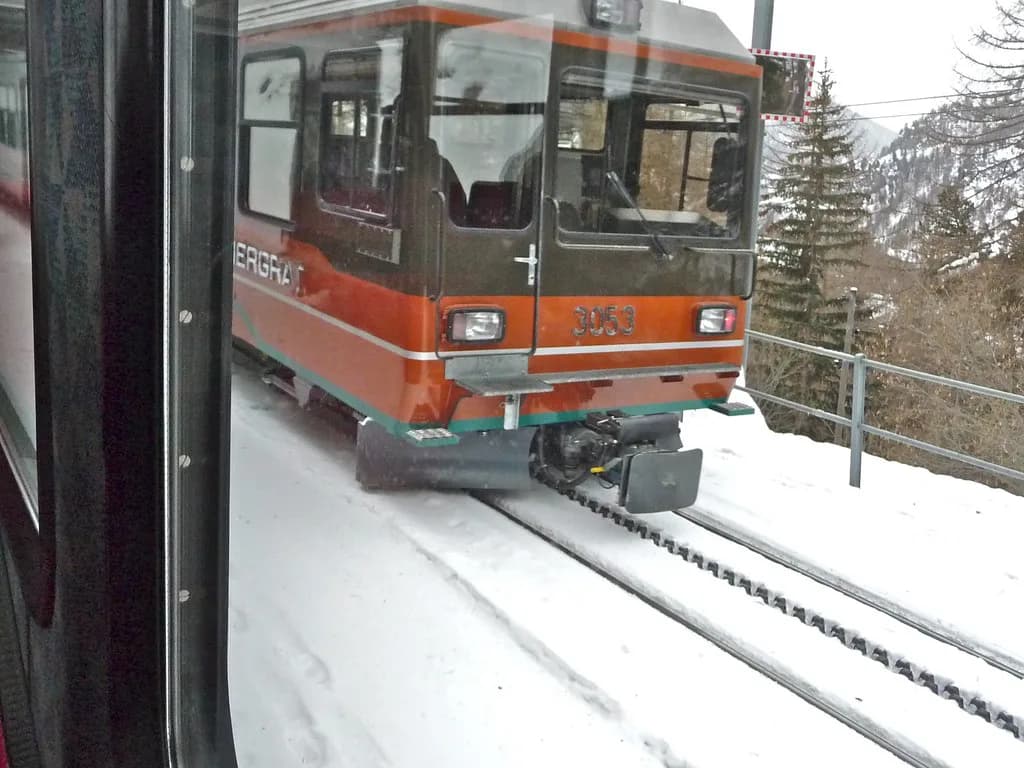
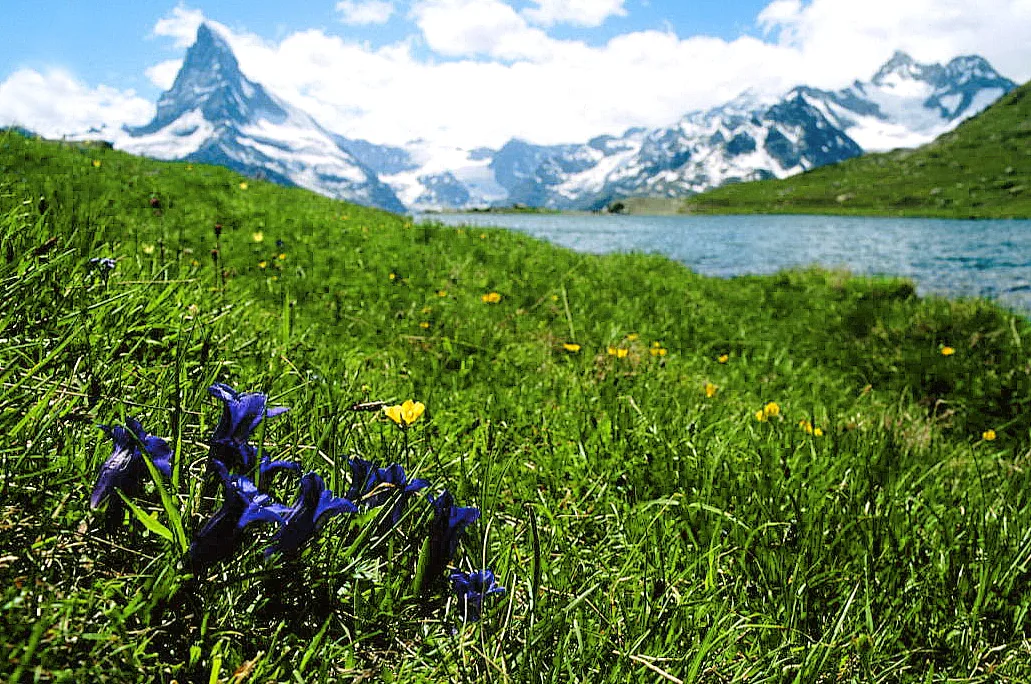
The Gornergratbahn leaves from opposite Zermatt station and reaches Riffelberg in 25 minutes, which makes it the easiest way to get above the village without any walking effort. From the ridge and the terraces around Riffelberg you get an open view back toward the Matterhorn and the surrounding peaks.
Riffelhaus 1853, at 2,548 metres on the Riffelberg, opens its spa area to day guests from 10 am to 4 pm by advance arrangement, with a Finnish sauna, steam bath and outdoor hot tub facing the mountain. Book ahead by email rather than turning up, and keep in mind that the spa and restaurant are for hotel guests in the evening. Treat it as a booked add-on, not a spontaneous stop.
Village Walks and the Hinterdorf Stroll
A slow walk through the village is the underrated half-day activity in Zermatt: you pass the old wooden storehouses and barns of the Hinterdorf, the church square, and the river bridges, all within a short radius. July makes this pleasant because the street life moves outdoors and the terraces are open.
Pair the stroll with an evening on the main street rather than treating the village as a place you only pass through on the way to a lift. It is the part of the trip that costs nothing beyond a coffee and gives you the context for everything you see up high.
Matterhorn Photo Spots, Timed to the Light
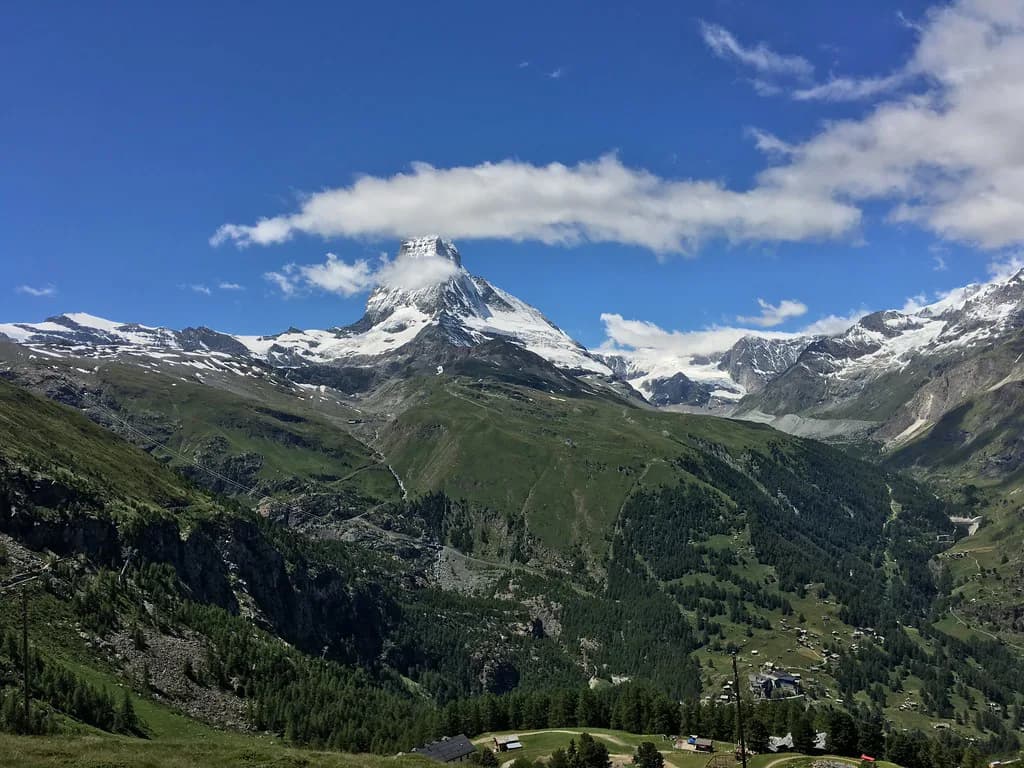
Kirchbrücke, the church bridge in the village, gives you an unobstructed Matterhorn view and is at its best in the morning, when the sun lights the summit. It is a low-effort stop that fits before or after a mountain day, which makes it the practical default for anyone who wants the classic village-and-mountain frame.
For the reflection shot, Stellisee sits at 2,537 meters a few minutes from the Blauherd mountain station, and the calm water in the morning can mirror the peak. The Mürini platform is a different trade-off: about a 15-minute walk from the station toward Ried, with a steep climb, and a view over the whole village.
Hiking Windows: Five Lakes and the Höhenweg
The Five Lakes trail and the Höhenweg high-altitude route are both best from June to September, which puts July squarely in the window. The lakes route is usually paired with the Blauherd lift, while the Höhenweg is chosen for the open mountain scenery rather than lakes.
July also brings wildlife into the picture: Valais mountain goats, mountain sheep and blacknose sheep graze on the hillsides and in the high areas of the valley, and marmots, chamois and ibex appear along quieter paths. Choose trails with an earlier start to combine better light, cooler walking and a real chance of seeing them.
Randa and the Suspension Bridge Beyond the Village
Above Randa, the longest pedestrian suspension bridge in the Alps offers a walk with a serious view, and the train brings you back to Zermatt in a few minutes after the crossing. It is a half-day outing that takes you out of the busy village and into valley scenery at low cost.
Rainy-Day Zermatt: Zermatlantis and the Cinema
Zermatlantis, the Matterhorn Museum at Kirchplatz, tells the story of the village and its transformation from farming settlement to mountain destination, with original objects from different eras, including the broken rope from the first Matterhorn ascent. In July it opens daily from 2 to 6 pm, with October hours moving to 3 to 6 pm, and tickets are sold on site or online.
Cinema Zermatt at Hofmattstrasse 4 shows films for a range of ages, which fills an entire wet afternoon rather than an hour. Seats are reserved through the cinema website and paid for on site, and the same building is easy to combine with Zermatlantis because both sit in the village center.
How Many Days July Needs
Two full days are the minimum for July: one for the glacier morning and the Klein Matterhorn, one for the Gornergrat side and a village evening. Three days lets you add a genuine photo-and-hike day around Blauherd and Stellisee without rushing, and it buys you a spare morning if cloud wipes out your high-altitude plan.
If skiing is the centerpiece, count the ski day as a morning and give the afternoon to something lower, because the midday closure of the ski area leaves the rest of the day open. Build a wet-weather reserve into any three-day plan; July in Zermatt can bring rain, and a flexible afternoon keeps a washout from costing you a whole day.
What to Book Ahead in Peak Season
Book the fixed slots first: ski school, rental gear and any spa time that requires a reservation, such as the Riffelhaus 1853 day visit, which runs by appointment for day guests. Cable car tickets and lift passes are worth sorting online before arrival so you do not spend a clear morning in a queue.
Prices for lift passes, museum entry and spa access sit in Swiss francs and change over time, so check them on the Zermatt Bergbahnen booking page when you reserve rather than budgeting from old figures. If you are comparing July with a quieter month, an october visit trades crowds for a different mountain mood, and for a national view of the same summer trade-offs, see switzerland in july.
Plan July Around Two Altitudes
July in Zermatt works when you treat it as two trips stacked in one valley: snowy mornings above 3,000 meters and green village afternoons below. Start early, check the live map, and keep a wet-day option in reserve.
For a broader seasonal comparison before you lock dates, read Zermatt Attractions and the wider best time guide, then reserve the glacier morning and the photo mornings first.
Explore more Zermatt guides
Frequently Asked Questions
Is there snow in Zermatt in July?
Yes, on the Theodul Glacier above the village, where the summer ski area runs 21 kilometers of slopes up to the Klein Matterhorn at 3,883 meters. The village itself is green in July, and the ski area closes at midday.
Can you ski in Zermatt in summer?
You can. Zermatt operates the largest and highest summer ski area in Europe on the Theodul Glacier, with ski schools, rental shops in the village and a summer snowpark. Start early for the best snow and plan around the midday closure.
What is there to do in Zermatt in July?
Mornings on the glacier or the Gornergrat side, photo stops at Kirchbrücke, Stellisee and the Mürini platform, village walks through the Hinterdorf, and the Five Lakes or Höhenweg trails. Zermatlantis and Cinema Zermatt cover a wet afternoon.
Where do you photograph the Matterhorn?
Kirchbrücke in the village for morning light on the summit, Stellisee for the reflection a few minutes from the Blauherd station, and the Mürini platform for the whole village after a steep 15-minute climb from the station.
What do you do in Zermatt when it rains?
Head to Zermatlantis, the Matterhorn Museum at Kirchplatz, open daily 2 to 6 pm from July to September, or book a seat at Cinema Zermatt on Hofmattstrasse. Both sit in the village center and fill an afternoon.
Is Zermatt worth visiting in summer?
It is, because the same valley gives you glacier skiing, high mountain railways and open trails in one trip. The trade-off is crowds and peak-season pricing in July, which early starts and pre-booked tickets help with.
Sources
Notes for your Swiss city break
Optional updates to our Swiss city guides.
You might also like
Continue reading
More guides you'll find useful