Zermatt in Summer: Peaks, Lakes and What It Costs
Zermatt in summer means cable cars to Europe's highest station, the Gornergrat train and short lake walks, with Swiss franc prices for each lift.
On this page
Zermatt in summer is a mountain-lift town: you ride gondolas, cable cars and a red cogwheel train up to viewpoints, then walk short trails back down under the Matterhorn. It is not a cheap destination, and the lifts are where most of the money goes. This guide covers how the village is arranged, what the three main excursions cost in Swiss francs, and why mornings matter for views.
How Zermatt is laid out
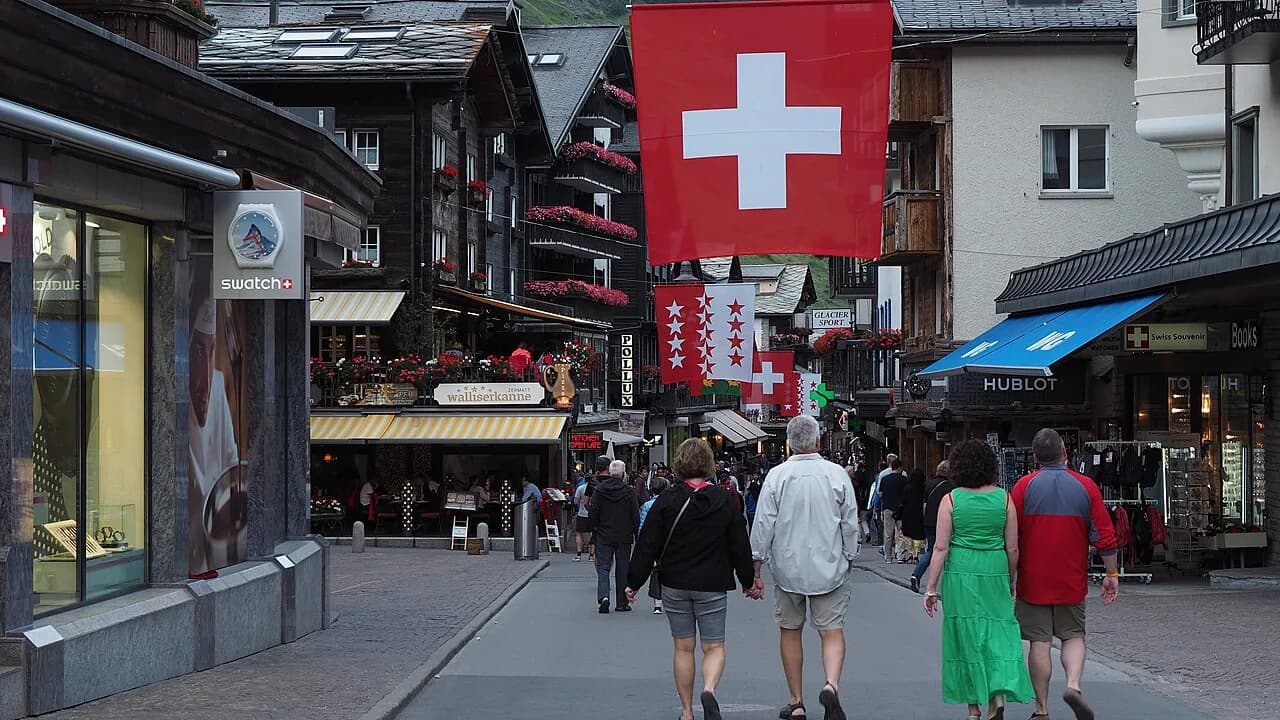
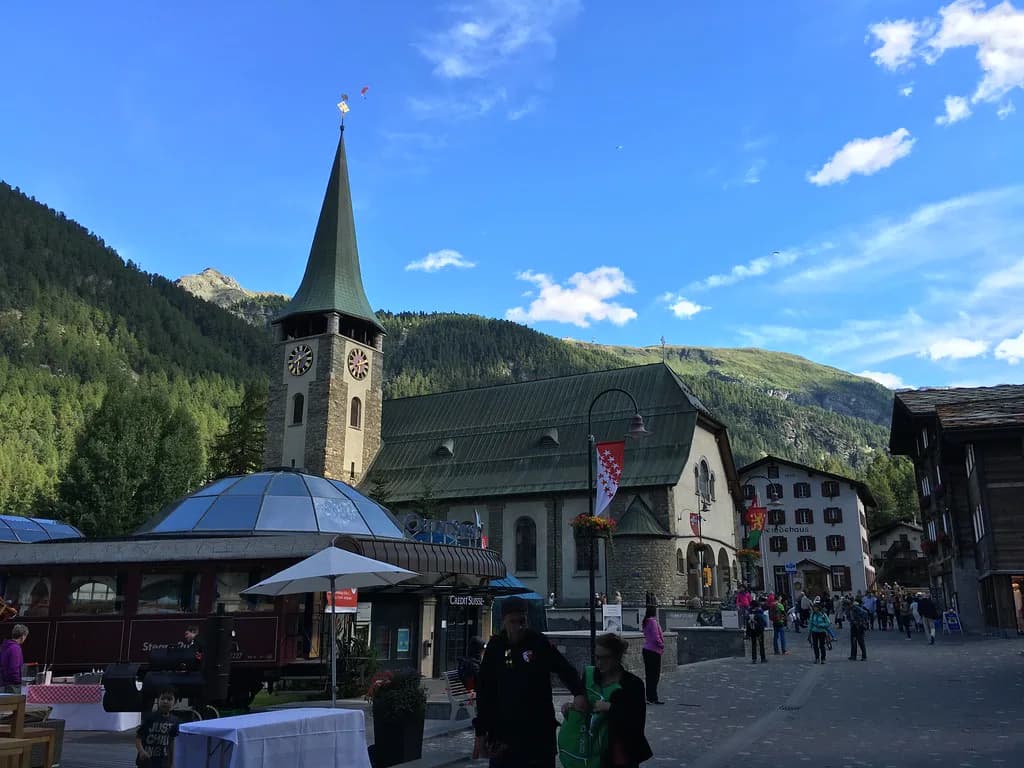
Zermatt sits in a valley along the Matter Vispa and is car-free, so you arrive by train and move around on foot or by electric taxi and bus. Bahnhofstrasse runs through the center as the main pedestrian street, lined with shops and restaurants. The Gornergrat railway station is at one end of town near the main train station, and the Matterhorn Glacier Paradise gondola station is at the southern end, roughly a 20-minute walk from the station.
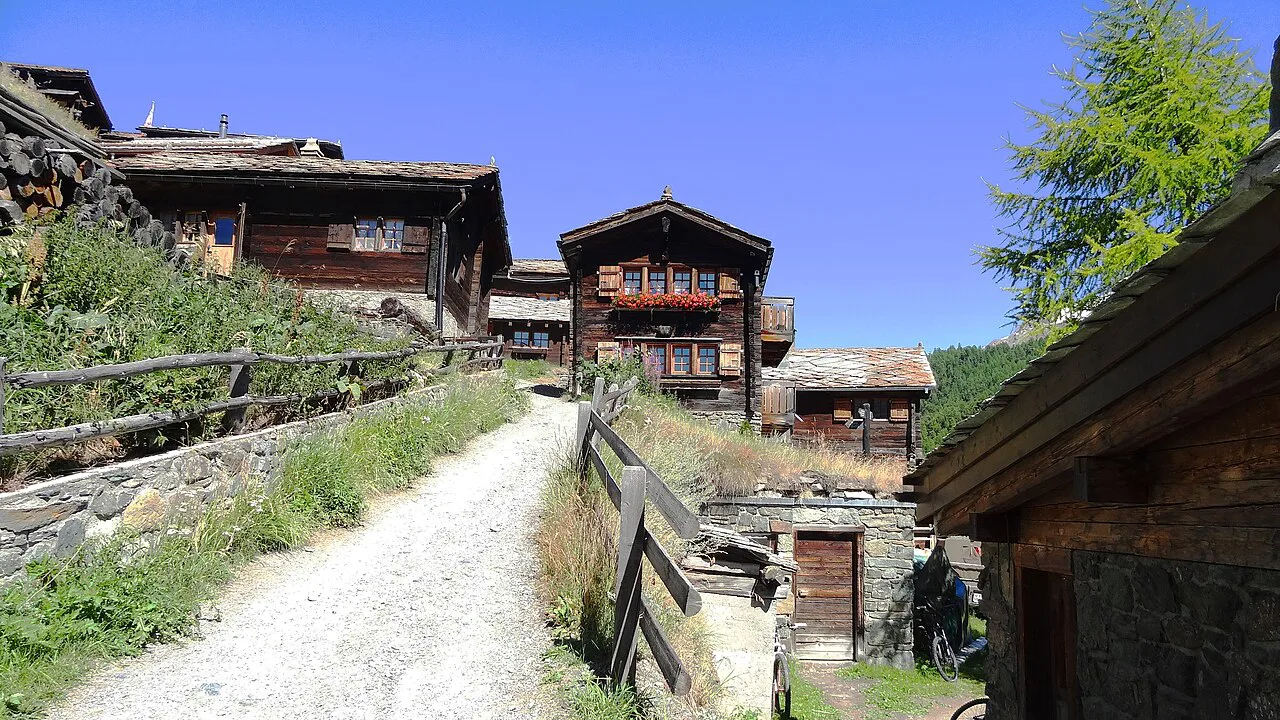
A short detour off Bahnhofstrasse leads to Hinterdorfstrasse, a lane of traditional wooden Valais buildings that shows what the village looked like before tourism took over. The Kirchbrücke, a bridge over the Matter Vispa, is the classic spot for a Matterhorn photo. Plan both as an easy hour in the village rather than a full excursion.
Gornergrat: the cogwheel train and the glacier views
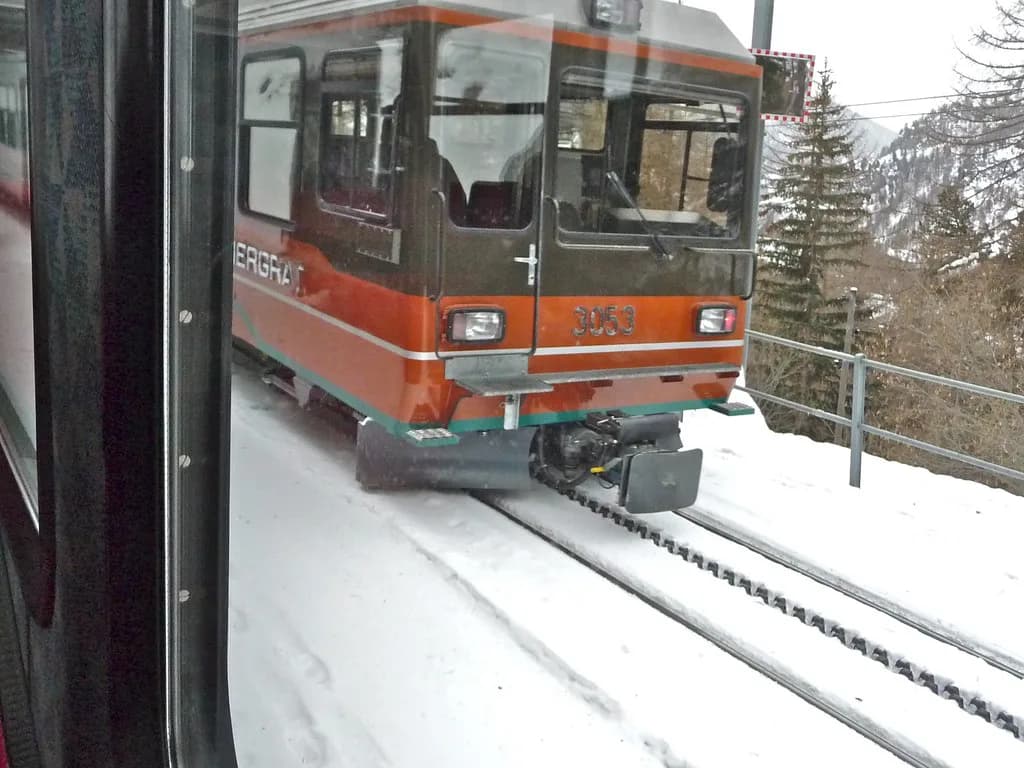
The Gornergrat Bahn climbs from the village to the Gornergrat summit, and the ride itself is a highlight: sit on the right side on the way up for the best views of Zermatt below. From the top you see the Matterhorn, the Gorner Glacier and the Dufourspitze, Switzerland's highest peak. Terraces, shops and a restaurant sit at the summit.
The classic route is to ride up and walk downhill to Riffelberg, an easy path that suits most abilities and takes about three to three and a half hours from start to finish. From Riffelberg you return by the Riffelberg Express cable car or the train. The summer transport cost for this day is CHF 108, according to this Zermatt guide, and prices are slightly lower outside the July 1 to August 31 peak window.
For a shorter version, ride the train only as far as the Rotenboden stop; Riffelsee lake is a five-minute walk away and gives you the reflection of the Matterhorn that fills most Zermatt brochures. This is the cheapest way to get the classic postcard shot without committing to the full downhill walk.
Matterhorn Glacier Paradise: the highest station in Europe
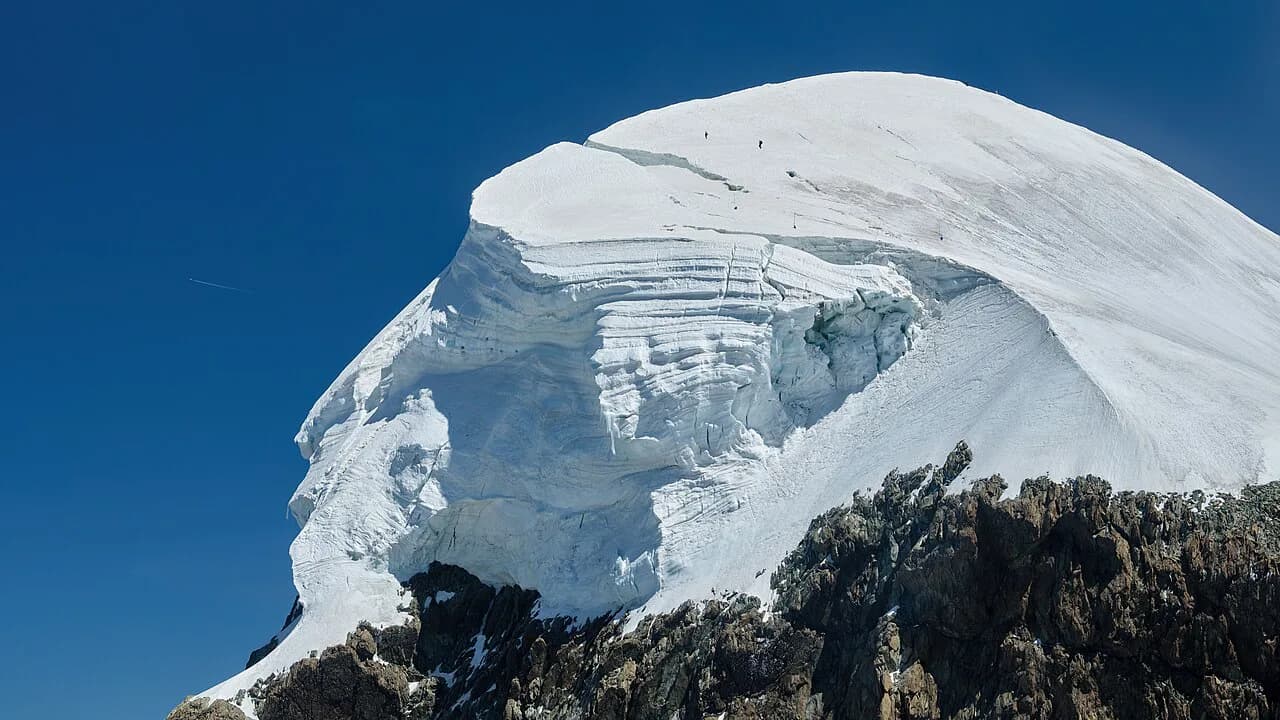
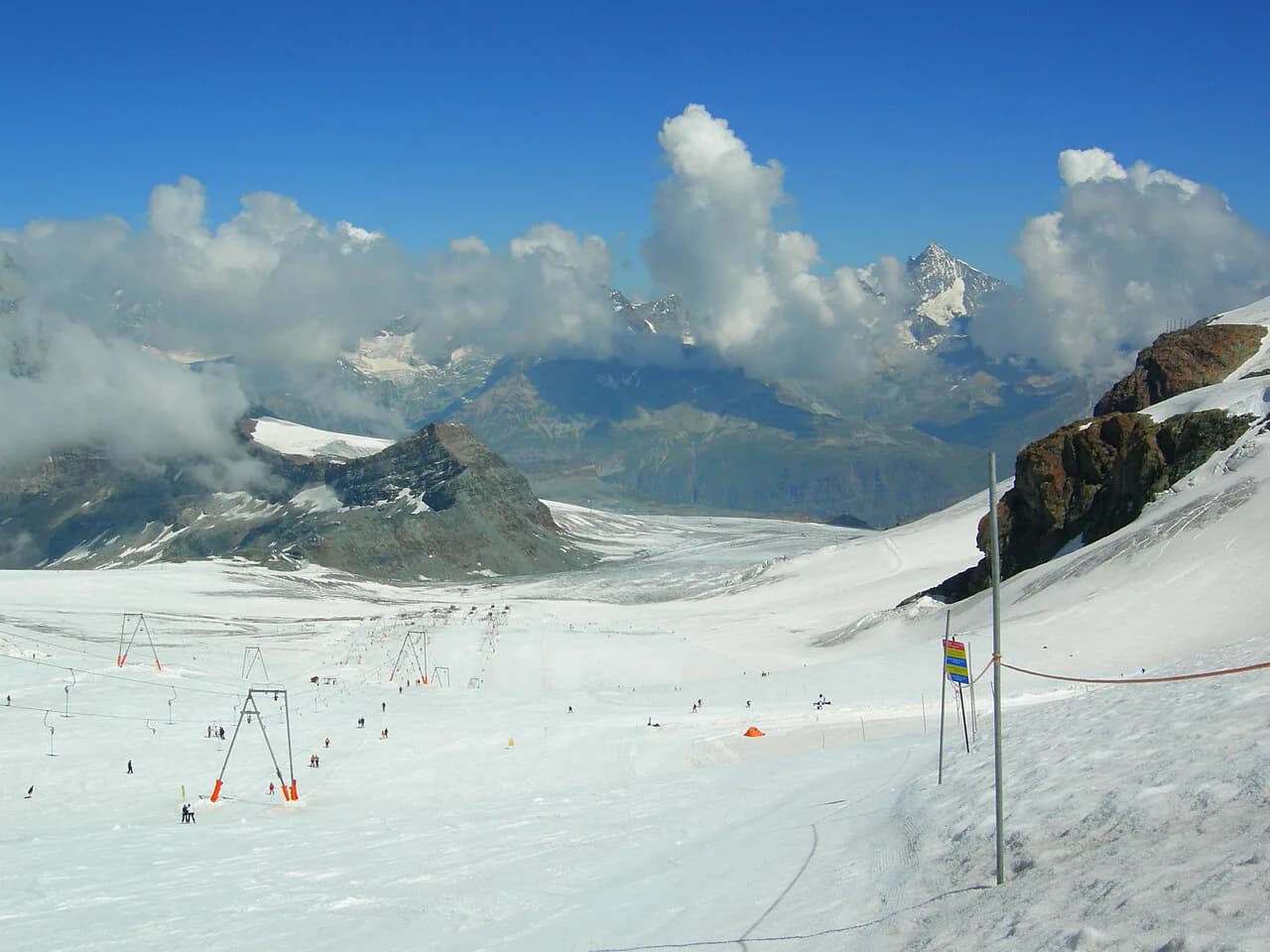
Matterhorn Glacier Paradise sits at 3,883 meters on the Klein Matterhorn, the highest cable car station in Europe, reached by a chain of gondolas through Furi, Schwarzsee and Trockener Steg. At the top, an elevator takes you to a viewing platform with a 360-degree panorama; on a clear day you can see Mont Blanc in France and peaks in Italy. Glacier Palace, an ice cave under the Theodul Glacier, is inside the summit building.
The round trip costs CHF 132 in the July 1 to August 31 summer season, with lower prices the rest of the year. The altitude is real: temperatures at the summit feel like winter even in August, so pack a warm layer and gloves. This is the excursion to choose if you want the highest possible viewpoint rather than the classic Matterhorn silhouette.
On the way down, the Matterhorn Glacier Trail runs point-to-point from Trockener Steg to Schwarzsee, roughly six to seven kilometers of mostly downhill walking through a rocky, lake-dotted landscape with the Matterhorn in front of you the whole time. At Schwarzsee there is a small lake, a chapel and the Zermatt sign where many visitors stop for a photo. Ride the gondola down from Schwarzsee when you finish.
Rothorn and Sunnegga: the quieter side
The Sunnegga funicular starts next to the Vispa River and reaches the Sunnegga viewpoint in about eight minutes. From there a gondola continues to Blauherd, and a cable car climbs to Rothorn, one of the widest panoramas in the area. In the July 1 to August 31 summer window, Sunnegga costs CHF 31 return and Rothorn CHF 85 return; a single ticket is CHF 21 and CHF 55 respectively, and prices dip outside those months.
A return Rothorn ticket lets you combine Sunnegga, the Rothorn summit and the walk to Stellisee in about three hours. The Sunnegga funicular closes for maintenance twice a year, generally early May to mid-June and early October to mid-November, and the top cable car section to Rothorn only opens from the end of June through early October. Check the official timetable before building a day around Rothorn.
If your dates fall early in the season, compare them against what actually runs in Zermatt in June before you commit to a Rothorn day. In the shoulder weeks the funicular and upper cable car may simply not be operating, which is why the Sunnegga and Rothorn windows matter more than the calendar month.
Which peak to pick on one clear day
If you have one clear day and want the iconic Matterhorn view plus a walk, choose Gornergrat. You get the train ride, the summit terraces, the glacier, and the option of an easy downhill hike, all for CHF 108 in summer. It is the best all-rounder and the one most first-time visitors should book.
If you want altitude and the thrill of standing at Europe's highest cable car station, choose Matterhorn Glacier Paradise, and accept the CHF 132 price and the cold. If you want a quieter panorama at lower cost and fewer crowds, choose Rothorn. Buying all three is the fastest way to blow a Zermatt budget; one big excursion plus a village day is a better use of money.
Short walks worth the time
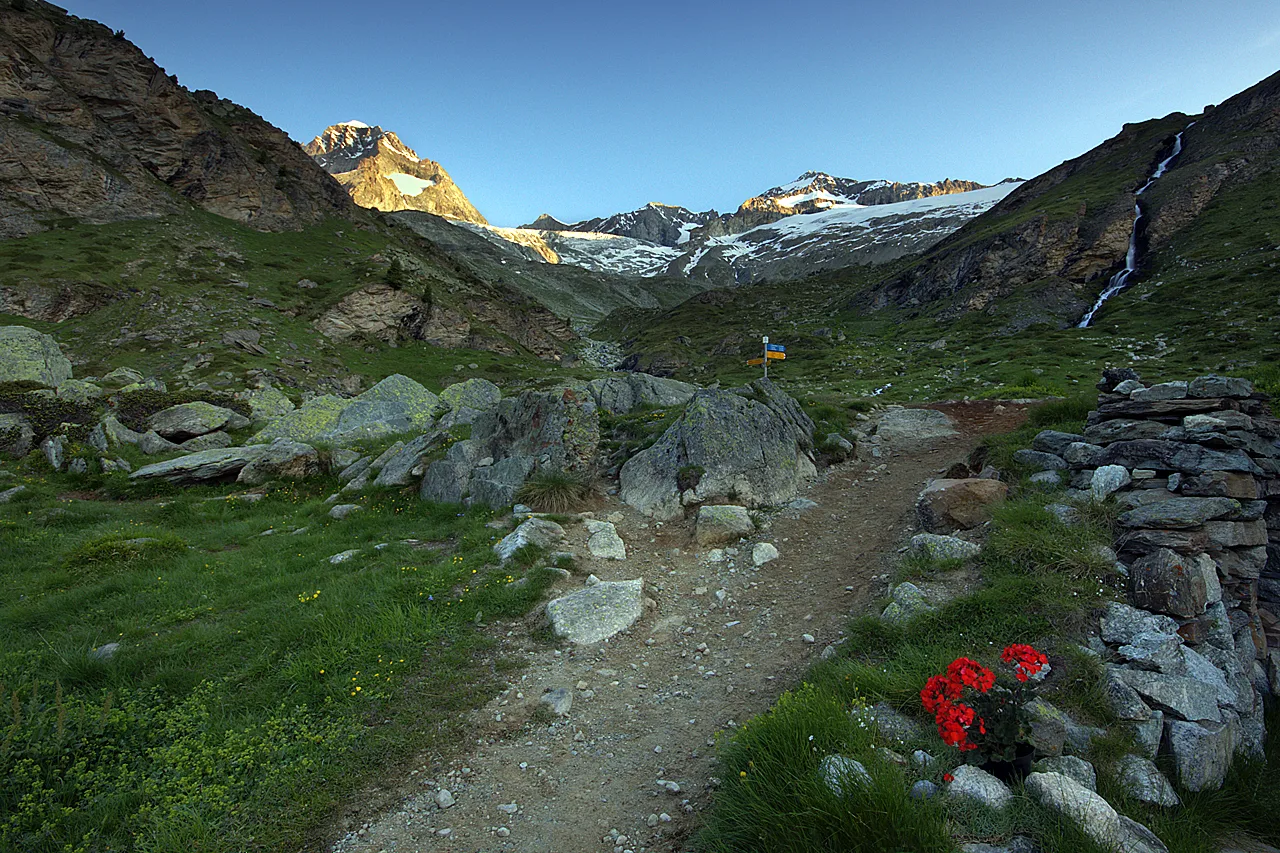
The walk from Blauherd to Stellisee and back is the one to prioritize: about three kilometers and an hour, with the Matterhorn reflected in the lake on a calm day. The full Five Lakes Trail runs around 9.8 kilometers and takes about three hours; after Stellisee the scenery becomes monotonous gravel road, and many walkers wonder why they bothered with the rest. Turn around at the lake.
Near Furi, a short trail leads to the Hängebrücke, a suspension bridge with views back to the village; it is about 15 minutes from the gondola station. Do not confuse it with the much longer Charles Kuonen Suspension Bridge, which is not in Zermatt. The Gorner Gorge itself is another short walk close to the village.
Village sights that cost nothing
Behind the Parish Church of St. Mauritius sits the Mountaineer's Cemetery, a small plot with the graves of roughly 50 climbers who died on the Matterhorn, Monte Rosa and neighboring peaks. It is always open and free to visit. It is a quiet, sobering stop between lift rides.
For context on the mountain's climbing history, the Matterhorn Museum – Zermatlantis in the village center covers the first ascent and the old village in an underground reconstruction. For a different side of Zermatt, the Zmutt valley walk leaves from the village edge and reaches the hamlet of Zmutt in about an hour each way, with the Matterhorn in view and no lift ticket needed.
What summer costs add up to
Add up the big three and Zermatt's lifts are the main expense: CHF 108 for the Gornergrat day with the Riffelberg return, CHF 132 for Matterhorn Glacier Paradise, and CHF 85 for Rothorn with Sunnegga, all at July and August prices from the cited sources. Two mountain days plus a village day is a realistic budget for a short stay. Peak Pass, Peak2Peak Pass and the Swiss Travel Pass can change the math, so compare what each covers against your actual plans before buying.
The Gornergrat Bahn and the Matterhorn Glacier Paradise have their own official sites with current prices and timetables, and the value of a pass depends on which lifts you ride and how many days you stay. Do that comparison before you arrive rather than at the ticket window.
Timing your days around the clouds
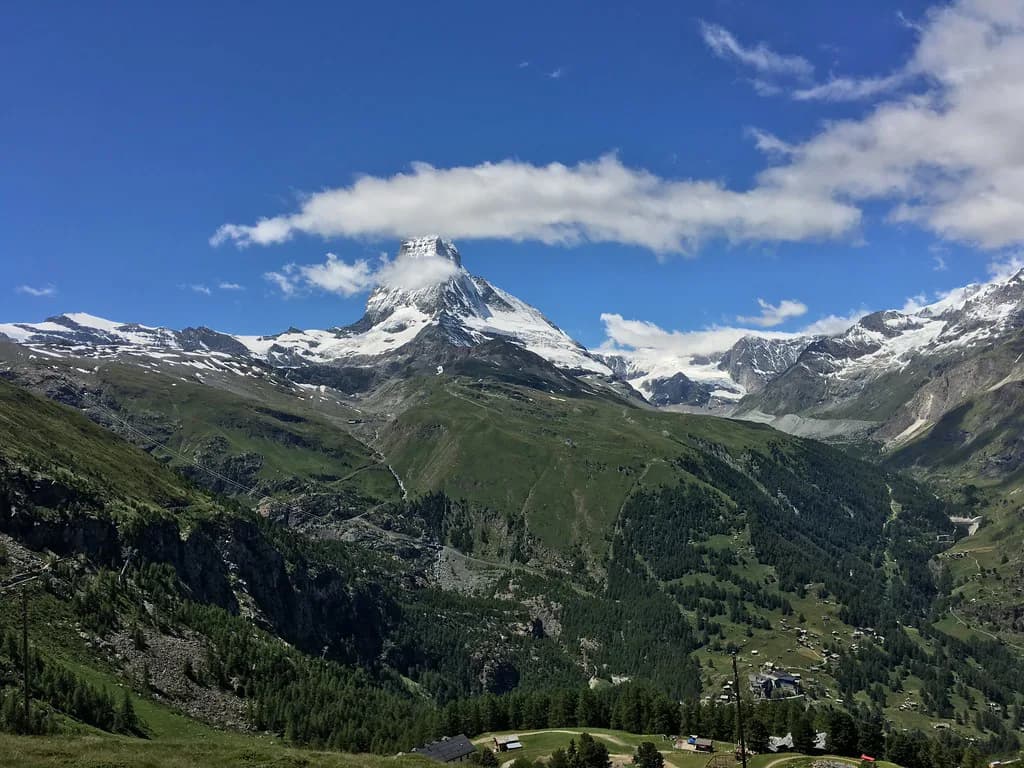
Matterhorn views are clearest in the morning, before afternoon clouds build and hide the peak; the Kirchbrücke selfie is best taken early for the same reason. Plan summit excursions for the first half of the day and keep the afternoon for the village or a lake walk.
Weather in the mountains changes quickly, and the difference between a clear July morning and a cloudy August afternoon is what shapes a trip. The best time to visit Zermatt sets out seasonal patterns and how the shoulder months compare to peak summer.
Getting around and saving a little
Zermatt is car-free, and the free e-buses are included with a lift pass, which matters when you are walking between the Gornergrat station and the Glacier Paradise gondola. The Sunnegga funicular station sits by the Vispa River, a short walk from the center.
For a sense of how Zermatt shifts month by month, a summer visit in July is the busiest and warmest month, while an August trip brings slightly shorter days and more afternoon cloud. Autumn and late spring come with fewer lifts running but lower prices.
Plan Your Visit
Split two or three summer days like this: one big lift day, one village day with the cemetery and a short walk, and one flexible day depending on the clouds. Book the peak you most want in the morning and keep the lifts for later in the week as a fallback. Check current lift timetables and prices before you go.
Explore more Zermatt guides
Frequently Asked Questions
What are some fun summer activities in Zermatt?
Riding the Gornergrat Bahn to the summit and walking down to Riffelberg, taking the gondolas to Matterhorn Glacier Paradise and its viewing platform, and riding the Sunnegga funicular for the walk to Stellisee are the core experiences. In the village, Hinterdorfstrasse, the Kirchbrücke Matterhorn view and the Mountaineer's Cemetery fill a half day.
Is the Five Lakes hike in Zermatt difficult?
The full Five Lakes Trail is about 9.8 kilometers and takes around three hours, and the scenery after Stellisee is largely gravel road. Most visitors are better off walking from Blauherd to Stellisee and back, roughly three kilometers and an hour, which gives you the best lake reflection of the Matterhorn.
Is Zermatt worth visiting in summer?
Yes, if you want high alpine views and easy walks rather than skiing. The lifts run through the summer and give access to the Matterhorn, the Gorner Glacier and the lakes, but the lift tickets are the biggest cost and the weather can close views in the afternoon.
How many days do you need in Zermatt in summer?
Two full days cover one major lift excursion and a village day; three days let you add a second peak. If the clouds close in on your first day, having a third day gives you a buffer to try again.
How much do the Zermatt cable cars and trains cost in summer?
At July and August prices, the Gornergrat day with the Riffelberg return is CHF 108, Matterhorn Glacier Paradise is CHF 132 round trip, Sunnegga is CHF 31 return and Rothorn is CHF 85 return. Prices are lower outside those two months, so check the official sites before you buy.
When are the Matterhorn views clearest?
Mornings are generally clearest, before clouds build in the afternoon and hide the peak. Plan summit trips and the Kirchbrücke photo early in the day, and keep afternoons for lower walks.
Sources
Notes for your Swiss city break
Optional updates to our Swiss city guides.
You might also like
Continue reading
More guides you'll find useful