Zermatt in August: Summer Weather, Crowds and What's Open
Plan Zermatt in August with a realistic look at summer weather, peak-season crowds, open lifts and a three-day mountain plan in Swiss francs.
On this page
Zermatt in August is summer at full volume: green valley floors, the Matterhorn in clear view on a good morning, and the cog railway and gondolas carrying walkers rather than skiers. It is also the busiest month of the summer, so the difference between a great day and a frustrating one usually comes down to timing. Go up early, plan the big viewpoint for a clear morning and keep an indoor or village option for the afternoon build-up.
This guide is about the village and the surrounding lifts and trails in August, not a ski plan. It sets out what a typical August day feels like, what is running, what things cost in Swiss francs, and a realistic three-day structure built around Gornergrat, the Five-Lakes walk and a short hamlet loop.
What August in Zermatt is actually like
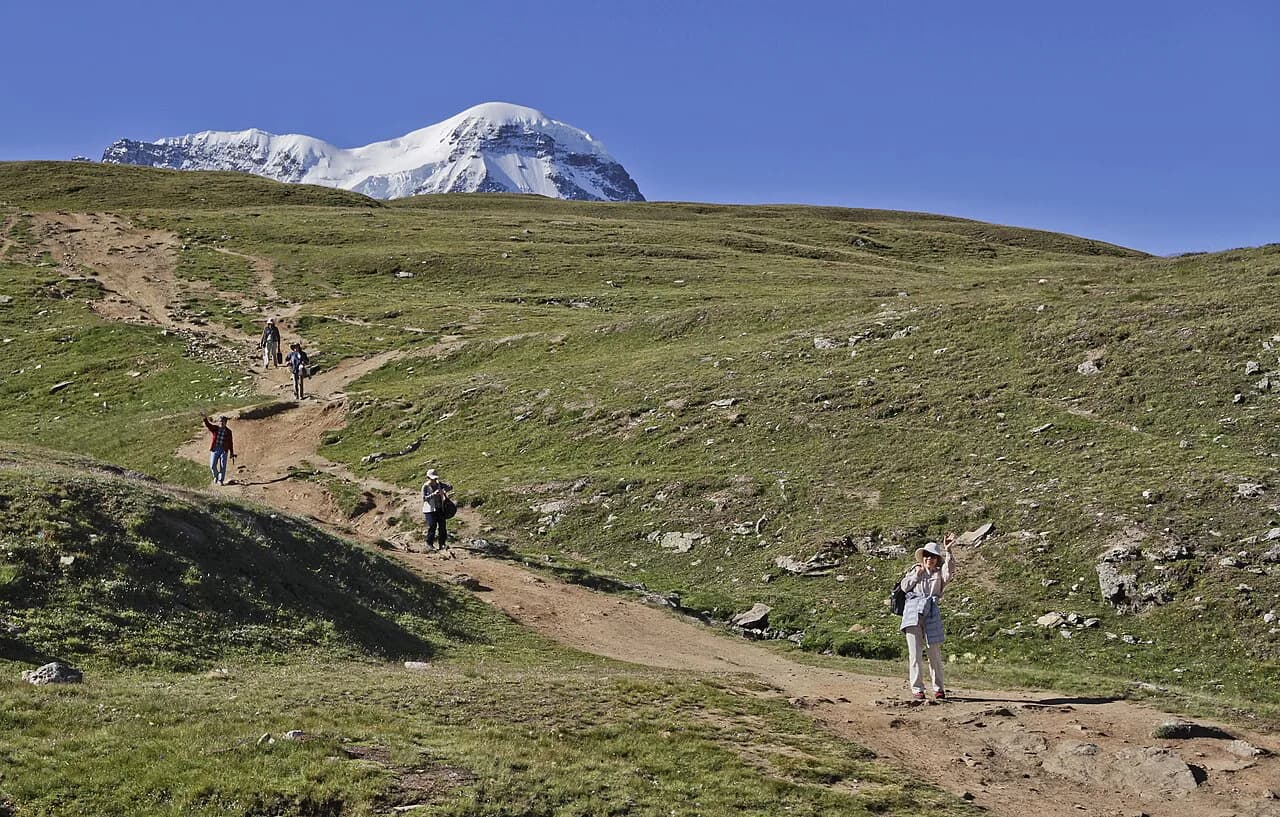
August sits in the middle of the summer season, when the lower slopes are green and the trails around the village are fully walkable. The official Zermatt destination describes the area as a natural paradise in every season, with a variety of hiking trails at different levels of difficulty, which matches what August delivers: short valley strolls and longer high routes in the same trip.
The trade-off is that everything above the village is still high alpine. Gornergrat tops out at around 3,100 m and the Five-Lakes walk starts at Blauherd, so a warm morning in the village can mean a cold wind and fast-moving cloud up top. Treat the village and the mountain as two different climates on the same day and dress for both.
Weather: what a typical August day feels like
Expect warm, comfortable mornings in the village and noticeably cooler air the moment you gain altitude. In the mountains the clearest skies usually come early, before clouds rise from the valleys below, which is the single strongest argument for taking the first practical lift up rather than a midday one.
Sun is the other August factor. Zermatt sits high and clear of city smog, so the sun can feel much more intense than the temperature suggests, and precautions matter even on a cool day.
Crowds: how August compares to the rest of summer
August is peak season, and it shows most clearly on the Gornergrat railway, at the Sunnegga and Blauherd gondolas and in the village between mid-morning and late afternoon. The smartest move is to ride up with the early crowd and then walk away from it: the trails empty out within a few hundred meters of any station.
If your dates are flexible, the last days of August tend to feel calmer than the first half of the month as European school holidays wind down. That is a general seasonal pattern rather than a published figure, so it is worth checking your exact dates against the best time to visit guidance before booking. For a fuller picture of how August compares with the shoulder months, the Zermatt in September guide covers the drop-off in crowds.
What is open: railways, gondolas and mountain restaurants
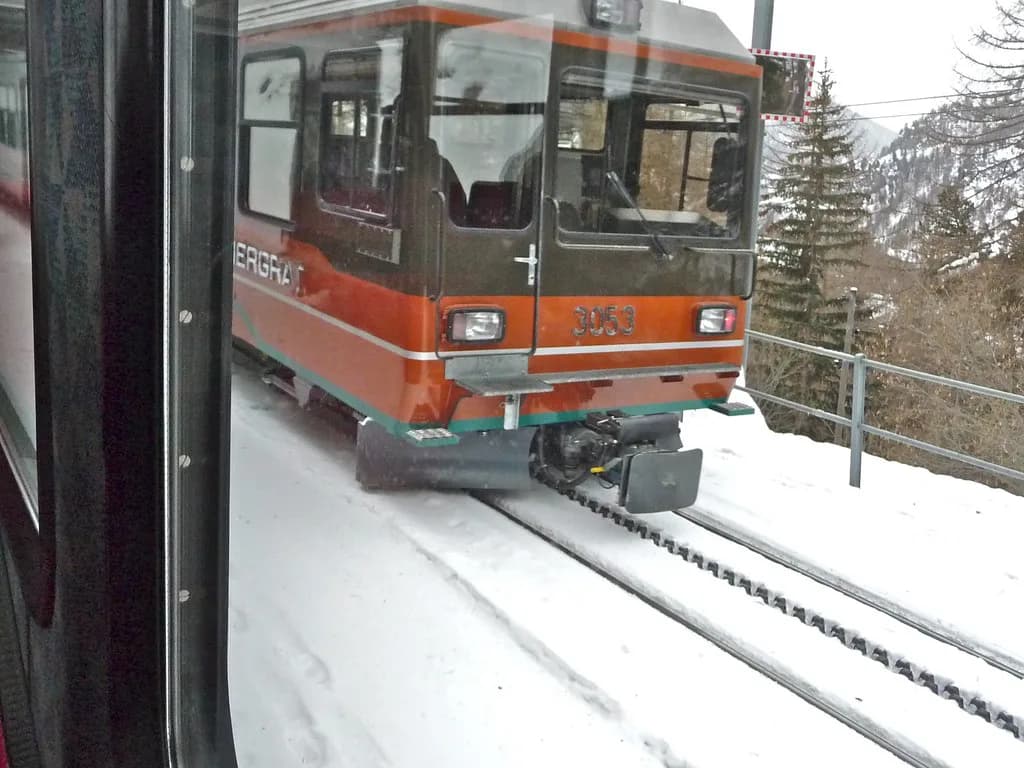
The core summer lift system is running in August. The Gornergrat Bahn climbs from Zermatt to the Gornergrat ridge in roughly 30 minutes and is the classic no-hiking viewpoint, while the gondolas toward Sunnegga, Blauherd and Furi serve the walking trails and the mountain hamlets.
Mountain restaurants around the trails generally open for the summer season, including terrace spots overlooking the Matterhorn and the chalets in the hamlets. Individual closing days and end-of-season dates vary, so look up the opening days for the specific hut when you plan the trip instead of expecting it to be open every day of August.
What it costs: a rough budget in Swiss francs
Budget for the lifts as the main line item, then add spa or sports extras if you want a rest day. The one-way gondola from Zermatt up to Furi is CHF 10.50, which is the cheapest way to start the hamlet walk described below.
For a non-hiking day out, two spa day passes are a useful comparison: CHF 50 at Hotel Coeurs Des Alpes and CHF 85 at the CERVO Mountain Ashram Spa. These figures come from a summer guide and should be treated as indicative rather than a locked August price.
If you want an active afternoon, the public tennis courts in the village rent for CHF 22 per hour, with racket rental at CHF 5 for the day, booked through the Sportspavilion. Gornergrat fares are the one figure most travelers want and the one least suited to quoting in advance: check the railway's own fare page when you buy, and compare it against a rail pass if you plan several mountain days.
Day 1: Gornergrat in the morning, village in the afternoon
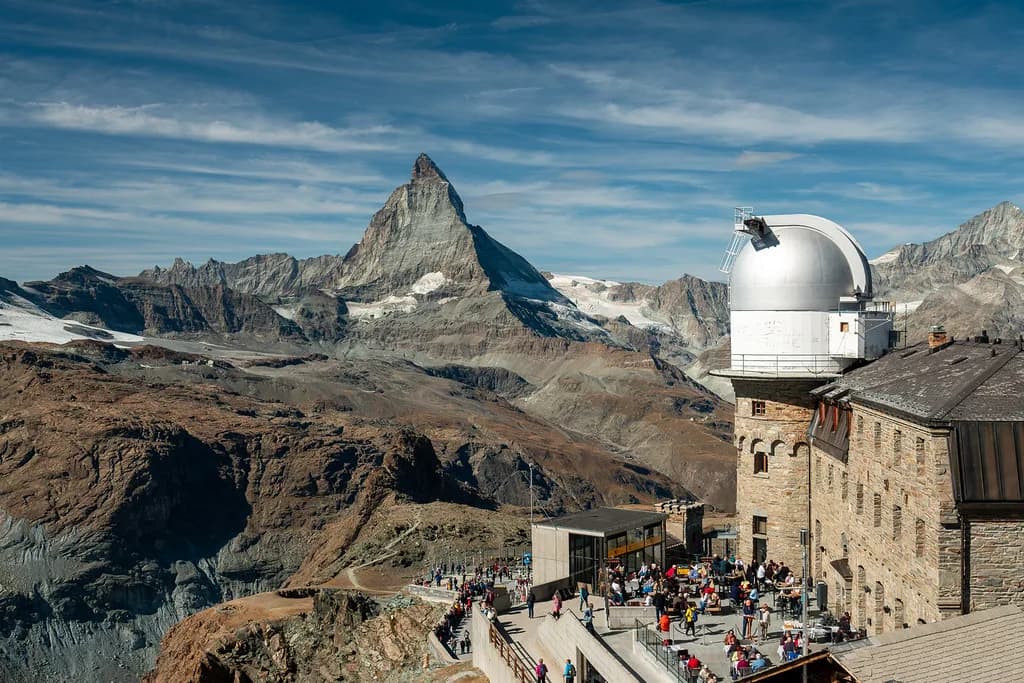
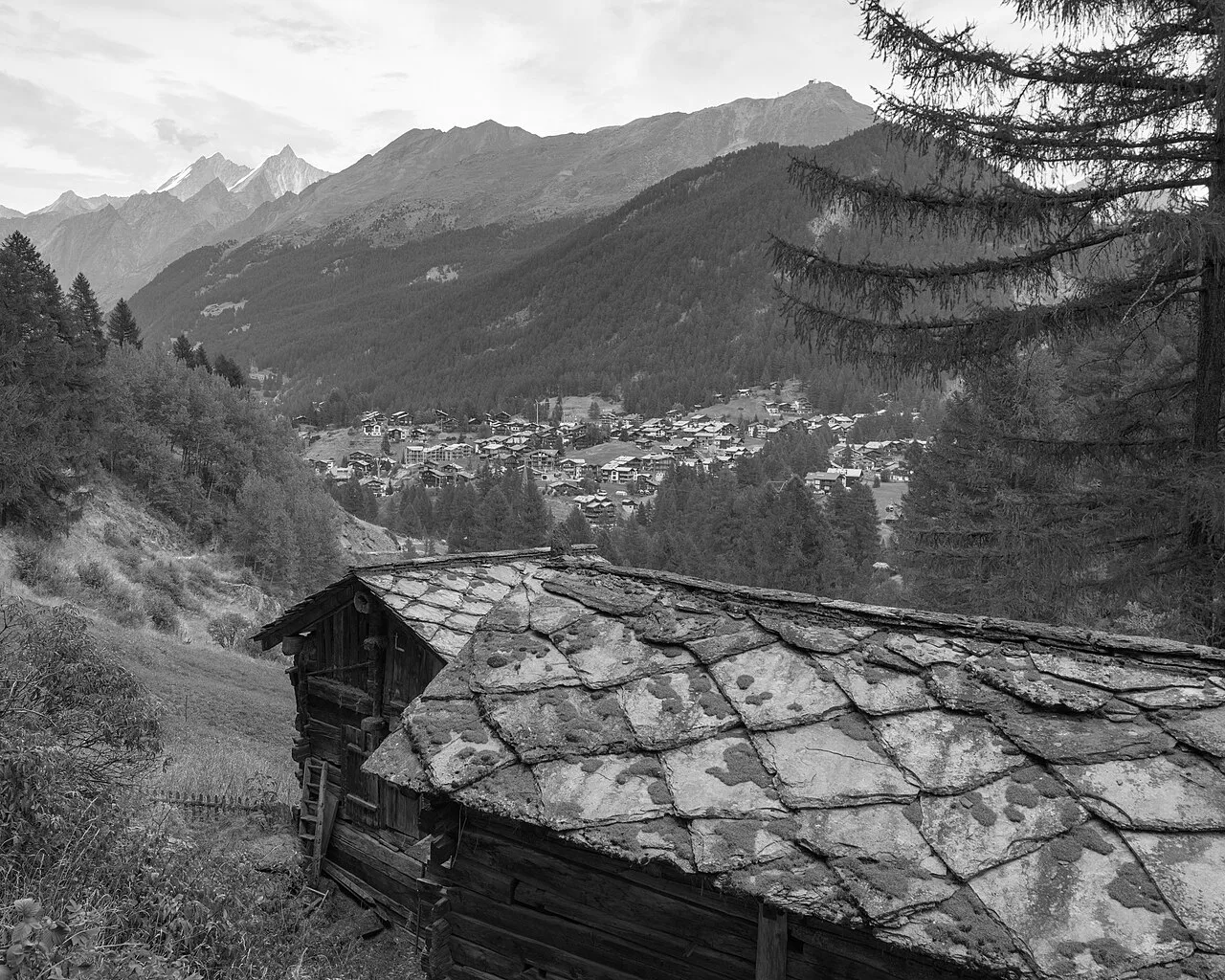
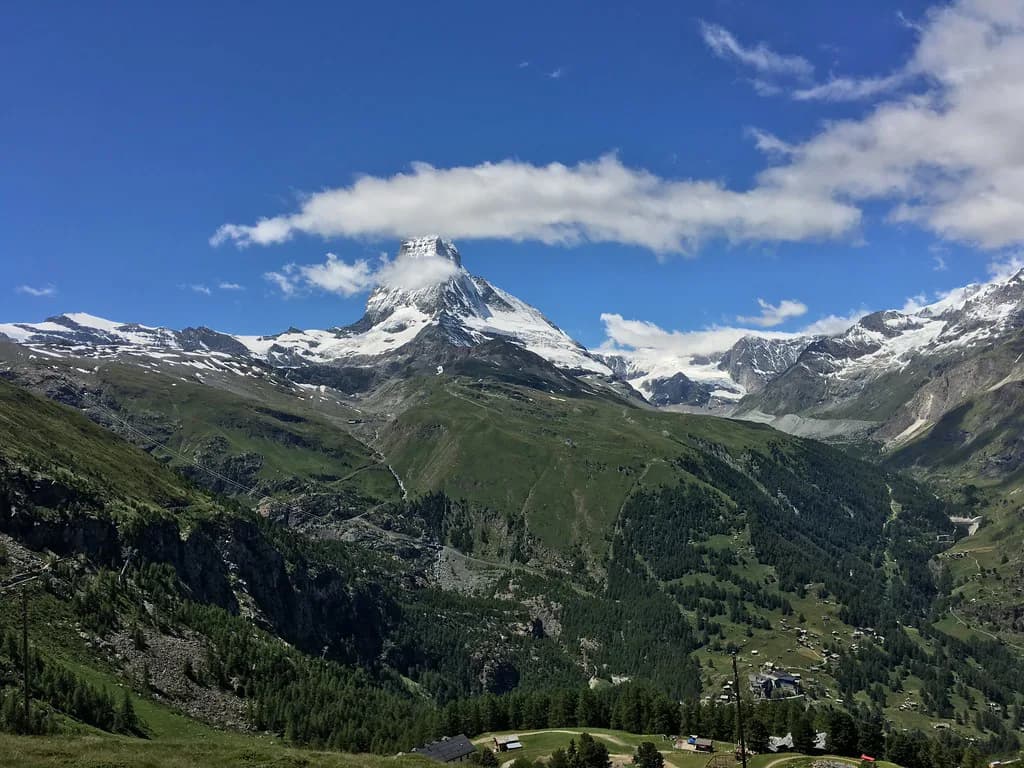
Ride the Gornergrat Bahn up early on your first clear morning. The summit terrace gives you the Matterhorn and a ring of snow-covered peaks without any hiking, and you can take a hot drink on the restaurant terrace before the cloud builds. If the forecast is doubtful, skip it and swap the day; a cloudy Gornergrat is an expensive way to see fog.
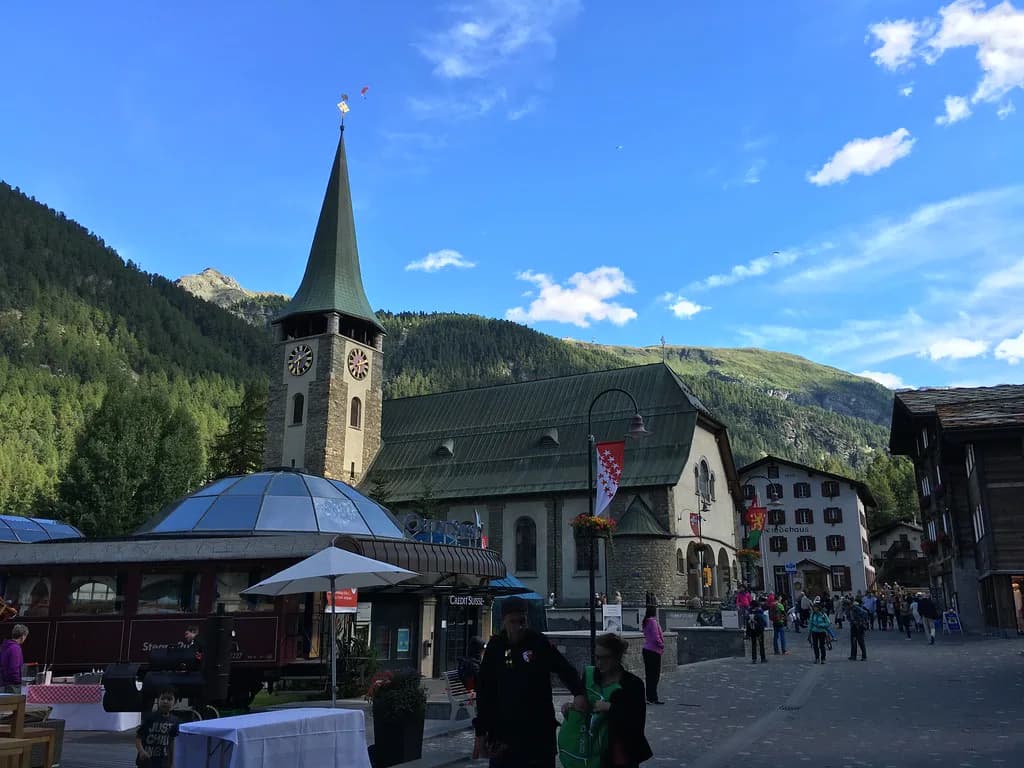
Come down around lunchtime and spend the afternoon in the village at walking pace. Keeping the first day light also helps you adjust to the altitude before you commit to a longer trail.
Day 2: the Five-Lakes walk and Lake Leisee
The 5-Seenweg is the signature August walk: about 9.8 km, rated moderate and mostly downhill, taking roughly 2.5 hours from Blauherd down to Sunnegga past five lakes. The Matterhorn reflects in three of them, and Lake Leisee at the end is the natural place to stop.
If you want a longer day, add the side route to Fluealp for quieter lakes and a picnic spot with a clean view of the Matterhorn. Start early enough that you are off the high section before afternoon cloud rolls in. For a sense of how the same trail behaves earlier in the season, the Zermatt in June guide is a useful comparison.
Day 3: a short hamlet loop through Z'mutt, Zum See and Blatten
The gentlest full day is the hamlet walk: gondola to Furi, then a 5.5 km route with about 144 m of ascent and 372 m of descent through Z'mutt, Zum See and Blatten, finishing with a 22-minute downhill walk into Zermatt. It takes around 1.5 hours of walking, with stops for coffee and lunch stretching it into a relaxed day.
This is the best option for a mixed-ability group, because the trail is short, the villages are close together and anyone tired can shorten it. It is also the day to fall back on if the high mountain is socked in, since the route stays lower and more sheltered. The Zermatt in July guide covers the same trails in the preceding month.
Views without hiking: the terrace and the Riffelsee reflection
Two viewpoint options need almost no walking. The Gornergrat terrace is reachable entirely by train, and the Riffelsee reflection is a short descent of about 15 minutes from the Rotenboden railway station. Together they give you the classic Matterhorn images without committing to a full trail day.
The Riffelsee route then continues down to Riffelalp, a 5.9 km walk with around 607 m of descent, and you can ride the cog railway back to Zermatt from there. If you only have energy for one, do the lake in the morning for the calmest water.
Rain and cloud days in the village
When the peaks disappear, the village still works. Use the day for the lower hamlet walk, a spa pass or the tennis courts, all of which are less weather-dependent than a high trail. Keep one flexible day in your plan so you can move Gornergrat to the clearest morning rather than losing it to cloud.
For a look at how the season changes on either side of August, the Zermatt in May and Zermatt in October guides show what opens and closes at the edges of summer.
Packing and altitude notes for August
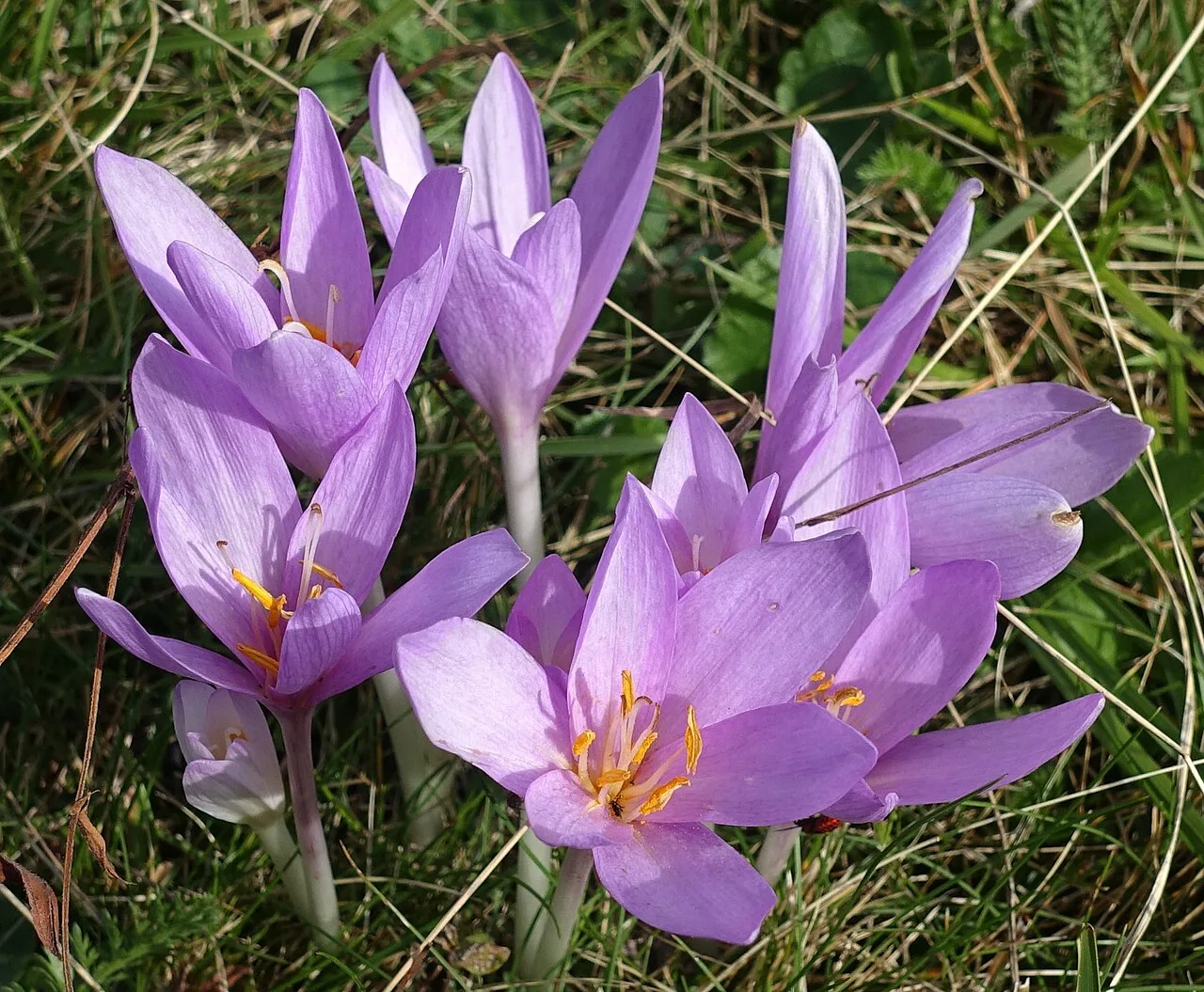
Pack for two climates: light layers and strong sun protection for the valley, a warm mid-layer, windproof shell and sturdy shoes for anything above the tree line. The Five-Lakes and Riffelsee walks are rated moderate and mostly downhill, but downhill at altitude still works your legs, so poles help.
Give yourself a gentle first afternoon to adjust before a high day, and drink more than you would at home. Sunscreen, a hat and sunglasses are not optional at this altitude even when the valley feels mild.
How many days Zermatt needs in August
Three full days covers the essentials comfortably: one for Gornergrat and the village, one for the Five-Lakes walk and one for the hamlet loop or a rest day. Two days works if you pick either Gornergrat or the Five-Lakes walk and skip the third. Four or more days lets you add a second high viewpoint and keep a weather buffer.
Because August weather can turn, the extra day is often better spent as flexibility than as another booked activity. For the wider picture of Zermatt's attractions and how they fit together, see the Zermatt Attractions guide.
Who August suits and who should pick another month
August suits travelers who want the full summer mountain experience, with all the classic walks open and long daylight for slow days. It is less ideal if you dislike crowds or want lower prices, in which case late August or September is the better trade. If you are weighing August against the shoulder months, compare it with the Zermatt in April guide, where the mountain is still in a very different mode.
Plan Your August Trip
Zermatt in August rewards early starts and a loose plan. Book the high viewpoint for the clearest morning, use the hamlet walk for a mixed-ability day, and keep one flexible day for weather. The lifts and trails do the rest.
Check current fares, lift operating dates and mountain restaurant opening days directly with the lift companies and restaurants before you travel, since the Swiss franc figures here are indicative. For a different Swiss city break in the same month, Basel in August makes a useful contrast, and our Basel in August guide covers what to expect there.
Explore more Zermatt guides
Frequently Asked Questions
What is Zermatt like in August?
August is peak summer: the lower slopes are green, the walking trails are open and the Gornergrat railway and gondolas run in summer mode. The village is busy, so plan the high mountain for a clear morning and keep the afternoon flexible.
What is the weather like in Zermatt in August?
Expect warm mornings in the village and much cooler air at altitude, with cloud often building over the peaks by afternoon. The sun is intense at this height, so bring protection even on a mild day.
Is August a good time to visit Zermatt?
It is a strong month for walking and mountain views, but it is also the busiest part of summer. If you want fewer crowds, late August and September are calmer.
What can you do in Zermatt in August without skiing?
Ride the Gornergrat railway to the terrace, walk the Five-Lakes route from Blauherd to Sunnegga, or take the short hamlet loop through Z'mutt, Zum See and Blatten. The tennis courts and spa passes offer lower-altitude alternatives.
How many days do you need in Zermatt in summer?
Three full days covers Gornergrat, the Five-Lakes walk and a hamlet day comfortably. Two days works if you choose one high viewpoint, and four gives you a weather buffer.
Is the Five-Lakes walk doable in August?
Yes. The 5-Seenweg is rated moderate and mostly downhill, taking about 2.5 hours over roughly 9.8 km. Start early to avoid afternoon cloud on the high section.
Sources
Notes for your Swiss city break
Optional updates to our Swiss city guides.
You might also like
Continue reading
More guides you'll find useful