Zermatt in April: Spring Skiing, Weather and What's Open
Zermatt in April brings mild village afternoons and firm snow up high. See typical temperatures, what stays open, and how to plan a spring day.
On this page
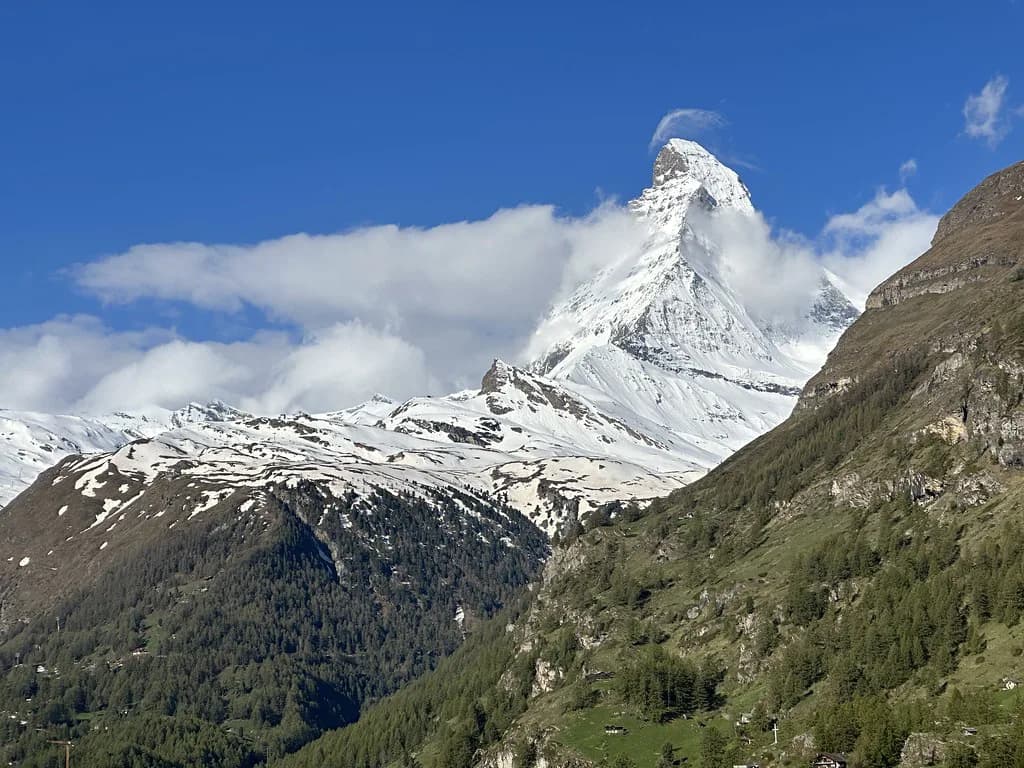
April in Zermatt is a two-layer trip: the village at roughly 1,600 m runs mild and sunny in the afternoons, while the mountain above stays cold enough for serious skiing. Typical April averages sit near 10°C by day and -1°C at night in town, which means a terrace lunch and a windproof shell can belong to the same afternoon.
The trade-off is seasonal change rather than crowds. Snow holds well up high and softens on lower pistes after lunch, so skiers who start early and chase altitude get the best of the month. This is also shoulder season, not summer hiking weather, so treat the mountain as the main event and the village as the warm-up. If you are weighing months, the wider picture of the best time to visit Zermatt helps you compare April with the height of winter and the start of summer. If you are weighing destinations as well, Zürich in April shows how a lower-altitude city handles the same shoulder-season month.
April in Zermatt at a glance: spring in the village, winter on the mountain
Plan for three climates in one day. Downtown Zermatt averages about 10°C in the afternoon with nights around -1°C, Sunnegga at roughly 2,288 m averages around 7°C by day, and the Gornergrat at about 3,100 m typically sits between -8°C and -2°C. Klein Matterhorn above 3,800 m runs colder still, around -7°C to -13°C before wind chill, and the glacier's year-round snow is why that sector lasts longest each spring.
These are long-term climate averages for the month, not a forecast for your dates. Daylight is the pleasant surprise: April stretches from roughly 12 hours 48 minutes on the first to about 14 hours 18 minutes on the last, which leaves room for a late lunch and an evening stroll after the lifts close.
Rain is modest in the averages, about 40 mm spread over roughly six days, while fresh snow in the village amounts to around 27 cm over about four days. Expect crisp mornings, occasional wet snow or slush in town after lunch, and a mountain that still behaves like winter well above the tree line.
What April weather feels like at 1,600 m, at Sunnegga, and on the Gornergrat
In the village, dressing is a peel-on, peel-off exercise. Sun in a sheltered corner feels like early summer, but shade and a breeze bring you straight back to alpine spring, so pack layers you can shed without hauling a bag around.
Sunnegga is the sunshine deck of the resort and often feels warmer than its average suggests, ranging from shirt-sleeve comfort in the sun to a thin jacket when cloud passes. It is the natural stop for mixed groups, since walkers and skiers can meet there at lunch.
The Gornergrat and the glacier are a different assignment. Expect windproof outer layers, warm mid-layers and decent gloves even when the village is mild, and know that wind can suspend high lifts on an otherwise fine day. Check the official lift status in the morning before committing to a route, and again around midday, so a wind hold costs you an hour rather than the whole day.
Why mornings are firm and afternoons soft, and how to ski around it
April snow follows a predictable freeze-thaw rhythm. First lifts ride over hard, grippy snow that froze overnight, the sun softens things by late morning, and lower, south-facing pistes turn to spring slush by mid-afternoon. The smart pattern is simple: ski high and early, then move down as the snow softens.
Treat the midday pause as part of the plan rather than a lost hour. A long terrace lunch on a Findeln or Sunnegga slope is exactly what April skiing is for, and heading back out for one late run in soft snow is a pleasure rather than a chore.
Wind is the wildcard. High lifts and the cross-border links can stop even in blue-sky weather, so build one flexible day into the trip and decide its shape over breakfast based on conditions. That approach protects you from the classic mistake of booking a single must-do route on a day the mountain has other ideas.
Ski areas by what kind of day you want
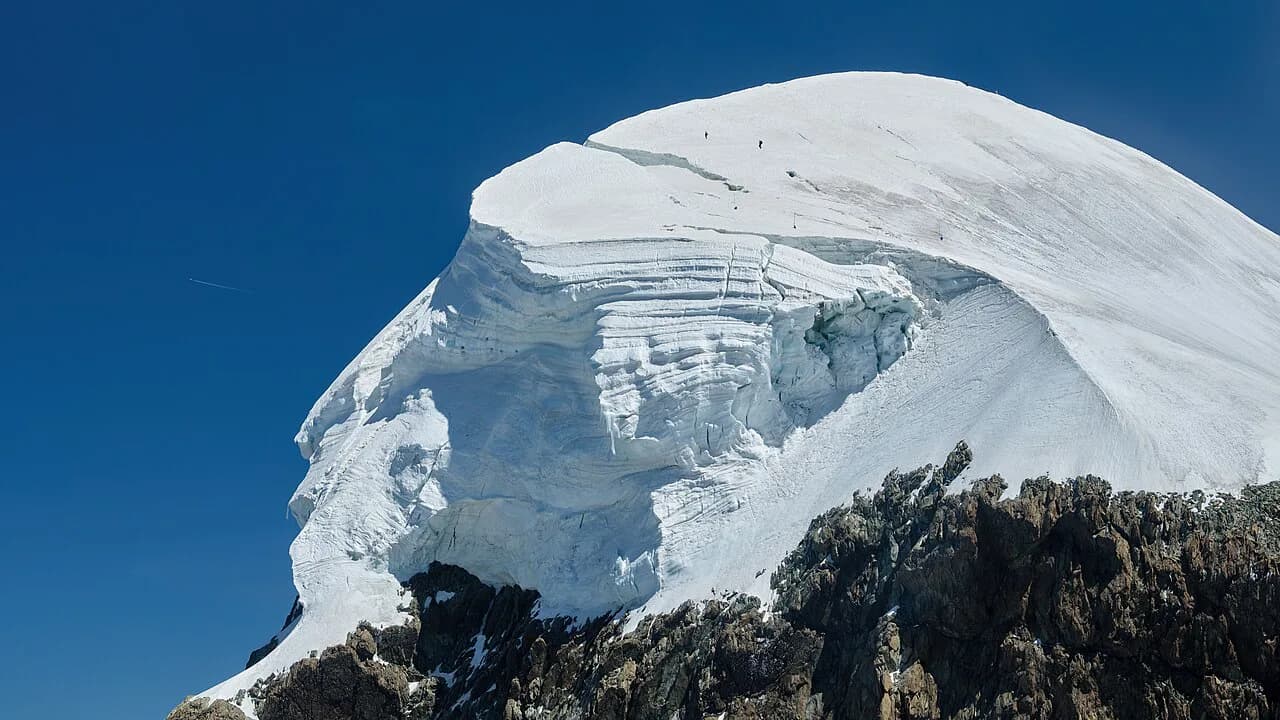
For the most dependable snow in April, head to the high Trockener Steg sector below the Matterhorn Glacier Paradise lifts. This high, cold zone holds winter quality while lower areas soften, and the Furggsattel chair above Trockener Steg is the pick for repeat laps. It is also the sector that keeps skiing going longest, with year-round glacier skiing available.
Gornergrat is the scenic ski day: big views, satisfying intermediate runs, and a backdrop that invites constant photo stops. It works best on clear-visibility days; later in April, start higher because the lower sections soften faster once the sun is on them.
Sunnegga and Rothorn are the sunshine favorites and can be superb early in the month, but this sector is among the first to wind down as the season ends. If Rothorn is on your list, ski it early in the trip and in the morning. A cross-border day into Cervinia and Valtournenche is possible when the high links run, but it depends entirely on wind and visibility, so check status on the day.
When the season winds down: late-April closures and why altitude matters
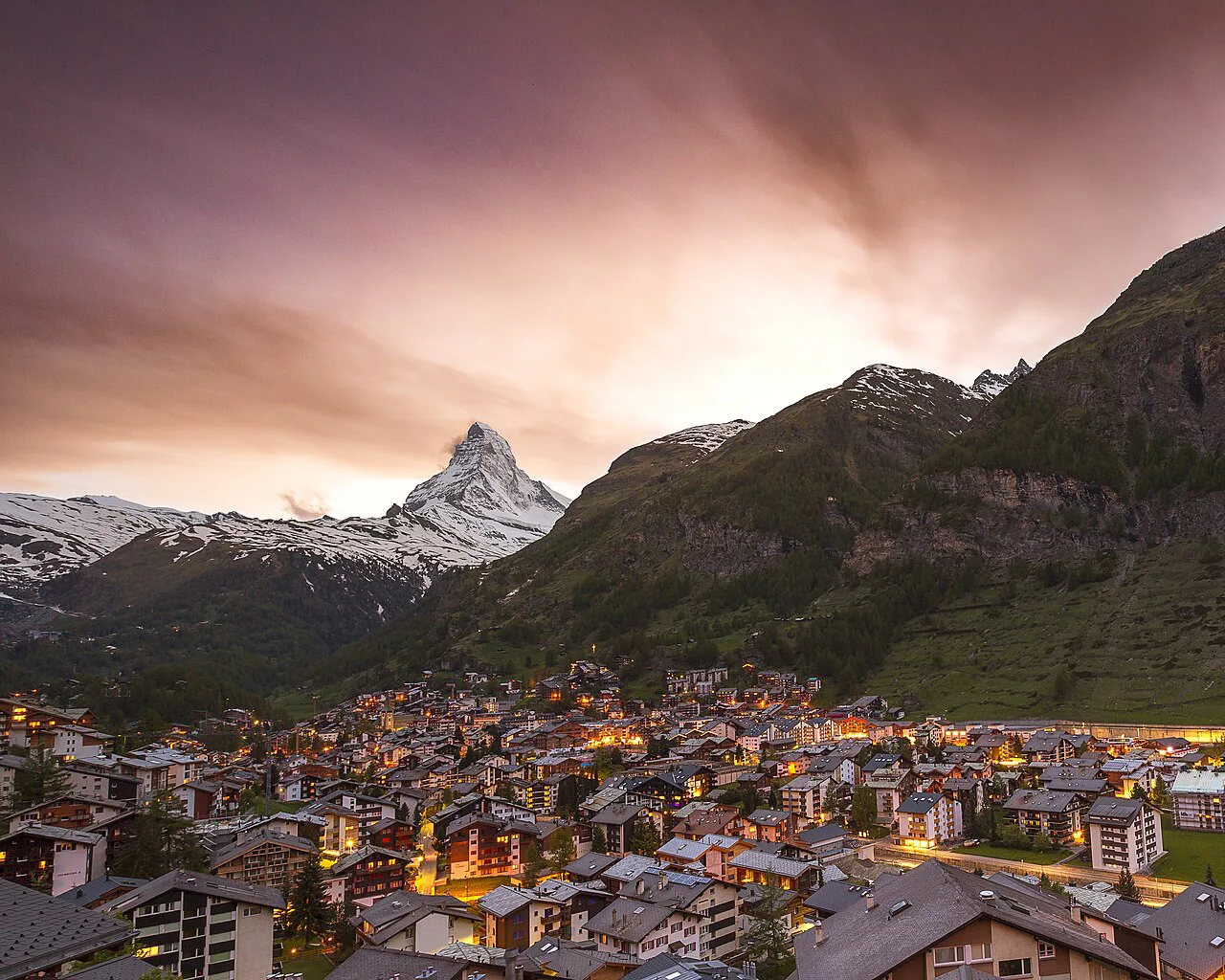
Season dates decide the shape of late April. For the 2025/26 winter, the resort-wide season ran to 3 May 2026, but the Sunnegga/Rothorn and Gornergrat sectors closed earlier, around 20 April 2026. Those dates are history now, and lift companies publish the next season's schedule closer to winter.
The lesson carries over to any April. Early in the month most of the ski map is in play; by late April you lean on the high glacier sector, which is why altitude rather than calendar date decides your day. If you are checking what stays open once the snowline retreats, zermatt in may shows how quickly the mountain switches from ski terrain to walking country.
Non-skiers: Gornergrat Railway and Matterhorn Glacier Paradise viewpoints
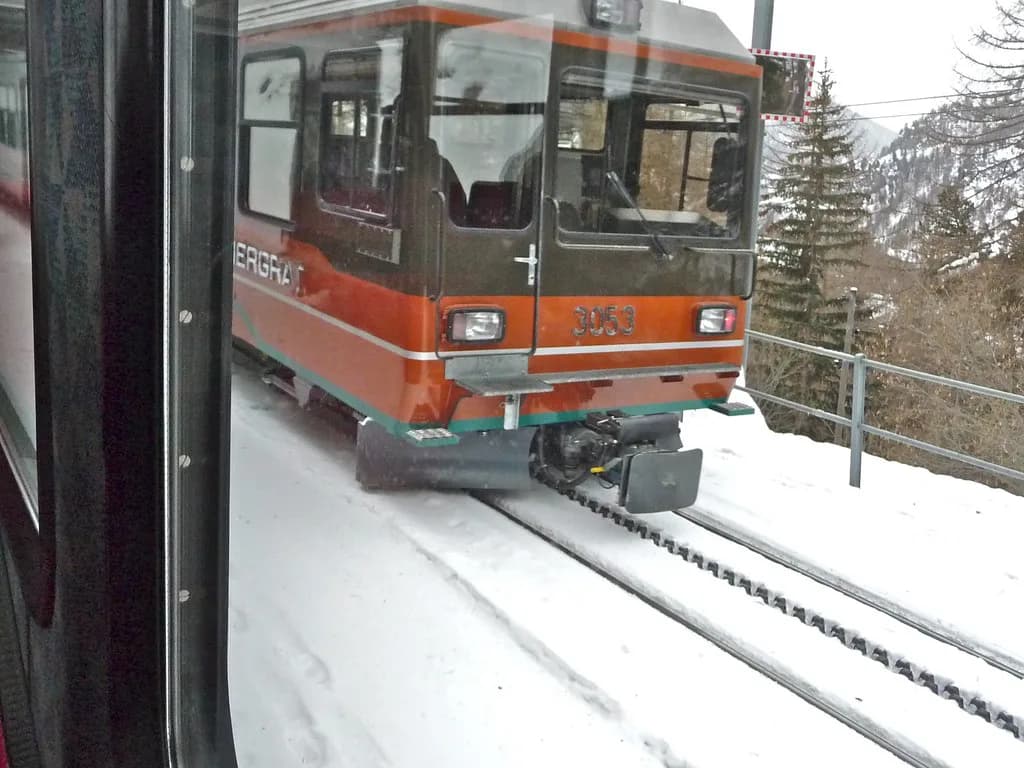
The Gornergrat Railway is the easiest big-view day for anyone skipping skis. Its cogwheel train climbs from the village to the ridge, where viewpoints sit right by the station and photographs of the Matterhorn and surrounding glaciers come almost free. The line runs year-round, though the timetable shifts in mid to late April, so confirm departure times before an early start.
The Matterhorn Glacier Paradise cableway takes you higher than most visitors ever go, with a viewing platform above 3,800 m and an ice palace carved inside the glacier. Dress for real winter up there, because spring in the village does not travel with you. The cableway generally keeps running in April even when the lower ski areas have closed.
Both excursions sell tickets at the lift stations and online, and fares vary by route and season, so compare options on the lift company's site or ask at the station rather than budgeting from memory. Ride up, wander the viewpoints, and ride down adds up to a genuinely full day at altitude.
For a lower-effort alternative, the river paths around town offer a walk without a lift ticket, and if you are still sketching the trip, the Zermatt Attractions: 8 Visitor Guides collection covers each sight in more depth.
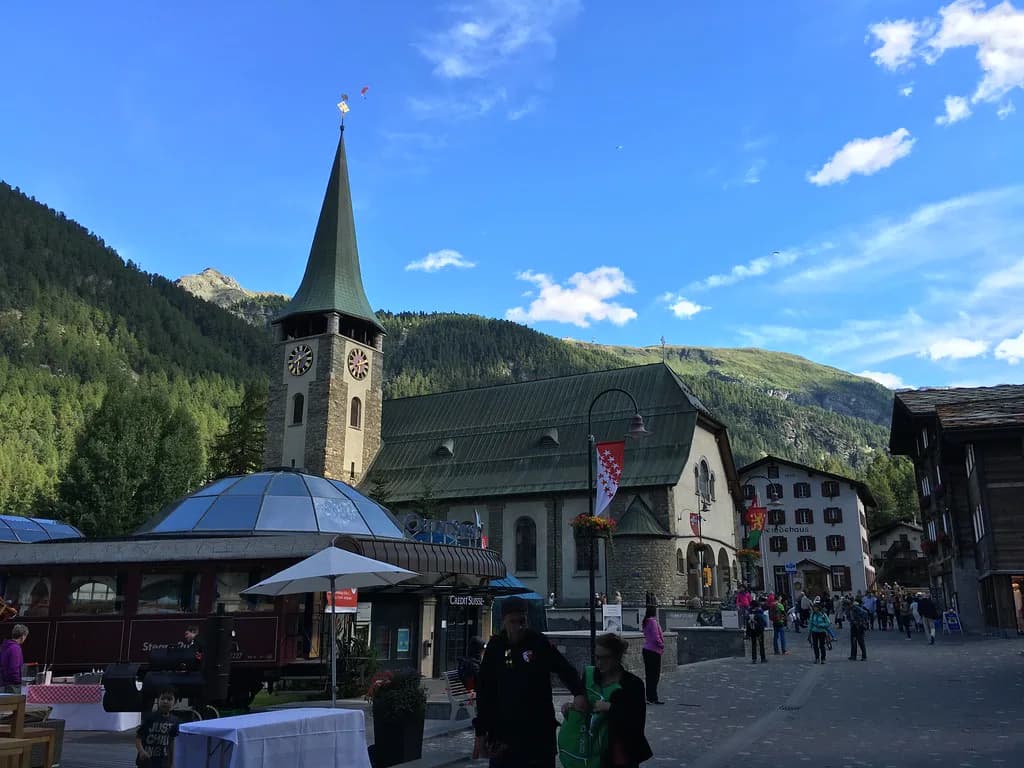
Village days: Hinterdorf, the river path, Bahnhofstrasse and the Matterhorn Museum
April is kind to slow village days. Walk the old wooden storehouses of Hinterdorf, follow the river path through town, and browse Bahnhofstrasse between coffee stops; the classic loop is low effort and easy to cut short if the weather turns. Lower paths dry out as the month goes on, while higher routes still depend on the snowpack.
When cloud or wind cancels the mountain, the Matterhorn Museum gives the village its context, from the first ascent of the Matterhorn to the everyday life of an alpine community. Entry prices and daily opening hours change with the season, so confirm them on the museum's official page before you go.
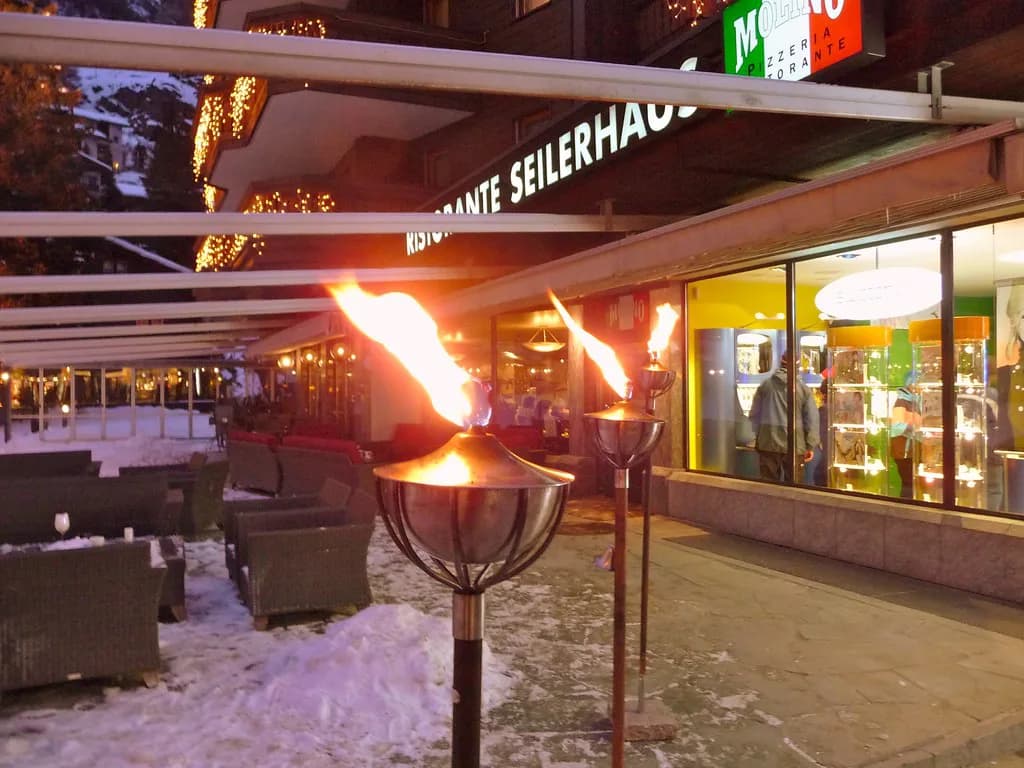
April also brings music. Zermatt Unplugged stages acoustic shows in venues across the village and mountain, and end-of-season terrace parties keep the afternoons lively. Specific lineups and dates change each year, so buy tickets and check the program through the festival's own site.
If your dates sit on the edge of spring, it helps to know what the following month looks like; zermatt in june is when the walking and lift season has fully turned over.
What April costs and how to book around Easter week
Switzerland is expensive, and Zermatt is no exception. Lift passes, train fares and museum tickets are set by the lift companies, the Gornergrat Bahn and the museums themselves, and shift with the season, so check current prices in Swiss francs on the official lift and railway websites and convert before you budget rather than trusting a remembered figure.
The other cost variable is timing. Easter Sunday fell on 5 April in 2026, and holiday week tends to fill beds and raise rates, so later April is the calmer, cheaper bet for most travelers. A flexible shoulder-season booking beats a rigid package when the weather can rewrite your plans.
Book mountain excursions and festival tickets early if they anchor your trip, and leave the rest loose. If you would rather travel when the trails, terraces and lifts are all fully running, zermatt in july is the busiest but most reliable month for everything except snow.
A sample two-day April plan
Day one splits the group. Skiers head up early to Trockener Steg and the Furggsattel chair for the firmest snow, then drop toward Sunnegga for a long terrace lunch; non-skiers ride the Gornergrat Railway for the same views from a heated train and meet in the village for coffee on Bahnhofstrasse.
Day two starts with the high glacier cableway for the viewing platform and ice palace, with extra layers packed. Come down for a late village walk through Hinterdorf and the river path, then check the afternoon lift status before deciding whether a second ski session or a museum hour suits the weather better.
The plan works because it respects the mountain's daily rhythm: mountains in the morning and early afternoon, village in the softer hours. Keep one evening free for whatever Unplugged or an end-of-season terrace has going on, and let the next morning's status check decide the rest.
Who April suits and who should pick another month
April rewards skiers who enjoy sunshine and slush as much as fresh powder, and mixed groups where some ride lifts and others ride trains. Music fans get festival buzz, and budget-conscious travelers find softer demand after Easter. Anyone chasing guaranteed mid-winter snow all day, or eager for high alpine hiking, should look at other months.
If summer walking and green meadows are the goal, zermatt in august delivers the warmest weather and the full complement of open trails, at the cost of the crowds.
Plan Your April Trip to Zermatt
April gives Zermatt two distinct trips in one: a sunny village with terraces, music and slow walks, and a high mountain still firmly in winter. Dress in layers, ski early, lunch long, and judge every morning by the official lift status rather than by yesterday's plan.
Pick dates after Easter week for calmer beds and slopes, book the one excursion you cannot miss, and leave room for a flexible day. Confirm lift, rail and museum prices in Swiss francs on official sites as your dates approach, and the shoulder season works in your favor.
Explore more Zermatt guides
Frequently Asked Questions
Is April too late to ski in Zermatt?
No, but the terrain narrows. Early April usually keeps most of the ski map running, while late April leans on the high Matterhorn Glacier Paradise sector where snow stays cold and firm. Sunnegga/Rothorn and Gornergrat can close earlier than the resort-wide season, so check lift status against your dates.
What is the weather like in Zermatt in April?
Typical averages run near 10°C by day and -1°C at night in the village, around 7°C at Sunnegga, and between -8°C and -2°C on the Gornergrat, with Klein Matterhorn colder still. Expect about 40 mm of precipitation over roughly six days and some fresh village snow. These are climate averages, not a forecast.
Is April a good time to visit Zermatt?
It suits sun-loving skiers, mixed groups and music fans, with longer days and softer demand after Easter. The trade-off is changeable conditions and spring slush on lower runs later in the day. Travelers wanting reliable all-day winter snow or high alpine hiking should choose another month.
What can non-skiers do in Zermatt in April?
Ride the Gornergrat Railway or the Matterhorn Glacier Paradise cableway for high-altitude viewpoints, then spend the afternoon on village walks through Hinterdorf, along the river path and down Bahnhofstrasse. The Matterhorn Museum covers the local history when the weather turns; check its hours on the official site.
Does Zermatt shut down in April?
The village stays open while the mountain shifts into end-of-season mode. For the 2025/26 winter the resort-wide season ran to 3 May 2026, with Sunnegga/Rothorn and Gornergrat closing earlier in April. The Gornergrat Railway and the glacier cableway generally keep operating, but check current details before building a day around them.
Sources
Notes for your Swiss city break
Optional updates to our Swiss city guides.
You might also like
Continue reading
More guides you'll find useful