Lucerne on a Budget: Free Sights and Cheap Ways to Eat
Lucerne's best experiences are free: the Chapel Bridge, Musegg Wall, Jesuit Church and lakefront. Save with canteen lunches and short boat hops.
On this page
Lucerne is expensive in the ways most Swiss cities are expensive, but very little of what makes the city worth visiting sits behind a ticket desk. The Kapellbrücke, the Musegg Wall towers, the Jesuitenkirche, the Franciscan church and the quays along Lake Lucerne are all free, so a full day of walking costs nothing beyond lunch. Budget travelers who plan around that split, free sights plus one paid splurge, get far more out of the city than those who buy an attraction pass on day one.
What a Budget Day in Lucerne Actually Costs
Most of Lucerne's headline sights are free, and the money goes to food, accommodation and anything that floats. A short one-way ride on an SGV lake steamer to Kehrsiten-Bürgenstock or Weggis costs CHF 7 to 9, and the cheaper lake boat option is a fraction of a grand panorama cruise. A self-service lunch at a Migros or Coop restaurant runs CHF 7 to 10 for soup and a main, which makes a sit-down dinner the single biggest line item in a day.
Add up the cited pieces and the arithmetic looks like this: CHF 7 to 10 for lunch, CHF 4 to 6 for coffee and a slice of Luzerner Lebkuchen, CHF 7 to 9 for a short boat segment, and free entry to the churches, bridges, wall towers and promenades. Everything above that is discretionary. Treat any daily total as a planning baseline rather than a published figure, since accommodation is what really moves the number.
If the question behind the budget is whether the city justifies the spend at all, the honest answer is that Lucerne's value sits in its setting and its public space, not in a long list of paid attractions. Travelers comparing Lucerne with Zürich or weighing whether to give it two days will find the trade-offs differ mostly in cost of living and scale. A single overnight lets you see the free core at a relaxed pace.
Free Altstadt Walking Plan: Kapellbrücke, Spreuerbrücke, Weinmarkt, Hirschenplatz and Kornmarkt
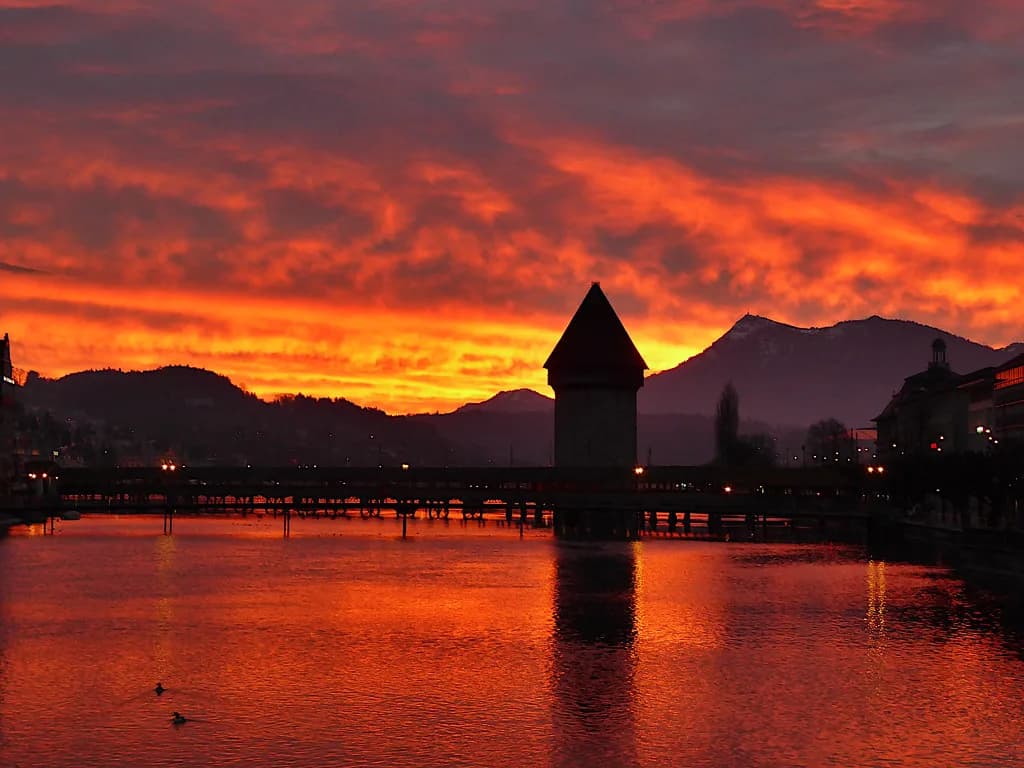
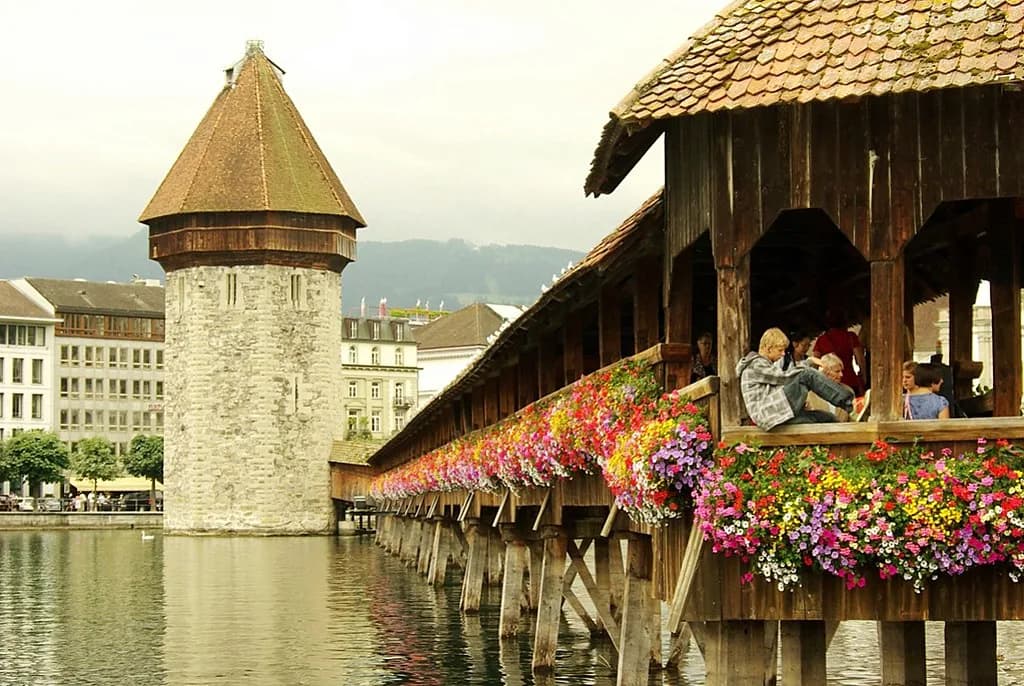
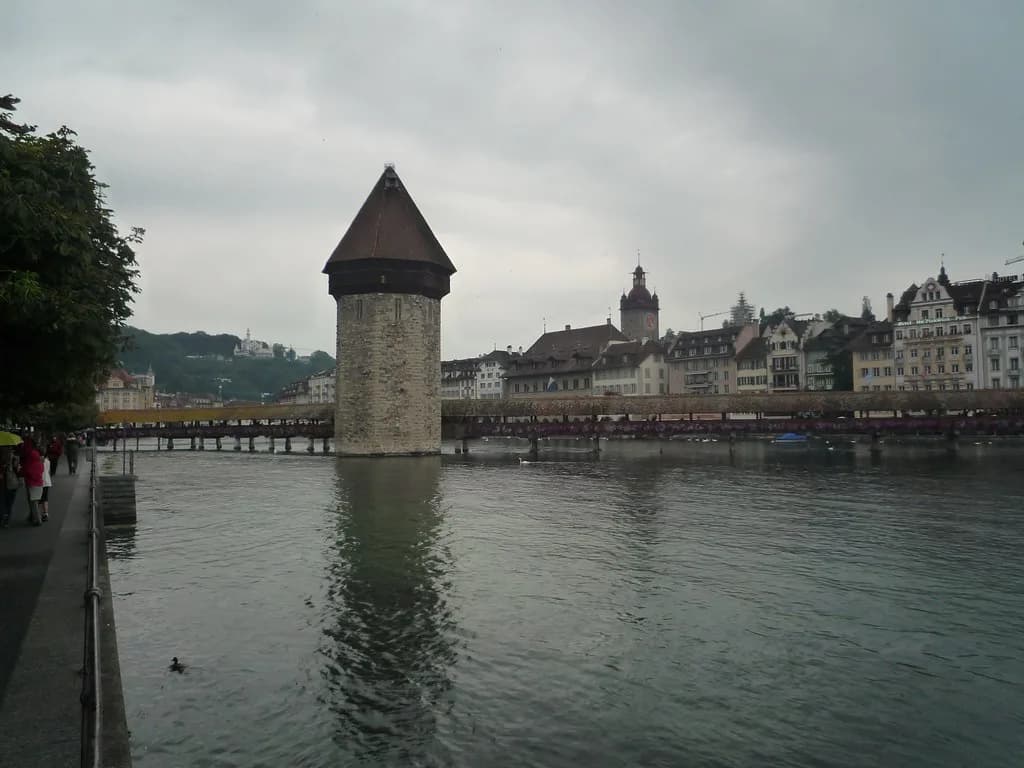
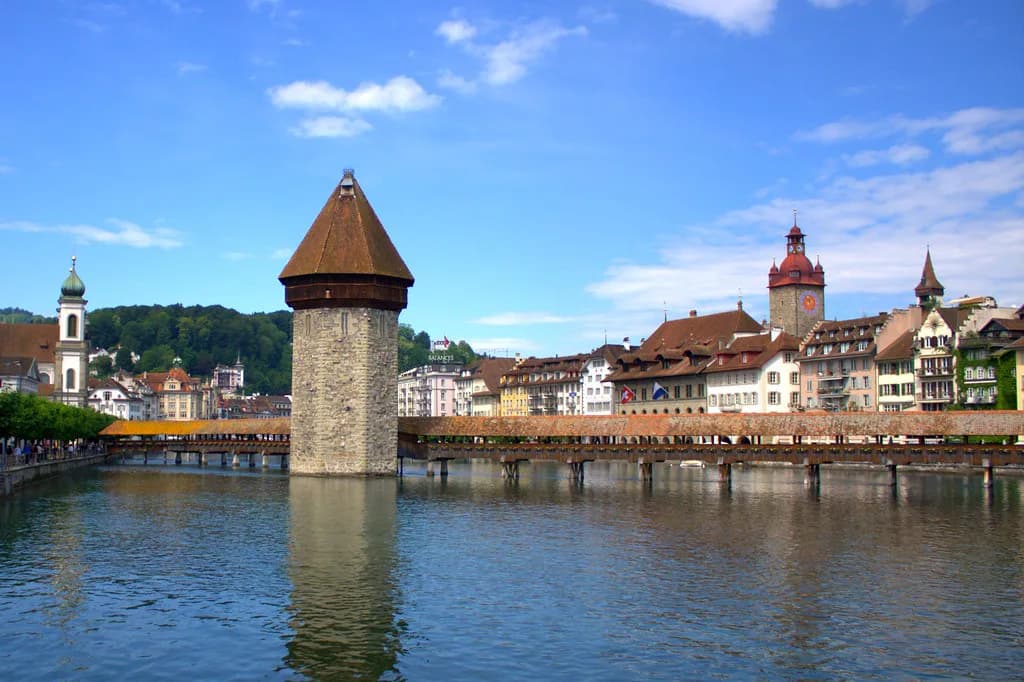
Start at the Kapellbrücke, Europe's oldest covered wooden bridge, which has spanned the Reuss since 1333 and carries the octagonal Wasserturm at midspan. Walking it costs nothing, and the interior triangular panels, reproductions after a 1993 fire destroyed the originals, tell the city's story through local saints and scenes. Arrive before 8am in summer and you get the light off the water and almost no one else on the boards.
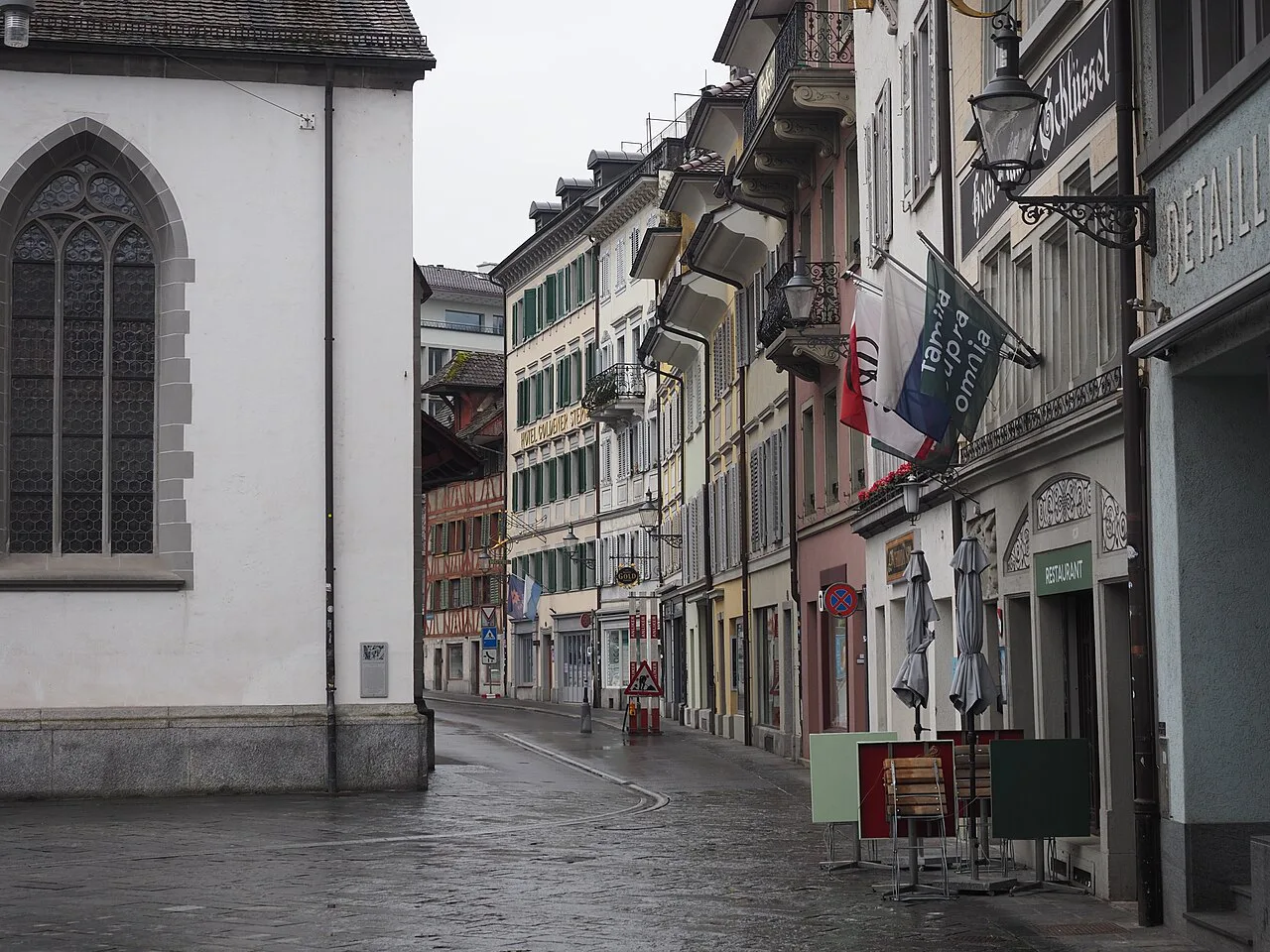
Cross to the east bank and wander the lanes around Weinmarkt, Hirschenplatz and Kornmarkt, where painted guild facades rise several stories and carved stone fountains sit in the middle of small squares. This is the densest concentration of free architecture in the city, and the best advice is to look up rather than at shop windows. Sunday evenings, when the streets quiet down, are the calmest time to have it largely to yourself.
Walk downstream to the Spreuerbrücke, which dates to 1408 and carries seventeenth-century Dance of Death paintings by Kaspar Meglinger. It gets a fraction of the foot traffic of the Chapel Bridge, so you can stand under the panels and let your eyes adjust without being shuffled along. Between the two bridges and the old-town lanes you have a half-day route that costs nothing and covers the city's best medieval set pieces.
Musegg Wall Towers: Free Climbs, the April to November Window and Which Towers Stay Quieter
Nine medieval towers stand along Lucerne's northern wall, and three of them are free to climb, with views over the red roofs of the Altstadt and out to the lake. The Zytturm holds Lucerne's oldest clock, which by ancient privilege runs one minute fast. The towers open from April through November, so anyone visiting outside that window should plan the climb for a return trip rather than assume access.
The Zytturm draws the crowd, so head for the Männliturm or Luegisland Tower instead for a quieter ascent and the same skyline. Reach the wall by the stairways that spill up from the old-town streets; there is no ticket and no gate fee. Late afternoon to sunset gives the warmest light on the rooftops, and the climb itself takes only a few minutes.
Free Churches and Lakefront: Jesuitenkirche, Franziskanerkirche, Nationalquai and Schweizerhofquai
The Jesuitenkirche, finished in 1677, was Switzerland's first large baroque church and sits directly on the Reuss riverbank, with a vaulted nave full of stucco and frescoes and twin towers guarding the door. Entry is free. Keep an eye on the church notice board or local cultural listings for free organ concerts, which make use of an instrument that fills the whole space.
A few steps away, the Franziskanerkirche dates to the thirteenth century and is Lucerne's oldest surviving church, with carved Gothic stalls and plain stone that feel considerably calmer than the baroque showpiece next door. Most visitors walk straight past it, which is exactly why it is worth the stop. Kornmarkt square, with some of the finest painted facades in the Altstadt, sits two minutes from its door.
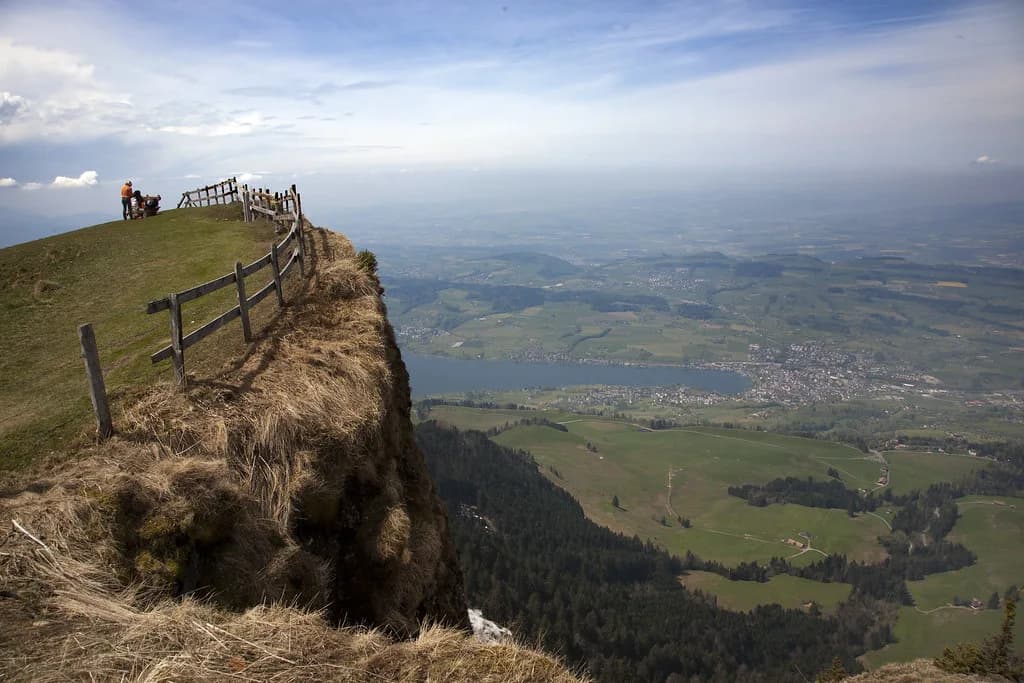
North of Schwanenplatz, the Nationalquai and Schweizerhofquai promenades deliver the postcard view: swans on the water with Pilatus and Rigi stacked behind. The walk is free and the benches face the lake. Mount Pilatus turns orange on clear evenings, and the lakefront gives you the full silhouette without a cable-car ticket; walking five minutes east past the main drag toward Lidostrasse thins the crowd considerably.
Down at the Reuss delta, the Ufschötti recreation area is a grassy riverbank park that fills with locals on warm days. There are no gates and no charge, and it is a ten-minute walk west from the Altstadt along Inseliquai. It fills an hour cheaply at the end of an afternoon, and the view back toward the city is better than anything you would pay for.
The Lion Monument and Why You Can Skip the Glacier Garden Ticket
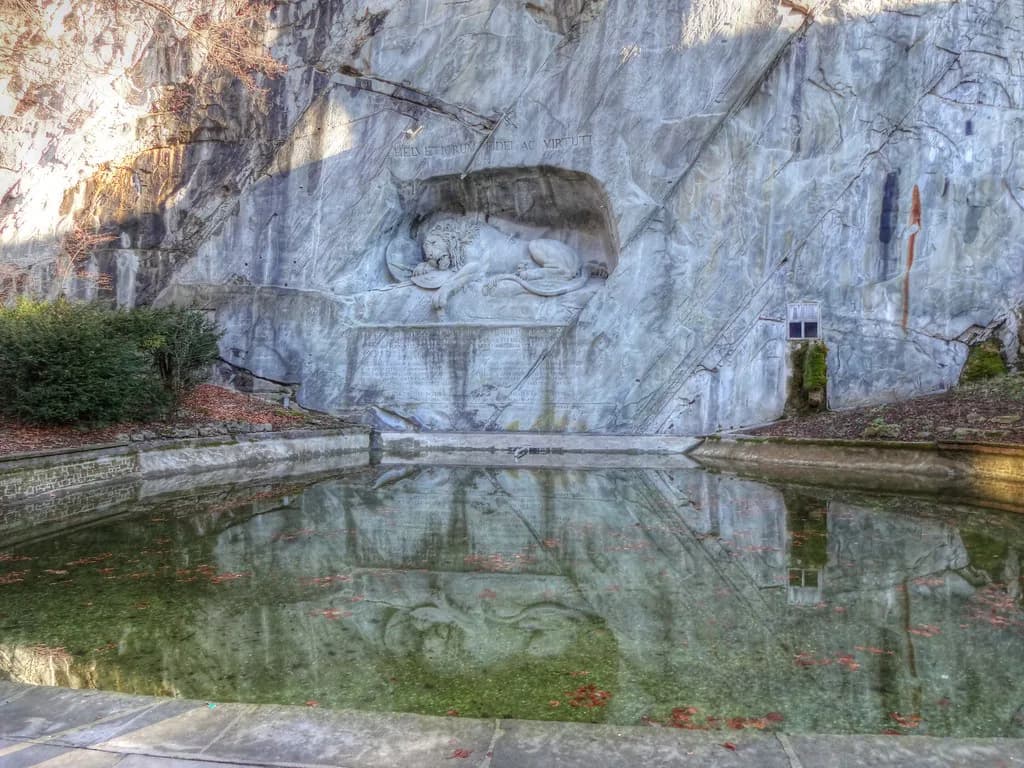
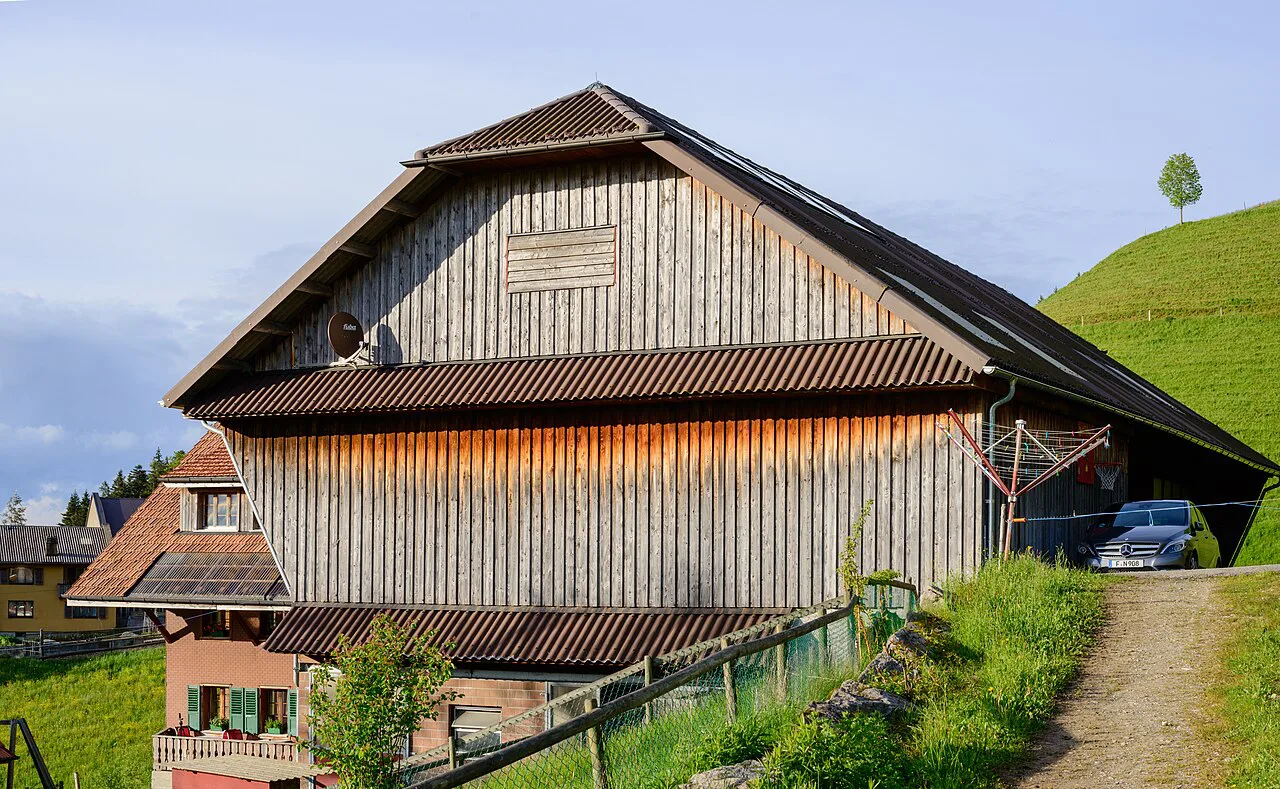
The Löwendenkmal, carved into a limestone cliff in 1820, honors the Swiss Guards who died defending Louis XVI, and Mark Twain called it the most mournful piece of stone in the world. It stands in a small park off Denkmalstrasse, about a ten-minute walk northeast of the train station, and seeing it costs nothing. Weekday mornings outside July and August are the least crowded.
The Glacier Garden next door charges CHF 15 admission, but the lion is fully visible from the free platform just beyond the gate, so budget travelers can see the monument without buying the ticket. That CHF 15 is better spent on lunch or a boat segment. If the geology exhibits genuinely interest you, the ticket is a fair price for a legitimate museum; if you came for the lion, you have already seen it.
Free and Low-Cost Culture: KKL Architecture Walk, the Wochenmarkt and Tribschen
Jean Nouvel's 1998 KKL building on the lakefront has a dramatically cantilevered roof that makes much more sense in person than in photographs, and the foyer and outdoor areas are freely accessible. Even a partial look at a hall with acoustics ranked among Europe's finest costs nothing. Check the KKL website for current free or low-cost lunchtime concerts and outdoor summer events.
The Wochenmarkt takes over Marktplatz and the surrounding streets on Tuesday and Saturday mornings, roughly 6am to 2pm, with farmers from nearby cantons selling cheese, bread, honey and cured meats. Browsing is free, and vendors will often hand you a sliver of aged cheese or a slice of coppa if you show interest. Saturday is the bigger, louder day; be there by 9am if you want the full stalls.
Follow the Reuss south from the Kapellbrücke along either bank and the city flips: quiet residential streets, pocket parks and the Tribschen peninsula, where Wagner worked on parts of the Ring cycle. The park around the villa costs nothing and stays silent even in high season. It burns an hour without effort and is the best free antidote to the crowded old town.
If you want a full lake day rather than a single loop, the Rotsee is a narrow glacial lake three kilometers north of the city with a flat six-kilometer path around it. Reach it on Bus 19 to the Rotsee stop or on a forty-minute walk from the Altstadt, and expect herons and rowing crews rather than tour groups. There is no fee and no facilities, which is part of the appeal.
Cheap Eating in Lucerne: Migros and Coop Canteens
Switzerland's best-value meal is inside its supermarkets. Migros and Coop both run self-service canteens serving Rösti, Älplermagronen, seasonal soups and Birchermüesli at honest prices, and locals eat there daily. A soup-and-main lunch at either chain runs CHF 7 to 10, which is a fraction of what a sit-down restaurant charges. The Migros on Hertensteinstrasse in central Lucerne is the easiest stop from the old town.
Treat the canteen as the default lunch and the budget shifts entirely: you can eat well for under CHF 10 and put the savings toward one good dinner or a boat ride. The trade-off is atmosphere rather than quality, since the food is honest and unstaged. Going to restaurants every day is what makes Switzerland feel punishing, and the supermarket canteen is the simplest way to break that cycle.
Sit-Down Options When You Want One
Lucerne has plenty of affordable sit-down places if you know where to look, and the reviewers who have eaten through the city recommend Made in Sud for pizza and pasta with portions larger than most, plus a beer or wine without blowing the budget. Pastarazzi does homemade filled pasta, where the chef walks you through choosing the pasta, the filling and the toppings. Takrai handles Thai curries and pad Thai at prices that keep it in reach for dinner more than once.
Jeff's Burger is a good bet when you want beef in a country where it is a rare commodity; the prices surprise most first-timers. Restaurant Opus has a huge outdoor area facing the canal, and a glass of wine on the terrace is a fair use of a budget evening. Bierliebe & Friends sits along the canal in the old town with hot dogs and beer.
The general rule for keeping a sit-down bill down is one main course plus tap water instead of the full progression of starter, main and dessert. Expect around $20 minimum for a main course at dinner, and note that tipping is included in Swiss prices. Neubad, a little walk from the center, runs a fixed menu by day of the week, so it can be a real value if the day's dish suits you.
Coffee and a Slice: Luzerner Lebkuchen at an Altstadt Konditorei
Luzerner Lebkuchen is a spiced gingerbread loaf, softer and more aromatic than the Basel cousin, and it is made only here. Bakeries along the Altstadt lanes sell it by the slice with coffee for CHF 4 to 6. The Rathausbäckerei near Kornmarkt and small shops on the back streets of the old town are the places to look.
That coffee-and-cake stop is one of the best-value pleasures in the city, and it doubles as a rest between free sights. A latte at Café Bar Lokal, which overlooks the canal, is the other cheap ritual worth building into an afternoon. Neither replaces a meal, but together they cover the snack budget for a whole day.
Getting Out on the Water Cheaply
You do not need a grand lake cruise to see Lake Lucerne from the water. A single short SGV segment, Lucerne to Kehrsiten-Bürgenstock or Lucerne to Weggis, runs CHF 7 to 9 one way and takes only twenty to thirty minutes. You are on a real lake steamer with peaks sliding in from every side. That is the cheapest way to see the lake from the water rather than the shore.
Holders of the Swiss Travel Pass ride every SGV lake boat for free, which flips the math entirely: what looked like a splurge becomes part of the deal. If you are weighing a pass against pay-as-you-go, count your boat segments first. For a single short hop the ticket is cheap enough that the pass does not pay for itself.
The Strandbad Lido charges CHF 7 to 9 for adults and gives you a lawn, diving boards, changing rooms and lake access with Pilatus framing the far shore. Treat it as an optional splurge rather than a budget essential. The free riverbank at Ufschötti and the eastern shoreline path toward Meggen give you water access without the fee, though without the facilities.
A Sample Two-Day Budget Plan
Day one belongs to the old town. Walk the Kapellbrücke before 8am in summer, wander the lanes around Weinmarkt and Kornmarkt, climb one of the free Musegg Wall towers in the late afternoon, then settle in on the Nationalquai for sunset. Lunch comes from a supermarket canteen and coffee from an Altstadt bakery. A second day here rather than a third lets you cover the free core without rushing the paid extras.
Day two starts with the Jesuitenkirche and Franziskanerkirche, swings past the Löwendenkmal, and finishes with a short SGV hop to Weggis or Kehrsiten-Bürgenstock. If the weather turns, the covered bridges and two churches stay dry. If the market is running, work the Tuesday or Saturday Wochenmarkt into the morning. Readers still deciding how to split their time can compare one-, two- and three-day options before booking.
If you have the schedule space for only one full day, cut the boat hop and stay in the city; the free core fits comfortably into a single well-planned day. If the budget is genuinely tight, drop the Lido and the Glacier Garden first, and keep the free towers and bridges. Travelers weighing Zürich against Lucerne will find the budget logic similar, though the lakeside setting here is the stronger argument for stretching the stay.
Money Mistakes to Avoid
The first mistake is ordering at a sit-down restaurant without a plan. One main course and still water at Pastarazzi keeps the bill manageable; a full progression of courses is what turns a pleasant dinner into a shock. Tipping is included in Swiss prices, so there is no hidden service charge to add.
The second is overlooking market mornings. The Wochenmarkt runs Tuesday and Saturday, and browsing it makes a cheap and memorable lunch without a reservation. The third is timing the Musegg Wall badly; the towers open April through November, so a winter visit should build the day around the churches and the lakefront instead.
The fourth is buying the Glacier Garden ticket without realizing the lion is visible from the free platform beyond the gate. The fifth is assuming a Swiss Travel Pass pays for itself on one short boat hop; the pass only makes sense if you are riding multiple segments. For comparison, budget travelers planning other Swiss cities will find similar logic, with the same free sights and canteen lunches carrying the savings.
Plan Your Visit
Lucerne on a budget comes down to spending on the water and the table while treating the city's best architecture and its two great churches as free. Do the bridges, the wall towers and the promenades on foot, lunch at a supermarket canteen, and pick one splurge: a boat hop, a sit-down dinner or the Lido. That combination gives you the whole city without the tourist-price regret.
If the itinerary is still being decided, the free sights are a good lens: plan around them and the paid extras slot in naturally. Anyone unsure whether the price of admission is worth it should read the arguments for and against before committing hotel nights. The answer usually comes down to how much time you want on the quays.
Explore more Lucerne guides
Frequently Asked Questions
What are the free things to do in Lucerne?
The Kapellbrücke, Spreuerbrücke and the Altstadt lanes are free, as are three climbable towers on the Musegg Wall (open April through November), the Jesuitenkirche, the Franziskanerkirche, the Löwendenkmal viewing platform, the Nationalquai and Schweizerhofquai promenades, Ufschötti and Tribschen park. The Wochenmarkt on Tuesday and Saturday mornings is free to browse.
Is the Chapel Bridge free to walk across?
Yes. The Kapellbrücke is a public bridge and costs nothing to cross. It carries the octagonal Wasserturm at midspan, and the interior paintings are reproductions after a 1993 fire destroyed the originals. Summer mornings before 8am are quietest.
Where do you eat cheaply in Lucerne?
The Migros and Coop self-service restaurants serve Rösti, Älplermagronen and soups as a soup-and-main lunch at a self-service counter. Migros on Hertensteinstrasse is the easiest stop from the old town. For sit-down options, Made in Sud, Pastarazzi and Takrai keep dinner within reach if you order one main and skip the full progression.
What does a cheap lunch in Lucerne cost?
A soup-and-main lunch at a Migros or Coop self-service restaurant is one of the lowest-cost ways to eat out in the city. Coffee and a slice of Luzerner Lebkuchen at an Altstadt bakery is similarly cheap. For current prices, check the canteen board when you arrive.
When is the Musegg Wall open?
The climbable towers open from April through November. The Zytturm is the busiest; the Männliturm and Luegisland Tower pull a fraction of the crowd and offer the same view over the Altstadt rooftops.
Is a Swiss Travel Pass worth it for lake boats in Lucerne?
Only if you are riding several lake segments. The pass makes every SGV lake boat free, so on a multi-hop lake day it can pay for itself. For a single short hop to Kehrsiten-Bürgenstock or Weggis, the one-way ticket is cheap enough that a pass is not necessary.
How many days do you need in Lucerne on a budget?
Two days cover the free core comfortably, with time left for a short boat hop or the Lido. A single well-planned day is enough for the bridges, the wall towers and the two baroque churches if you keep one eye on your watch.
Is Lucerne more expensive than other Swiss cities?
Lucerne's costs track the Swiss pattern: accommodation and sit-down dinners are the big line items, while free public space, churches and bridges carry the day. The supermarket canteen and the short boat segment are the cheapest ways to feel like you are not rationing. Zürich and Bern follow a similar logic.
Sources
Notes for your Swiss city break
Optional updates to our Swiss city guides.
You might also like
Continue reading
More guides you'll find useful