Is Lucerne Expensive? Real Prices in Swiss Francs
Yes, Lucerne is expensive. Here are typical prices in Swiss francs for meals, coffee and local transport, plus how to trim a daily budget.
On this page
Yes, Lucerne is expensive. A single person living there spends an estimated 1,343 Fr. a month excluding rent, and a family of four about 4,967 Fr., which tells you most of what you need to know before you price a city break.
The good news for a short visit is that the damage is concentrated in a few predictable places: sit-down meals, coffee stops and point-to-point transport. Get a handle on those three and a couple of days in Lucerne becomes budgetable rather than frightening, even on a short trip.
Is Lucerne Expensive? The Short Answer
Lucerne sits firmly in the expensive tier of European cities. The cost-of-living data used here covers everyday spending by residents, not tourist tickets, so treat the figures as a realistic floor for what a visitor pays for food, drink and local transport.
What surprises first-timers is the shape of the expense. It is not one big outlay but a hundred small ones: a coffee here, a bottle of water there, a tram ride that costs more than a supermarket lunch.
If you want the sightseeing side mapped out before you budget the days, the full lucerne itinerary covers what to see and in what order, which makes it easier to see where paid entries sit in your plan.
What Everyday Prices Look Like in Lucerne
These are typical 2026 cost-of-living estimates for Lucerne in Swiss francs, given as midpoints with the reported range in brackets. They reflect what residents pay rather than quoted menu prices at any specific restaurant, so expect variation by neighborhood and venue.
Meal at an inexpensive restaurant: 27.50 Fr. (12.00–80.00). Meal for two at a mid-range restaurant, three courses without drinks: 100.00 Fr. (80.00–120.00). Combo meal at a fast-food chain: 13.50 Fr. (12.00–15.80).
Cappuccino: 5.20 Fr. (4.50–8.00). Domestic draft beer, 0.5 liter: 7.00 Fr. (6.00–10.00). Soft drink, 0.33 liter: 4.75 Fr. (4.00–6.00). Bottled water, 0.33 liter: 4.25 Fr. (3.00–5.50).
Supermarket basics show the same pattern at a lower level: a liter of milk at 1.79 Fr., a 500-gram loaf of white bread at 2.79 Fr., a kilo of local cheese at 21.99 Fr. and a 1.5-liter bottle of water at 1.15 Fr.
Getting Around: Local Transport Ticket and Monthly Pass Costs
A single one-way ticket on local transport costs 4.10 Fr., with reported prices running from 3.40 Fr. to 7.40 Fr. depending on the zone and ticket type. A monthly pass is listed at 81.50 Fr. for the regular price.
For a visitor, the arithmetic is simple. Two or three rides in a day can approach the price of a day of walking, and the old town, Kapellbrücke and the lakefront are compact enough that many days need no ticket at all.
The monthly pass only makes sense if you are staying long enough to use it heavily; for a short break, pay per ride and check what your accommodation or any guest card includes before buying anything.
Daily Budget Ranges: What a Budget Day and a Comfortable Day Add Up To
Build a budget day around supermarket food instead of restaurants. Bread, cheese, fruit and a bottle of water from a shop cost a fraction of a 27.50 Fr. sit-down meal, and a coffee made at your accommodation removes another 5.20 Fr.
A comfortable day means one restaurant meal, a coffee out, a beer or soft drink in the evening and a couple of local transport rides. Using the midpoints above, that combination alone lands near 50 Fr. before you have paid for a single sight, which is the honest reason people describe Lucerne as pricey.
If you want a worked plan that fits a tight number rather than a general range, the lucerne on a budget guide sets out the same trade-offs as a day-by-day schedule.
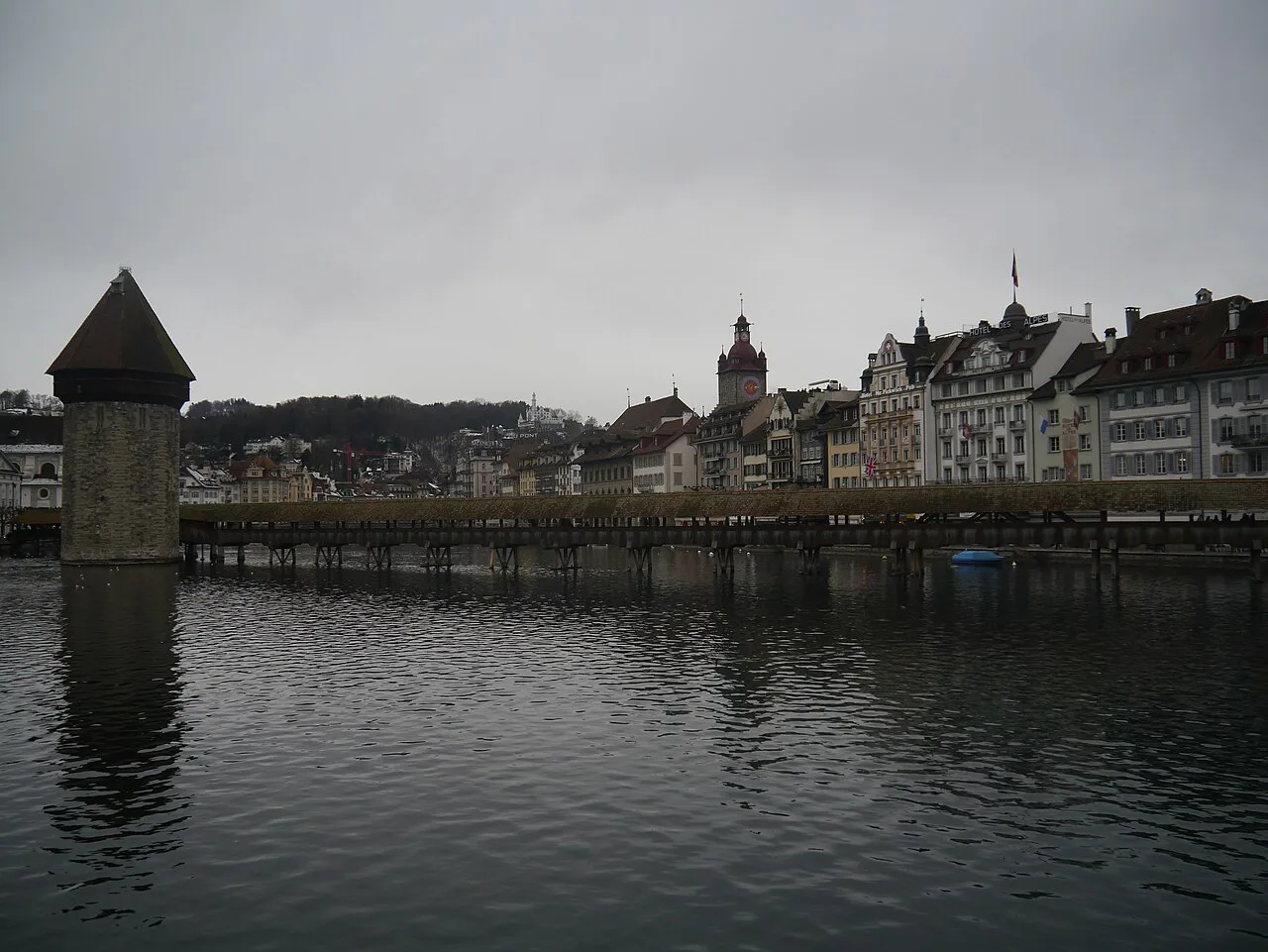
Where the Money Goes on a Lucerne City Break
Food and drink take the largest share for most visitors, because three meals plus coffee and drinks can easily exceed what you spend on entry tickets. The 100 Fr. three-course meal for two without drinks is the single biggest line item on most couple's budgets.
Transport is the second lever. At 4.10 Fr. per one-way ride, a family of four spends over 30 Fr. on a single round trip, which is a strong argument for picking accommodation and sights within walking distance of each other.
Sight entries are the least predictable part of a Lucerne budget. Ticket prices for the city's museums and attractions are set by each venue and are not covered by the cost-of-living figures, so look them up on the venue's own site as you plan.
Examples That Show the Cost Gap
A fast-food combo at 13.50 Fr. versus a 27.50 Fr. inexpensive restaurant meal shows the everyday gap clearly: eating out twice at the lower end costs about the same as one proper restaurant lunch.
Drinks are where budgets quietly leak. A draft beer at 7.00 Fr. and a cappuccino at 5.20 Fr. mean a mid-afternoon coffee plus an evening drink costs more than a supermarket picnic for two.
Leisure is priced the same way. A cinema ticket is listed at 19.90 Fr., which is worth knowing if a rainy afternoon pushes you indoors and you would rather spend that on a museum instead.
Ways to Spend Less Without Skipping the Highlights
The most effective saving is to shift one meal a day to supermarket food. With bread at 2.79 Fr., cheese at 21.99 Fr. per kilo and fruit in the low single digits per kilo, a picnic lunch for two costs less than a single fast-food combo.
Walk the compact center rather than buying single rides, and group any paid transport into a day where you genuinely need it. Tap water is safe to drink in Switzerland, so refilling a bottle instead of buying 4.25 Fr. bottles adds up over a few days.
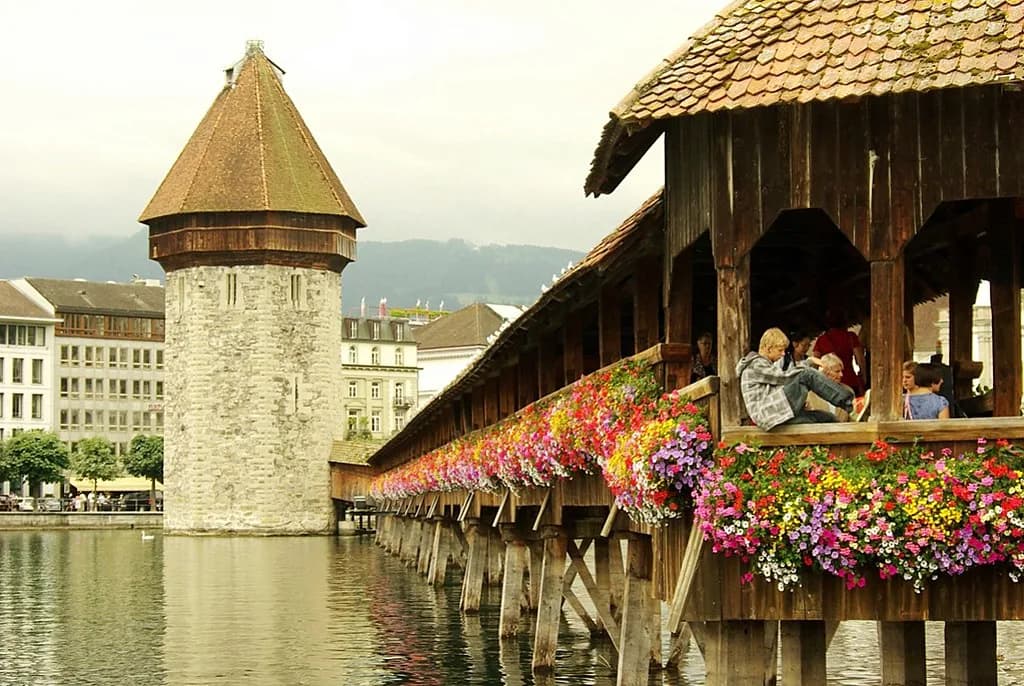
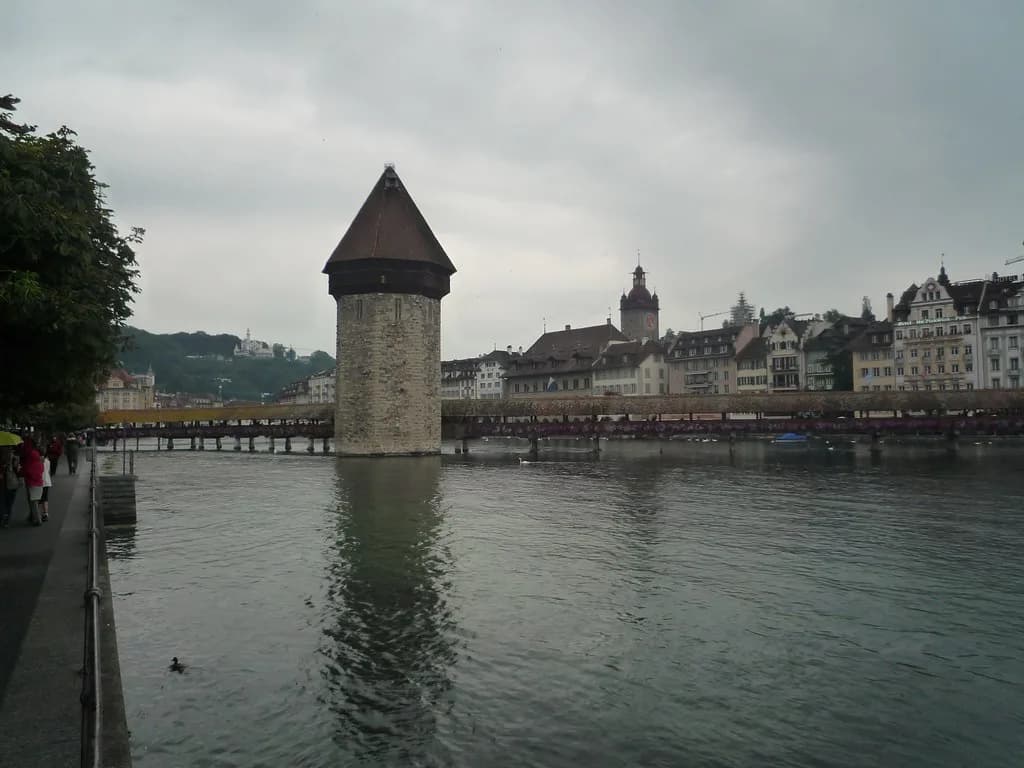
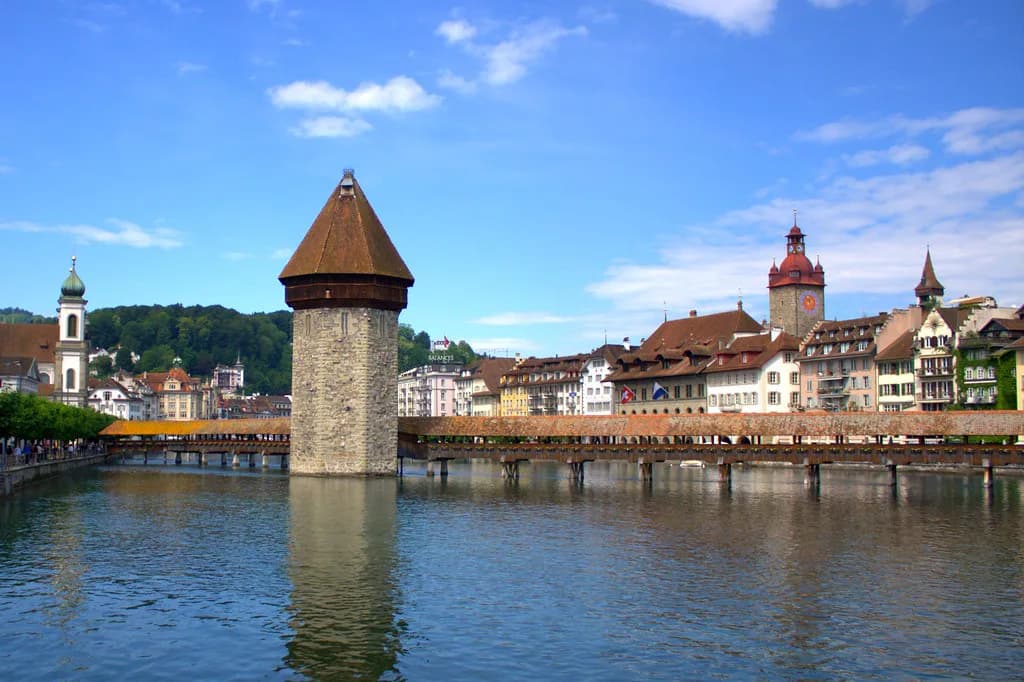
Pick the free and low-cost sights first. The covered Kapellbrücke, the lakefront promenade and the old-town squares cost nothing, and the Musegg Wall walk is the classic no-ticket viewpoint over the city.
If you have only one day, concentrate the paid entries and the free wandering into a route that avoids backtracking; the one day in lucerne plan shows how to sequence the center so you are not paying for trams to cover the same ground twice.
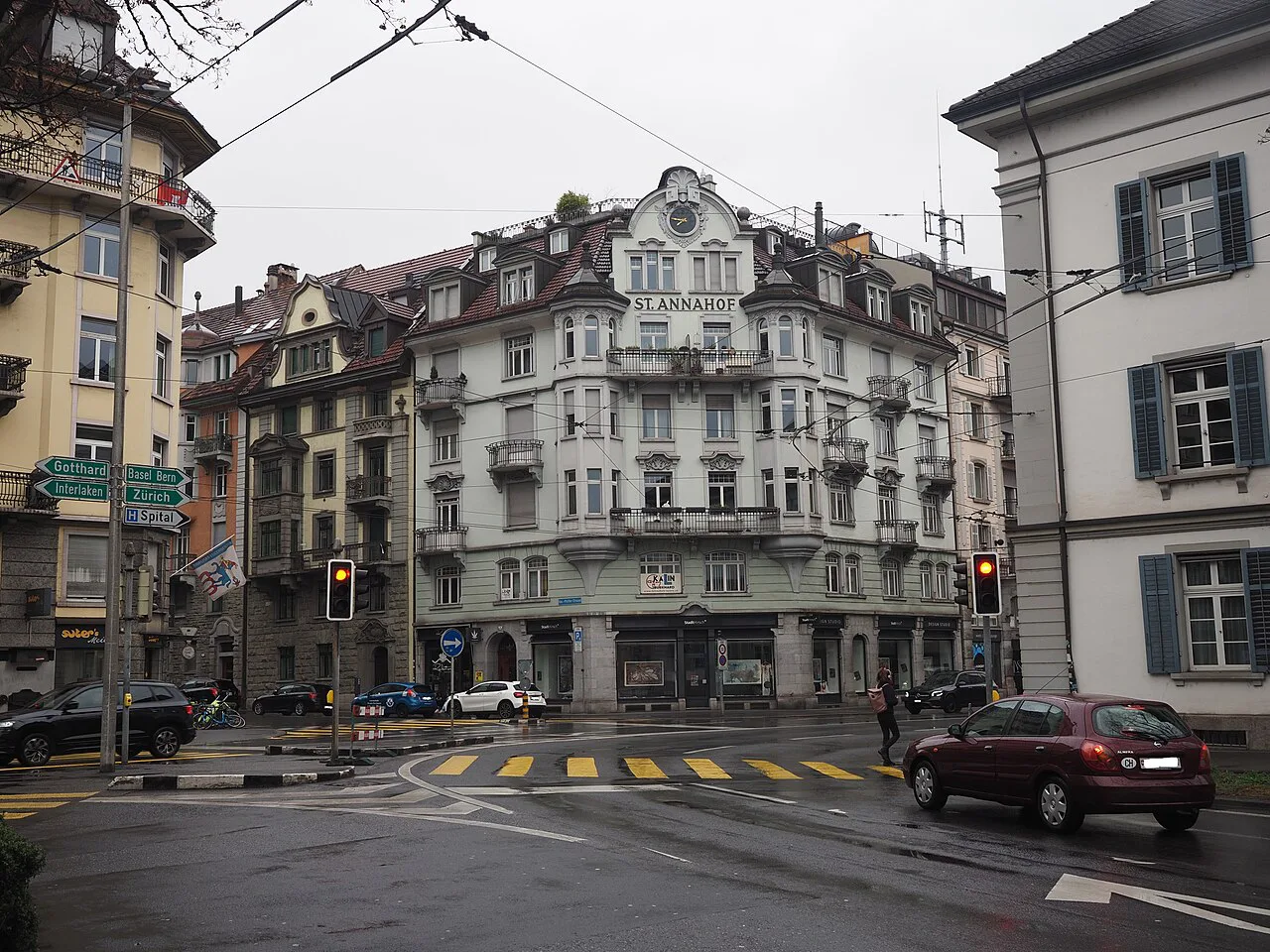
Should You Base Yourself in Lucerne? Cost Trade-Offs
Lucerne works well as a base because the center is small and most of what you came for is within walking distance. That compactness partly offsets the high prices, since fewer paid rides and shorter taxi trips trim the transport line of your budget.
Travelers regularly describe the city as expensive and note that budget-friendly rooms are scarce near the center, so the practical trade-off is a longer walk or a short ride in exchange for a lower room rate.
Whether to split your time between Zürich and Lucerne is a separate decision about what you want to see, not a straightforward cost saving; compare the two properly instead of treating one as the cheaper base.
If your dates are flexible, how many days in lucerne you actually need matters more to your budget than any single saving, because each extra day carries the full daily cost.
Practical Notes Before You Budget
These figures are in Swiss francs and represent typical 2026 cost-of-living estimates, not quoted prices from specific restaurants, shops or attractions. Costs vary by neighborhood, season and venue, so build your budget on the midpoints and leave room either side.
Prices for museum entries, cable cars and boat trips are set individually and change, so check them on the individual attraction or lift company's own site before you commit to a daily figure. The same applies to any transport pass or guest card benefit.
Do not convert CHF to dollars or pounds using a fixed rate; use the rate on the day you travel, since it moves and can meaningfully change what a 100 Fr. meal costs you in your own currency.
Plan Your Lucerne Budget
Lucerne is expensive in a predictable way: meals, coffee and single transit rides do the damage, while the best-known sights are cheap or free to walk past. Budget on the midpoints, eat one supermarket meal a day and you can enjoy the city without constantly checking your bank balance.
Lay out your days before you set the number, then price the meals and rides inside that plan. If you are also weighing other Swiss cities, the same method works for comparing what a Basel or a Zürich break really costs.
Explore more Lucerne guides
Frequently Asked Questions
Is Lucerne expensive for tourists?
Yes. Typical 2026 cost-of-living estimates for Lucerne put an inexpensive restaurant meal around 27.50 Fr., a cappuccino around 5.20 Fr. and a single local transport ride around 4.10 Fr., so a normal day of eating out and moving around adds up quickly.
How much does a meal in Lucerne cost?
A typical inexpensive restaurant meal is estimated around 27.50 Fr., with a wide reported range. A three-course meal for two at a mid-range restaurant without drinks is estimated around 100 Fr., while a fast-food combo is far cheaper at around 13.50 Fr.
How much is a coffee in Lucerne?
A regular cappuccino is typically estimated around 5.20 Fr., with reported prices from 4.50 Fr. to 8.00 Fr. depending on the venue. Making coffee where you are staying removes one of the most frequent small costs of the day.
Do I need a lot of money for a few days in Lucerne?
You need more than in most European cities, but the amount depends on how you eat. Shifting one meal a day to supermarket food, walking the compact center and refilling a water bottle can cut a daily budget sharply without skipping the main sights.
How can I spend less in Lucerne?
Shop for picnic food, walk instead of buying single transit rides, and put the free sights first. A loaf of bread, cheese and fruit from a supermarket costs a fraction of a restaurant meal, and the old town, Kapellbrücke and lakefront cost nothing to visit.
Is Lucerne cheaper than Zürich?
There is no reliable basis here for calling either city cheaper. Compare the specific costs that matter to you, since meal prices, transit fares and sight entries vary by venue and by what you plan to do.
Sources
Notes for your Swiss city break
Optional updates to our Swiss city guides.
You might also like
Continue reading
More guides you'll find useful