Swiss Souvenirs: What to Buy in Switzerland
A practical guide to Swiss souvenirs: which chocolate, watches, knives and crafts are worth buying, what packs well, and how to spend a sensible CHF budget.
On this page
Swiss souvenirs fall into four workable categories: food, crafts, watches and practical goods such as knives and tools. The buying decision that matters most is survival, because chocolate, cheese, glass and wood all behave differently in a suitcase and a pressurized cabin.
Switzerland's prices are high enough that a souvenir budget deserves a plan in Swiss francs, not a vague spending limit. Set a figure per person, decide what share goes to edible gifts and what share to one lasting item, and resist filling the gap with generic trinkets that could have been bought anywhere.
What Counts as a Swiss Souvenir
A Swiss souvenir earns its place when it is either made or strongly associated with the country and when it fits your luggage. Food gifts and small crafts score well on weight, watches are the classic high-value purchase, and practical goods such as pocket tools and household items are the ones people actually use after the trip.
What is the most popular Swiss souvenir? Chocolate is the most common edible souvenir, followed by cheese and folding pocket knives. Watches and clocks are the high-value option, and small crafts such as textiles and woodwork suit travelers who want something lighter and more distinctive than a branded food box.
What crafts is Switzerland known for? Swiss craft traditions include textiles such as woven cloth and felt, carved wooden figures and bowls, and small household objects sold in regional craft shops. Buy from shops with a clear regional identity and ask where a piece was made, because imported goods with Alpine decoration are common.
What food souvenirs can I bring home from Switzerland? Chocolate, vacuum-packed hard cheese and sealed food gifts travel best. Strong-smelling cheeses need double wrapping, and dairy, meat and plant products are subject to your home country's import rules, so check official customs guidance before you buy.
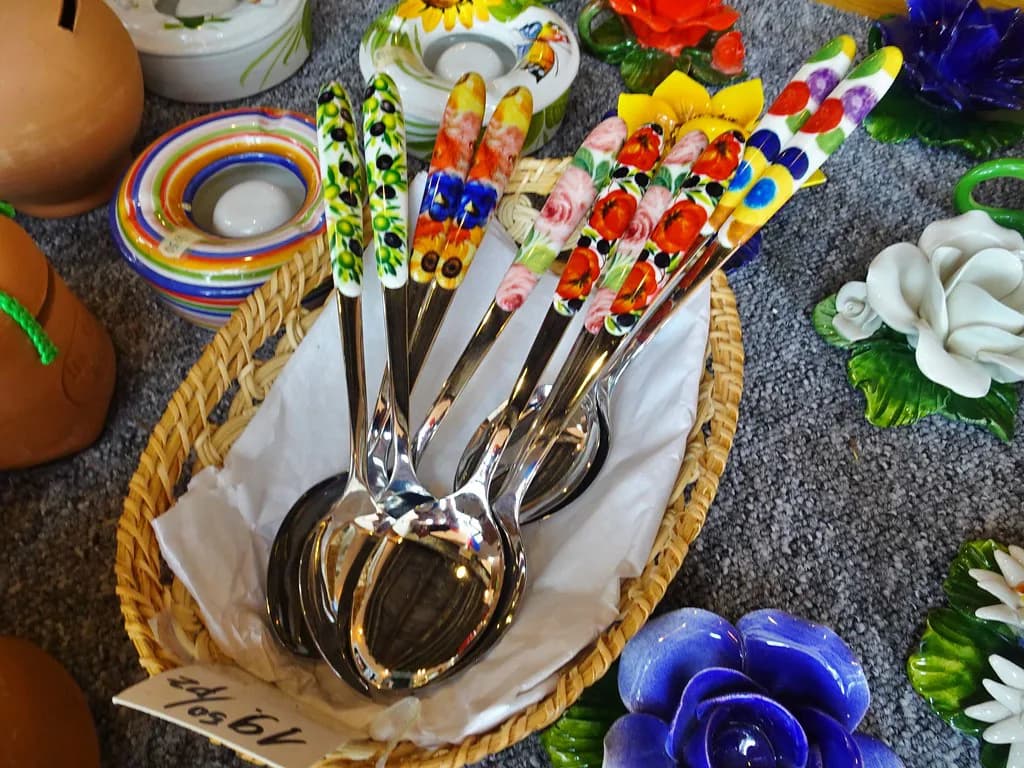
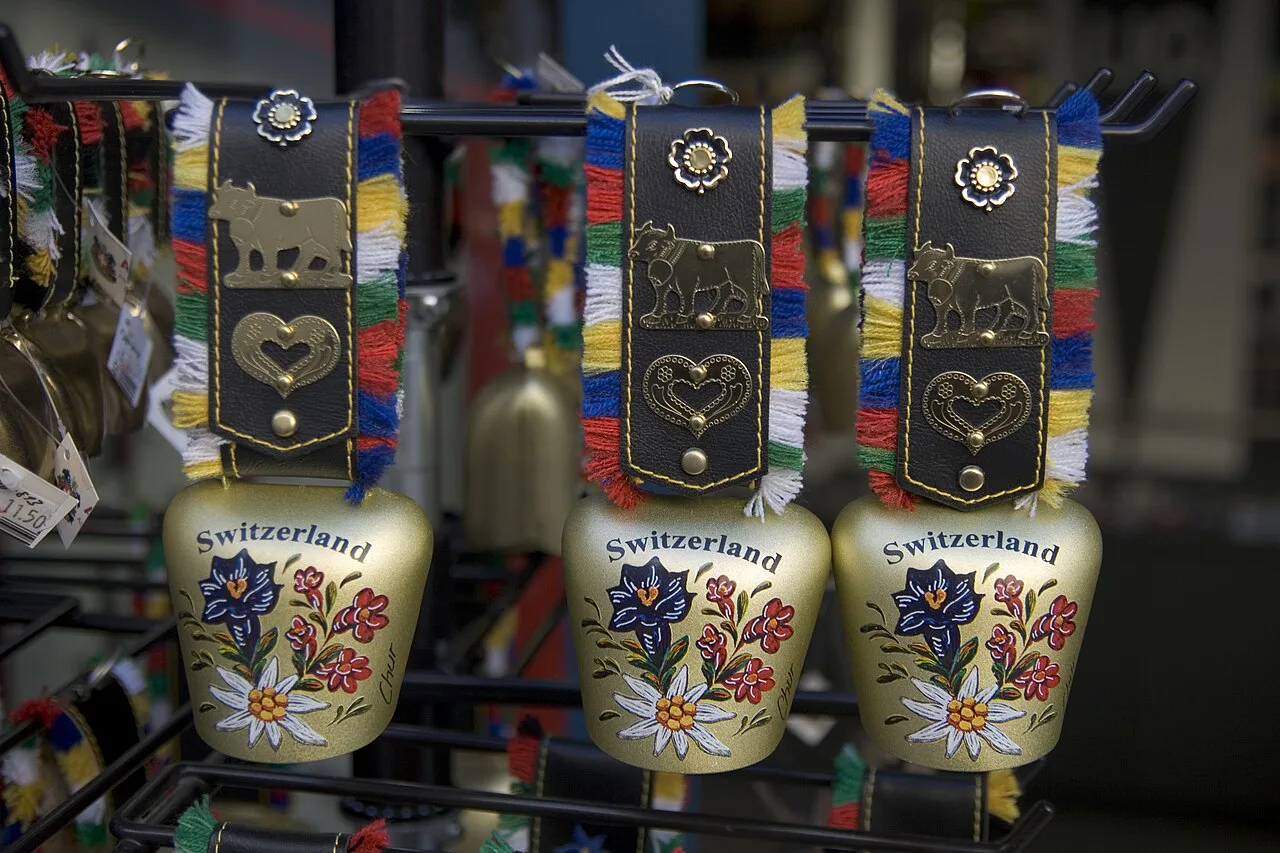
Separate genuinely Swiss products from imported goods displayed with Swiss flags. A printed Alpine scene on a mug or a generic key ring carries no craft value, while a small piece of woodwork or textile made in a mountain region does. Ask shop staff where an item was made, and buy from shops whose stock has a clear regional identity rather than a mixed pile of imported novelties.
Chocolate: What Travels Home Well and What Melts
Chocolate is the easiest Swiss souvenir to carry and the easiest to ruin. Solid bars and sealed praline boxes tolerate a few hours in a cabin bag, but anything with a thin shell, a soft center or a decorated surface will mark and flatten if it sits in a warm car or a sunlit airport lounge.
Choose dense dark bars for carry-on and keep them in the middle of the bag, away from the outer wall. If you plan to bring filled truffles or large quantities, buy them late in the trip or at the airport so they spend less time in transit, and check the shop's packaging before you commit.
Cheese and Food Gifts: Weight, Smell and Border Rules
Cheese is the heaviest food souvenir per unit of pleasure, and hard wheels or large wedges can wreck a weight allowance. Vacuum-packed pieces travel better than cut wedges, and strongly aromatic varieties will scent everything else in the case unless they are double-wrapped.
Agricultural import rules differ by country and by what you are carrying, and no rule here can be assumed for your route. Check your own country's customs guidance for dairy, meat and plant products before buying, and keep receipts in case an officer asks what the goods are and where they came from.
Swiss Army Knives and Practical Tools
A folding pocket knife is a compact, genuinely useful Swiss souvenir, but it belongs in checked baggage rather than a carry-on. Buyers should decide between a small two- or three-tool model that fits a pocket and a larger multi-tool that mostly stays in a drawer, because the big versions add weight fast.
Kitchen tools and household gadgets in the same practical category are easier to justify than decorative items. A good peeler, a sturdy corkscrew or a well-made pair of scissors gets used weekly, packs flat between clothes and carries no melt or fragrance risk, which makes it a strong pick for anyone traveling with cabin baggage only.
Watches and Clocks: Price Tiers and 'Swiss Made'
Watches run from a few hundred francs to five figures, and the label on the dial matters more than the shop's location. The phrase 'Swiss made' is a regulated designation rather than a marketing flourish, so ask what a specific model's marking means before paying a premium, and compare the same reference in more than one authorized dealer.
Travel clocks and small desk clocks make lighter, cheaper gifts than wristwatches, but they still need protective packing. Leave the box behind if you are short on space, keep the warranty card and receipt with the watch, and declare high-value purchases where your home country requires it rather than risking a fine at the border.
Textiles, Woodwork and Small Crafts
Textiles and woodwork are the best crafts for travelers who want something distinctive without the price of a watch. Look for hand-woven cloth, felt, carved wooden figures, bowls and small household objects sold in regional craft shops and mountain villages rather than in station kiosks.
Weight and fragility decide which craft you can carry. Textiles fold flat and cushion other items, while carved wood and ceramics need padding and should never sit under shoes or a laptop; if a piece is too big for your case, have the shop wrap it for shipping and confirm the cost before you agree.
Airport and Station Shopping Versus Town Shops
Station and airport shops win on convenience, especially when you are moving between cities by train. Zürich HB and other major stations put food and small gifts within reach of the platform, and Chur is the departure point for the Bernina Express, the Rhaetian Railway route that crosses 196 bridges and 55 tunnels between Switzerland and Tirano.
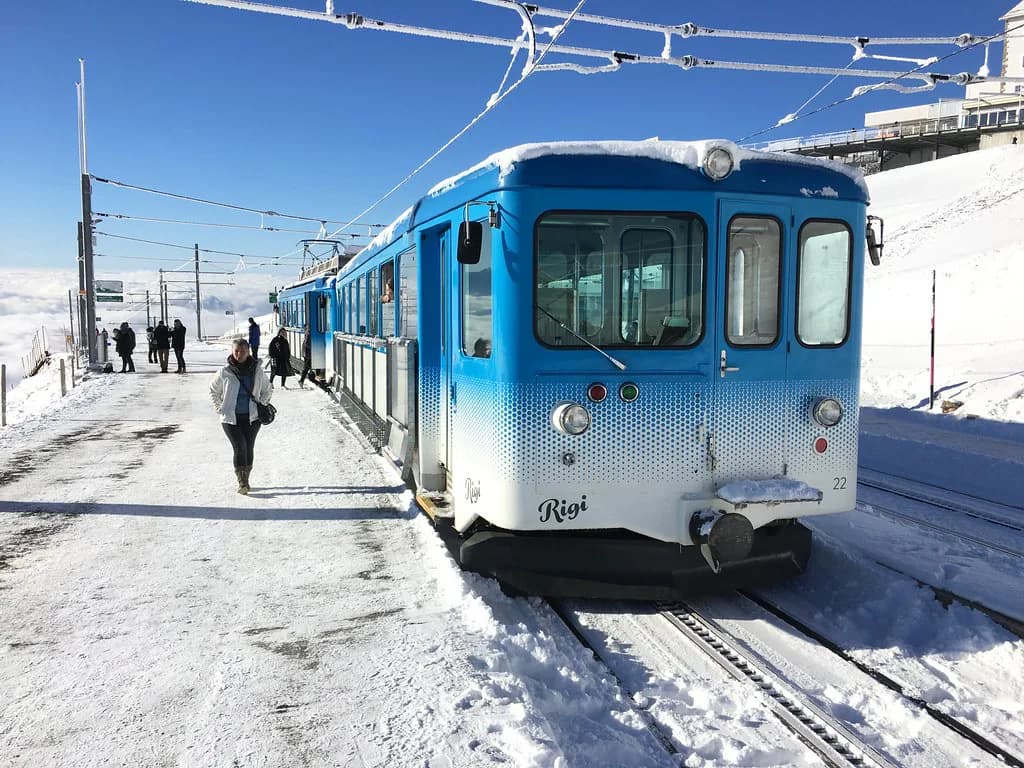
Town shops usually give more choice and better advice, and they let you compare quality before you commit. Pair souvenir browsing with a scenic rail day rather than treating it as a separate errand: the GoldenPass Panoramic runs hourly between Montreux and Zweisimmen in about 2 hours 8 minutes, so a stop in either town leaves time for shops and a walk. If you are still weighing which panoramic routes are worth the time, our guide to switzerland scenic trains helps you pick the right one.
Money-Saving Picks: A Sensible Souvenir Budget in Swiss Francs
Set your souvenir budget in Swiss francs before you shop and convert it once, at a bank or a card with a fair rate, instead of converting every small purchase in your head. A realistic split is a small amount per person for edible gifts and a single larger sum for one lasting item, which stops the trip ending with a bag of forgettable objects. If you are timing your shopping around the seasons, the best time to visit switzerland guide outlines how crowds and prices shift month by month, and our Zürich city guide shows where those budget rules play out street by street.
Rail passes affect the souvenir budget indirectly, because money spent on transport is money not spent on gifts. A Swiss Travel Pass covers the GoldenPass Panoramic route fully and includes it without obligatory surcharges, so a rail-heavy trip can leave more room for one good purchase.
If you are building a rail-based route around your shopping stops, a structured plan helps you avoid doubling back to shops you missed. A Switzerland itinerary that puts Zürich, Lucerne and the scenic lines in a sensible order gives you targeted browsing time in each town.
What Not to Buy
Skip anything heavy, fragile or generic. Large ceramic pieces, oversized snow globes and cheap printed souvenirs cost space in the case and rarely survive the trip, and they carry no more Swiss character than a fridge magnet.
Avoid duplicate purchases made in a rush at the gate. If you have already bought chocolate in town, buying another box at the airport because it is convenient usually adds cost and weight rather than value, and the same applies to tools and textiles bought without comparing price or quality first.
Packing and Customs Before You Fly
Pack souvenirs around the rules: liquids and pastes in checked bags, knives in checked bags, chocolate in the cabin where it stays cool, and receipts in one envelope. Weigh your case before the airport, because a heavy cheese or a boxed watch can push you over an allowance that costs more than the gift.
Customs rules are set by your home country, not by the Swiss shop, and they vary for food, alcohol, tobacco and high-value goods. Read your country's official traveler guidance before departure, keep purchase receipts together, and declare what the rules require rather than relying on a shop assistant's advice.
Quick List: Five Souvenirs on a Small Budget
Five picks cover most travelers: a dense chocolate bar, a vacuum-packed wedge of hard cheese, a small folding pocket knife or kitchen tool, a piece of felt or woven textile, and a carved wooden keepsake. Each is light enough for a cabin bag except the knife, which needs checked luggage.
Buy the food late, pack the knife in the hold, and choose crafts you would display at home rather than a pile of small items that end up in a drawer. If your trip is short, a five day Switzerland itinerary still leaves room for one deliberate shopping stop in a town rather than a scramble at the station.
Plan Your Visit
Buy fewer, better Swiss souvenirs: food you will actually eat, one practical tool or textile, and a watch or clock only if you have compared models properly. Pack around melt risk and knife rules, and keep receipts for customs.
Explore more Switzerland guides
Frequently Asked Questions
What is the most popular Swiss souvenir?
Chocolate is the most common edible souvenir, followed by cheese and folding pocket knives. Watches and clocks are the high-value option, and small crafts such as textiles and woodwork suit travelers who want something lighter and more distinctive than a branded food box.
What crafts is Switzerland known for?
Swiss craft traditions include textiles such as woven cloth and felt, carved wooden figures and bowls, and small household objects sold in regional craft shops. Buy from shops with a clear regional identity and ask where a piece was made, because imported goods with Alpine decoration are common.
What food souvenirs can I bring home from Switzerland?
Chocolate, vacuum-packed hard cheese and sealed food gifts travel best. Strong-smelling cheeses need double wrapping, and dairy, meat and plant products are subject to your home country's import rules, so check official customs guidance before you buy.
Is chocolate a good souvenir to fly with?
Yes, if you choose dense solid bars and keep them in the cabin rather than a warm hold bag. Filled truffles and thin-shelled pralines mark and melt easily, so buy them late in the trip or at the airport and keep them away from heat.
Should I buy souvenirs at the airport or in town?
Airport and station shops are convenient when you are short on time, while town shops offer more choice and better advice. Buy food late, compare watches and tools in town, and avoid a rushed duplicate purchase at the gate.
Sources
Notes for your Swiss city break
Optional updates to our Swiss city guides.
You might also like


Continue reading
More guides you'll find useful