Zermatt in Autumn: What's Open and How to Plan Your Days
Zermatt in autumn means quieter trails, clear Matterhorn views and shorter museum hours. Here is what to see, what costs in Swiss francs, and how to plan.
On this page
Autumn is a good time to see Zermatt if you want the Matterhorn without the summer crowds and can accept a shorter menu of open attractions. The village sits at roughly 1,600 meters, so the valley stays walkable while the high viewpoints sit above 3,000 meters and depend on the day's conditions. Building your trip around one indoor anchor and one flexible mountain day is the most reliable approach.
The season runs roughly from September into early November, and the last weeks need the most care because scheduled maintenance and seasonal shutdowns fall then. For a wider view of how the seasons compare, the guide to the best time to visit zermatt sets autumn against spring, summer and winter.
Autumn in Zermatt at a Glance
What autumn gives you is space: village lanes, Kirchplatz and the museum are calmer than in July, and the Matterhorn is often sharply defined against a blue sky. What it takes away is certainty, because cable cars, mountain railways and the museum all follow seasonal schedules rather than a fixed year-round pattern. Budget for one indoor half-day and one high-altitude day, and let the weather decide the order.
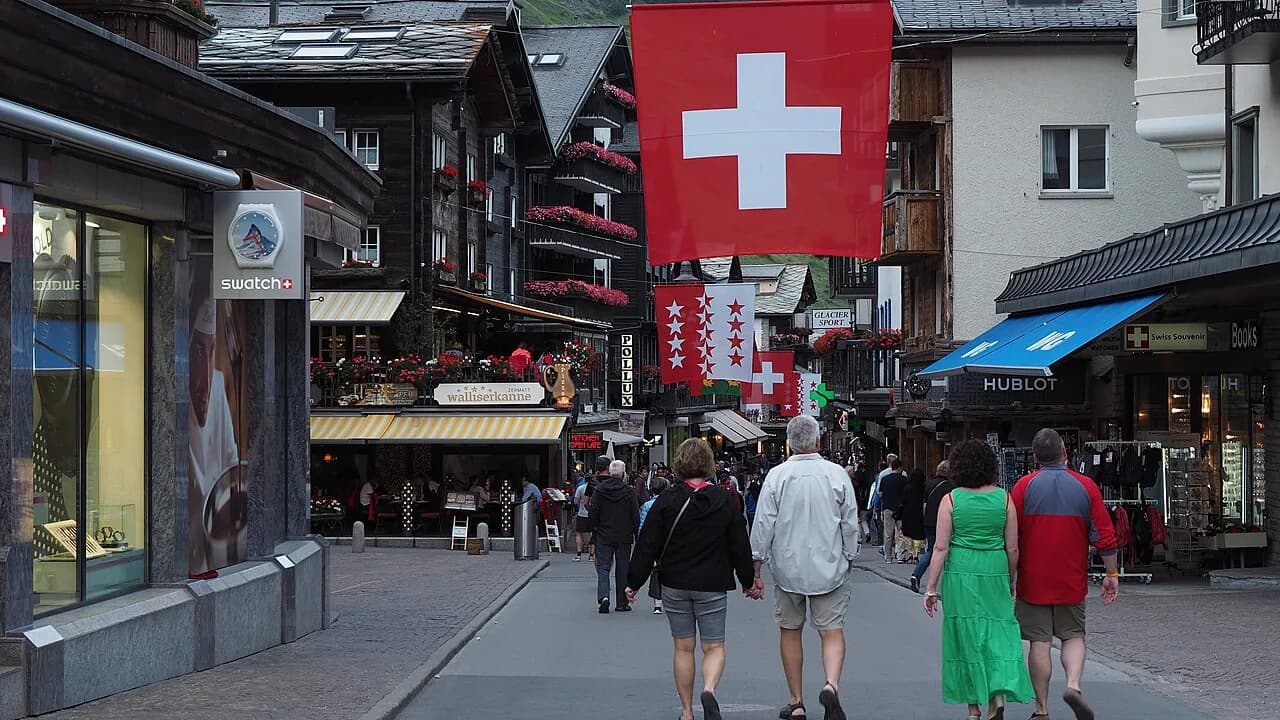
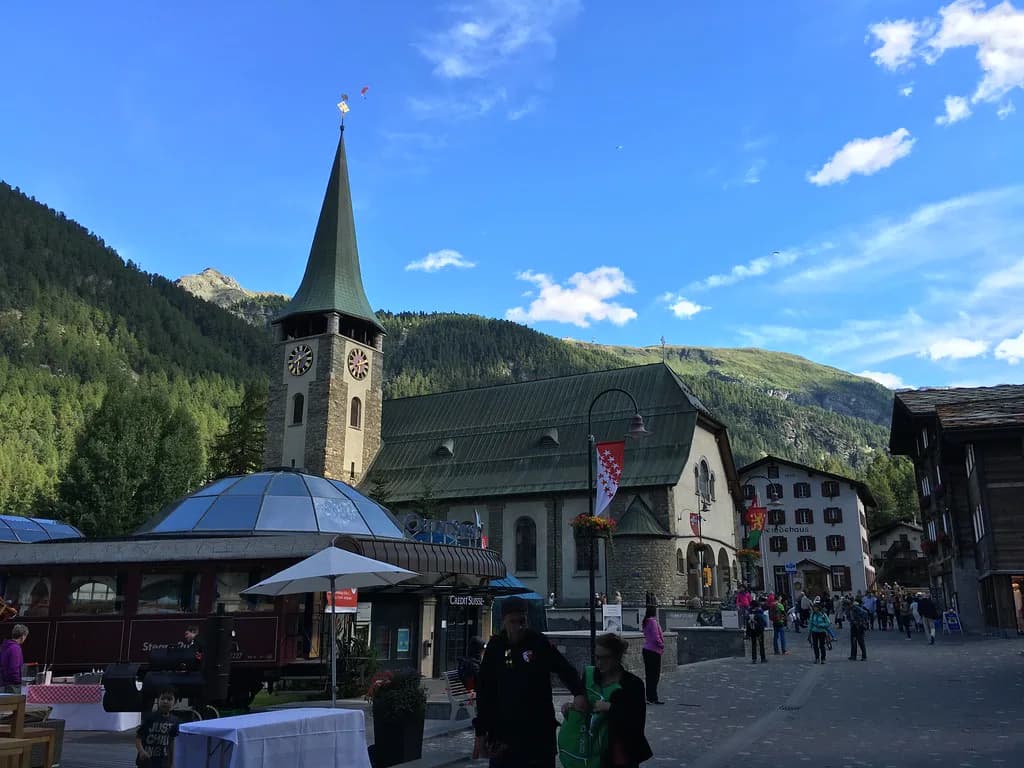
The village itself is compact and made for walking. Kirchplatz, the square where the Matterhorn Museum sits, is a few minutes from the main street, and the walk between the two takes under ten minutes, which makes an afternoon museum visit easy to slot in after a morning outside.
When Autumn Runs and Why Late October Needs Planning
September and early October behave like an extension of summer, with lifts and hotels still in seasonal operation. Late October and early November are the transition weeks when operators schedule maintenance and pause services before the winter season starts. If your dates land in that window, decide which single high viewpoint matters most and confirm its operation before booking anything else.
The Matterhorn Museum illustrates how specific the autumn calendar gets. Its published schedule gives a daily 15:00 to 18:00 window during operating periods, a closure from 1 to 19 November 2026, and a Friday-to-Sunday-only 15:00 to 18:00 pattern from 20 November to 17 December 2026, before daily hours resume from 18 to 31 December 2026. Treat those dates as the published plan for that season rather than a promise for every year, and confirm the current timetable on the museum's own page.
If your trip falls squarely in October, the dedicated guide to zermatt in october covers how that month behaves and what a shoulder-season day looks like.
What Autumn Weather Feels Like Village to Summit
The village and the summits are two different climates on the same day. Down at street level you can walk in a light jacket; at the Rothorn, listed at 3,103 meters, you should expect wind and much colder air even when the valley is mild, so pack a shell, a warm mid-layer and gloves for any high day.
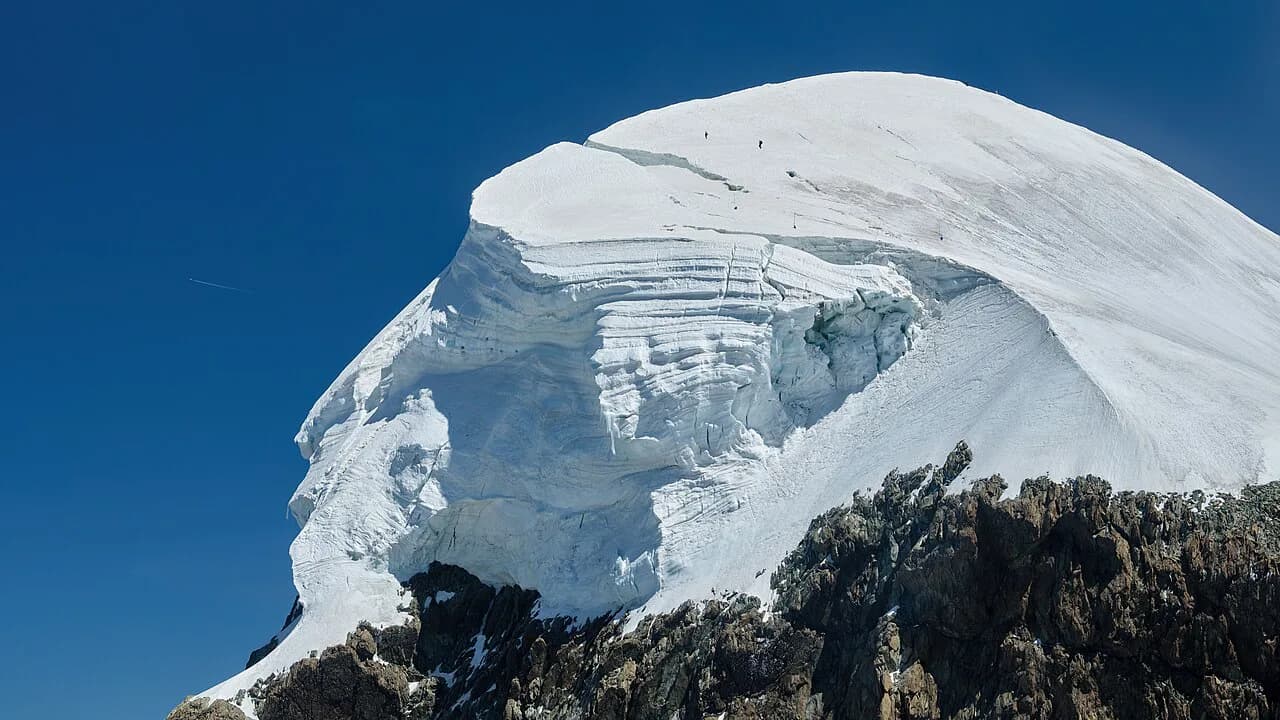
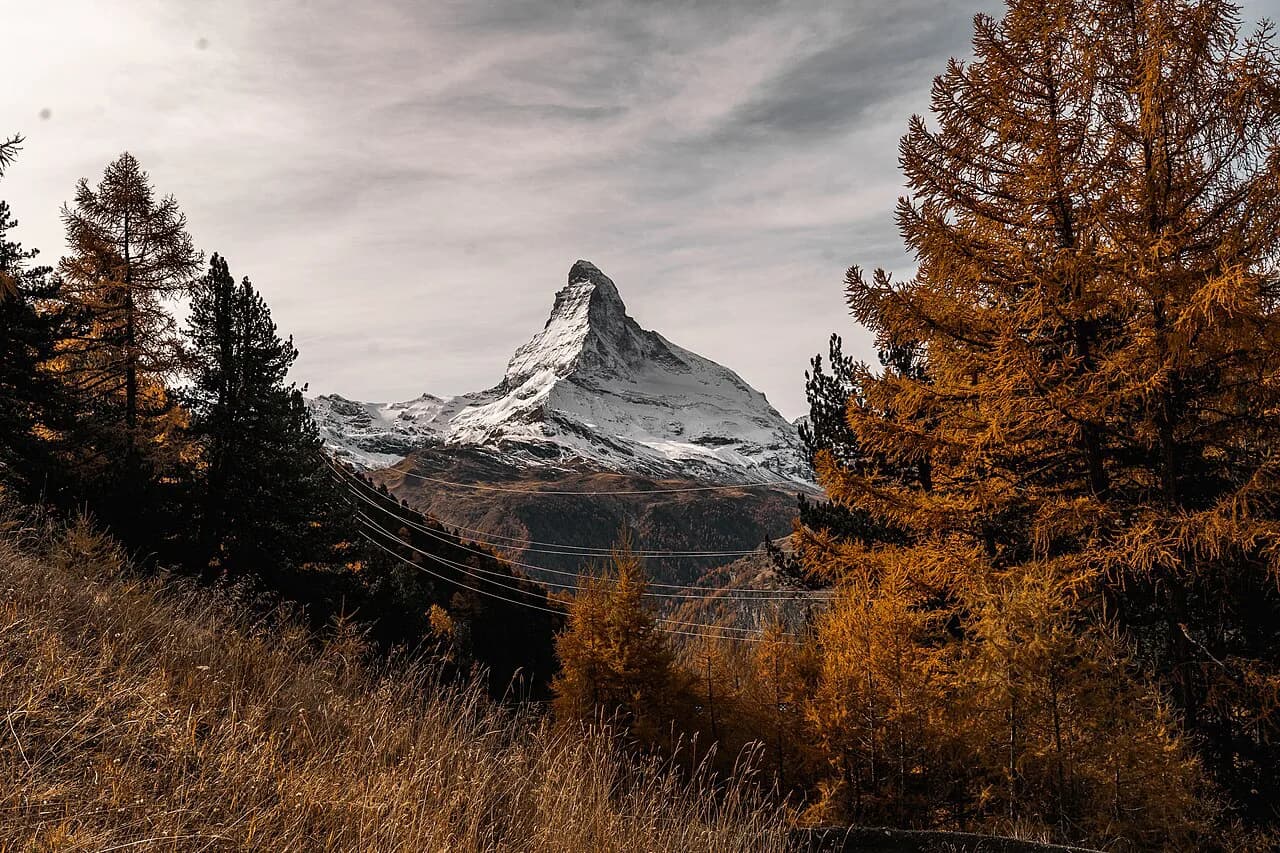
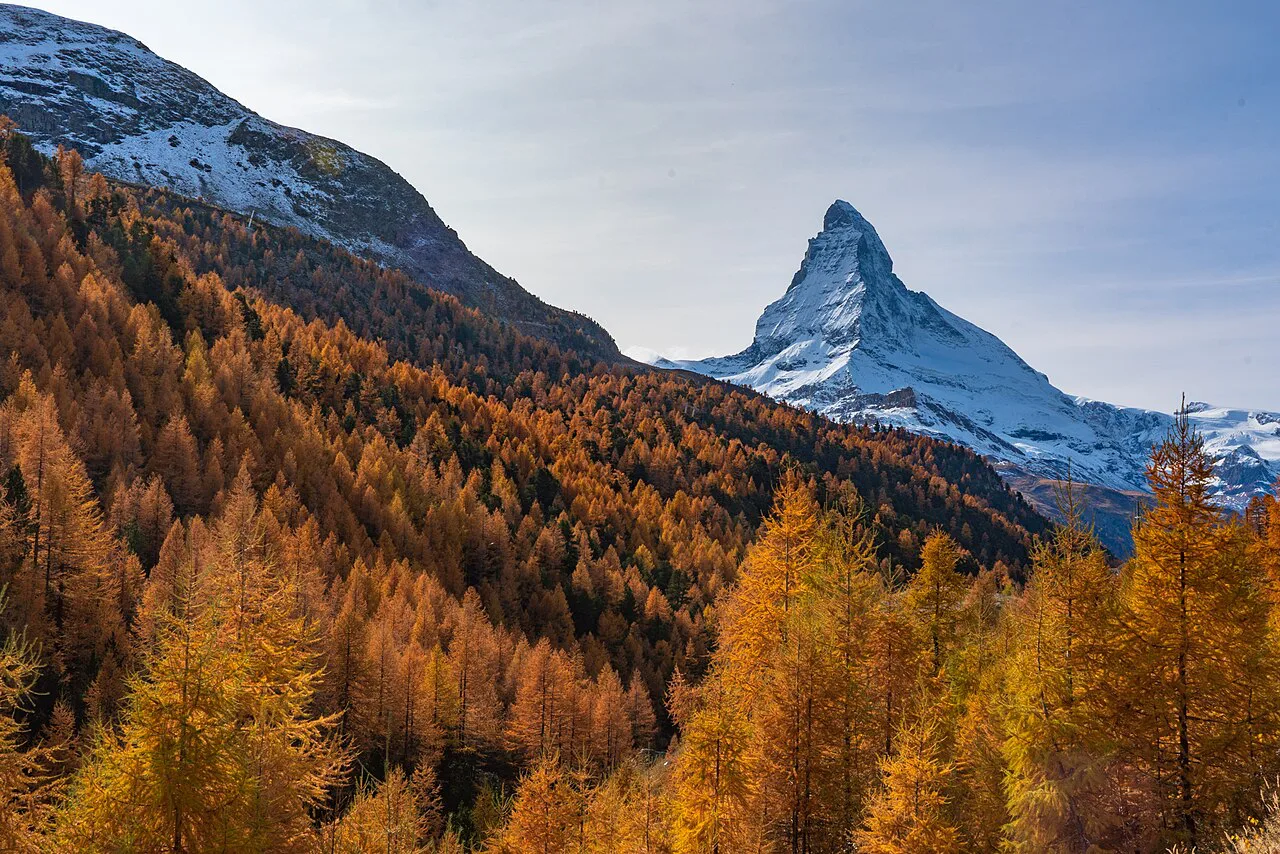
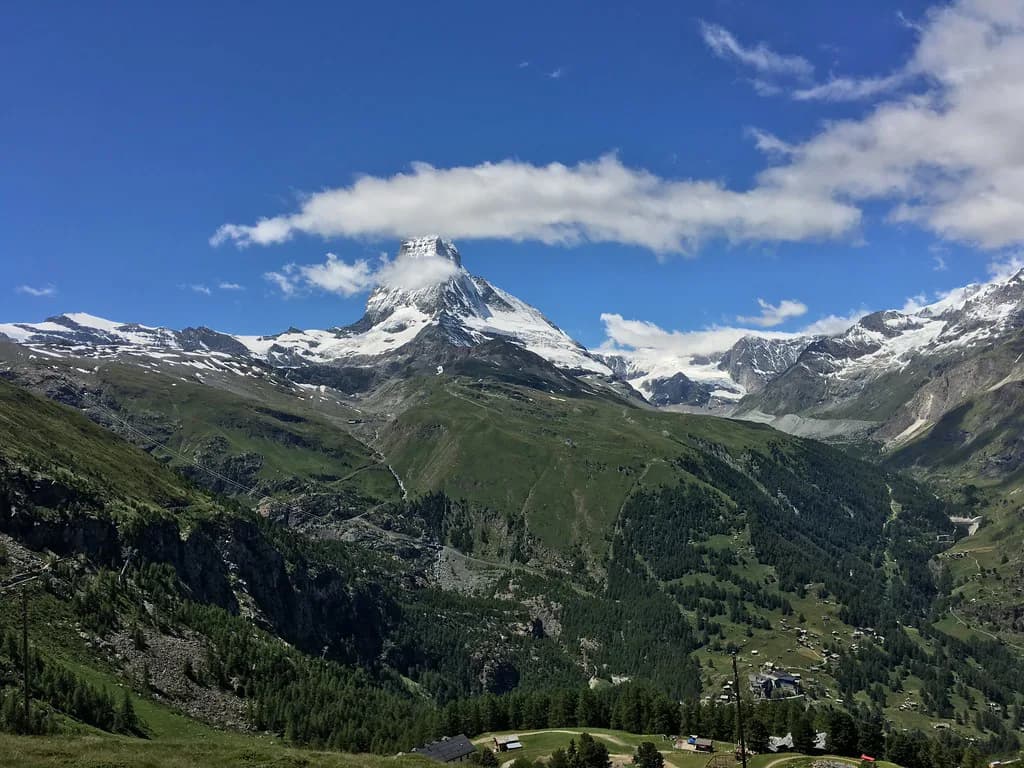
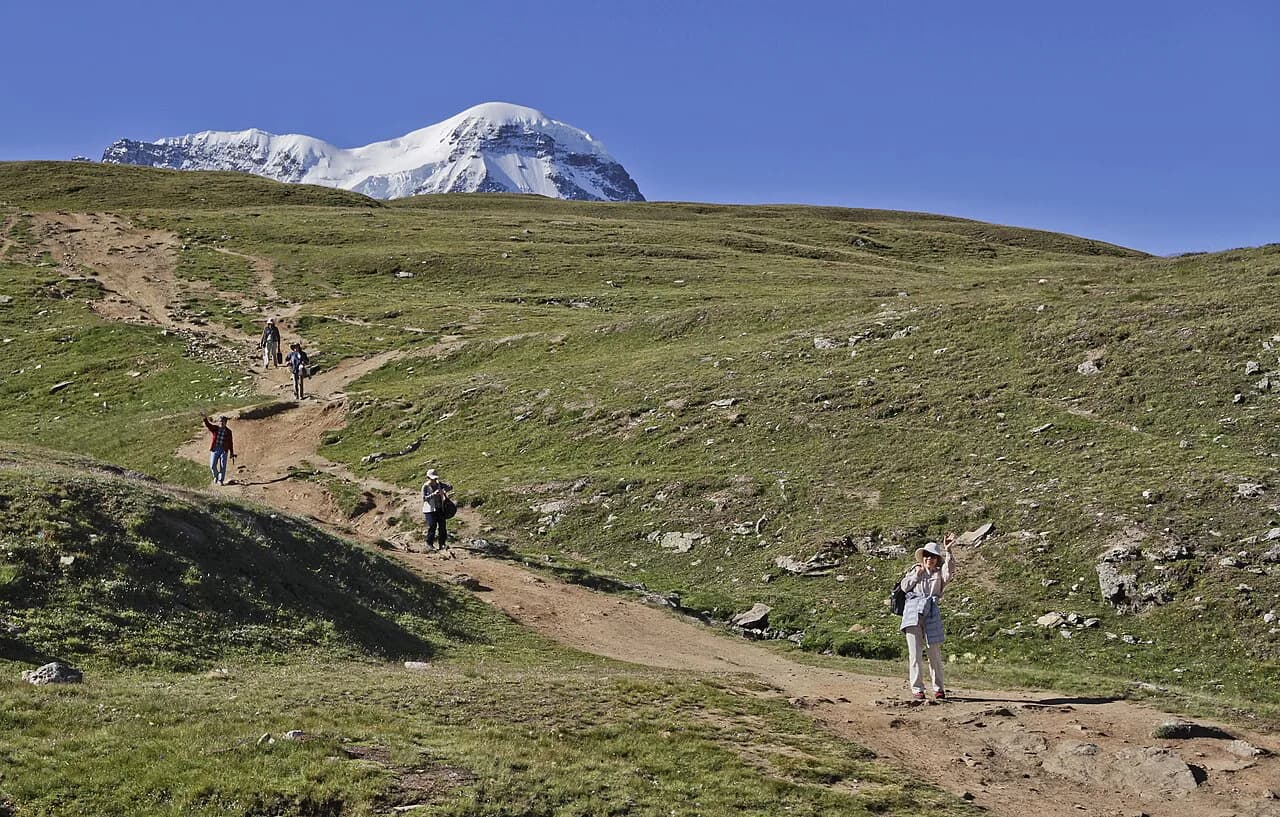
Autumn light is the practical bonus: the Matterhorn stands free of the haze that builds in high summer, and the Rothorn is described as a vantage point for seeing the peak detached from the surrounding ridges. Go early, because cloud often builds through the afternoon and the last cable car down constrains how long you can stay up.
The Matterhorn Museum – Zermatlantis: The Dependable Indoor Stop
The Matterhorn Museum – Zermatlantis is the one attraction you can plan around in almost any autumn weather. It sits underground at Kirchplatz and reconstructs the old village with original houses, a multimedia room and objects from the first ascent of the Matterhorn on 14 July 1865, including the original broken rope. Four of the seven climbers died on the descent, and the museum tells that story directly rather than glossing it.
Entry is tiered by visitor category: adults CHF 12, seniors aged 64 and over CHF 10, groups of at least eight CHF 10 per person, youths aged 10 to 16 CHF 7, students CHF 8, and children up to 9 free with an adult. School classes pay CHF 5 per child for up to 25 pupils with the teacher free. The museum accepts the Museum Pass and the Swiss Travel Pass, Swiss Flexi Pass and Swiss Youth Pass, which matters when you are deciding whether a rail pass earns its keep.
Because the standard opening window starts at 15:00, the museum suits a late-afternoon slot after a morning walk or a mountain ride rather than a full day indoors. An audio guide is available in German, English, French and Japanese, and the building is rollstuhlgängig per the museum listing, meaning wheelchair accessible.
Pair the museum with a look at the rest of the Zermatt Attractions: 8 Visitor Guides if you want to decide which village sights are worth the time alongside it.
High Viewpoints: Rothorn and Gornergrat
The Rothorn is the classic autumn panorama. A scenic railway from Blauherd carries you up to the 3,103-meter summit, and the published operating hours are 10:00 to 17:00 daily. The Peak Collection sculpture exhibition on top explains the surrounding four-thousand-meter peaks, their rock types and their first climbers, which gives a clear day some structure.
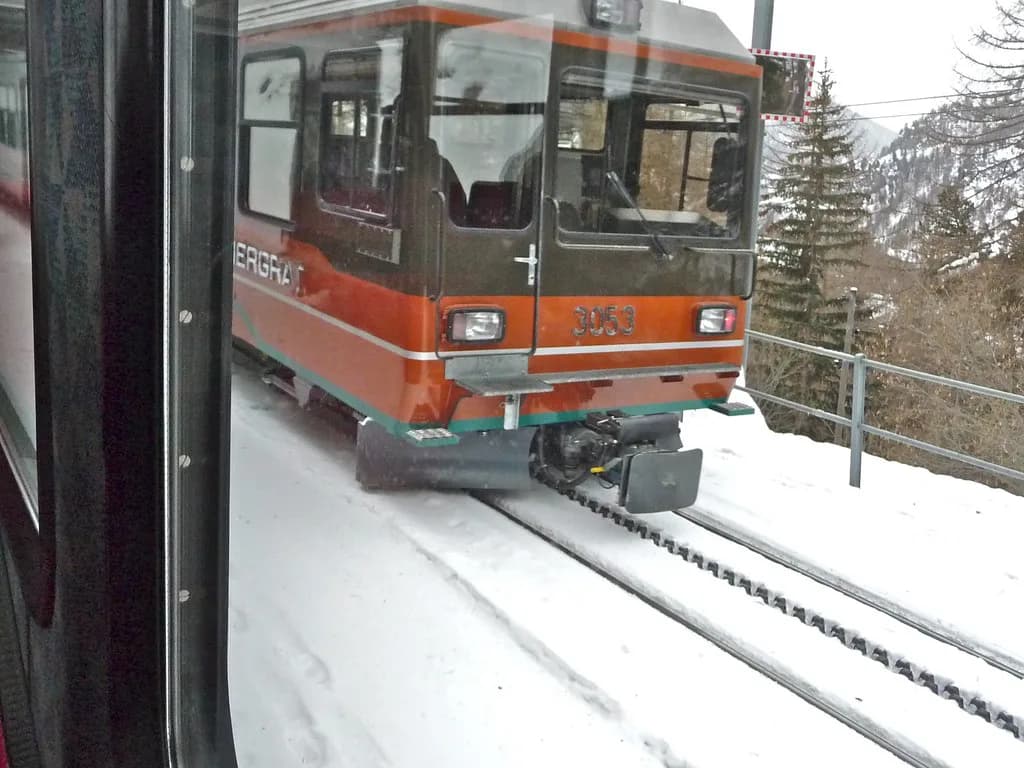
Gornergrat is the other headline ride, and it is the one most autumn visitors picture when they think of the Matterhorn reflected in a lake below a cogwheel train. Ticket prices and autumn operating dates vary by season and are not fixed here, so check the Gornergrat Bahn's own page before you build a day around it.
Read the dedicated Gornergrat Railway guide if you want the layout, the ride and the walking options at the top laid out before you commit a day.
Verifying Mountain Railways Before You Commit
In the shoulder season, lift and railway schedules are the single biggest planning risk. Maintenance windows are scheduled in the quiet weeks before winter, and a line that ran all summer can be paused for exactly the days you booked. Build each day around one ride, confirm it the evening before, and keep a village-level alternative ready.
The Zermatt Tourism live map and summer map pages are the fastest way to see which pistes and trails are open on a given day. For autumn, use them only as a starting point and confirm the specific lift on the Zermatt Bergbahnen site, since seasonal timetables change year to year.
If you are weighing whether an autumn trip beats a warm-month trip, the guide to zermatt in september covers the early-season version, when more is still running.
A Two-Day Autumn Plan That Fits Shorter Daylight
Day one: take the first available ride to the Rothorn, spend an hour on the Peak Collection and the panorama, and come down by early afternoon. Walk the village lanes and Kirchplatz, then use the 15:00 to 18:00 museum window for the Zermatlantis exhibition. That packs a high point and an indoor one into a single short day without rushing.
Day two: ride to Gornergrat if it is running, or stay low and walk out from the village if cloud is sitting on the ridges. Finish with an early dinner, because autumn evenings close in fast and the village quiets early.
April behaves quite differently, so if you are choosing between the two shoulder seasons, the zermatt in april guide shows how the spring version compares.
A Three-Day Autumn Plan for Slower Travelers
Add a third day and you can split the high country across two separate weather windows rather than gambling on one. Give the Rothorn one clear morning and Gornergrat another, and keep the museum as the fallback for whichever day turns grey.
Use the extra time for the village itself: the older lanes, the church square and the walk between the two, which takes under ten minutes. A late-season trip with three days can absorb one closed lift without losing the holiday, which is the real reason to build in the buffer.
For a warmer, busier version of the same village, the zermatt in summer guide shows what the peak season looks like by comparison.
What a Day Costs in Swiss Francs
Anchor your budget on the museum first, because its prices are published and predictable: CHF 12 for an adult, CHF 10 for a senior, CHF 7 for a youth aged 10 to 16, CHF 8 for a student, and free for a child up to 9 with an adult. A family of two adults and two teenagers pays CHF 38 for the museum, which is one of the cheapest half-days in Zermatt.
Mountain railway tickets are the largest line in an autumn budget and vary by route, season and pass, so price the exact ride you want with Zermatt Bergbahnen before you travel rather than assuming a summer rate. Budget for the transport up and down, since that is where the cost sits.
Where to Cut Costs
The museum accepts the Museum Pass and the Swiss Travel Pass, Swiss Flexi Pass and Swiss Youth Pass, so if you already hold one of those, the entry cost drops out of the equation entirely. Children up to 9 enter free with a paying adult, and the senior rate starts at 64, which is worth noting if you are traveling with grandparents.
Village-level days are the cheapest days: walking the lanes, sitting on Kirchplatz and using the free viewpoints costs nothing beyond food and drink. When a lift is closed or the cloud is down, switching to that plan protects the budget rather than spending on a ride with no view.
Walking and the Village in Autumn
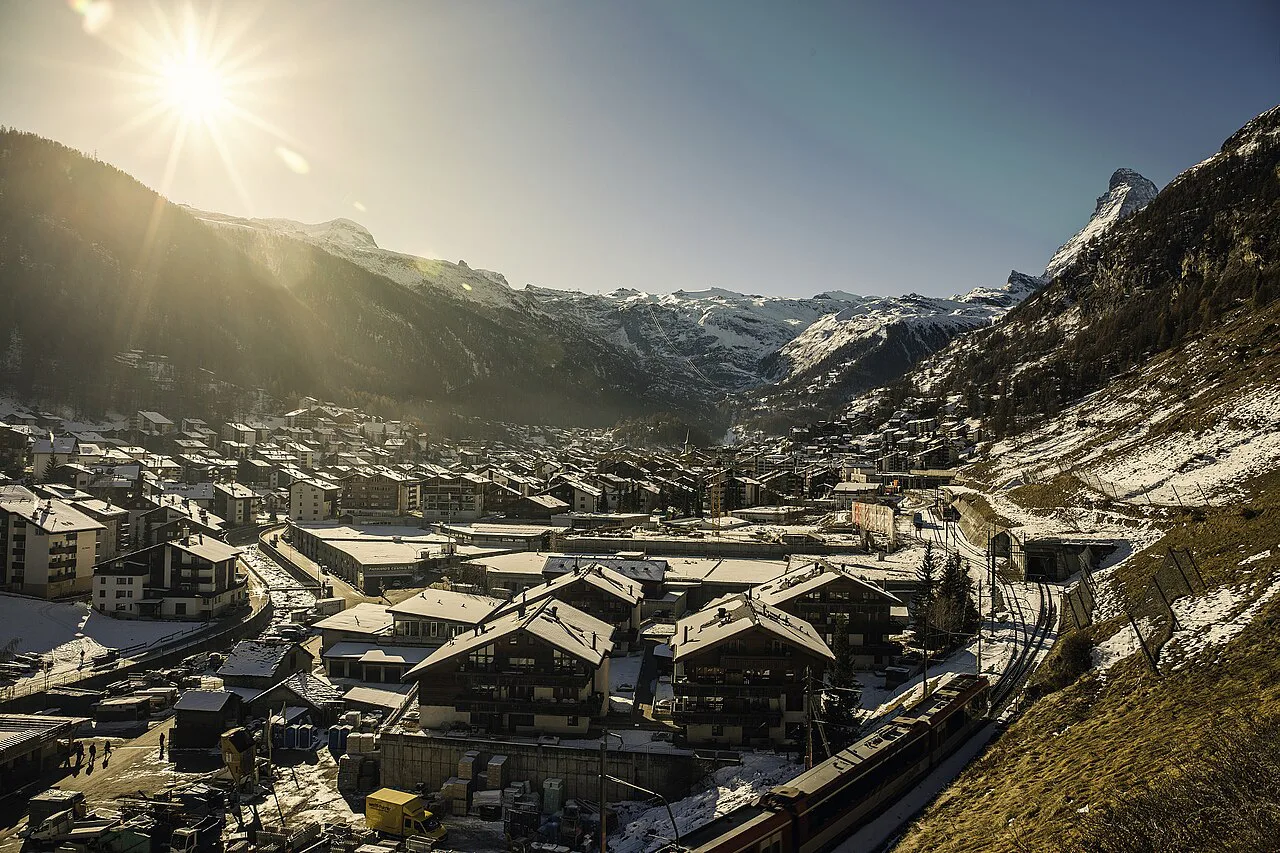
The village is small enough that most of a day on foot is realistic, and the flat valley floor makes it easy to keep going when the light fades early. Figure on under ten minutes between Kirchplatz and the main street, and use the village as your bad-weather base rather than committing to a long outing.
Trail conditions at altitude change quickly in autumn, and some paths close as snow arrives. Check the live map for what is open on your dates, and treat any high route as a bonus rather than a plan you build the day around.
If you want a different autumn city break for contrast, basel in autumn shows how a Swiss city handles the same season, with its own museum and riverside rhythm.
Honest Trade-offs: Closures, Light and the September-October Split
September and late October are genuinely different trips. September keeps more lifts running and longer days; late October brings shorter light, scheduled pauses and the museum's 1 to 19 November 2026 closure, which takes away the most reliable indoor option for that stretch. If your heart is set on the museum, avoid that window or accept the village-only version of the trip.
One more trade-off is altitude. The Rothorn sits at 3,103 meters and the ride from Blauherd is the only easy way up, so if anyone in your group reacts badly to height or cold, the village and the museum make a complete day on their own without any loss.
For a city counterpart with the same shoulder-season logic, bern in autumn sets out how the capital handles the quieter weeks.
Common Mistakes to Avoid
The biggest mistake is assuming a summer lift schedule carries into late October. Check the specific line, not just the resort as a whole, and plan a village day as the backup. The second is turning up at the museum in the morning: the published window is 15:00 to 18:00, so an early arrival means waiting.
The third is under-dressing for the summit because the village felt mild. Pack for two climates, and add a hat and gloves even on a sunny forecast. The fourth is treating autumn foliage as the reason to come: the appeal here is clear air and open views, not a color season.
Plan Your Autumn Trip
Autumn in Zermatt works best when you treat it as two trips layered together: a high, weather-dependent mountain day and a low, dependable village day. Lock in the museum's published hours and prices as your fixed point, keep one flexible morning for the Rothorn or Gornergrat, and confirm that specific lift the evening before you ride it.
If you want the full seasonal comparison before booking, the best time to visit guide sets autumn against the rest of the year so you can decide whether September, late October or a warm-month trip suits you.
Explore more Zermatt guides
Frequently Asked Questions
What is there to do in Zermatt in autumn?
Ride to a high viewpoint such as the Rothorn, whose listed operating hours are 10:00 to 17:00 daily, or Gornergrat when it is running. Visit the Matterhorn Museum – Zermatlantis, which opens in the afternoon window from 15:00 to 18:00 during operating periods, and walk the compact village lanes around Kirchplatz.
Is Zermatt worth visiting in October?
October gives you smaller crowds and clear Matterhorn views, at the cost of some seasonal closures and shorter daylight. Late October needs the most checking because operators schedule maintenance before winter. If a clear mountain view is the goal, go early in the month; if you want the museum as a fallback, note its published closure from 1 to 19 November 2026.
What is open in Zermatt in November?
Early November is the quietest stretch. The Matterhorn Museum's published schedule shows it closed from 1 to 19 November 2026, and some mountain railways pause for maintenance. Check the specific lift and the museum's timetable, and keep a village-level plan as the backup.
How much does the Matterhorn Museum cost?
Adults pay CHF 12, seniors aged 64 and over CHF 10, youths aged 10 to 16 CHF 7, students CHF 8 and groups of eight or more CHF 10 per person. Children up to 9 enter free with an adult, and the Museum Pass and Swiss Travel Pass are accepted.
How many days do you need in Zermatt in autumn?
Two days cover one high viewpoint and one museum afternoon. Three days let you split the high country across two separate weather windows and absorb a closed lift without losing the trip. The village itself is compact, with under ten minutes between Kirchplatz and the main street.
Is September a good time to visit Zermatt?
September keeps more lifts running and gives you longer days than late October, which makes it the safer choice if a high viewpoint is the main reason for the trip. It is also busier than the last weeks of the season. Compare it with October if quiet matters more than the full lift menu.
Is the Matterhorn Museum open in November?
The published schedule shows the museum closed from 1 to 19 November 2026, then open Friday to Sunday from 20 November to 17 December 2026, and daily from 18 to 31 December 2026. Those dates describe that season, so confirm the current timetable before you rely on it.
Sources
Notes for your Swiss city break
Optional updates to our Swiss city guides.
You might also like
Continue reading
More guides you'll find useful