Where to Go in Switzerland: Cities, Lakes and Mountain Bases
Choose where to go in Switzerland by trip type and season, with the cities, lakes and mountain towns that suit a short break and how to split your days.
On this page
For a few days in Switzerland, choose one city base and one lake or mountain base. Bern, Lucerne, Geneva and Zürich are the city anchors, Lavaux, Lake Thun and Lake Brienz are the lake add-ons, and Zermatt and Interlaken are the mountain add-ons. Adding a third base usually costs more in transfer time than it returns in sights.
The country is small on a map and slow on the ground: mountains sit between the obvious pairs, and a two-night stop with a three-hour transfer at each end leaves one usable day. Decide first whether you want museums and old-town streets or viewpoints and mountain railways, then pick the base that delivers that in the fewest moves. A workable switzerland itinerary pairs a compact city with a lake or valley that is an easy ride away.
How to Choose a Base
Judge each candidate on three things: how far you walk from the station into the interesting streets, whether the day's plan is museums or a mountain, and how many nights the place genuinely needs. Bern's old town compresses into a couple of hours of strolling; Zermatt needs a full day for the Matterhorn viewpoints plus the long ride in and out.
What are the best cities to visit in Switzerland for a short break? Bern, Lucerne, Zürich and Geneva are the strongest short-break cities. Bern is compact and walkable around Kramgasse and the Zytglogge; Lucerne pairs the Kapellbrücke and old town with two mountain railways; Zürich is the easiest arrival and has the densest fountain-lined center; Geneva adds the Jet d'Eau and Palais des Nations tours.
Is 3 days enough for Switzerland? Three days covers one city and one mountain day, which is a satisfying short break but not the whole country. Skip Zermatt, Lugano and any long transfer, and keep a spare indoor option for a cloudy or wet day.
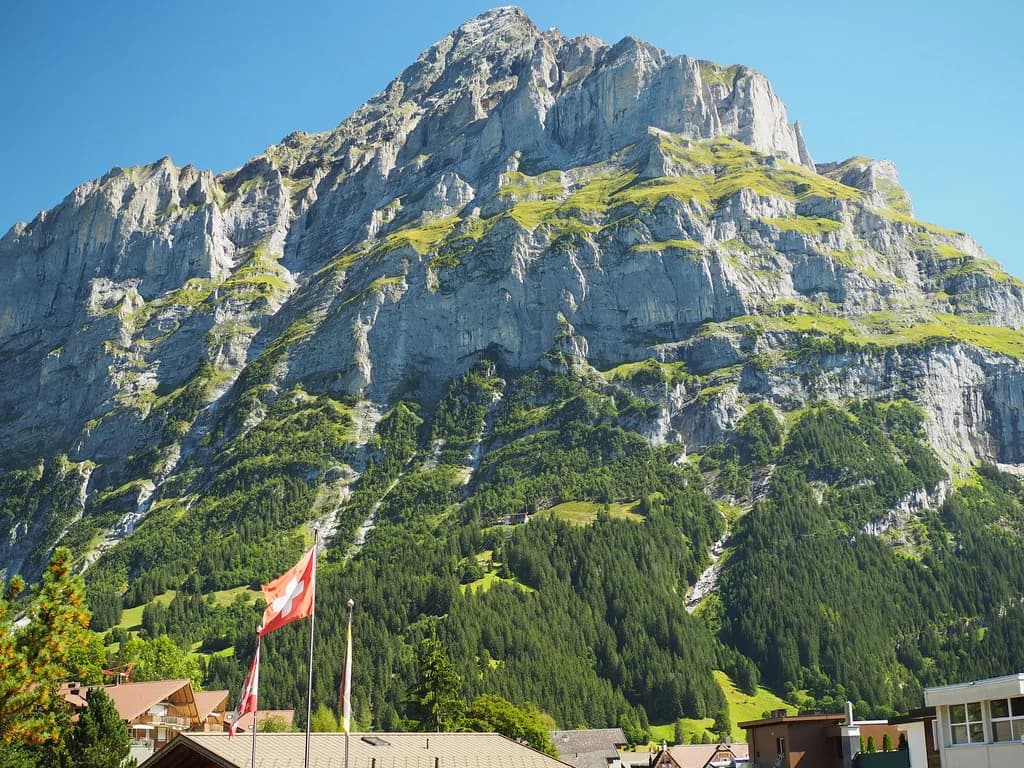
Where should I go in Switzerland for lakes and mountains instead of cities? Interlaken is the practical mountain and lake hub, set between Lake Thun and Lake Brienz with the Schilthorn cable car and the Lauterbrunnen Valley close by. For a quieter base, small villages such as Kandersteg or Grindelwald trade convenience for calm.
Museums shape the calendar because many Swiss collections keep six days a week, so a Monday in a museum town can leave you with churches and streets instead. Build the plan around the sights you most want to see, then fill the rest with walking. City guides on this site give the detailed day-by-day versions of each base; this page only decides which ones belong in your trip.
Bern: The Compact Capital Base
Bern is Switzerland's capital, not Geneva, and its old town is a single arcaded street nearly blocked by the view of the Zytglogge clock tower and the river bend beyond. The Einsteinhaus at Kramgasse 49 occupies the second-floor apartment where Albert Einstein lived with his wife Mileva Marić from 1903 to 1905, preserved to reflect that period. In between, Bern's fountains line the streets, which makes the city work as a half-day walk plus one museum.
That compactness is the argument for Bern as a base: you can see the headline sights on foot in a morning, spend the afternoon indoors, and still have an evening. It suits travelers who want a city that does not demand a second day. If your priority is mountain railways rather than arcades, put Lucerne or Interlaken first instead.
Lucerne: Bridge, Old Town and Two Mountains
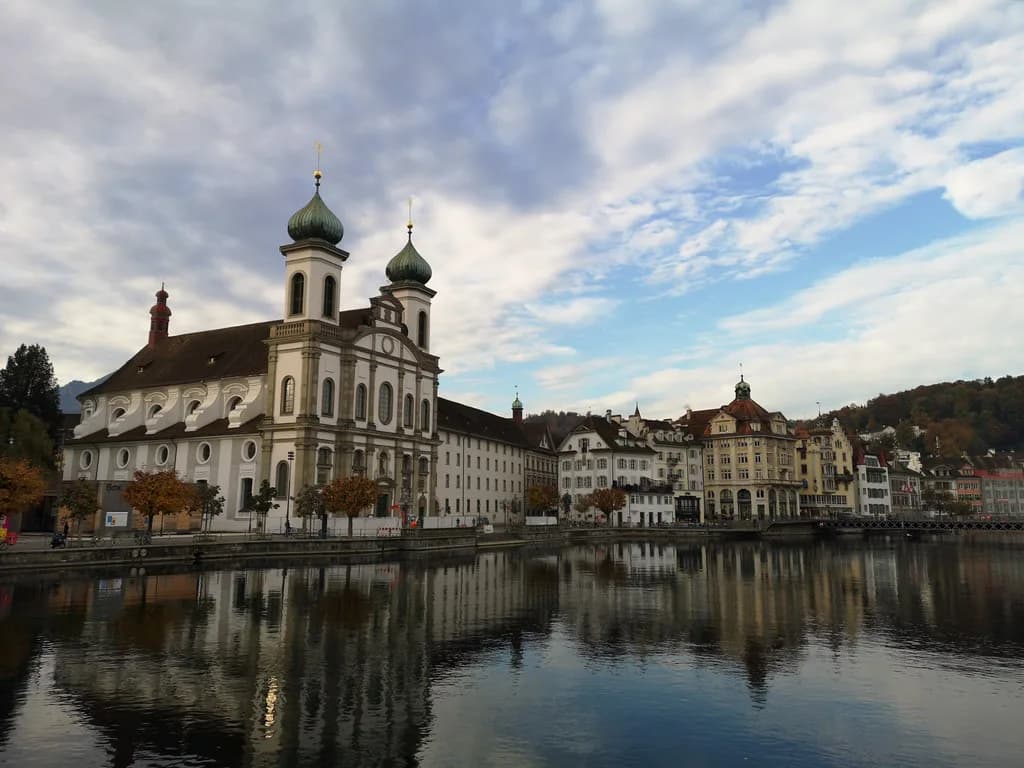
Lucerne pairs a medieval core with mountain transport leaving from the edge of town. The Kapellbrücke, a covered wooden bridge first built in the 14th century, crosses the Reuss with its Wasserturm rising mid-span, and its triangular paintings narrate the city's history. The surrounding old town adds 15th-century frescoed houses and medieval towers, enough for a slow half day before the mountains.
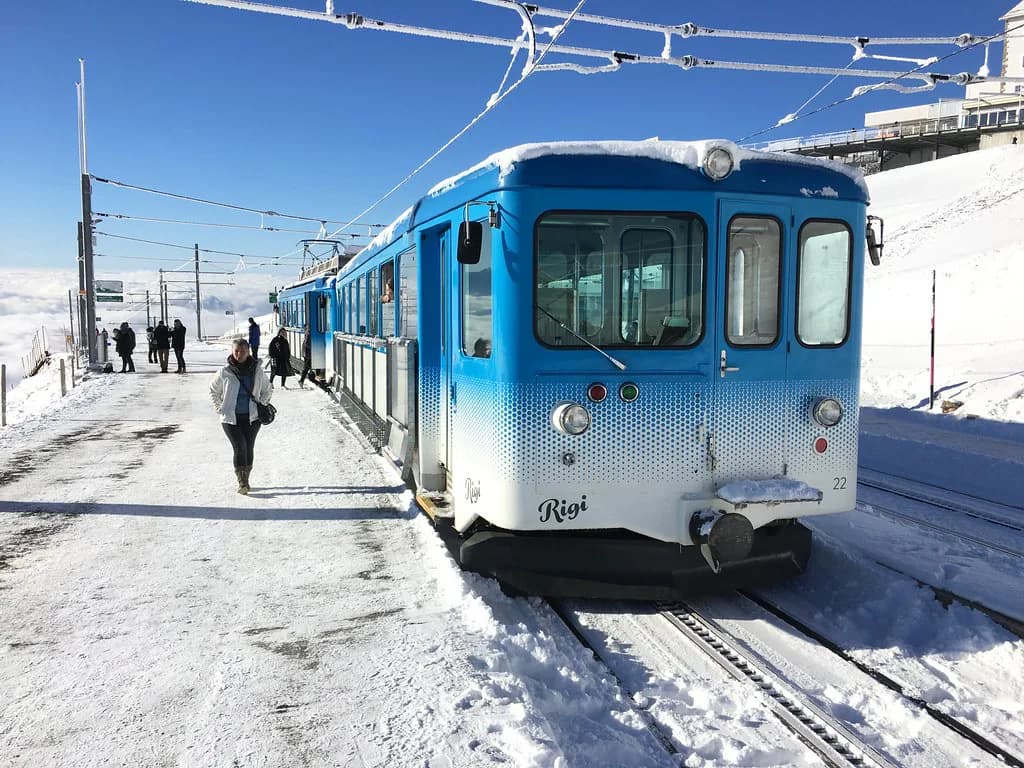
Two mountain options define a Lucerne stay. The Pilatusbahn climbs from the Lake Lucerne shore to the Pilatus summit at gradients up to 48 degrees, running since 1889, and you reach its base at Alpnachstad by boat or by train from Lucerne. The alternative is the open-top aerial cable car from Stans to Mount Stanserhorn, roughly a half-hour ascent with views over the lake and meadows.
Do not try both mountains in one short stay. Each consumes most of a day once you count the ride up, the time at the top and the return, and weather can close the upper sections, so keep one as a spare. Ticket prices and operating days are published by the lift and railway operators, so confirm them there before you commit to a date. If you would rather link the peaks by rail than repeat a summit, compare the panoramic routes in the guide to switzerland scenic trains.
Zürich, Geneva and Basel: The Big-City Entries
Zürich is the most convenient arrival city and has more fountains than any other city in the world, which gives even a short walk through the center a running theme. Geneva, at the southern end of Lake Geneva, is the cultured, cosmopolitan gateway with the United Nations' European headquarters in the Palais des Nations, visited on guided tours that include the assembly halls and committee rooms. Basel adds the Dreiländereck, the marked point where Switzerland meets France and Germany, and the tiny Hoosesagg Museum on Imbergässlein 31, a window display that changes its collection monthly.
Geneva's waterfront carries the Jet d'Eau, a fountain jet reaching 140 meters, which is one of the city's best-known landmarks and free to look at from the lakefront promenade. Choose Zürich for a first arrival, Geneva for an international flavor and lakefront walks, and Basel only if you are passing toward France or Germany. Each is a full city rather than a base for the Alps.
Lake Geneva and Lavaux: Terraces and a Castle
The Lake Geneva shore works as a lake add-on to Geneva or as a stop of its own. Château de Chillon, a castle with roots reaching back to Roman times, sits on the water near Montreux and is reached easily by train from Geneva or Montreux. Allow a couple of hours inside for the medieval halls and dungeons, then walk the lakeshore before heading back.
The Lavaux terraced vineyards stretch along the lake between Lausanne and Montreux and are a UNESCO landscape, with walking trails from Saint-Saphorin or Grandvaux to Lutry or Cully. This is the strongest lake-and-vineyard day in the country for travelers who want scenery without a cable car. The trade-off is that the terraces are steep, so pick a short section rather than the full traverse if you have an afternoon.
Lake Thun, Lake Brienz and Interlaken
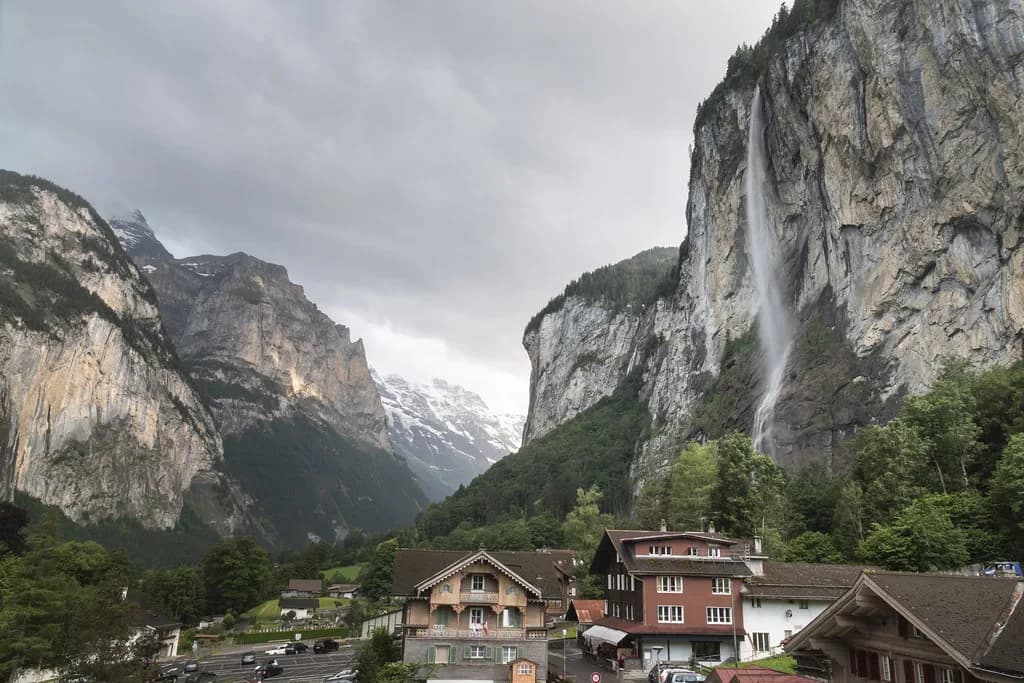
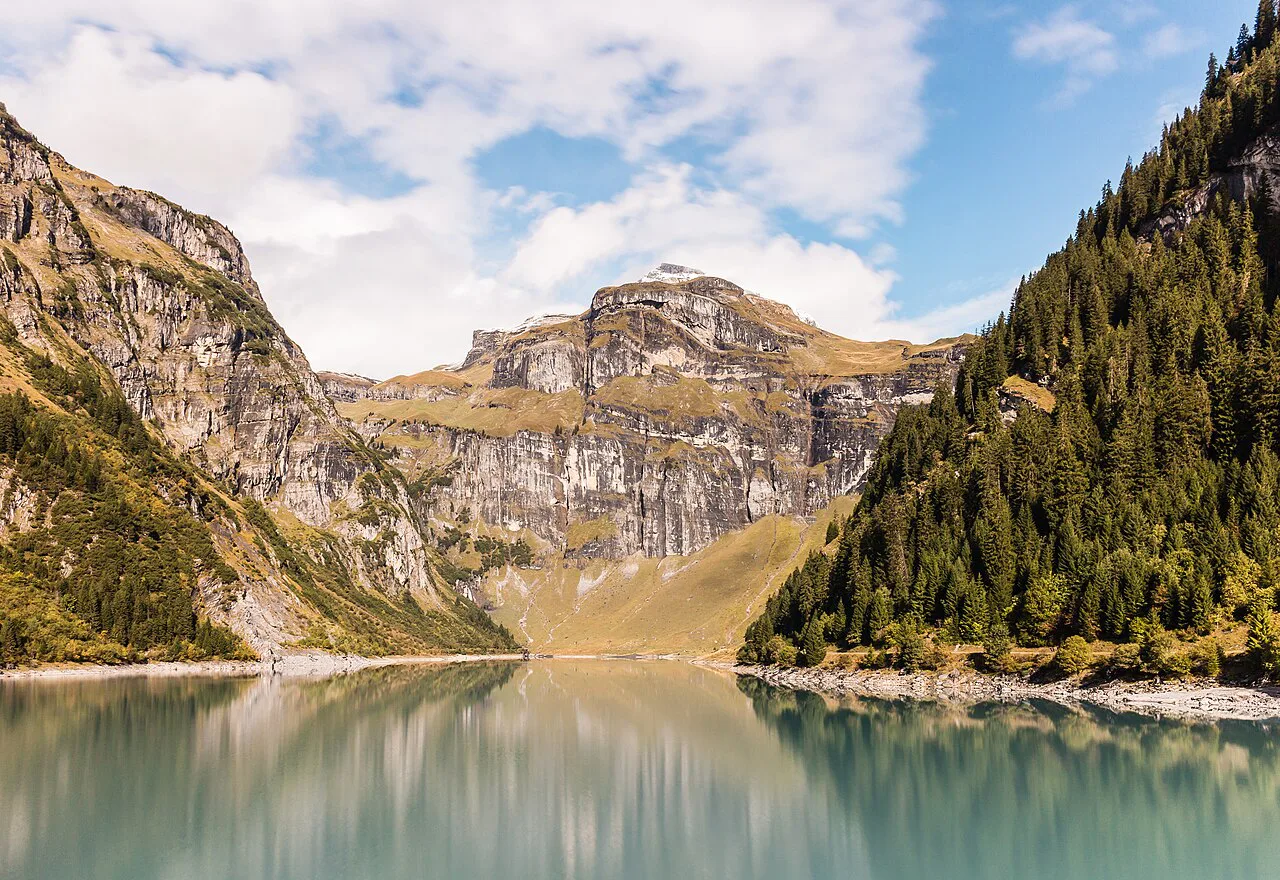
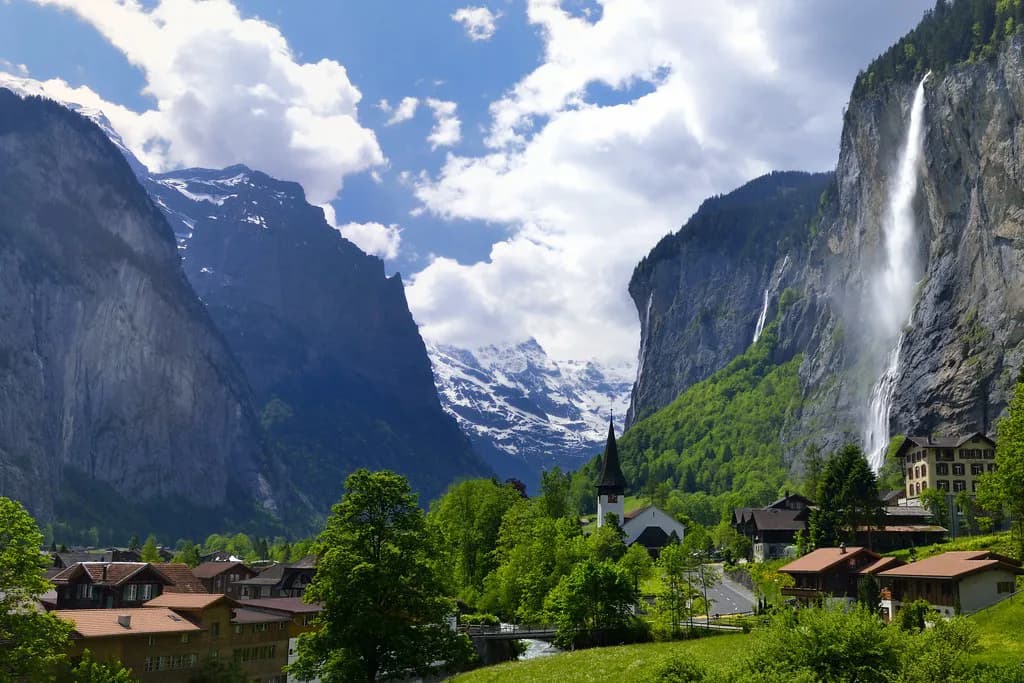
Interlaken is a resort town set between Lake Thun and Lake Brienz, which is exactly why it works as a mountain and lake base: boats, trains and the Schilthorn cable car all radiate from it. The Schilthorn summit is the one used in On Her Majesty's Secret Service, and the cable car ride to the summit reportedly takes around 45 minutes. The Lauterbrunnen Valley, a short hop away, is walled with waterfalls and Alpine villages. If you want the full day-by-day version of these trips, see things to do in Interlaken.
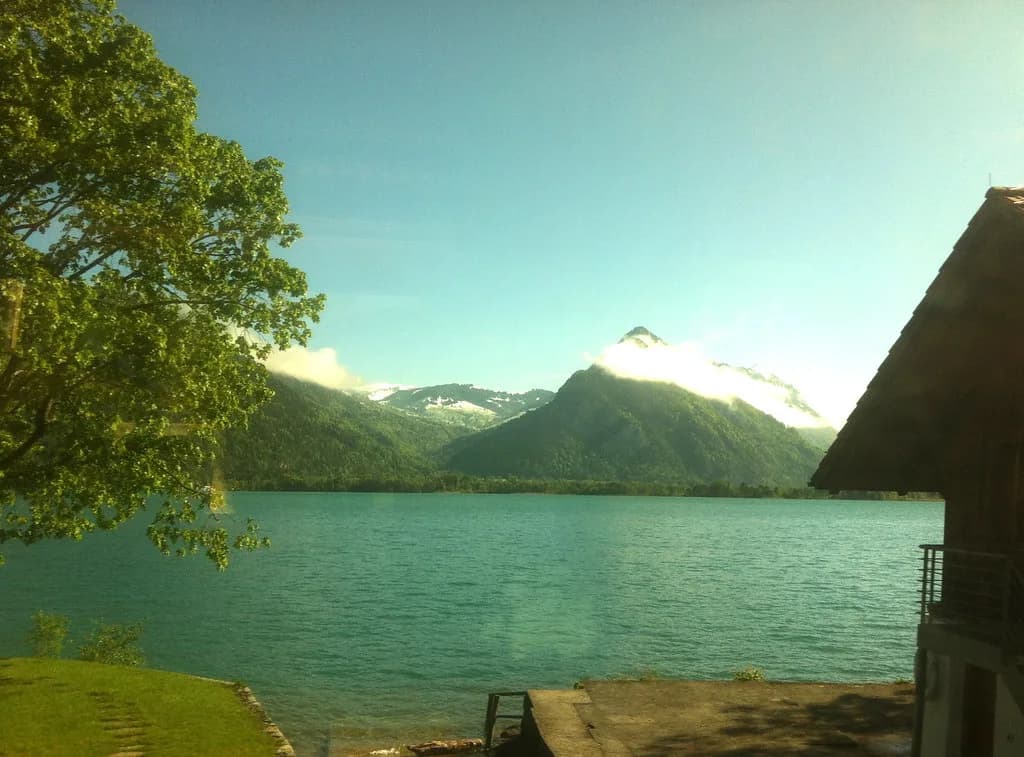
The trade-off is that Interlaken is busy, and a village base such as Kandersteg or Grindelwald trades convenience for quiet. For a short trip the hub wins on logistics: you can reach either lake and the valley without changing accommodation. Lake Thun and Lake Brienz also give you low-effort days when the high mountains are clouded in.
Zermatt: Car-Free Streets and the Matterhorn
Zermatt is free of combustion engines, with battery-powered vehicles keeping the streets quiet, and the Matterhorn rises at the end of the valley. Non-climbers see the peak from two viewpoints: a cable car or cogwheel train up to Gornergrat, or the Klein Matterhorn lift, both offering panoramic views without mountaineering. The 4,478-meter summit itself is a serious climb for experienced mountaineers only.
The cost of Zermatt is time. It sits at the end of a mountain valley, so the ride in and out eats a half day in each direction from most city bases, and a two-night stay is the minimum that justifies the trip. If you have only three days in Switzerland, save Zermatt for a longer visit and take a Lucerne mountain instead. If the Matterhorn is your reason for coming, weigh your dates against the best time to visit switzerland before you commit to the long valley transfer, and use things to do in Zermatt to plan the days once you have decided.
Lugano and Ticino: The Southern Stop
Lugano sits on the north shore of its glacial lake close to the Italian border, with more than 300 kilometers of trails around the city. It is a place to wander for a few hours through historic architecture, or to take a boat out on the water. The appeal is the change of register: Mediterranean light, lakefront promenades and an Italian-speaking culture rather than Alpine villages.
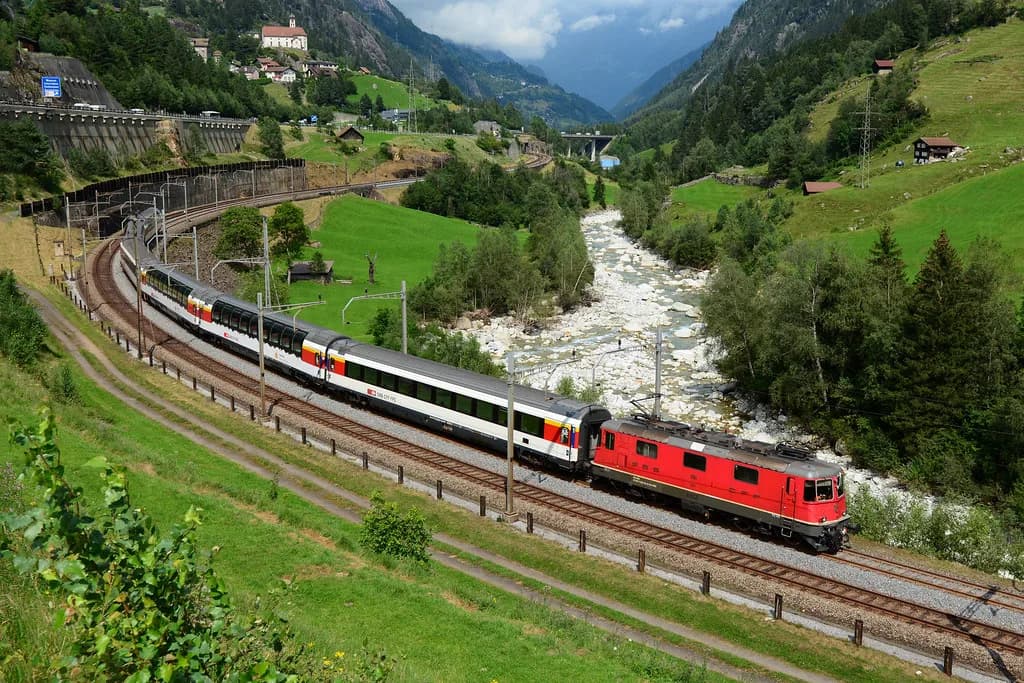
Lugano works as a short southern stop on a longer trip, not as the base for a first visit to the Alps. Coming from Zürich or Lucerne costs a long transfer through the Gotthard corridor, so give it at least two nights or leave it out. It pairs better with a ten-day plan than with a three-day one.
What It Costs and Where the Money Goes
Switzerland's prices are the main planning constraint, and mountain transport is where they concentrate. The typical big-ticket items are a cogwheel or cable-car ascent, a lake boat, and a scenic train such as the Glacier Express, the slowest express train in the world, which runs between Zermatt and St Moritz past vineyards, gorges and ruined castles. Build a rough budget around those three before you choose a base.
City days cost far less per hour: walking the old towns, bridges, fountains and lakefronts is free, and a museum ticket is a fraction of a mountain excursion. That argues for putting your paid days on the mountains and your cheap days in the cities, rather than paying for a lift on a cloudy morning. If you want the numbers behind the decision, this breakdown of whether is switzerland expensive sets out real CHF costs for a city break.
Travel passes are the other lever. A Swiss Travel Pass or Half Fare card can change the arithmetic on multi-ride days, so compare the pass price against the sum of your planned tickets before buying. Rail passes are sold by the national railway and by resellers, so confirm what each one covers before you rely on it.
Museum Days and Wet-Weather Plans
Museums are the best wet-day insurance, and they are concentrated in the cities: the Einsteinhaus in Bern, the Palais des Nations tours in Geneva, and the small Hoosesagg Museum in Basel. Pick one anchor museum per city day and leave the rest of the day flexible. That way a rainy morning does not force a rewrite of the whole trip.
Opening days vary by museum, and a closed door on the wrong day wastes a city stop. Check the museum's own site for the week you travel and put the fixed-time visit first in the day. Save the free outdoor sights for the hours around it.
Season Trade-Offs
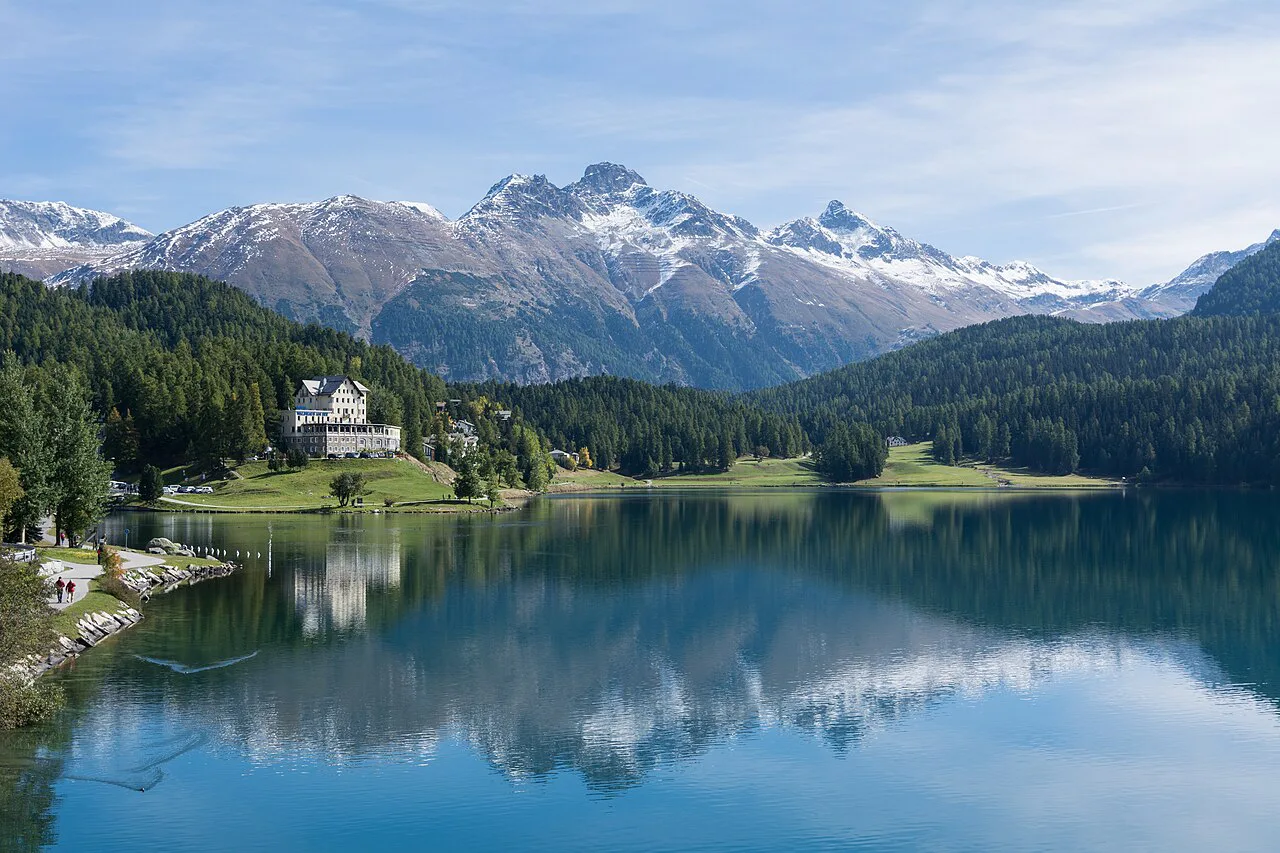
Lake terraces and valley walks are at their best when the vineyards are green and the paths dry, and high mountain transport is more reliable in settled summer weather. Spring and autumn give you smaller crowds and cheaper rooms but a higher chance that an upper cable-car section or a high path is affected by snow. The best time to visit switzerland guide covers the month-by-month picture; for planning purposes, treat any high viewpoint as weather-dependent and keep one indoor day in reserve.
Three Days, Five Days or a Week
Three days fits one city and one mountain, no more. A sensible shape is Bern or Lucerne for a day and a half, then a mountain day at Pilatus or Stanserhorn, with no third base. Anything that adds a long transfer, such as Zermatt or Lugano, should be cut from a three-day trip.
Five days allows a city base plus a lake or mountain base, with one paid excursion day and one slow day. Our 5-Day Switzerland Itinerary shows how that split works in practice, and a 7 day switzerland itinerary adds Lavaux, the Bernese Oberland or both. A 10 day itinerary is where Lugano and a scenic train ride start to fit comfortably.
What to Leave for a Second Visit
On a first trip, leave Zermatt for later unless the Matterhorn is your reason for coming, and leave Lugano and Ticino entirely for a longer southern route. The Evionnaz Adventure Labyrinth, with more than 18,000 conifers in a three-kilometer maze, and Barryland, the Saint Bernard museum, are both good reasons to return rather than squeeze. Cutting them keeps your first trip to two bases and one mountain day.
Budget travel in Switzerland is possible by leaning on free old towns, fountains and lakefronts and choosing one paid ascent per trip; these tactics for switzerland on a budget stretch a short break without cutting the best day. Souvenirs are optional and easy to skip; practical guidance on transport, tickets and money is in our switzerland travel tips. Travelers who prefer smaller places over big cities should browse the most beautiful towns in switzerland before booking.
Plan Your Visit
Start with your two bases: one city, one lake or mountain. Bern or Lucerne for culture and short walks, Zürich or Geneva for arrival convenience and big-city sights, then Lavaux or the Interlaken lakes for the second half. Zermatt earns its long transfer only on a five-day-plus trip.
Then pick one paid ascent, one museum and one free walking day, and check each museum's opening day and each lift's operating status for your dates on the relevant museum or lift company's own pages. That structure keeps a short Swiss trip realistic whatever the weather does.
Explore more Switzerland guides
Frequently Asked Questions
What are the best cities to visit in Switzerland for a short break?
Bern, Lucerne, Zürich and Geneva are the strongest short-break cities. Bern is compact and walkable around Kramgasse and the Zytglogge; Lucerne pairs the Kapellbrücke and old town with two mountain railways; Zürich is the easiest arrival and has the densest fountain-lined center; Geneva adds the Jet d'Eau and Palais des Nations tours. Pick one and use it as your base rather than moving between all four.
Is 3 days enough for Switzerland?
Three days covers one city and one mountain day, which is a satisfying short break but not the whole country. Skip Zermatt, Lugano and any long transfer, and keep a spare indoor option for a cloudy or wet day. A five-day trip is where a lake or second base starts to fit.
Where should I go in Switzerland for lakes and mountains instead of cities?
Interlaken is the practical mountain and lake hub, set between Lake Thun and Lake Brienz with the Schilthorn cable car and the Lauterbrunnen Valley close by. For a quieter base, small villages such as Kandersteg or Grindelwald trade convenience for calm. On Lake Geneva, Lavaux gives you terraced vineyards and Château de Chillon without a cable car.
Which Swiss city works best as a single base?
Lucerne is the best single base for a first trip because the old town, the Kapellbrücke and two mountain options sit within easy reach, so you can alternate city days and mountain days without repacking. Bern suits travelers who want a compact capital and shorter walks. Zürich works if arrival convenience matters more than mountain access.
How much does a trip to Switzerland cost?
The biggest costs are mountain transport, scenic train rides and lake boats, with city walking days far cheaper since old towns, bridges and lakefronts are free. Check each operator's own site for current CHF prices, and compare a Swiss Travel Pass or Half Fare card against the sum of your planned tickets before buying. A detailed CHF breakdown for a city break is the fastest way to set a budget.
Do Swiss museums close on Mondays?
Opening days differ by museum, so confirm the specific one you plan to visit on its own site for your travel week. Put any fixed-time museum visit early in the day and keep outdoor sights such as bridges, fountains and old-town streets around it. This keeps a rainy or Monday schedule from wasting a city day.
Sources
Notes for your Swiss city break
Optional updates to our Swiss city guides.
You might also like
Continue reading
More guides you'll find useful