Switzerland Travel Tips: Money, Trains and City Breaks
Switzerland travel tips for a first city break: Swiss francs and cards, Type J plugs, transport passes, guest cards and budget meals priced in CHF.
On this page
A first Swiss city break runs on three decisions: keep some Swiss francs but plan to pay by card, skip the rental car in favor of trains and mountain transport, and pick a transport pass that matches how much you plan to move. Switzerland uses its own currency rather than the euro, so a German SIM card or a pocket of euro coins will not carry you far once you cross the border.
The country is small but expensive, and the biggest savings come from staying in one region rather than racing between famous peaks. Base yourself in one city, use the local mountain for views, and let a guest card or a discount pass absorb the cost of getting around.
Switzerland in a Nutshell: What a First City Break Actually Involves
A Swiss city break is compact and fast: you can wake up in Zürich, ride up a local mountain before lunch, and be in Lucerne or Basel by evening. The country has major international airports at Zürich, Geneva and Basel, and Basel's airport is jointly operated by France and Switzerland, which makes flying into one city and out of another a sensible plan. If you are weighing up which of those cities to base yourself in, our Zürich city guide and our Basel city guide set out what each one offers for a short stay. The capital is a fourth contender worth comparing, and our guide to things to do in Bern covers its old town, viewpoints and museums for a short stay.
Can you use euros in Switzerland? No, Switzerland uses the Swiss franc, and euro notes are not the local currency. Cards are widely accepted, so a low-fee credit or debit card covers most spending, with some cash for small purchases.
How much should you tip in Switzerland? Tipping is modest compared with the US. Rounding up the bill is normal, and about ten percent is a fair benchmark for good service.
Do you need a car to see Switzerland? No. Trains, buses, boats, gondolas and cable cars reach nearly every city and many mountain viewpoints, and connections are tightly timed.
The catch is cost. Transport, hotels and groceries all sit at the top of the European price range, so the planning work is mostly about choosing where to spend and where to save. Limiting yourself to one area cuts both travel time and ticket costs, and it leaves room for the smaller towns that give the country its character.
Build the trip around a fixed base and two or three day plans rather than a national loop. A workable shape is three full days in one city with one mountain excursion and one lake or old-town day, which you can then extend if you have more time.
Money: Swiss Francs, Card Payments and the Non-EU Status
Switzerland uses the Swiss franc, written CHF, and it is not part of the European Union even though it sits inside the Schengen border-free area. That matters for two things: your phone plan, since EU-only data packages can bill you heavily the moment you cross in, and your wallet, since euro notes are not the local currency.
Cards work almost everywhere, so a credit or debit card with low foreign transaction fees covers most spending. Carry a modest amount of cash for small purchases, market stalls and the occasional place that prefers it, and withdraw francs from a bank cash machine rather than changing euros at a counter.
Tipping is lighter than in North America: rounding up the bill is normal, and around ten percent is a fair benchmark for good service. Budget separately for the tourist tax, an additional charge usually paid in person that commonly runs from 2 to 7 francs per person per night depending on the place and season.
Plugs, Languages and the Practical Bits Nobody Mentions
Switzerland uses Type J outlets, the three-pin socket with offset holes, and the thin two-prong Type C euro plug often fits while the thicker round Type F plug can be blocked by the recessed frame. Pack a Type J adapter rather than assuming your European plug will work.
There is no single Swiss language. Depending on where you are, you will hear German, French, Italian or Romansh, and the four are the country's national languages; English is widely spoken but not universal, so learn hello and thank you in the local tongue.
Pack layers rather than a single heavy coat. Weather shifts quickly between regions and with altitude, so a light sweater, a windproof and rainproof shell, and a cap cover most city days and mountain trips in the same week.
Getting Around: Why Trains and Mountain Transport Replace the Rental Car
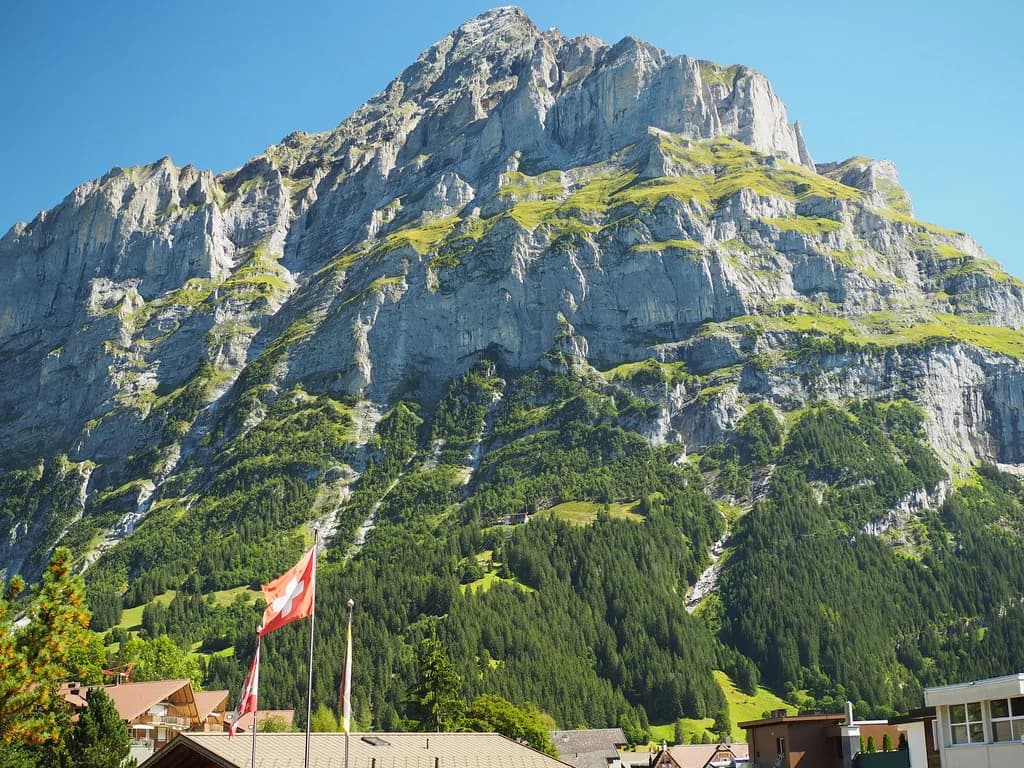
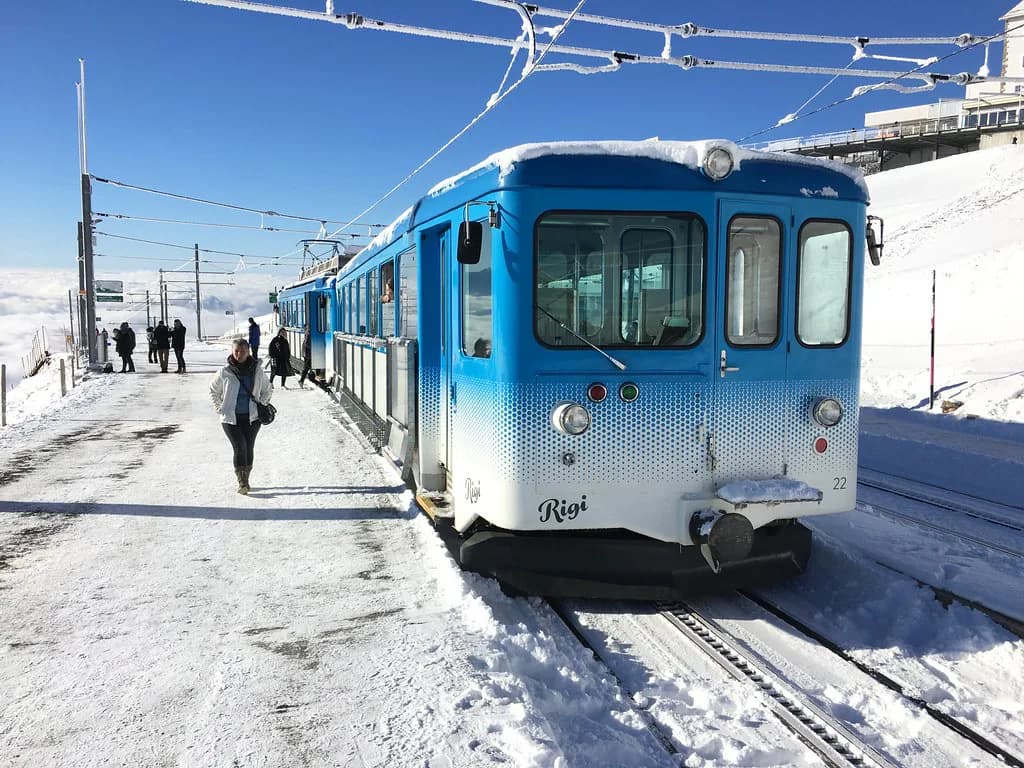
Swiss trains, buses, boats, gondolas and cable cars connect almost every town and peak, and connections are timed so tightly that a car adds parking problems rather than freedom. Even high viewpoints are reached by rail: the Brienzer Rothorn above Brienz is served by a historic steam cog railway, and Grindelwald-First is reached by cable car.
Keep luggage small. You will be lifting bags on and off platforms and squeezing them into racks, and a compact case makes every transfer easier.
If you do drive, motorway use requires a vignette, sold as an annual sticker for 40 CHF, which is a poor deal on a short trip. For city breaks the train wins on cost and time, and the mountain transport network means you rarely need a car to reach a viewpoint.
Transport Passes Compared: Swiss Travel Pass, Half Fare Card and Regional Passes
The Swiss Travel Pass gives unlimited travel on trains, buses and boats plus free entry to hundreds of museums and free or discounted mountain excursions, and it is sold for 3, 4, 6, 8 or 15 consecutive days. It suits fast trips covering several cities where you will also ride lake boats and panoramic trains.
The Swiss Half Fare Card is a discount card rather than a pass: for 120 CHF it gives a month of roughly half-price tickets on trains, buses, boats and most mountain railways, including public transport in over 90 cities. It suits slower trips based in one place, where you buy point-to-point tickets as plans firm up and can stack them with advance fares.
Regional passes such as the Berner Oberland Pass or the Jungfrau Travel Pass are usually cheaper than the national passes when your whole trip sits inside one region. Add up your actual routes before buying anything: a single-base city break with one mountain day often costs less with a Half Fare Card than with a national pass.
Supersaver Tickets and the SBB App
Supersaver tickets cut up to 50 percent off point-to-point fares on selected departures and appear with a percent sign in the SBB app and on the national rail website. They work for first and second class, and a first-class Supersaver can cost less than a full second-class ticket, so compare both before booking.
The stacking effect is real: a standard first-class one-way fare from Zürich to Lucerne is 46 CHF, a Supersaver fare on that departure can drop it to 27.60 CHF, and with a Half Fare Card the same ticket can come to 15 CHF. Book a day or two ahead, and try a departure half an hour later if your first choice shows no discount.
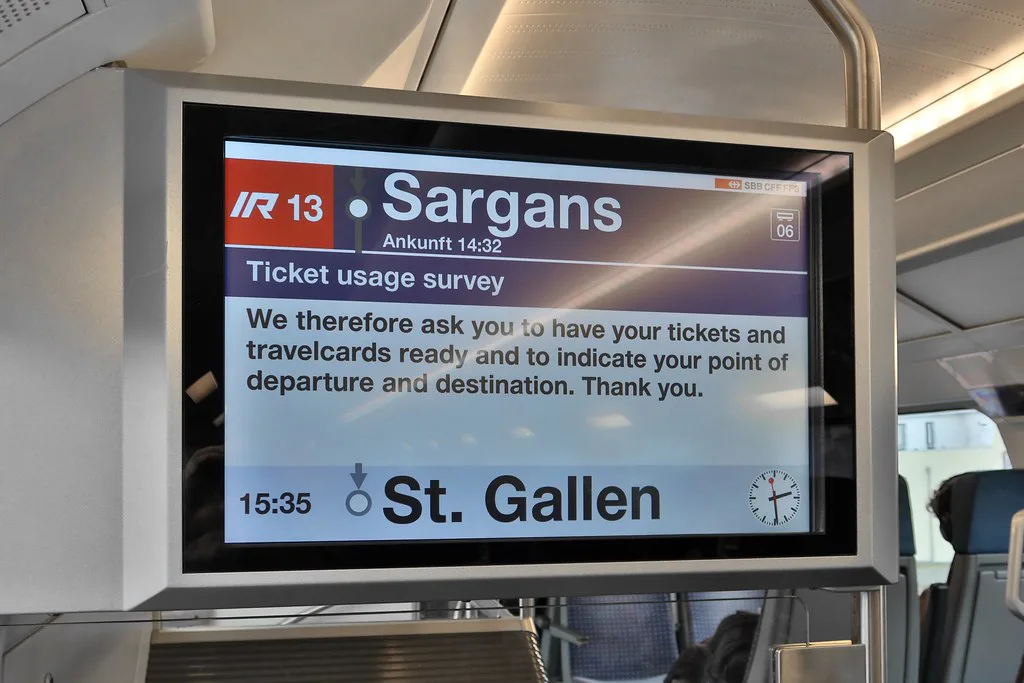
The SBB Mobile app is the practical companion for schedules, ticket purchases, Supersaver fares and carriage information, and you can sync a Swiss Travel Pass or Half Fare Card to it. Download it before you land so you can compare connections on the platform rather than at a ticket machine.
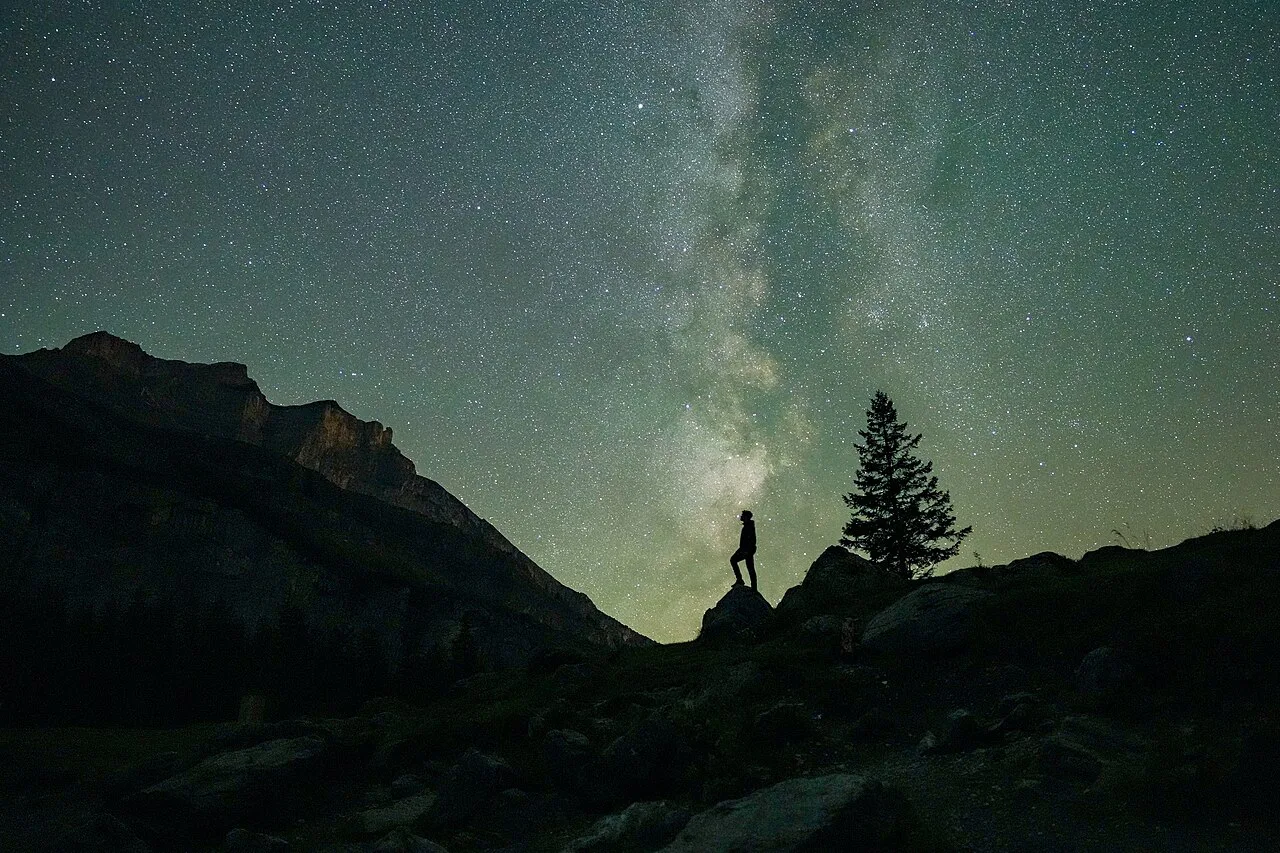
Guest Cards: Free Local Transport When You Stay Overnight
Many Swiss cities and regions give overnight guests a guest card that covers local public transport and sometimes adds discounts on attractions and boats. Cards are typically handed out at check-in by hotels, guesthouses and campsites, so ask at reception if one is not offered.
Free transport cards are cited for Interlaken, the Montreux Riviera, Lausanne, Basel and Ticino, where they can cover local trains, buses and occasionally boats and cable cars. Cities including Zürich and Lausanne also sell paid city cards that bundle transport with attraction entry, which only pays off if you plan several paid sights.
Treat the guest card as a budgeting tool rather than a freebie. Two nights in a city with a card can wipe out the cost of a day of tram and bus fares, money better spent on a mountain railway or a museum entry.
Scenic Trains Versus Regional Trains on the Same Route
The famous panoramic trains are worth knowing by name: the Glacier Express runs eight hours between Zermatt and St. Moritz across 291 bridges and 91 tunnels, the Bernina Express crosses into Italy over the Landwasser Viaduct, and the GoldenPass Express links Montreux with Interlaken. Passes usually cover the ride, but seat reservations cost extra and matter on busy routes.
A cheaper alternative is the ordinary regional train on the same track. You see the same landscapes without the panoramic fare or the crowds, and you can open the windows; the Bernina route works particularly well this way. On a short city break, ride one scenic stretch rather than building the trip around a full panoramic day, and see how the panoramic options compare in this guide to switzerland scenic trains.
Tipping, Tourist Tax and Other Costs That Surprise Visitors
Three costs catch first-timers: the per-night tourist tax paid at your accommodation, the vignette if you rent a car, and the gap between restaurant prices and supermarket prices. Expect dining out to be the single biggest line in a city break budget, with groceries the easiest place to claw money back.
Groceries are the budget lever. Aldi, Lidl and Denner are the cheapest chains, and Migros and Coop sell budget own-brands, so a supermarket breakfast and a picnic lunch can fund a nicer dinner.
Eating Well on a Budget: Supermarkets, Picnics and Day-Old Bakeries
Supermarkets sell ready-made sandwiches, salads and warm meals at a fraction of restaurant prices, and Swiss lakefronts and mountain viewpoints make excellent picnic tables. Pick up supplies before you head up a mountain, where food options shrink and prices rise.
Äss Bar is a Swiss chain that sells day-old bakery food such as sandwiches, salads and pastries at low prices, with branches in several cities. Chocolate bought in a supermarket rather than a souvenir shop is also the simplest way to bring gifts home without the markup.
Book accommodation with a kitchen if you plan several nights in one place. Cooking two breakfasts and one dinner at home offsets a single splurge meal, and Swiss restaurant service is unhurried, so a long lunch eats into sightseeing time.
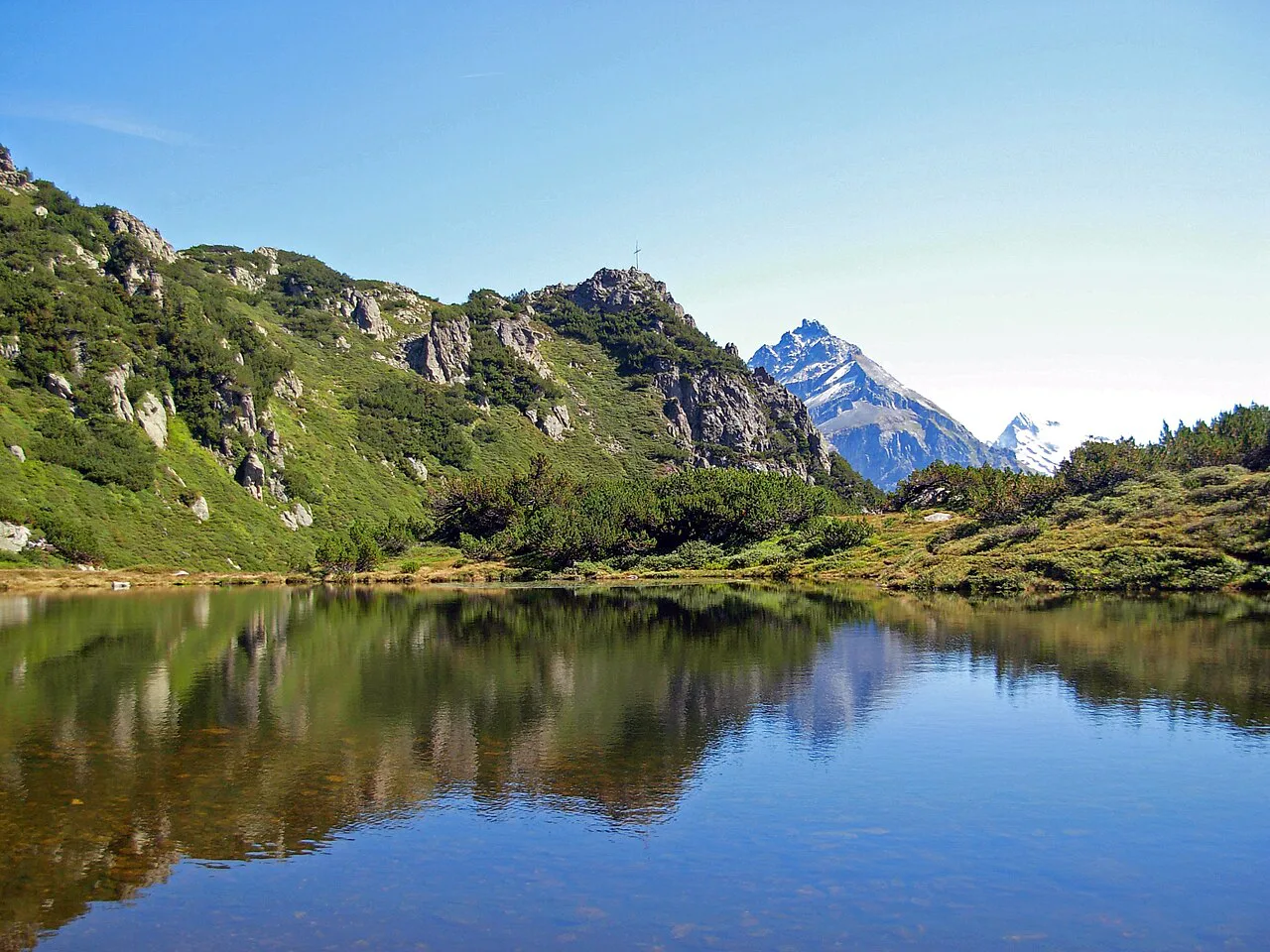
Filling a City Day: Local Mountains, Viewpoints and Free Sights
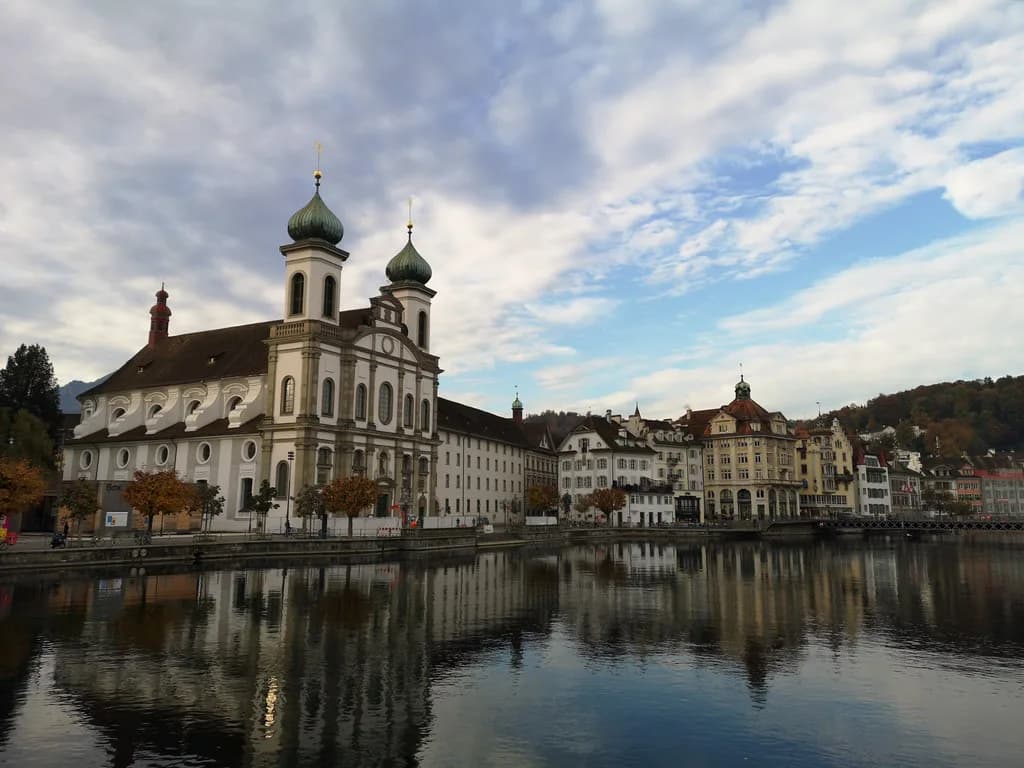
Nearly every city has its own mountain, and the local peak is often cheaper and quieter than the famous ones. From Zürich the train runs up the Uetliberg, Lucerne has Mount Pilatus on its doorstep, and Interlaken has Harder Kulm, all reachable without a car.
Old towns and waterfronts cost nothing. In Zürich the Lindenhof gives an elevated view over the oldest quarter, the Grossmünster anchors the skyline, and the Swiss National Museum and Kunsthaus hold the art and history; Geneva pairs its lakefront with the Cathédrale de Saint-Pierre and the International Red Cross museum.
Check the weather before committing to a height. Cloud can hide a summit view completely, so keep a low-level alternative in reserve each day and swap the mountain day to the clearest forecast.
When to Go and How to Book Around High Season
July and August are the busiest summer months and January and February the winter peak, with Christmas and New Year among the most crowded dates. Late September is a strong compromise, with mild weather and thinning crowds, while late November brings Christmas markets before the heaviest rush.
Book city hotels and mountain lodges early for high season, especially in Lucerne, Interlaken and Zermatt, where capacity tightens. For a fuller rundown of seasons and shoulder months, see the guide to the best time to visit switzerland, which also covers the best time to visit switzerland for a city break.
If your dates are fixed, buy train tickets a day or two in advance to catch Supersaver fares. If they are flexible, shift the whole trip a few weeks either side of the peak and both rooms and trains become easier and cheaper.
Swiss Directness and Early Closing Times: What to Expect
Swiss service culture is direct and efficient: a counter assistant may simply ask what you want without small talk, and that is normal rather than rude. Swiss working days also start and finish early, and grocery stores in many places close around 6:30 or 7pm, so shop before the afternoon slips away.
Plan museum visits around opening days and check each venue's own schedule before you travel, since weekly closing days vary by museum and city. Evening sightseeing works well because old towns and waterfronts stay open, even when shops and museums do not.
Mistakes to Avoid on a First Trip
The classic errors are trying to cover the whole country in four days, buying full-price tickets on the day, and eating every meal in a restaurant. Pick one base, buy the right pass or advance fare, and use supermarkets for at least one meal a day.
Two smaller ones cost time rather than money: assuming a euro plug will fit the Swiss socket, and assuming your phone plan covers Switzerland. A Type J adapter and a checked data plan solve both before you fly.
Finally, resist the urge to build each day around a famous peak. The local mountain, the old town and the lakefront together make a better city day than a long transfer to one crowded summit.
Plan Your City Break
Start with three fixed choices: one base city, one pass or discount card that fits your pace, and a realistic daily food budget built around supermarket meals. Add a guest card at check-in and download the SBB app before you arrive, and most of the logistics take care of themselves.
Then fill the days loosely, with one mountain or viewpoint, one old-town walk and one museum, and leave room to swap plans when cloud rolls in. Compare that four-day shape with a seven-day version if you can stretch the trip.
Explore more Switzerland guides
Frequently Asked Questions
Can you use euros in Switzerland?
No, Switzerland uses the Swiss franc, and euro notes are not the local currency. Cards are widely accepted, so a low-fee credit or debit card covers most spending, with some cash for small purchases. Check your card's foreign transaction fee before you travel, since that cost adds up over a few days.
How much should you tip in Switzerland?
Tipping is modest compared with the US. Rounding up the bill is normal, and about ten percent is a fair benchmark for good service. Tell the server the total you want to pay when you hand over the card rather than leaving coins on the table.
Do you need a car to see Switzerland?
No. Trains, buses, boats, gondolas and cable cars reach nearly every city and many mountain viewpoints, and connections are tightly timed. A rental car adds motorway vignette cost and parking problems in cities, so most city breaks are easier and cheaper by rail.
How much does a Swiss Travel Pass or Half Fare Card save?
It depends on how much you move. The Half Fare Card costs 120 CHF for a month and halves most tickets, which pays off on a slower single-base trip; the Swiss Travel Pass gives unlimited travel plus museum entry and suits fast multi-city itineraries. Add up your planned routes before choosing.
What plug adapter do you need for Switzerland?
Switzerland uses Type J sockets, so bring a Type J adapter. The thin two-prong Type C euro plug often fits, but the thicker round Type F plug can be blocked by the recessed socket frame. A universal adapter with a Swiss setting solves it in one purchase.
Is Switzerland friendly to American tourists?
Swiss service is direct and efficient rather than chatty, which can read as abrupt to visitors used to constant small talk. English is widely spoken, and the country is generally safe and well organized. Learning hello and thank you in the local language goes a long way.
What are the do's and don'ts in Switzerland?
Do carry Swiss francs and a card, buy train tickets in advance, and shop before early evening closing times. Don't assume euros work, don't count on shopping late, and don't try to cover the whole country in a few days. Pick one region and go deeper.
When is the best time to visit Switzerland for a city break?
July and August are the busiest summer months, and January and February form the winter peak. Late September offers mild weather with fewer crowds, while late November brings Christmas markets ahead of the rush. Book high-season rooms early, especially in Lucerne, Interlaken and Zermatt.
Sources
Notes for your Swiss city break
Optional updates to our Swiss city guides.
You might also like
Continue reading
More guides you'll find useful